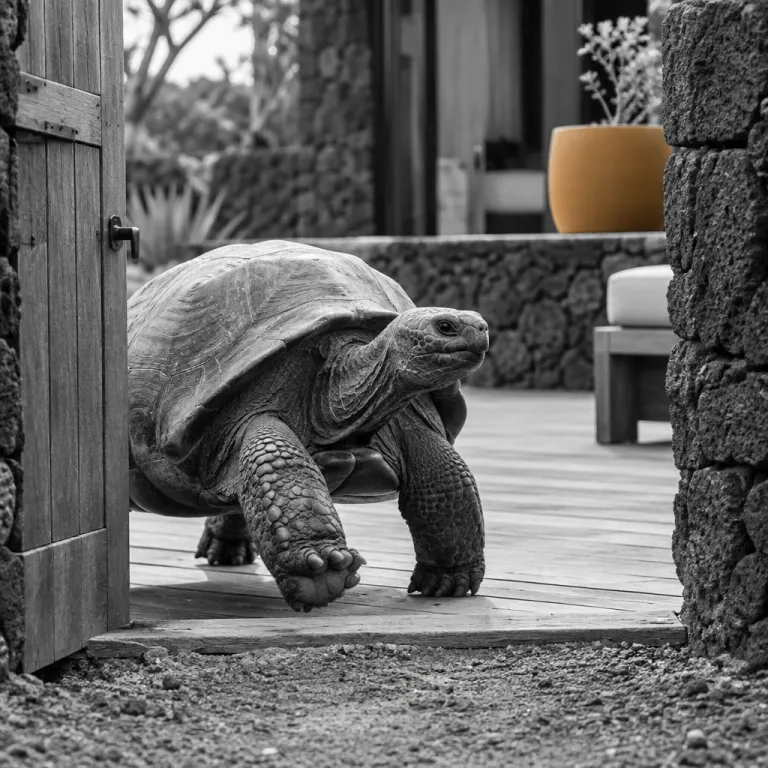
Luxury hotels and animals on the Galapagos islands
Why luxury travelers are drawn to animals on the Galapagos
The most discerning guests choose the Galapagos islands because wildlife shares every horizon. In this remote corner of South America, luxury hotels sit quietly beside lava fields where marine iguanas bask, sea lions sleep, and blue footed birds parade along the shore. You are never far from iconic Galapagos animals, whether you are sipping a drink by the water or watching a giant tortoise cross the land at its own unhurried pace.
High end properties on each island curate access to different species, so your choice of stay will shape every encounter with these animals. On Santa Cruz, refined lodges in the highlands place you close to land iguanas, giant tortoise reserves, and Darwin finches that hop confidently across the paths. On Isabela island, oceanfront suites overlook the sea where marine iguanas, fur seals, and playful sea lions share the same black lava rocks just a few metres from your room.
Travelers who care about wildlife conservation often ask how a premium hotel can coexist with fragile species. The best addresses across the Galapagos islands work under strict park regulations, limiting guest numbers and timing access so that animals keep their natural behaviour year round. This means you will watch red footed and blue footed boobies raise chicks on quiet cliffs, see a waved albatross glide over the sea, and observe a flightless cormorant drying its wings, all without crowds or noise.
Choosing the right island for close wildlife encounters
Selecting the right island is the most strategic decision for travelers focused on animals on the Galapagos. Santa Cruz offers the broadest range of luxury hotels, easy access to the sea, and day trips to nearby islands where boobies, iguanas, and sally lightfoot crabs thrive on sunlit lava. From a refined base here, you can reach both marine iguanas along the coast and land iguanas in the highlands within the same day.
Isabela island appeals to guests who want more time with marine species and fewer people on the beach. High end eco lodges line long arcs of white sand where sea lions nap, while fur seals prefer the cooler, shaded pools between lava rocks. Offshore excursions reveal flightless cormorant colonies, penguins, and shoals of fish moving through clear water, creating an immersive marine wildlife experience that pairs naturally with ocean view suites and private terraces. For travelers seeking refined island adventures and oceanfront stays, curated collections from specialist operators help match specific wildlife interests with the right hotel and island.
San Cristobal island offers a different rhythm, with elegant hotels overlooking bays where sea lions gather in large groups. Here you will often wake to the sound of these animals calling from the shore, then walk a few minutes from your room to see red footed and blue footed boobies nesting on nearby cliffs. Each island hosts its own mix of species, so combining Santa Cruz, Isabela, and San Cristobal in one itinerary gives you a rich cross section of Galapagos animals on land and at sea.
How to reach your luxury hotel while respecting fragile wildlife
Planning how you will arrive in the Galapagos islands is as important as choosing the right hotel. Most premium travelers fly from mainland South America to Baltra or San Cristobal, then transfer by boat or small aircraft to their chosen island. To keep stress low and protect wildlife, it is wise to coordinate flights, transfers, and hotel check in times through a specialist who understands both conservation rules and luxury expectations.
Many high end hotels arrange private or semi private transfers that move efficiently while limiting disturbance to animals on the Galapagos. For example, a seamless route might take you from Baltra airport by eco certified bus to the Itabaca Channel, then by low impact boat across the water to Santa Cruz, where a waiting vehicle continues through lava fields and highland farms where giant tortoise graze. Detailed guidance from park authorities and experienced travel planners helps align flight schedules, luggage needs, and park controls with the standards of a premium trip.
Transfers between islands also shape your experience of species and landscapes. A speedboat ride from Santa Cruz to Isabela island typically takes around two to two and a half hours and crosses rich marine corridors where dolphins, sea birds, and sometimes rays appear at the surface, while small planes reveal the pattern of lava flows, red tinted cliffs, and turquoise water from above. By planning travel times carefully, you will arrive at each hotel rested and ready for guided walks with land iguanas, snorkelling with sea lions, or birdwatching sessions focused on Darwin finches, waved albatross, and the elusive flightless cormorant.
Designing a luxury itinerary around iconic Galapagos animals
A thoughtful itinerary lets you enjoy animals on the Galapagos without rushing from one sighting to the next. Start with two or three nights on Santa Cruz, where you can visit highland reserves for giant tortoise, walk coastal trails with marine iguanas, and watch sally lightfoot crabs add flashes of red to black lava. From a premium lodge here, guided excursions introduce you to land iguana habitats, seabird colonies, and quiet bays where sea turtles glide through clear water.
Next, spend time on Isabela island to deepen your connection with marine wildlife and volcanic scenery. Luxury beachfront hotels place you steps from the sea, so you will often see sea lions, fur seals, and marine iguanas before breakfast, then return to a private pool or spa after afternoon snorkelling. Day trips might include walks across recent lava fields, visits to wetlands where Darwin finches and other birds feed, and boat rides to islets where blue footed and red footed boobies nest on low cliffs.
Finally, consider at least two nights on San Cristobal to balance land and marine experiences. Here, elegant hotels overlook bays filled with sea lions, while nearby highlands host different species of birds and land iguanas that prefer drier terrain. By structuring your stay this way, you will encounter a wide range of Galapagos animals year round, from the waved albatross on certain outer islands to the flightless cormorant and penguins that thrive in cooler sea currents.
What to expect from wildlife focused luxury hotels
Premium hotels in the Galapagos islands are designed so that animals remain the main attraction. Many properties limit built up areas, leaving corridors of natural land where iguanas, birds, and giant tortoise can move freely between lava, scrub, and water. You might find a marine iguana sunning itself beside a path, a Darwin finch perched on your balcony rail, or a sally lightfoot crab clinging to rocks just below your oceanfront suite.
Service standards match those of leading resorts in other parts of South America, yet operations follow strict environmental guidelines. Hotels manage waste carefully, treat water, and coordinate with park authorities to ensure that excursions to see sea lions, fur seals, boobies, and other species respect distance rules and group size limits. Many properties employ naturalist guides who explain how land iguanas differ from marine iguanas, why the flightless cormorant lost the power of flight, and how red footed and blue footed boobies use their colourful feet in courtship displays.
Guests focused on animals on the Galapagos often appreciate flexible schedules that adapt to wildlife behaviour. Some hotels offer early morning departures to catch birds at their most active, midday snorkelling when light penetrates the sea, and late afternoon walks when land iguanas and giant tortoise move across open clearings. In between, you will return to refined spaces with attentive service, where every comfort is provided without overshadowing the presence of Galapagos animals just beyond the terrace.
Ethical encounters with animals on the Galapagos from your hotel base
Responsible luxury travel in the Galapagos islands means placing animal welfare above the perfect photograph. Park rules require visitors to keep a respectful distance from all species, whether you are watching sea lions on the beach, a land iguana crossing a path, or a waved albatross nesting on a windswept cliff. The Galapagos National Park Directorate commonly recommends staying at least two metres from wildlife, avoiding feeding animals, and keeping to marked trails so that every encounter with Galapagos animals remains safe for both wildlife and people.
Guided activities from premium properties often focus on small groups, which reduces pressure on animals and improves your experience. A naturalist might lead you along a lava shoreline where marine iguanas feed in the sea, then point out how their dark skin absorbs heat once they return to land. On another outing, you may watch red footed and blue footed boobies tending chicks, observe a flightless cormorant drying its short wings, or see sally lightfoot crabs cleaning organic matter from rocks, all while learning how these species fit into the wider marine and terrestrial ecosystem.
Some travelers also seek specific animals such as penguins, which live unusually close to the equator in these islands. For a detailed look at these birds, including how they behave in cooler months, recent summaries from the Charles Darwin Foundation and Galapagos National Park Directorate indicate that Galapagos penguins are often most active in the dry, cooler season from roughly June to November, while waved albatross breeding on Española is most reliably observed between about April and December. By aligning your hotel choices, travel dates, and guided excursions, you will enjoy meaningful, ethical encounters with the full spectrum of animals on the Galapagos, from giant tortoise and land iguanas on shore to fur seals and sea lions in the surrounding sea.
Key statistics for wildlife and luxury travel in the Galapagos
- The Galapagos National Park protects about 97 % of the land area across the main islands, while the Galapagos Marine Reserve covers roughly 133 000 square kilometres of surrounding sea, according to the Galapagos National Park Directorate (see Galapagos National Park Directorate, “Management Plan for the Protected Areas of Galapagos,” 2014) ; this extensive protection underpins every ethical wildlife focused hotel stay.
- Scientists have identified more than 2 000 native species on land and over 3 000 marine species in the Galapagos region, based on data from the Charles Darwin Foundation (Charles Darwin Foundation, “Galapagos Species Checklist,” accessed 2024) ; this high level of biodiversity explains why guests can see multiple iconic animals in a single day.
- Visitor numbers are capped at around 275 000 people per year under Ecuadorian regulations, as reported by the Galapagos National Park Directorate (Galapagos National Park Directorate, “Tourism Statistics Report,” 2022) ; controlled tourism helps ensure that encounters with sea lions, iguanas, boobies, and other wildlife remain sustainable.
- Some islands, such as Española, host nearly the entire global breeding population of waved albatross, according to research published by BirdLife International (BirdLife International, “Phoebastria irrorata,” Species factsheet, 2023) ; this concentration means that carefully timed luxury trips can offer rare, reliable sightings of this species.
- Studies referenced by the Charles Darwin Foundation indicate that over 90 % of introduced mammal species have been eradicated or controlled on key islands (Charles Darwin Foundation, “Invasive Species Management in Galapagos,” 2021) ; this progress improves survival prospects for native land iguanas, giant tortoise, and many birds that guests hope to see.
FAQ about luxury stays and animals on the Galapagos
Which island is best for seeing a wide range of Galapagos animals ?
Santa Cruz is often the best single base because it offers access to giant tortoise in the highlands, marine iguanas and sea lions along the coast, and day trips to nearby islands where boobies, Darwin finches, and other birds nest. Combining Santa Cruz with Isabela and San Cristobal gives you the broadest mix of land and marine species. Many luxury travelers choose at least two islands to balance comfort with varied wildlife encounters.
When is the best time of year to visit for wildlife viewing ?
Wildlife viewing is excellent year round in the Galapagos islands, but conditions change with the seasons. Warmer months from roughly December to May bring calmer seas and more active marine life near the surface, while the cooler, drier season from about June to November favours species such as penguins and some seabirds. Luxury hotels and naturalist guides can help match your preferred animals on the Galapagos with the most suitable travel window.
Can luxury hotels in the Galapagos be considered eco friendly ?
Many high end properties operate under strict environmental rules set by the Galapagos National Park and Ecuadorian authorities. These hotels manage water and waste carefully, limit energy use, and design buildings to blend with lava landscapes and native vegetation. When choosing a stay, look for clear sustainability policies, independent certifications, and partnerships with conservation organisations working to protect local species.
How close can I get to animals such as sea lions and iguanas ?
Park regulations generally require visitors to keep at least two metres from all wildlife, including sea lions, land iguanas, and marine iguanas. Animals on the Galapagos are often very calm around people, which can make them seem tame, but approaching too closely can cause stress or change their behaviour. Naturalist guides from your hotel will help you judge safe distances while still allowing excellent viewing and photography.
Is it better to stay on a cruise or in land based luxury hotels ?
Land based luxury hotels offer more space, privacy, and flexibility, which many travelers prefer, especially for longer stays. Cruises can reach more remote islands where species such as the waved albatross or certain land iguanas are found, but cabins are smaller and schedules more fixed. A combined itinerary, with several nights in a premium hotel and a short cruise extension, often provides the best balance between comfort and access to diverse Galapagos animals.