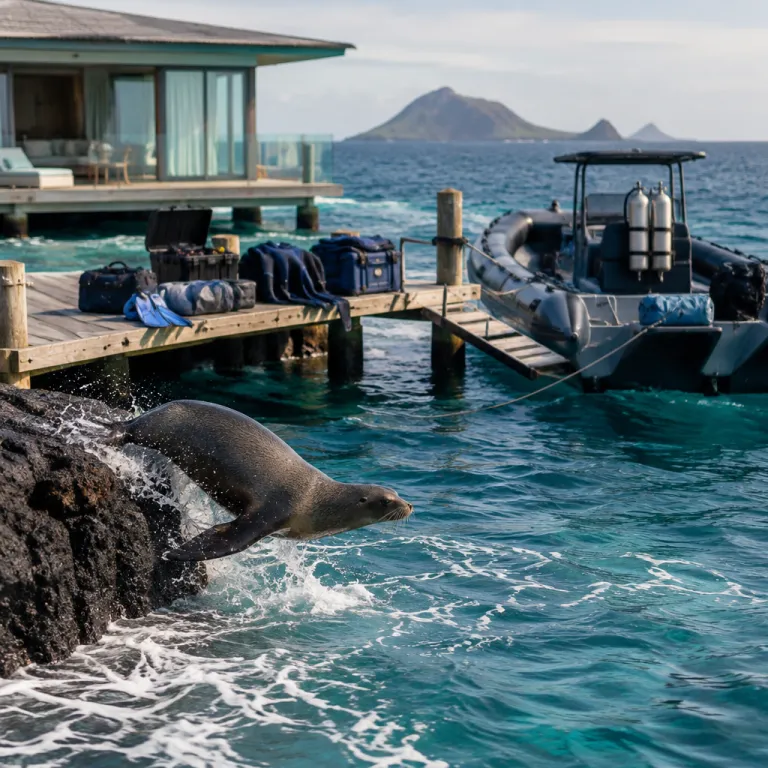
Where sea lions in the Galapagos shape your luxury stay
Sea lions in the Galapagos are not a backdrop; they are the heartbeat of the archipelago. On every island you visit, from the harbour of San Cristóbal to remote coves, these lions of the sea set the rhythm of daily life and quietly influence how premium hotels design guest experiences. When you plan a luxury escape, understanding how this marine life behaves will help you choose the right island base and the right style of stay.
The Galapagos Islands host the endemic Galapagos sea lion, scientifically named Zalophus wollebaeki, a species that has adapted perfectly to the cool, nutrient rich currents of the eastern Pacific off South America. These sea lions share the coastline with the rarer Galapagos fur seal, whose dense fur and nocturnal habits contrast with the more sociable sea lion colonies basking openly on the sand. For travellers, this mix of species means that a single stay can include lazy afternoons watching pups on the beach and late evening excursions seeking fur seals on shaded lava ledges.
On many islands, males tend to defend small territories along the shore, while females and pups move more freely between resting spots and the open sea. The dominant bull sea lion, often scarred and imposing, will patrol the shallows and occasionally challenge rival males, creating dramatic scenes that guests can watch from respectful distances. Luxury hotels that front the sea usually brief guests carefully on how close they may approach these Galapagos residents, balancing unforgettable encounters with strict conservation rules.
Because these animals haul out directly in front of jetties and hotel boardwalks, you will often see a sea lion pup sleeping beside a kayak or a line of seals sprawled across a landing step. Some travellers first meet a Galapagos sea lion before they even check in, as a curious individual may be spotted near the pier. High end properties now integrate these moments into their welcome rituals, timing arrivals with the cooler hours when sea lions will be most active on the shoreline.
From a conservation perspective, the life of each pup and adult is closely monitored by park authorities, who track population trends and health indicators across the islands. Plastic waste remains a serious threat, because a single loop of plastic can entangle a young sea lion or fur seal and compromise its ability to hunt. When you evaluate a premium hotel, ask how it manages plastic on site and whether it supports local projects that protect Zalophus wollebaeki and the wider marine life of the Galapagos sea.
Choosing the right island base for close encounters with sea lions
Picking the right island for your stay will determine how often you share the shore with sea lions in the Galapagos. San Cristóbal, Santa Cruz, Isabela, and Floreana each offer different balances between comfort, access to colonies, and the feel of the surrounding sea. Before you book, think about whether you prefer to watch a single dominant bull guarding his harem at dawn or to see scattered groups of seals and pups along quieter beaches.
San Cristóbal is often considered the capital of the Galapagos sea lion experience, because its main town waterfront is lined with resting animals. Here, males tend to occupy the best rocks, while females and pups cluster on the sand, and guests in waterfront suites can hear their calls through the night. A stay on this island suits travellers who want marine life woven into every step of urban life, from the pier to the promenade.
On Santa Cruz, the main town offers comfortable hotels and easy day trips to nearby islands where sea lions will be less habituated to people. You might be spotted by a curious pup while snorkelling, or see fur seals tucked into shaded crevices along lava cliffs. For guests who value a balance between refined dining, shopping, and daily marine excursions, Santa Cruz provides a polished base with varied access to different species.
Isabela, the largest island, feels wilder, with long beaches where sea lions and Galapagos fur seals share space with marine iguanas and seabirds. Here, a single dominant male may control a long stretch of sand, and guests in premium eco focused lodges can walk directly from their rooms to watch pups playing in the shore break. This island appeals to travellers who want more solitude and a stronger sense of the raw Galapagos sea environment.
Seasonality matters for both wildlife and rates, and travellers seeking value often look at quieter months when sea lions will still be active but visitor numbers drop. For a detailed view of how pricing and wildlife patterns shift, including when penguins and sea lions share cooler waters, consult guidance such as seasonal travel insights for the Galapagos. Matching your preferred climate, sea conditions, and budget with the right island will ensure that every day of your stay brings meaningful time with these charismatic seals.
Understanding sea lion behaviour to plan marine exploration from your hotel
Knowing how sea lions in the Galapagos behave through the day helps you schedule excursions from your luxury hotel. These lions of the sea rest on land for many hours, then head into the open sea to hunt when currents bring food close to the islands. If you align your snorkelling and yacht outings with these patterns, you will increase your chances of swimming alongside a playful sea lion pup or watching males patrol their territories.
At many rookeries, males tend to hold fixed positions near the waterline, while females slip in and out of the sea to feed and nurse their pups. The dominant bull will bark loudly at intruders, and his posture alone can signal when guests should keep extra distance on guided walks. Luxury hotels that specialise in marine exploration usually coordinate with certified naturalist guides who read these signals and adjust routes to avoid stressing the animals.
In the water, a young sea lion or even several pups may approach snorkellers, twisting and spiralling through the clear Galapagos sea. These encounters feel spontaneous, but they are shaped by strict park rules that your hotel and guides must follow to protect the life cycles of Zalophus wollebaeki and related species. Guests are briefed never to touch the animals, never to chase them, and never to leave plastic or other debris that could harm sea lions or fur seals.
Predators such as sharks and killer whales also influence where sea lions will feed and rest, because these hunters patrol channels between islands and deeper offshore waters. While shark attacks on humans are extremely rare here, their presence shapes the behaviour of both sea lion and fur seal populations. Your guides will explain how these forces of South America’s Pacific ecosystems interact, turning each outing into a lesson in marine life dynamics rather than a simple sightseeing trip.
Some high end properties pair sea lion focused excursions with other iconic wildlife experiences, such as watching blue footed boobies perform their courtship dances on nearby cliffs. If you want to combine close sea lion encounters with seabird viewing, resources like this guide to seeing blue footed boobies up close can help you time your stay. By aligning your hotel choice, daily schedule, and wildlife priorities, you ensure that Galapagos sea lion encounters become a natural part of a broader marine exploration itinerary.
How luxury hotels integrate conservation of sea lions into guest experiences
Premium hotels across the Galapagos Islands increasingly build their identity around the protection of sea lions and other marine life. These properties understand that the long term health of Zalophus wollebaeki, Galapagos fur seals, and many other species will determine whether future travellers can enjoy the same level of intimate wildlife encounters. When you compare options, look beyond room size and spa menus to see how each hotel supports the sea and the islands that sustain it.
Many high end lodges now run strict plastic reduction programmes, because even a single piece of floating plastic can entangle a sea lion pup or be ingested by a fur seal. Guests are often given reusable bottles, and filtered water stations replace disposable containers, reducing the risk that plastic will reach the sea. Some hotels also sponsor beach cleanups and partner with local NGOs that monitor the life and health of sea lions in the Galapagos.
On guided walks, naturalists explain how males tend to establish territories, how females choose safe nursery areas, and how pups learn to swim in shallow bays. You may see a dominant bull defending a prime stretch of sand, while younger males linger at the edges waiting for their chance to breed. These observations are not staged; they are woven into the daily rhythm of the islands, and responsible hotels ensure that viewing distances and group sizes minimise disturbance.
Some properties also support scientific research on Galapagos fur seal populations, funding tagging projects that track how far seals and sea lions travel from each island. Data from these studies helps authorities understand how sharks and other predators, as well as changing sea temperatures, affect feeding grounds. When a hotel shares these findings with guests, it turns a simple wildlife sighting into a deeper appreciation of the complex marine life web that surrounds the archipelago.
For travellers seeking refined island adventures with strong conservation credentials, curated collections such as this guide to Galapagos resorts and oceanfront stays can be a useful starting point. These resources highlight properties where sea lions will often be visible from your terrace, yet where staff are trained to manage human wildlife interactions carefully. Choosing such a hotel means your stay supports both comfort and the long term survival of sea lions and fur seals.
Designing a marine exploration itinerary around sea lions and fur seals
Once you have chosen your hotel, the next step is to design a marine exploration itinerary that maximises time with sea lions in the Galapagos. Think in terms of contrasting habitats: sheltered bays where pups practice swimming, rocky headlands where fur seals rest, and deeper channels where sharks and killer whales may pass. A well planned schedule will let you experience each of these settings without feeling rushed.
Morning outings often focus on beaches where a dominant bull sea lion controls a harem of females and pups, giving you a window into the social life of Zalophus wollebaeki. Here, males tend to patrol the water’s edge, while pups chase each other in the shallows and sea lions bark from the sand. Guides will usually keep groups small so that Galapagos residents can continue their routines with minimal disruption.
Afternoon trips may head to cooler, shaded cliffs where Galapagos fur seals rest on ledges, their thick fur adapted to the breezier side of the islands. These fur seals are generally more wary than the typical sea lion, so respectful distance and quiet observation are essential. From your yacht or panga, you might see a seal slip into the sea, then reappear moments later with a flash of silver fish in its jaws.
Some itineraries include snorkelling in channels where marine life is especially rich, though these areas can also attract sharks and other large predators. Your guides will choose sites where sea lion and fur seal encounters are common but conditions remain safe for guests, explaining how the presence of killer whales offshore can sometimes shift where sea lions will feed. This kind of nuanced planning is a hallmark of premium operators who understand both guest expectations and the realities of South America’s Pacific ecosystems.
Between excursions, many luxury hotels offer lectures on topics such as plastic pollution, the genetics of different species, and the history of conservation in the Galapagos Islands. These sessions deepen your understanding of how each island, each seal colony, and each individual pup fits into a larger story of resilience and vulnerability. By the end of your stay, you will likely see every sea lion on the beach not as a generic animal, but as a distinct character in the unfolding life of the archipelago.
Practical booking tips for luxury stays focused on sea lions in the Galapagos
Securing the right luxury or premium hotel for a sea lion focused trip requires attention to detail at the booking stage. Start by confirming whether your preferred property includes guided marine excursions in its rates or whether sea based activities are add ons. This distinction will shape both your budget and how often you can head out to watch Galapagos colonies from the water.
Ask each hotel how close its rooms and common areas are to active sea lion and fur seal haul out sites, because proximity affects both ambience and noise levels. Some guests love falling asleep to the calls of a dominant bull and waking to the sight of pups on the sand, while others prefer a quieter setting slightly inland. Clarifying this early ensures that your expectations align with the daily life of Zalophus wollebaeki around that island.
Check whether the property works with certified naturalist guides who specialise in marine life, including shark ecology and the behaviour of killer whales that occasionally patrol offshore. These experts can explain why males tend to cluster in certain bays, why some seals choose shaded rocks, and how plastic pollution threatens every species in the Galapagos sea. A strong guiding team often matters more than an extra amenity when your main goal is meaningful time with sea lions in the Galapagos.
Finally, review each hotel’s sustainability policies, focusing on water use, waste management, and direct support for research on Galapagos fur seal populations and other pinnipeds. Properties that invest in long term monitoring of sea lion life cycles and that help remove plastic from beaches contribute tangibly to the future of the islands. When you choose such a hotel, your stay becomes part of a wider effort to ensure that sea lions will continue to thrive along these shores for generations of travellers.
Key figures on sea lions and marine life in the Galapagos
- Recent assessments by the Galapagos National Park Directorate and the Charles Darwin Foundation suggest that the Galapagos sea lion (Zalophus wollebaeki) population is in the low tens of thousands across the archipelago, with numbers fluctuating significantly in response to El Niño events that alter sea temperatures and food availability.
- Galapagos fur seals are considered one of the smallest and most vulnerable fur seal populations in the world, with estimates in the order of several thousands of individuals; the International Union for Conservation of Nature (IUCN) lists the species as Endangered because of its restricted range and sensitivity to climate variability.
- Studies summarised by the Charles Darwin Foundation indicate that adult male Galapagos sea lions can weigh several times more than females, with large bulls reaching a few hundred kilograms and adult females typically remaining under 100 kilograms, a marked size difference that shapes the social structure of each colony.
- Research on plastic pollution in the eastern Pacific and around the Galapagos has found that a high proportion of sampled surface water fragments are microplastics, increasing the risk that sea lion pups, fur seals, seabirds, and other marine life will ingest or become entangled in debris.
- Long term monitoring by the Galapagos National Park and partner institutions shows that during strong El Niño years, pup mortality in some colonies can rise dramatically, because warmer sea conditions reduce fish availability and force females to travel farther from the islands to feed.
FAQ about sea lions in the Galapagos and luxury stays
Where are the best places to see sea lions from a hotel?
San Cristóbal and Santa Cruz offer the most reliable opportunities to see sea lions directly from hotel waterfronts and nearby piers. On San Cristóbal, the main town beach is often crowded with Zalophus wollebaeki individuals, while Santa Cruz hotels provide easy access to day trips where colonies rest on nearby islands. Isabela also offers excellent viewing, especially from properties facing long, open beaches.
Is it safe to swim with sea lions in the Galapagos?
Swimming with sea lions is generally safe when done under the guidance of certified naturalist guides who follow park regulations. Guests are instructed to keep a respectful distance, avoid sudden movements, and never touch the animals, allowing curious pups to approach on their own terms. Reputable luxury operators choose sites where sea conditions and wildlife behaviour indicate low risk.
How do luxury hotels help protect sea lions and fur seals?
Many high end properties support conservation by funding research on Galapagos fur seal and sea lion populations, reducing plastic use, and organising regular beach cleanups. They also train staff and guides to manage guest behaviour around colonies, ensuring that viewing does not disturb resting or nursing animals. Some hotels collaborate with organisations such as the Galapagos National Park and the Charles Darwin Foundation to align their practices with current science.
When is the best time of year to see sea lion pups?
Sea lion pups are typically born during cooler months when food is more abundant, though exact timing can vary slightly between colonies and years. Visiting during these periods increases your chances of seeing young pups nursing on the beach or learning to swim in shallow bays. Luxury hotels and local guides can advise on current breeding activity when you plan your trip.
Can I visit both sea lion and fur seal colonies from one hotel?
Yes, many travellers base themselves on Santa Cruz or San Cristóbal and join day trips to islands where both sea lion and Galapagos fur seal colonies are accessible. Well designed itineraries combine beach landings, cliffside observations, and snorkelling sessions to showcase the different habitats each species prefers. Choosing a hotel that partners with experienced marine focused operators makes it easier to include both in a single stay.