Galápagos whale season humpback: how the migration shapes your stay
June in the Galápagos marks a quiet shift that luxury travelers feel before they see. Cooler water slides up from the south, plankton blooms, and suddenly the marine reserve becomes a thoroughfare for whales and dolphins. For families planning when to visit Galápagos, this humpback-focused whale season from June to November is the moment when every zodiac ride can turn into a lesson in evolution.
Humpback whales are baleen whales, meaning they filter small fish and krill through comb-like plates instead of teeth, and their arrival is part of a broader seasonal migration that runs from June to November with peak sightings between July and September.[1] The most reliable corridor lies between Isabela and Fernandina islands, in the Bolívar Channel, where cold, nutrient-rich water funnels through a narrow passage and concentrates multiple whale species.[2] Here, families on a Galápagos cruise often see humpback whales and dolphins Galápagos side by side, dorsal fins slicing the surface in the same frame as a smoking volcanic cone.
For a premium family, the key decision is not whether to focus on Galápagos whales, but how close you want to live to the action. Expedition-style luxury vessels offer the widest reach across the islands and the best odds of crossing paths with humpback whales, sperm whales and, in some years, even blue whales during the same week.[3] High-end island lodges on Isabela place you near the Bolívar Channel, so a short boat ride can deliver whale watching, snorkeling with sea lions and a beach barbecue before the children tire.
During the main whale-watching season, cetacean activity is not limited to one flagship species. You may see toothed whales such as sperm whales cruising the deeper blue water off the western islands, their massive heads and squared-off dorsal areas breaking the surface with slow authority. In contrast, baleen whales like the humpback whale and the more slender Bryde’s whale tend to roll more gracefully, their dorsal fin slicing the surface before a fluke-up dive that leaves children speechless.
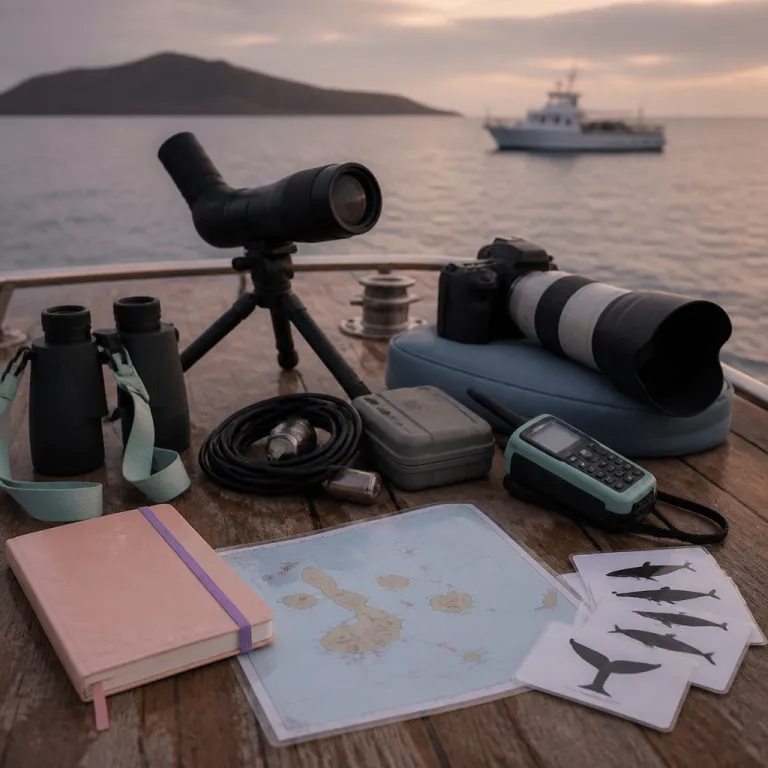
Luxury operators now use hydrophones on some cruises, allowing families to listen to the complex songs of humpback whales while they pass unseen beneath the boat. This innovation turns a standard whale watching outing into a quiet, almost private concert, and it is particularly powerful for younger travelers who may be less patient between surface sightings. When you compare properties, ask whether your chosen Galápagos cruise partner works with naturalist guides trained in whale species identification and acoustic interpretation, because that expertise matters more than the thread count in your cabin.
Where to base your family: islands, routes and the best vantage points
Choosing the right base in the Galápagos Islands during humpback migration season is less about marble lobbies and more about proximity to the western routes. The densest humpback whale traffic runs along the cooler, nutrient-rich waters off Isabela and Fernandina, so you want either a luxury vessel with a western itinerary or a premium hotel on Isabela that partners with serious marine operators. Families who stay elsewhere in the islands can still enjoy whales and dolphins, but they will spend more time in transit and less time actually watching.
For blue-water encounters with multiple whale species, western-focused Galápagos cruise itineraries remain unmatched, because they can linger in the Bolívar Channel and adjacent deep-water canyons where whales Galápagos wide come to feed.[2] Here, humpback whales, Bryde’s whales and the occasional blue whale move through the same marine reserve corridors as pods of dolphins Galápagos, creating layered sightings that keep older children engaged. Sperm whales and other toothed whales favor the deeper offshore water, so a vessel with open-ocean crossings between islands quietly increases your odds of seeing these giants.
Families who prefer to sleep on land should look at high-end lodges in Puerto Villamil on Isabela, where small-scale day boats head toward the Bolívar Channel for whale watching combined with snorkeling and coastal walks. These excursions often bring you close to humpback whales and Galápagos dolphin pods while still returning in time for a late lunch by the pool. When demand spikes in July and August, securing the right room category and departure dates requires early planning, and resources such as official seasonal wildlife calendars from the Galápagos National Park can help you lock in the best aligned properties.[1]
Not every family needs a full expedition-style Galápagos cruise to feel immersed in whales and dolphins. Some premium hotels on Santa Cruz and San Cristóbal work with trusted operators who run seasonal whale watching trips toward the western flanks of the archipelago, pairing open-water sightings with calmer snorkeling sites for younger swimmers. Ask specifically whether the operator has experience with humpback whales, sperm whales and Bryde’s whale identification, because guides who know dorsal fin shapes and surfacing patterns will spot animals long before anyone else on deck.
During this cooler-water whale season, remember that the archipelago is also a sanctuary for whale sharks, especially around Darwin and Wolf islands from August to November, though these sites are reserved for advanced divers and live-aboard vessels.[4] Families with older teenagers who already dive may choose an itinerary that skirts these northern islands, but most premium family trips sensibly focus on the central and western islands where surface whale watching and snorkeling are safer and more inclusive. In every case, the marine reserve status of the Galápagos means vessels must follow strict approach distances, so choose operators who emphasize respectful encounters over close approaches.
Growing awareness of marine conservation and new grant funding now link many high-end stays directly to research on whales, dolphins and other species. If you want your booking to support this work, look for properties and cruises that partner with science-led organizations and explain clearly how guest nights translate into field time or equipment. A useful starting point is the public information released by the Galápagos National Park Directorate and the Charles Darwin Foundation on how tourism revenue and grants connect your Galápagos trip to conservation, which helps you separate genuine commitments from vague marketing.[2]
Whale watching with children: family friendly days on the water
On a well-run day at sea, the Galápagos humpback season becomes the spine of a family itinerary rather than the only act. A typical outing from Isabela might start with a run along the coast scanning for humpback whales, Bryde’s whales or the occasional blue whale, then shift to snorkeling with sea turtles and playful sea lions once the children need movement. The best operators understand that young travelers have short attention spans, so they weave whale watching into a broader marine safari that also highlights dolphins, rays and schools of small fish.
During the cooler garúa months from June to November, air temperatures soften and skies turn dramatic, while water temperatures drop to roughly 18 to 23 °C, so families need to pack layers and request wetsuits for longer time in the water.[5] These conditions supercharge productivity in the marine reserve, which is why baleen whales, toothed whales and countless other species converge here in such numbers.[2] It is also why wildlife on land surges, with breeding seabirds, more active marine iguanas and sea lion pups sharing the same islands that your children will remember long after the dorsal fin photographs fade.
Safety and comfort on the water start with vessel choice, especially for families new to open-ocean conditions. Larger, well-stabilized yachts and catamarans tend to ride more smoothly than small speedboats, which matters when you are scanning for Galápagos whale blows in choppy blue water. Bring seasickness medication if anyone is prone to motion sickness, as expert guidance from the Galápagos National Park and experienced operators consistently recommends carrying appropriate remedies for sensitive travelers.[5]
Naturalist guides are the quiet luxury of any Galápagos whale-watching trip, because they translate distant splashes into stories your children can follow. A good guide will explain the difference between baleen whales and toothed whales using real-time sightings, pointing out how a humpback whale lunge feeds near the surface while sperm whales dive deep for squid. They will also help you read behavior, from the explosive breach of humpback whales to the more understated roll of a Bryde’s whale or the tight, synchronized surfacing of dolphins Galápagos.
Families concerned about the broader pressures on the islands can use their stay to engage with conservation beyond whales and dolphins. Some high-end properties now host evening talks on topics such as illegal wildlife trade, and reports from conservation organizations on issues like trafficking of Galápagos iguanas show how complex the protection of the archipelago has become.[2] Choosing operators who brief children on respectful behavior around sea lion pups, marine iguanas and nesting seabirds ensures that your whale watching days fit into a wider ethic of care.
Garúa season details: what to pack, how to shoot, when to book
Planning around Galápagos whale season means embracing the garúa months, when cooler currents rule and wildlife is at its most intense. From June to November, humpback whales move through Galápagos waters to feed and breed, with peak sightings between July and September and a gradual taper toward the end of the period.[1] This same season brings whale sharks to the far north, more visible marine iguana activity on the islands and a nursery-like feel among sea lion colonies.[4]
For packing, think layered clothing and a focus on staying warm once the wind picks up over open water. Light base layers, a windproof shell and a beanie make early morning whale watching on deck far more comfortable, especially for children who cool quickly. In the water, a 3 to 5 mm wetsuit keeps most swimmers happy during repeated snorkels, and it extends the time you can spend drifting above small fish schools while listening for the distant exhale of a Galápagos whale.
Photography from boats during humpback season rewards preparation more than expensive gear. A mid-range zoom lens in the 70 to 200 mm range handles most whale watching situations, because you are often closer to whales and dolphins than you expect in the compact Galápagos marine reserve. Use a fast shutter speed to freeze breaches and tail slaps, and coach children to enjoy the moment first, then shoot, so that the memory of a humpback whale breach is not just a blurred frame on a screen.
From a booking perspective, think of the Galápagos as a year-round destination with distinct marine personalities rather than a single high season. June to November is the time when Galápagos whales, dolphins and other pelagic species dominate the narrative, while the warmer months favor different behaviors and species mixes.[2] If your priority is humpback whales and related encounters, align your travel window with the core migration months and secure both your preferred hotel and cruise segments at least nine to twelve months ahead.
Finally, remember that the most meaningful luxury in the Galápagos Islands is time spent well, not just amenities. A thoughtfully chosen itinerary that balances days on a Galápagos cruise with nights in a well-located lodge gives families space to rest between long days on the water. When you step onto the deck at dawn and see the dorsal fin of a humpback whale cut through the blue water with your children beside you, the planning, the layers and the early booking will all feel like part of the story.
FAQ about whale season in the Galápagos
When is the best time to see humpback whales in the Galápagos ?
The most reliable period to see humpback whales in the Galápagos runs from June to November, with peak sightings typically between July and September.[1] During these months, cooler, nutrient-rich currents draw baleen whales into the marine reserve to feed and breed. Families who prioritize humpback encounters should aim to visit Galápagos during this core window and plan itineraries that include the western islands.
Where are humpback whales most commonly seen around the islands ?
The Bolívar Channel between Isabela and Fernandina is the standout hotspot for humpback whales in the Galápagos.[2] This narrow passage funnels cold water and concentrates small fish and other prey, attracting multiple whale species, dolphins and seabirds. Many Galápagos cruise itineraries and high-quality day trips from Isabela focus on this area during the main whale season because of its consistently high encounter rates.
What should families bring for a whale watching tour ?
For a comfortable day on the water, pack layered clothing, a light waterproof jacket, sunscreen, a hat and polarized sunglasses. Binoculars and a camera with a moderate zoom lens help children engage with distant blows and dorsal fins, while seasickness medication is essential for anyone sensitive to motion. Operators also recommend closed-toe shoes for moving safely around the deck and a dry bag to protect phones and electronics from spray.
Are whale watching cruises suitable for young children ?
Many Galápagos cruises and day boats welcome children, but suitability depends on the vessel, itinerary and your child’s comfort with time at sea. Larger, more stable yachts and catamarans tend to be better for families, and itineraries that combine whale watching with shorter snorkeling sessions and beach landings keep younger travelers engaged. When booking, ask specifically about minimum age policies, cabin configurations for families and how the crew structures activities for children during the peak whale months.
Can I see other whale species and dolphins during humpback season ?
Yes, the Galápagos humpback season overlaps with excellent viewing for other whales and dolphins. In addition to humpback whales, visitors may encounter sperm whales, Bryde’s whales and occasionally blue whales, along with several dolphin species that travel in energetic pods.[3] This mix of baleen whales, toothed whales and playful dolphins makes the June to November period particularly rewarding for families interested in marine life.
Sources: [1] Galápagos National Park Directorate – seasonal wildlife calendars; [2] Galápagos National Park & Charles Darwin Foundation – oceanographic and species distribution reports; [3] Peer-reviewed studies on cetacean occurrence in the Galápagos Marine Reserve; [4] Whale shark research programs at Darwin and Wolf islands; [5] Galápagos National Park visitor information on sea temperatures, safety and garúa season conditions.