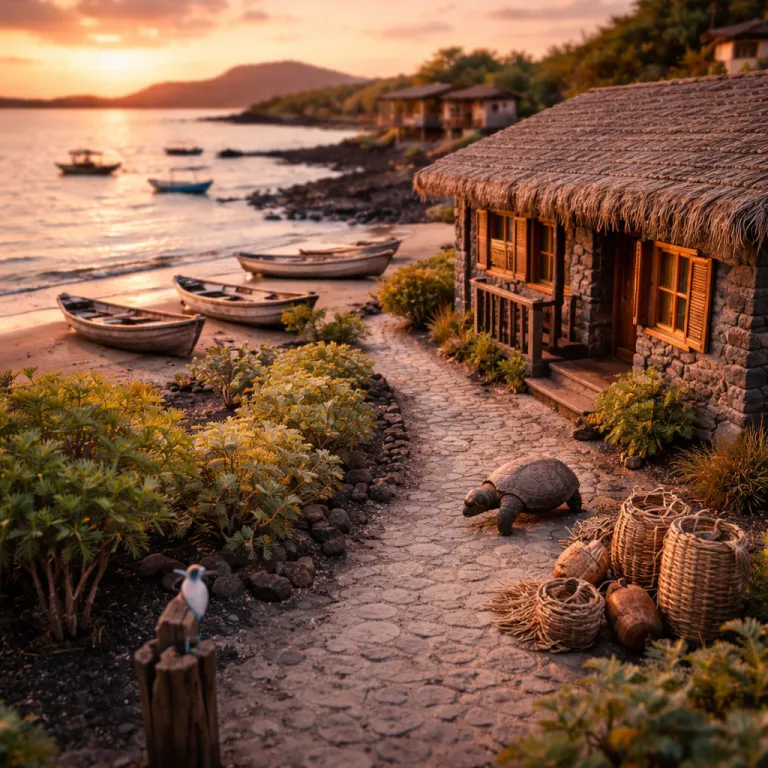
Galápagos cultural heritage history and the human side of the archipelago
Most travelers arrive in the Galápagos islands thinking only about wildlife and Charles Darwin. The deeper galapagos cultural heritage history reveals an archipelago shaped by pirates, whalers, penal colonies and resilient families who now share these islands with some of the world’s rarest species. Understanding this human story changes how you choose a luxury hotel on each island and how your family experiences time on shore.
Long before Charles Darwin stepped onto a remote island in the Galápagos islands, sailors from across South America used the archipelago as a secret sea base. They hunted giant tortoises as living provisions, leaving a stark early chapter in the history Galápagos that still echoes in conservation debates today. When Ecuador claimed the islands and later turned parts into a penal colony, the sea and the harsh volcanic ground became both prison wall and lifeline for those sent from mainland Ecuador.
Today, the Galápagos National Park and the surrounding marine reserve protect about 95 percent of the land and sea area. This protection underpins the UNESCO World Heritage Site status that covers both the terrestrial national park and the Galápagos marine reserve. Any luxury stay now unfolds inside a living conservation laboratory where the Ecuadorian government, local communities and organizations such as the Charles Darwin Foundation negotiate how tourism, conservation and daily life can coexist over the coming years.
Staying in Santa Cruz and San Cristóbal: where luxury meets local life
For most families, galapagos cultural heritage history becomes tangible first on Santa Cruz island or San Cristóbal island. Puerto Ayora on Santa Cruz is the economic heart of Ecuador Galápagos life, while Puerto Baquerizo Moreno on San Cristóbal is the political capital of the archipelago. Choosing a premium hotel here is less about thread count and more about how easily you can step from your lobby into streets where sea lions nap on benches and schoolchildren walk home past murals of giant tortoises.
Santa Cruz offers the broadest range of luxury and premium hotels in the Galápagos islands, from waterfront properties near the Charles Darwin Research Station to secluded highland lodges overlooking the sea. When you compare the best premium hotels in Galápagos for discerning travelers, focus on how each property connects you with local guides, fishermen’s cooperatives and highland farms rather than only on room categories. A well located hotel in Puerto Ayora lets you walk to the Darwin Station in minutes, where exhibits explain how species such as the giant tortoise and marine iguana shaped Darwin’s thinking about evolution.
San Cristóbal feels more intimate, with a slower rhythm and a strong sense of community identity anchored around the harbor and the national park offices. Here, premium family friendly hotels often sit directly along the bay, where sea lions and blue footed boobies share the same rocks that children use as a playground. For an insider overview of which properties balance comfort, location and access to cultural experiences, this refined guide to the best premium hotels in Galápagos for discerning travelers on stay-in-galapagos-islands.com is a useful starting point.
Historic landmarks, penal colonies and the layered history of the islands
Once you move beyond the main ports, galapagos cultural heritage history appears in scattered ruins, lonely cemeteries and stories told by naturalist guides between wildlife sightings. On Floreana Island, one of the most atmospheric islands in the archipelago, families can visit the old barrel mailbox at Post Office Bay, where whalers once left letters to be carried by passing ships. Nearby, the highlands of Floreana hold traces of early European settlers whose lives on this isolated island ended in mystery and conflict that still fascinates historians.
Isabela Island, the largest island in the Galápagos islands, carries a more somber chapter of history Galápagos at the Muro de las Lágrimas, the Wall of Tears. This long stone wall was built by prisoners during the penal colony years, when Ecuador used the island as a remote outpost for convicts, and walking the hot trail there gives older children a powerful sense of how harsh life once was. The contrast between this human suffering and the natural abundance of marine species and giant tortoises nearby is one of the most striking juxtapositions in any South America destination.
San Cristóbal and Santa Cruz also hold quieter historic landmarks, from early civic buildings to small churches that mark the transition from penal colonies to permanent communities. Many of these sites sit within or beside areas managed by the Galápagos National Park, reminding visitors that cultural and natural heritage share the same limited space. When you read article style interpretive panels at these landmarks, you start to see how the Ecuadorian government, local residents and conservation groups have slowly reframed the islands from a place of exile to a heritage site of global importance.
Living on a World Heritage Site: communities, conservation and your hotel choice
For the thirty thousand residents of Ecuador Galápagos, galapagos cultural heritage history is not an abstract theme but the backdrop to school runs, fishing trips and hotel shifts. Most live on Santa Cruz, San Cristóbal, Isabela and Floreana, where the sea and the national park boundaries define how towns can grow and how families can work. Staying in a luxury hotel here means entering a community where about eighty percent of the economy depends on tourism, yet conservation rules shape every new project.
Organizations such as the Charles Darwin Foundation and Galápagos Conservancy work with the Ecuadorian government and local communities to align conservation and livelihoods. As one project summary puts it, “Galápagos has a rich human history alongside its natural heritage.” Another key line from the same research states, “They participate in sustainable practices and heritage preservation,” and a third reminds visitors that “Historical artifacts, early constructions, and oral traditions” are central to understanding the islands. When you choose a hotel that partners with local guides, buys from island farmers and supports conservation education, your stay becomes part of this ongoing story.
Families often ask whether the two hundred dollar park fee and related conservation tourism costs are worth the price over the years of repeat visits. A clear explanation of how the Galápagos National Park and the marine reserve use these funds to protect species, habitats and community projects can be found in this analysis of the conservation tourism fee on stay-in-galapagos-islands.com. Reading that kind of detailed breakdown before you travel helps you explain to children why sea lions, giant tortoises and countless marine species still thrive here in such numbers.
Designing a family itinerary that weaves culture, wildlife and the sea
Thoughtful family itineraries in the Galápagos islands balance wildlife encounters with moments that illuminate galapagos cultural heritage history. Start with Santa Cruz, where a morning at the Charles Darwin Research Station introduces children to giant tortoises, breeding programs and the story of Charles Darwin himself. An afternoon wandering Puerto Ayora’s waterfront, watching sea lions and footed boobies share the same marine rocks, then brings the narrative back to daily island life.
On San Cristóbal, combine snorkeling with sea lions in the protected marine reserve with a visit to local interpretation centers that explain how the national park and the Ecuadorian government manage conservation. Guides here often reference the broader history Galápagos, from early whaling years to the declaration of the Galápagos National Park and later expansion of the Galápagos marine reserve. Children quickly grasp that every playful sea lion and every giant tortoise they see is part of a carefully managed coexistence between people and nature.
Families with more time can add Isabela Island or Floreana Island to experience quieter communities and more remote historic sites. On Isabela, a walk to the Wall of Tears followed by a visit to highland farms shows how natural landscapes, penal colony remains and modern agriculture intersect on a single island. On Floreana, stories of early settlers, pirates and passing ships at Post Office Bay turn a simple sea excursion into a living lesson about how this archipelago has connected Ecuador and South America to the wider marine world for nearly two hundred years.
FAQ
What is the cultural significance of the Galápagos beyond wildlife?
The cultural significance of the Galápagos lies in its layered human story, which includes pirate hideouts, whaling stations, penal colonies and present day communities living inside a UNESCO World Heritage Site. This history Galápagos narrative runs alongside the better known tale of unique species and Charles Darwin’s visit. Experiencing both dimensions gives travelers a fuller sense of why the archipelago matters to Ecuador and to South America.
How are local communities involved in conservation and tourism?
Local residents on Santa Cruz, San Cristóbal, Isabela and Floreana work in guiding, hospitality, fishing and farming under strict Galápagos National Park regulations. Many families participate in community led conservation projects supported by the Charles Darwin Foundation, Galápagos Conservancy and the Ecuadorian government. When visitors choose hotels and tours that hire local staff and follow marine reserve rules, they directly support this shared stewardship.
Which islands are best for families interested in culture and history?
Santa Cruz and San Cristóbal are the best starting points for families who want both comfort and access to galapagos cultural heritage history. Santa Cruz offers the Darwin Station, highland farms and easy day trips, while San Cristóbal combines excellent snorkeling with interpretation centers focused on conservation and community life. Isabela Island and Floreana Island add more remote historic landmarks, such as the Wall of Tears and Post Office Bay, for families with extra time.
Can luxury travel in the Galápagos be sustainable?
Luxury and premium hotels in the Galápagos islands can be sustainable when they operate within national park rules, limit their footprint and invest in local communities. Properties that use renewable energy where possible, manage water carefully and support research at the Darwin Station or other initiatives help protect the archipelago’s fragile ecosystems. Choosing such hotels allows travelers to enjoy high comfort while respecting both natural and cultural heritage.
How can I help my children connect with Galápagos cultural heritage?
Parents can prepare children by reading about Charles Darwin, early settlers and the creation of the Galápagos National Park before the trip. On the islands, visiting small museums, talking with local guides and stopping at landmarks like the Wall of Tears or Post Office Bay make history feel real. Combining these visits with wildlife encounters, such as meeting giant tortoises or watching sea lions on the beach, helps children see how people and nature share the same limited space.