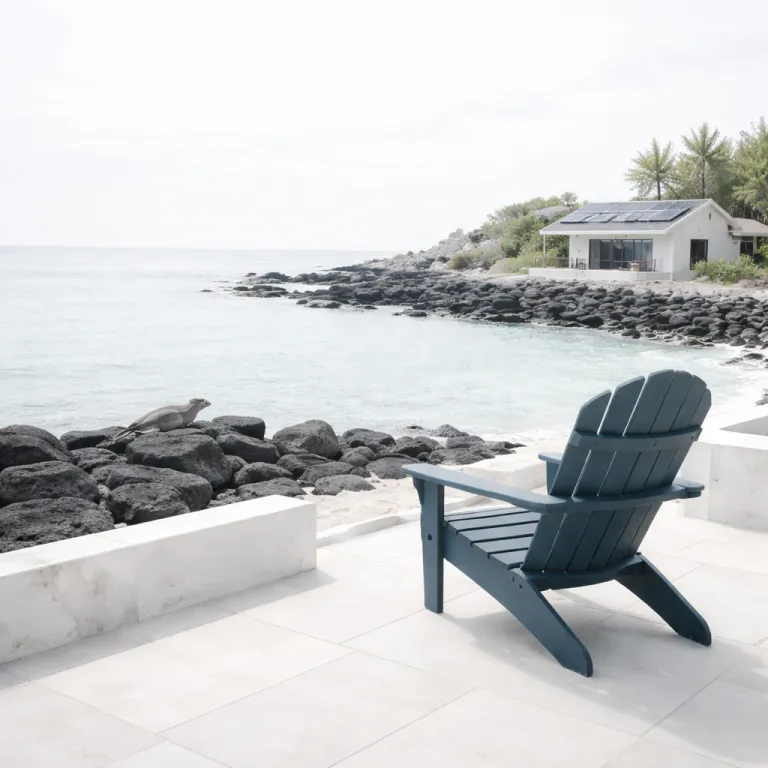
Why galápagos land based vs cruise is reshaping luxury family travel
Galápagos land based vs cruise is no longer a niche planning question; it is the central decision that will define your family’s entire experience. When land based stays in the Galápagos Islands rise by nearly half while Galápagos cruises grow far more slowly, you are watching the archipelago quietly rewrite its own tourism model in real time. For premium families weighing one transformative trip, the choice between a Galápagos cruise and a high class land tour is really a choice about how you want your children to remember these islands.
On a traditional ship based tour, your floating hotel moves each night and delivers you to different visitor sites at dawn, which means more wildlife in less time but also more structure and less freedom. Around 70 % of Galápagos visitor sites are accessible only by cruise, according to Lindblad Expeditions’ summary of National Park data for the 2019–2022 period, so cruises and small ship expeditions still hold the keys to the most remote islands and the wildest encounters. Yet the new generation of land tours based on the main islands is proving that you can visit Galápagos with comfort, flexibility and a lighter footprint, while still reaching many of the best sites by well planned day tours.
For families, the appeal of a land based trip is obvious once you have watched a child melt down on a rocking ship at midnight, because a stable bed on land in Santa Cruz or San Cristóbal suddenly feels like the real luxury. A land tour based in Puerto Ayora or in the highlands lets you design your own rhythm, with some days devoted to island hopping and others to slow mornings by the pool while sea lions bark on the nearby pier. Cruises and Galápagos cruises still win if your priority is ticking off the farthest islands in the least possible time, but land tours and island based itineraries win when you care about space, sleep and sanity as much as you care about rare birds.
Travelers weighing Galápagos land based vs cruise should start with five blunt questions rather than glossy brochures, because this is a destination where logistics shape emotion. Ask how your family handles motion sickness, because land based stays minimize boat time while cruises and ships maximize it by design. Then look at budget, flexibility, wildlife priorities and personal comfort, since land tours are generally more affordable, more customizable and less confining than a fixed cruise itinerary on a ship that never stops moving.
How land based stays spread benefits across the galápagos islands
When you choose a land based stay in the Galápagos Islands, your travel spend flows into real neighborhoods rather than remaining almost entirely on a ship. Every night in Puerto Ayora or San Cristóbal means restaurant bills, taxis, guides and small family businesses sharing the value of your trip, instead of a single cruise operator capturing nearly everything. That is why the surge in land tours and island based stays is not just a trend but a structural shift in how the islands earn their living from visitors.
On Santa Cruz, a land tour based in the highlands might pair a luxury lodge with day tours to nearby visitor sites, so your family returns each afternoon to the same spacious suite instead of a compact cabin. You might spend one day on a small ship heading to North Seymour for blue footed boobies, another day on a guided excursion to Bartolomé for that classic lava and sea view, and a quieter day walking from Puerto Ayora to Tortuga Bay where sea lions nap on the sand. Each of those days sends money to different guides, boat owners and restaurants, which is exactly how land based tourism distributes economic benefit more widely across the main islands.
New openings and refreshed properties are accelerating this shift, as eco lodges position themselves as true luxury alternatives to a Galápagos cruise without sacrificing access to the best sites. On Isabela, Scalesia Lodge has emerged as the island’s first genuine high end land based option, pairing tented suites with guided land tours and carefully curated day trips by boat. Across the archipelago, projects like Galápagos Safari Camp on Santa Cruz, with its African safari style tents and solar powered systems, show how a land tour can feel every bit as polished as a first class ship while keeping your family grounded in the landscape, and you can track these changes through detailed coverage of new hotel openings and refreshed properties across the archipelago.
From a conservation perspective, Galápagos land based vs cruise is also a question of engines and emissions, because multi day cruises rely on diesel power to move ships between islands every night. A land based itinerary that uses shorter day tours by boat will usually burn less fuel overall, especially if you focus on nearby visitor sites and avoid long overnight crossings. That does not make cruises the villain, but it does mean that a carefully planned land tour can align more closely with the low impact values many premium families now bring to their travel decisions.
Wildlife access, remote islands and the hybrid lodge plus ship model
For all the momentum behind land based stays, Galápagos land based vs cruise is not a simple victory for one side, because the geography of the islands still favors ships when it comes to the most remote wildlife sites. Cruises provide access to more remote sites, enhancing wildlife encounters, and that single sentence from the expert data remains the hard truth behind every glossy brochure. If your dream is to reach Wolf and Darwin for shark filled waters or to circle Española for waved albatross, a Galápagos cruise on a small ship is still the only realistic way to get there.
About 70 % of official visitor sites in the Galápagos Islands can only be reached by cruises and expedition ships, which means a land based trip will always be a curated subset rather than the full catalogue. A family staying on Santa Cruz can still arrange superb day tours to nearby islands, snorkel with sea lions off Santa Fé and walk lava fields on Santiago, but they will not wake up off the farthest islands without committing to a ship. That is why many high end travelers now treat Galápagos land based vs cruise as a both and equation, combining a shorter cruise segment with a longer stay on one main island.
The most interesting innovation is the hybrid model, where a land based lodge operates its own expedition vessel to blur the line between land tours and cruises. Pikaia Lodge on Santa Cruz is the clearest example, using its private ship for full day tours that feel like mini Galápagos cruises while guests sleep each night in a hillside suite instead of a cabin. For families, this hybrid approach can deliver the best of both worlds, offering the reach of a Galápagos cruise during the day and the space, privacy and flexibility of a land based stay at night, especially when paired with a custom yacht charter such as those profiled in our guide to Galápagos yacht charter journeys for refined travelers.
Hybrid itineraries also allow you to calibrate motion and pace, because you can limit the number of nights spent at sea while still using ships to reach key visitor sites that no day tours can touch. A four night small ship cruise followed by five nights in Puerto Ayora or San Cristóbal gives children time to decompress, repack memories and enjoy simple island hopping between beaches and lava tunnels. In practice, the most satisfying Galápagos land based vs cruise experiences for premium families are often these layered journeys, where each segment is chosen for what it does best rather than out of loyalty to one model.
Designing a family first itinerary: comfort, seas, and meaningful days
When you plan Galápagos land based vs cruise for a premium family, the smartest question is not which option is objectively best but which one will feel humane at 05.30 when a child is tired and the ship is rolling. Land based stays on the main islands give you control over wake up times, meal locations and downtime, which matters more than you think once the initial adrenaline of the trip fades. A well chosen land tour based in Santa Cruz or San Cristóbal lets you alternate intense wildlife days with gentler hours in town, where sea lions sprawl on benches and children can simply watch island life unfold.
For those prone to seasickness, a land based itinerary with carefully selected day tours is almost always the wiser path, because you can cap boat time at a few hours and return to solid land each afternoon. Cruises and Galápagos cruises, by contrast, maximize time on ships and small tenders, which is perfect for hardened sailors but punishing for sensitive stomachs. The dataset’s own guidance is blunt on this point, noting that land based tours minimize time spent on boats and are therefore better for anyone worried about motion, and that clarity should carry real weight in your planning.
Cost and flexibility tilt the scales further, since land tours are generally more affordable than a full Galápagos cruise and allow you to adjust plans if a child is tired or the weather shifts. You can book a series of day tours from Puerto Ayora, add or drop an island hopping excursion, or simply spend an unplanned day at a favorite beach without feeling you are wasting an expensive ship day. That level of control is especially valuable for families who want to visit Galápagos once and do it well, rather than racing through a checklist of sites at the ship’s pace.
There is also the question of depth, because staying on land in the Galápagos Islands lets children form a relationship with a single island rather than skimming past many. A week based in Santa Cruz with targeted day tours to nearby islands, plus perhaps a specialist marine excursion focused on manta rays such as those discussed in our feature on new research on oceanic manta rays and marine tourism, can feel richer than a longer but more fragmented cruise. In the end, the most successful Galápagos land based vs cruise decisions are those where every day, every ship, every land based tour and every quiet hour on shore has been chosen in service of how you want your family to feel, not just how many islands you want to tick off.
Key figures shaping the galápagos land based vs cruise debate
- Approximately 70 % of official Galápagos visitor sites are accessible only by cruise, according to Lindblad Expeditions’ analysis of Galápagos National Park visitor data for 2019–2022, which explains why ships and Galápagos cruises remain essential for reaching the most remote islands.
- Land based trips in the Galápagos Islands have increased by roughly 48 % in the most recent reporting period, compared with about 16 % growth for cruises over the same years, based on aggregated Galápagos tourism statistics that compare the change in total visitor nights for each model between the earliest and latest years in the dataset, indicating a structural shift toward land tours and island based stays.
- Expert guidance in the reference data confirms that land based tours are generally more affordable than cruises, helping premium families allocate more budget to high class hotels and private day tours.
- The same dataset notes that land based tours offer more flexibility than cruises, allowing personalized itineraries and more free time, which is particularly valuable for families with children.
- For travelers prone to seasickness, the expert material states that land based tours minimize time spent on boats and therefore reduce discomfort, while cruises and ships inherently involve more motion.
- Although land based trips are rising quickly, cruises still provide better wildlife viewing overall because they access more remote sites, reinforcing the case for hybrid lodge plus ship itineraries.