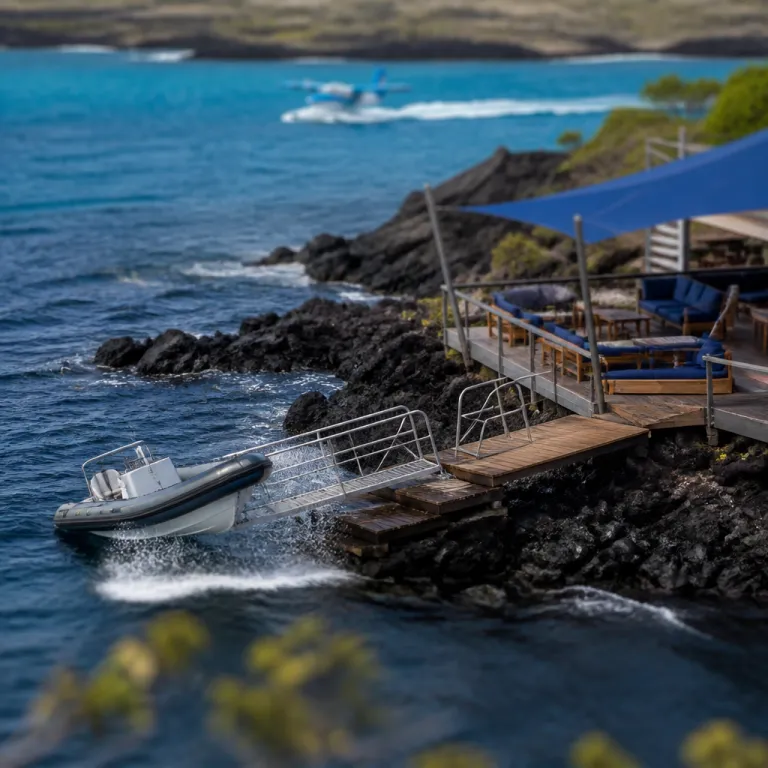
Luxury places to travel in Ecuador: refined routes from Quito to the Galápagos
Curated places to travel in Ecuador for refined city and island stays
Among the most sophisticated places to travel in Ecuador, the pairing of Quito and the Galápagos Islands creates a seamless arc from heritage to wilderness. This compact country allows you to move from a UNESCO-listed Andean capital to remote volcanic shores in a single day, which makes it ideal for travelers who value time and comfort. When you plan to visit Ecuador as a high-end guest, you will find that choosing the right hotel in each city or town shapes the entire trip.
Quito remains the capital city where many international flights land at Mariscal Sucre International Airport (UIO), and it is one of the best places in Ecuador to start or end a journey toward the Galápagos Islands. In the historic center, Casa Gangotena stands on Plaza San Francisco and offers a calm base for an Ecuador family or couples who want to explore churches, museums, and the famous Mitad del Mundo monument on a curated day trip. The hotel is known for its rooftop terrace with Old Town views, spacious suites with high ceilings, and afternoon tea service in the glassed-in patio, which add a sense of occasion to each day in the city.
From this elegant hotel you can reach the equatorial line at Ciudad Mitad del Mundo, where the monument reads “mitad del mundo” and where families enjoy three or more hours of interactive exhibits before returning to the city for dinner. For travelers comparing places to travel in Ecuador, Quito competes with Cuenca as the most atmospheric Andean city for culture, architecture, and gastronomy. Cuenca is smaller and feels like a refined town, yet it offers excellent hotels, colonial plazas, and access to Cajas National Park, which is worth visiting for high-altitude lakes and hiking.
Many visitors spend three days between Quito and Cuenca before flying to the Galápagos Islands, which gives enough days to adjust to altitude, enjoy local cuisine, and organize logistics with tour guides and hospitality services. This combination of capital city, graceful highland town, and remote archipelago illustrates why discerning guests often describe Ecuador as one of the most rewarding countries in South America for compact yet varied itineraries. A couple staying at Casa Gangotena, for example, might spend one morning on a private walking tour with a local guide such as María or Andrés, then return for a tasting menu dinner before continuing to the islands the next day.
Planning time, budget, and routes between mainland Ecuador and the Galápagos Islands
Thoughtful planning of time and routes is essential when you combine mainland places to travel in Ecuador with a luxury stay in the Galápagos Islands. Most travelers fly from Quito (UIO) or Guayaquil (GYE) to Baltra (GPS) or San Cristóbal (SCY), and the total travel time usually fits comfortably into a single day, even when you add airport transfers and check-in procedures. Typical flight durations range from about 2 hours from Guayaquil to roughly 2.5 hours from Quito, which helps you estimate arrival times for hotel check-in or cruise embarkation.
To understand how flight schedules, hotel nights, and cruise departures affect your budget, consult a detailed guide to Galápagos Islands travel cost for luxury and premium stays before you finalize dates. When you visit Ecuador for an extended trip, allocate at least three days on the mainland before or after the islands, especially if you are traveling with families or older relatives. These three days allow time for a Quito city tour, a day trip to Otavalo or a nearby national park, and one relaxed day in a spa hotel with hot springs in the Andes.
Many tour guides advise that “Ecuador is a year-round destination; however, June to September offers drier weather”, which helps you choose the best month for hiking, wildlife watching, and urban sightseeing. Luxury travelers often ask whether it is better to spend more days in the Galápagos Islands or in mainland places in Ecuador such as Cuenca, Otavalo, or the Amazon Rainforest. For wildlife-focused guests, the islands deserve the majority of the time, because encounters with sea lions, marine iguanas, and giant tortoises are unique in South America and cannot be replicated elsewhere in the country.
For culture-oriented visitors, splitting the trip between Quito, Cuenca, and a short Galápagos extension offers a balanced way to experience both the human and natural sides of Ecuador. A sample seven-day itinerary might include two nights in Quito with a historic center tour, one night in a nearby hot springs resort, and four nights in the Galápagos Islands with daily guided excursions, which keeps transfers manageable while still covering several of the country’s signature highlights. Couples often report that this rhythm feels relaxed yet immersive, with enough time for both museum visits and snorkeling outings.
Hidden gems in Quito, Otavalo, and the northern Andes for discerning guests
Some of the most rewarding places to travel in Ecuador lie in the northern Andes, where traditional markets, crater lakes, and eco-lodges create a quieter alternative to the main city circuits. From Quito, a private driver can take you on a day trip to Otavalo, a town famous for its textile market, nearby lakes, and artisan workshops that are ideal for families. Along this route you will find small properties such as Black Sheep Inn and Sheep Inn, which appeal to travelers who value sustainability, local architecture, and personal service.
Black Sheep Inn, for example, is known for its earthbag construction, yoga studio with mountain views, and on-site hiking trails, while Sheep Inn focuses on intimate hospitality and home-cooked Andean meals. Otavalo itself is worth visiting for more than a single day, especially if you want to explore the surrounding villages and enjoy the landscape at a slower pace. Many guests choose to stay two or three days in the area, combining market visits with hikes around Cuicocha crater lake and relaxed evenings in a countryside hotel with fireplaces and Andean cuisine.
For an Ecuador family trip, this region offers one of the best places in Ecuador to introduce children to local culture before they encounter the wildlife of the Galápagos Islands. When you evaluate places to travel in Ecuador beyond the capital, consider how each town or valley fits into your overall route between Quito and the islands. A curated itinerary might include Casa Gangotena in the historic center, a stay at Black Sheep Inn or Sheep Inn in the highlands, and then a flight onward to the Galápagos Islands for a yacht-based experience.
For more ideas on refined mainland stops that connect naturally with the islands, consult this guide to Ecuador points of interest for refined travelers, which highlights lesser-known yet luxurious places to visit. This northern circuit works especially well for guests who prefer boutique properties, private drivers, and flexible days rather than fixed group departures. A typical couple might spend around US$250–US$400 per night for a characterful inn in this region, depending on season and room category.
Luxury stays in the Galápagos Islands for wildlife and comfort
Among all places to travel in Ecuador, the Galápagos Islands stand apart for their combination of raw nature and carefully managed luxury. High-end hotels on Santa Cruz, San Cristóbal, and Isabela offer spacious suites, fine dining, and private guides, while still respecting strict conservation rules that protect sea lions, birds, and marine ecosystems. When you choose a hotel here, focus on access to small-group excursions, naturalist guides, and comfortable boats rather than only on room size or decor.
Families often ask whether a land-based stay or a small ship cruise offers the best experience for an Ecuador family trip to the Galápagos Islands. Land-based stays in a premium hotel suit younger children and multi-generational families, because you can return to the same room each night and adjust the length of each day excursion according to energy levels. Cruises, by contrast, allow you to visit more islands in fewer days, which is ideal for guests who want to maximize wildlife encounters such as snorkeling with sea lions or walking among nesting seabirds.
To plan the most efficient use of time between mainland places in Ecuador and the islands, many travelers combine three days in Quito or Cuenca with four to seven days in the archipelago. This balance gives you enough days to enjoy city culture, Andean landscapes, and the full range of Galápagos activities without feeling rushed. If you value seamless logistics and stylish transfers, you may also appreciate this guide on how to reach the Galápagos in style and plan your luxury island stay, which outlines routes, airport tips, and premium services.
As you refine your budget, remember that the Galápagos National Park entrance fee is currently US$100 per adult and US$50 per child under 12, and the transit control card costs about US$20 per person, payable before or upon arrival (figures widely cited by the Galápagos National Park Directorate and Ecuadorian authorities as of 2024). Many luxury travelers plan for a daily spend that includes these mandatory charges, guided excursions, and premium dining, which helps avoid surprises once you are on the islands.
Combining Cuenca, national parks, and hot springs with a Galápagos escape
Cuenca ranks among the most graceful places to travel in Ecuador, and it pairs beautifully with a Galápagos Islands itinerary for travelers who appreciate architecture and art. The city center features cobbled streets, domed cathedrals, and museums that explain the history of this part of South America, while nearby Cajas National Park offers high-altitude lakes and hiking trails. Many visitors find that two or three days in Cuenca provide a calm counterpoint to the more intense wildlife focus of the islands.
Beyond Cuenca, several national parks and hot springs resorts deserve a place on your list of places to visit in Ecuador, especially if you enjoy wellness and nature. In the central Andes, spa hotels with thermal pools allow you to soak in mineral-rich waters after a long day of travel or hiking, which is particularly appealing for families and older guests. These hot springs properties often include fine dining, spacious suites, and views of volcanoes, making them some of the best places in Ecuador to rest between flights or long drives.
When you design a multi-stop itinerary, think of the country as a series of distinct yet connected regions rather than a single linear route. One elegant sequence might be Quito and Casa Gangotena, a day trip to Otavalo and the surrounding town and villages, two nights in a hot springs hotel, three days in Cuenca with an excursion to Cajas National Park, and finally a flight to the Galápagos Islands. This approach ensures that every day of the trip feels purposeful, with a clear rhythm between city culture, mountain landscapes, and island wildlife.
For budgeting, many premium travelers estimate a per-day range that covers boutique hotels, private transfers, and guided excursions, then add a separate line for Galápagos flights and park fees. This method keeps comparisons between mainland stays and island experiences transparent when you refine the final route. Couples often report that planning in this way makes it easier to decide whether to upgrade to a suite, add a private guide, or extend the island portion by an extra night.
Venturing toward the Amazon Rainforest while keeping the Galápagos in focus
For travelers who want to extend their list of places to travel in Ecuador beyond the Andes and the Galápagos Islands, the Amazon Rainforest offers a powerful contrast. From Quito, a short flight or overland journey takes you to jungle lodges where you will find canopy towers, river excursions, and guided walks that reveal birds, monkeys, and medicinal plants. These lodges often operate on an all-inclusive basis, which simplifies logistics for an Ecuador family or small group that values comfort in remote settings.
Because time is finite, you should decide whether to prioritize the Amazon Rainforest or add only a brief extension before or after the islands. If wildlife is your main interest, combining three days in the jungle with four to six days in the Galápagos Islands creates one of the most complete nature-focused trips in South America. When you compare these places in Ecuador, remember that the Amazon emphasizes dense forest and river life, while the islands highlight volcanic landscapes, sea lions, and marine ecosystems.
Throughout the country you will encounter references to “mitad del mundo” and “del mundo” in monuments, slogans, and local pride, because Ecuador sits on the equator and positions itself as the center of the world. This sense of geographic uniqueness underpins many of the most memorable places to travel in Ecuador, from the equatorial line near Quito to the remote islands that inspired evolutionary theory. Whatever combination of city, town, national park, hot springs, and island you choose, locals will highly recommend that you take the time to slow down, engage with guides and communities, and treat each day as an opportunity to deepen your connection with this compact yet diverse country.
For travelers who enjoy data-driven planning, it is useful to note that the Amazon and the islands often require separate internal flights and luggage limits, so confirming baggage policies and transfer times in advance helps keep the overall experience smooth and relaxed. Many guests also appreciate building in one buffer night in Quito between regions to absorb any schedule changes.
Key figures for luxury travel in Ecuador and the Galápagos Islands
- Ecuador welcomed around 1,500,000 international visitors in 2019, according to the Ecuador Ministry of Tourism and pre-pandemic tourism statistics, which reflects strong interest in places to travel in Ecuador across culture, adventure, and wildlife segments.
- The country holds five UNESCO World Heritage Sites as of 2024, including Quito’s historic center and the Galápagos Islands, making it one of the most heritage-dense destinations in South America relative to its size.
- Tourism authorities report steady growth in eco-tourism and adventure travel over the last decade, which aligns with rising demand for national park visits, Amazon Rainforest lodges, and responsible Galápagos Islands cruises.
- Many nationalities can enter Ecuador visa-free for up to 90 days, which simplifies planning for multi-stop itineraries that combine city stays, highland towns, and island expeditions.
- Typical premium budgets for Ecuador and Galápagos itineraries often start at several hundred US dollars per person per day, excluding international flights, with higher ranges for private charters and top-tier yacht cabins; by 2024, many luxury travelers report average daily spends of US$400–US$800 depending on season and level of exclusivity.
FAQ about luxury and premium travel in Ecuador and the Galápagos Islands
What is the best time to visit Ecuador for a combined mainland and Galápagos trip ?
Ecuador is a year-round destination; however, June to September offers drier weather, which is ideal for city walks in Quito, hikes in national parks, and clear conditions for Galápagos Islands excursions. Outside these months, you can still enjoy most activities, but brief showers are more common in the Andes. The islands themselves remain attractive throughout the year, with shifting wildlife highlights by season.
How many days should I plan for Quito, Cuenca, and the Galápagos Islands ?
For a balanced itinerary, many luxury travelers allocate three days between Quito and nearby areas such as Otavalo, two or three days in Cuenca with a visit to Cajas National Park, and four to seven days in the Galápagos Islands. This structure allows time for city culture, Andean landscapes, and extensive wildlife encounters without rushing. Families with younger children may prefer slightly longer stays in each hotel to reduce packing and transfers.
Is it safe to travel in Ecuador for high end independent travelers and families ?
Ecuador is generally safe for tourists; exercise standard precautions such as using registered taxis, keeping valuables secure, and following hotel or guide advice about specific neighborhoods. Luxury and premium properties typically provide reliable transport partners and vetted tour guides, which further reduces risk. As in any country, staying informed about local conditions before each day trip is sensible.
Do I need a visa to visit Ecuador for a Galápagos focused holiday ?
Many nationalities can enter Ecuador visa free for up to 90 days; check specific requirements with your nearest consulate or official government website before booking flights. This allowance usually covers a full itinerary that includes mainland cities, highland towns, and a week in the Galápagos Islands. Remember that the islands also require a transit control card and park fee, which your tour operator or hotel can help arrange.
How should I choose between a Galápagos cruise and a land based hotel stay ?
Cruises are better for travelers who want to visit more islands in fewer days and do not mind smaller cabins, while land based hotel stays excel at comfort, space, and flexibility for families or guests prone to seasickness. Both options offer guided excursions with close wildlife encounters, including time with sea lions, birds, and marine life. Your decision should reflect your preferred pace, budget, and tolerance for moving between cabins and shore landings.