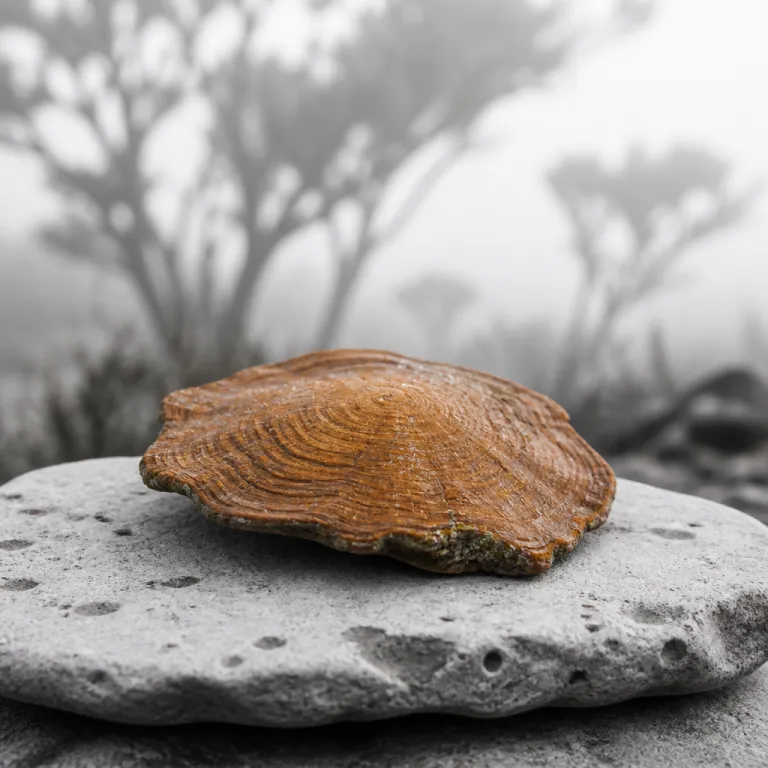
The santa cruz highlands Galápagos Scalesia forest as a destination in itself
The santa cruz highlands Galápagos Scalesia forest feels like another island entirely. Mist hangs low over the canopy, and the air cools as you leave the bright beach light of Puerto Ayora behind. For couples used to the coastal rhythm of sea lions and marine iguanas, this forested interior offers a quieter, more contemplative side of the Galápagos Islands.
Above roughly 300 metres, santa cruz shifts from arid scrub to a lush forest where Scalesia pedunculata, an endemic plant and tree daisy, forms a dense green ceiling. This Scalesia forest once covered large areas of Santa Cruz Island, but today only about 1 % of the original forest remains as intact plots according to a key study, which makes every remaining stand feel precious. The contrast with the dry zones near the beach is dramatic, and the species cover changes almost step by step as you drive inland from Darwin Bay style coastlines toward the highlands.
Most cruise itineraries skim past this interior, treating santa cruz as a transit hub rather than a forest destination. That is a missed opportunity for travelers who care about endemic species and want to understand why invasive species are such a threat here. Staying in or near the santa cruz highlands Galápagos Scalesia forest lets you see how endemic plant species, giant tortoises and even the farming families of Cruz Island share the same cloud wrapped landscape.
Walking through Scalesia pedunculata: an endangered cloud forest
The heart of the santa cruz highlands Galápagos Scalesia forest lies around Los Gemelos, the twin volcanic sinkholes ringed by mossy trunks of Scalesia pedunculata. Trails here are short, well marked and ideal for couples who want an easy walk rather than a full day trek. As you circle the craters, you move through different plots of forest where the species cover shifts from dense endemic plant species to areas where invasive plant thickets have started to creep in.
Scalesia pedunculata is more than a pretty tree ; it is the dominant plant species in this cloud forest and shapes the microclimate for countless endemic species of birds, invertebrates and understory plants. One expert summary puts it plainly : “What is Scalesia pedunculata? An endemic tree species in the Galapagos Islands. Why are Scalesia forests endangered? Due to invasive plant species and habitat loss. How can Scalesia forests be protected? Through invasive species control and habitat restoration.” When you stand beneath these trees, with mist beading on the leaves, that ecological fragility feels very close.
Conservation work here focuses on invaded plots where invasive species such as blackberry and sauco have taken hold, and on carefully managed removal plots where teams use manual removal and targeted herbicide application. The Charles Darwin Foundation and the Galápagos National Park Directorate coordinate these efforts, testing long term invasive species management strategies that aim to restore native plant species cover. For travelers, choosing highland lodges that support this work, and staying on marked trails in the Scalesia forest, is one of the most direct ways to contribute while enjoying a romantic escape in the santa cruz highlands.
For readers comparing different islands for a high end stay, it helps to understand how this cloud forest experience complements the coastal and marine focus of other parts of the archipelago ; a detailed breakdown of how many islands there are and which ones suit a luxury stay can be found in this guide on which Galápagos Islands best match a luxury itinerary. Santa Cruz stands out because you can sleep in comfort in Puerto Ayora or in the highlands and still reach the Scalesia forest within an hour. That proximity makes it uniquely appealing for couples who want both a refined hotel base and access to one of the rarest forests on Earth.
Lava tunnels, Los Gemelos and the romance of volcanic geology
Beyond the trees themselves, the santa cruz highlands Galápagos Scalesia forest hides a labyrinth beneath your feet. Lava tunnels snake for kilometres under the island, some wide enough to walk through in single file, others opening into cathedral like chambers where your guide’s torch picks out ripples frozen in basalt. These tunnels, along with the dramatic sinkholes of Los Gemelos, remind you that every plant species and every endemic species here is clinging to a volcanic shell in the middle of the Pacific.
Couples often pair a morning in the Scalesia forest with an afternoon exploring one of the longer lava tunnels on Santa Cruz, many of which lie on private farms that also host giant tortoises and giant tortoise conservation areas. Walking through these tunnels, you see how the island’s geology created the varied habitats that now support marine iguanas on the coast, sea lions on the beach and endemic plant communities in the highlands. It is a powerful way to connect the dots between the iconic wildlife of the Galápagos and the less photographed interior landscapes.
Several premium properties and high end day operators arrange guided visits that combine lava tunnels, Los Gemelos viewpoints and time in the santa cruz highlands Galápagos Scalesia forest. When you compare Galápagos resorts for refined island adventures and oceanfront stays, look for itineraries that explicitly mention the highlands, not just coastal excursions, as highlighted in this overview of Galápagos resorts for refined island adventures. The best guides weave in the story of invasive species, explaining how invaded plots near the tunnels are being restored through careful invasive plant removal, so you leave with a sense of both wonder and responsibility.
From a practical standpoint, most lava tunnel and Los Gemelos excursions start from Puerto Ayora and reach the highlands in 30 to 45 minutes by vehicle. Roads are paved for most of the way, but conditions can be wet and muddy near the forest, especially where species cover is dense and shade keeps the ground damp. Pack a light jacket, closed shoes and a camera that can handle low light, because the interplay of fog, forest and volcanic rock is one of the most atmospheric scenes on Santa Cruz Island.
Highland farms, coffee, chocolate and conservation minded stays
The santa cruz highlands Galápagos Scalesia forest is not a wilderness sealed off from people ; it is a lived in landscape where small farms, known locally as fincas, share space with giant tortoises and endemic plant species. Many of these properties sit within or beside Scalesia forest plots, where the canopy cover creates a cool, moist microclimate ideal for coffee and cacao. For couples, this means you can move from a morning walk among Scalesia pedunculata to an afternoon tasting Galápagos grown coffee without ever leaving Cruz Island.
Some fincas operate as simple day visit farms, while others have evolved into refined lodges with generous rooms, fireplaces and views over rolling pasture where giant tortoises graze. These stays often support invasive species control by maintaining removal plots on their land, where invasive plant thickets are cleared to allow endemic species to return. When you sip a cup of highland coffee on a veranda and watch a giant tortoise lumber past, you are sitting at the intersection of agriculture, conservation and slow travel in the Galápagos Islands.
Responsible operators work closely with the Charles Darwin Foundation and the Galápagos National Park Directorate to align their land management with broader conservation goals. That can mean limiting the expansion of pasture into remaining Scalesia forest, monitoring invaded plots for new invasive species and funding manual removal campaigns that protect endemic plant communities. As a guest, you can ask how your chosen property manages its plant species cover, whether it participates in any study of Scalesia forest restoration and how it contributes to the long term survival of this ecosystem.
For couples planning a broader Ecuador journey, the highlands also pair well with curated experiences across the country’s mainland and coast ; a useful starting point is this editorial guide to refined ways to experience Ecuador’s most memorable attractions. Within the archipelago, though, few places offer such an intimate look at how people, endemic species and invasive species collide as the santa cruz highlands Galápagos Scalesia forest. Choosing to sleep here, even for one or two nights, changes your understanding of what a Galápagos trip can be.
Designing a highland day from Puerto Ayora: logistics for couples
Most visitors base themselves in Puerto Ayora, the main town on Santa Cruz, and treat the highlands as a quick stop on the way to or from the airport. A more rewarding approach is to design at least one full day around the santa cruz highlands Galápagos Scalesia forest, lava tunnels and highland farms. For couples, this creates a slower, more intimate rhythm between days spent with sea lions on the beach and days immersed in the cool forest air.
From Puerto Ayora, the drive into the highlands takes roughly 30 to 45 minutes by taxi or private transfer, climbing from sea level to the Scalesia zone where endemic plant species dominate. Many luxury and premium hotels in town can arrange private vehicles, naturalist guides and timed entries to giant tortoise reserves such as El Chato or Rancho Primicias, which sit near key Scalesia forest plots. A typical day might start with a walk at Los Gemelos, continue with a visit to a lava tunnel, then end with a long lunch at a farm where giant tortoises and giant tortoise hatchlings roam through pasture and forest edges.
When planning, pay attention to how your chosen operator talks about invasive species and conservation in the santa cruz highlands Galápagos Scalesia forest. The most responsible guides explain the difference between invaded plots, where invasive plant thickets have reduced native species cover, and removal plots, where manual removal and herbicide treatments are slowly allowing endemic species to return. They may also reference ongoing study work by the Darwin Foundation and other partners, helping you see how your visit fits into a larger story of ecological restoration on Santa Cruz Island.
Weather in the highlands is cooler and wetter than on the coast, with frequent fog that can make the forest feel almost cinematic. Pack layers, including a light waterproof jacket, and wear shoes that can handle mud on forest trails and farm tracks. With that simple preparation, a day in the santa cruz highlands becomes one of the most quietly luxurious experiences in the Galápagos, not because of thread counts, but because you are walking through one of the rarest forests on Earth while it still stands.
How the highlands complete the classic Galápagos wildlife narrative
Most travelers arrive in the Galápagos with a mental checklist : marine iguanas basking on black lava, sea lions sleeping on a white sand beach, blue footed boobies diving in Darwin Bay. Those scenes are real, and they are unforgettable, but they tell only half the story of these islands. The santa cruz highlands Galápagos Scalesia forest adds the missing inland chapter, where endemic species and endemic plant communities fight for space against invasive species in a misty, green world.
On the coast, you see how marine iguanas and sea lions have adapted to the cold, nutrient rich waters around the islands, while in the highlands you see how giant tortoises and giant tortoise populations depend on the shelter and food provided by Scalesia pedunculata and other native plant species. The same island that hosts Charles Darwin’s famous finches now hosts teams from the Darwin Foundation working to protect invaded plots and expand removal plots in the remaining Scalesia forest. Their goal is simple but urgent : preserve enough forest and species cover to prevent the extinction of this unique ecosystem.
For couples, understanding this tension between endemic species and invasive species can deepen the romance of the trip rather than diminish it. Sharing a walk through the santa cruz highlands Galápagos Scalesia forest, you are not just admiring a pretty landscape ; you are witnessing a living study in evolution, resilience and human responsibility on Santa Cruz Island. When you return to your hotel, whether in Puerto Ayora or in the highlands themselves, the memory that lingers may not be the cabin upgrade or the pool, but the quiet moment when a giant tortoise emerged from the fog beneath a Scalesia tree and reminded you why these islands matter.
FAQ
What is special about the santa cruz highlands Galápagos Scalesia forest for visitors?
The santa cruz highlands Galápagos Scalesia forest offers a rare cloud forest ecosystem dominated by the endemic tree daisy Scalesia pedunculata, which exists only in the Galápagos Islands. For visitors, this means cool temperatures, easy trails and a chance to see endemic plant species and giant tortoises in a setting very different from the coastal beaches. It is also one of the best places to understand how invasive species threaten native habitats and how conservationists are responding.
Why are Scalesia forests on Santa Cruz Island considered endangered?
Scalesia forests on Santa Cruz Island are considered endangered because most of their original area has been lost to deforestation, agriculture and the spread of invasive plant species such as blackberry. Only a small percentage of the original forest cover remains, often in fragmented plots surrounded by invaded plots where native species cover has been reduced. Conservation projects focus on invasive plant removal and restoration of removal plots to protect the remaining Scalesia forest and its endemic species.
Can I visit the santa cruz highlands and Scalesia forest on a day trip from Puerto Ayora?
Yes, the santa cruz highlands and key Scalesia forest areas such as Los Gemelos can be visited easily on a day trip from Puerto Ayora. The drive takes about 30 to 45 minutes, and many hotels and tour operators offer half day or full day excursions that combine forest walks, lava tunnel visits and time at giant tortoise reserves. This makes the highlands an ideal option for couples who want a different Galápagos experience without committing to a multi day cruise.
How can travelers support conservation of endemic species in the highlands?
Travelers can support conservation of endemic species in the santa cruz highlands Galápagos Scalesia forest by choosing operators and lodges that work with the Charles Darwin Foundation and the Galápagos National Park Directorate on invasive species control. Staying on marked trails, respecting private property boundaries and avoiding the transport of seeds or soil between sites also helps reduce the spread of invasive species. Some highland farms and lodges offer opportunities to learn about removal plots and restoration work, giving visitors a direct way to contribute through their stay.
Are the highlands suitable for travelers who are not strong hikers?
Yes, the main trails in the santa cruz highlands Galápagos Scalesia forest, including those around Los Gemelos and many lava tunnels, are relatively short and not technically demanding. Paths can be muddy and uneven, but they do not require advanced fitness, which makes them suitable for most visitors, including couples looking for a relaxed outing. Hiring a naturalist guide ensures that the pace is adapted to your comfort level while still offering rich insights into the forest, its plant species and its wildlife.