Why galapagos national park rules for visitors define your entire trip
The moment your galapagos flight lifts off from mainland Ecuador, you are entering one of the most tightly protected marine reserves on the planet. The galapagos national park rules for visitors are not fine print ; they shape every choice you make, from which luxury hotel you book to how close you stand to a sea lion. Treat those park rules as your design brief for a low impact stay, and the islands will feel more generous, more intimate and far more rewarding.
At the heart of the galapagos national park rules for visitors sits a deceptively simple requirement ; keep at least two metres, about six feet, from all wildlife at all times. That distance rule applies on beaches, on marked trails in every national park site and during authorized snorkelling tours, even when curious animals approach you. Respecting this space allows natural behaviour to continue uninterrupted, which is why the wildlife here will often ignore you completely and why your best photographs come from patience rather than proximity.
Luxury travellers sometimes assume a private guide or high end galapagos cruise will quietly bend the rules Galápagos, but the reality is different. Licensed naturalist guides are trained and audited by the Galápagos National Park, and their accreditation depends on enforcing every requirement with both groups and solo visitors. When you choose a premium lodge or yacht that openly explains the rules Galápagos and builds them into daily briefings, you are aligning your stay with the elements of the ecosystem that keep these islands functioning.
Think of the galapagos national park rules for visitors as the operating system for your entire journey. They govern how tours are routed, how many guests can land at a site, and which activities are authorized in each zone of the park. Understanding those park rules before you travel helps you read each itinerary with a critical eye and choose hotels and cruises that match your ethics as closely as your aesthetic preferences.
The two metre rule in practice: photography, beaches and snorkelling
On paper, staying two metres from wildlife sounds simple ; on a white sand beach with sleeping sea lions, it becomes a quiet choreography. Your guide will usually trace an invisible line in the sand, keeping visitors on one side while animals keep the other, and the best luxury properties brief guests on this before they ever reach the park entrance. The result is a calm, almost surreal coexistence where you feel close to the animals without ever crossing into their space.
For photography, the two metre rule changes your technique rather than limiting your experience. Long lenses, low angles and patience replace the impulse to step closer, and many travellers find their most striking galapagos images come from waiting until the wildlife moves naturally into frame. High end hotels on the inhabited islands often partner with professional photographers for small group tours, teaching guests how to work within national park requirements while still returning with gallery worthy shots.
In the water, the rule is even more important because marine animals move faster than you ever will. During guided snorkel tours from a galapagos cruise or from a land based hotel, you are asked to float calmly, avoid chasing turtles or rays and let curious sea lions decide whether to approach. The galapagos national park rules for visitors are clear ; you never reach out to touch animals, never feed them and never use flash, because even a single startled reaction can ripple through the elements of the ecosystem.
Solo travellers who prefer land based galapagos travel often worry they will miss out on close encounters, but the opposite tends to be true. When you stay several nights on an island such as Floreana and join small, authorized excursions, animals become part of your daily rhythm rather than a checklist. For a sense of how refined island stays pair with rare, low impact adventures, explore this guide to Isla Floreana’s most considered properties and experiences.
From transit control card to galapagos biosafety: what you bring in matters
Your responsibilities as a low impact guest begin long before you see the islands on the horizon. At the airports in Quito and Guayaquil on mainland Ecuador, you pass through the transit control desk, obtain your transit control card and submit your bags to galapagos biosafety checks. This system is designed to keep seeds, insects and other unintended elements of the ecosystem from hitching a ride into the archipelago.
The galapagos national park rules for visitors require every traveller to carry this control card and present it on arrival, alongside proof of return travel and, in some cases, travel insurance that covers medical evacuation. You also pay the park entrance fee in cash at the airport, a national park entrance fee that recently increased to 200 US dollars per person to strengthen conservation funding. Think of this not as a simple fee but as a direct contribution to the rangers, scientists and local communities who keep Ecuador Galápagos functioning as a living laboratory.
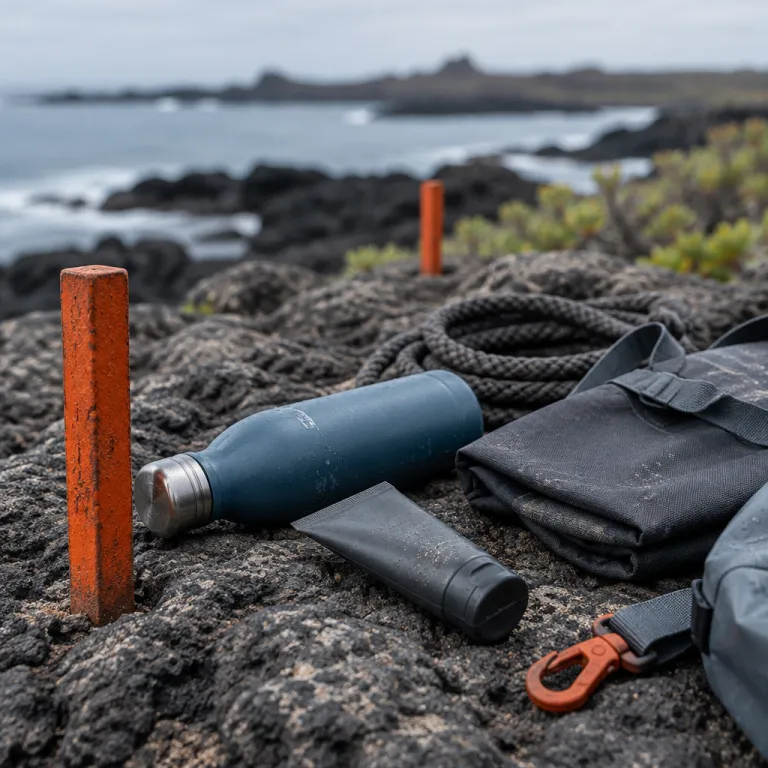
Smart packing is another quiet act of respect. A thoughtful packing list for travelling Galápagos includes closed shoes for rough lava trails, reef safe sunscreen, neutral coloured clothing and dry bags for cameras, but leaves behind fresh food, seeds and any single use plastics that are not authorized. Many luxury hotels on the Galápagos Islands now provide filtered water stations, reusable bottles and natural fibre beach bags, reducing waste while still delivering a polished guest experience.
Some of the most conservation focused properties on Floreana Island and other inhabited islands go further, coordinating luggage transfers between Quito Guayaquil and the islands to minimise excess weight on each galapagos flight. When you book, ask how they handle biosecurity, whether they brief guests on galapagos biosafety rules and how they work with the national park on waste management. For a deeper look at refined escapes that balance remoteness with responsibility, consider this overview of luxury stays on remote Floreana Island.
Where your entrance fee goes and how to choose truly responsible stays
Many first time visitors quietly flinch at the national park entrance fee, especially when it is added to the cost of a premium hotel or galapagos cruise. The galapagos national park rules for visitors are explicit about how this entrance fee is allocated, with funds directed to conservation projects, park rangers, community education and the management of protected marine areas. When you understand that your fee supports both wildlife protection and local livelihoods, it stops feeling like a tax and starts to feel like a membership to a shared responsibility.
Choosing where to sleep is your most powerful sustainability decision. Land based galapagos travel spreads economic benefits across the inhabited islands, while small expedition yachts limit group sizes and reduce pressure on any single site within the national park. Look for properties that publish clear environmental policies, participate in waste reduction programmes and work with authorized local tours rather than improvising unregulated excursions.
Ask direct questions before you book. Will your hotel provide refillable amenities instead of single use plastics, and will they brief you on park rules at check in ? Do they employ qualified naturalist guides who are accredited by the Galápagos National Park, and do they cap group sizes to protect animals from crowding ? The most trustworthy operators welcome these questions because they see guests as partners in protecting the islands.
If your stay includes diving or extended time at sea, align your choice of yacht with your values as carefully as you choose your suite. Some vessels now publish fuel consumption data, invest in advanced waste treatment systems and coordinate itineraries to reduce overlap at sensitive sites, all in line with galapagos national park rules for visitors. For a curated look at how high end diving and liveaboards can still respect the elements of the ecosystem, explore this feature on diving in style from luxury hotels and liveaboards.
On the ground: trails, guides and being the guest the islands deserve
Once you are in the field, the galapagos national park rules for visitors become a lived experience rather than a list. You walk only on marked trails, follow your guide’s instructions and keep that two metre buffer from wildlife, even when a marine iguana chooses the middle of the path as its resting place. Flash photography is prohibited, drones are banned and feeding animals is strictly forbidden, because each of these actions can alter behaviour in ways that are hard to reverse.
Guides are not there to entertain you ; they are the human interface between visitors and a fragile national park. Every authorized guide has been trained in the natural history of the islands, the specific rules Galápagos enforces and the latest research on how tourism affects wildlife. When they ask you to step back, lower your voice or wait for another group to clear a viewpoint, they are applying that expertise in real time.
For solo travellers used to moving independently, this level of structure can feel restrictive at first. Yet many guests report that the rhythm of guided walks, timed landings and carefully managed tours creates a deeper sense of immersion, because you are never worrying about logistics or whether you are breaking an unseen rule. Instead, you can focus on the quiet details ; the way a frigatebird’s throat pouch inflates, the sound of waves on black lava, the subtle shift in light as clouds move across the islands.
Back at your hotel, being a low impact guest is about small, consistent choices. You reuse towels, limit water consumption, respect quiet hours and support local businesses in town rather than relying solely on cruise based services. When you read an article or a property description that treats the galapagos national park rules for visitors as optional, you have your answer ; choose somewhere else, because the most rewarding luxury in Ecuador Galápagos is knowing your presence helped keep the islands wild.
Field notes for packing, insurance and planning a low impact itinerary
Thoughtful planning is the final layer of being a genuinely low impact visitor. Start with travel insurance that covers medical emergencies, evacuation and trip interruptions, because the national park’s remote islands and strict rules mean you cannot always reach care quickly. Some policies now reference specific requirements for Ecuador Galápagos, so read the conditions carefully and carry digital copies of your documents.
Your packing list should be short, functional and aligned with galapagos national park rules for visitors. Prioritise lightweight clothing in neutral colours, a wide brimmed hat, reef safe sunscreen, reusable water bottles and dry bags for cameras, while avoiding disposable plastics and unnecessary packaging. Closed shoes with good grip are essential for lava trails, and a compact daypack keeps your hands free on steep paths where you must watch both your footing and the wildlife around you.
When planning your route between Quito Guayaquil and the islands, build in buffer time on the mainland to handle the transit control process calmly. Arriving a day early allows you to obtain your transit control card, clear galapagos biosafety checks and review any last minute requirements without rushing, which is especially helpful if you are connecting to a galapagos cruise with a fixed departure. This also gives you time to adjust to altitude in Quito or enjoy the coastal atmosphere in Guayaquil before flying to the islands.
Finally, design your itinerary with rest days and slower rhythms, not just back to back tours. Alternating guided excursions with quiet afternoons at your hotel terrace or a walk through town reduces pressure on popular sites and gives you space to absorb what you have seen. The galapagos national park rules for visitors are ultimately about time ; giving animals, ecosystems and communities enough of it to adapt, recover and continue thriving long after your own journey home.
FAQ
Why do I have to stay two metres from wildlife in the Galápagos ?
The two metre distance rule protects wildlife from stress and behaviour changes caused by close human presence. By staying back, you allow animals to feed, rest and interact naturally, which is why they often appear relaxed around visitors. This rule is enforced across all guided tours and landing sites within the Galápagos National Park.
What is the Galápagos transit control card and do I really need it ?
The transit control card is a mandatory document issued at Quito or Guayaquil airports before you fly to the islands. It allows authorities to track who enters and leaves, helping manage visitor numbers and enforce immigration and biosecurity rules. Without this card, you will not be allowed to board your Galápagos flight or enter the national park.
How much is the Galápagos National Park entrance fee and where does it go ?
The Galápagos National Park entrance fee is 200 US dollars per person, payable on arrival in cash. This fee funds conservation projects, park ranger salaries, environmental education and community initiatives that support sustainable tourism. Paying it is a direct contribution to protecting the islands’ ecosystems and the people who care for them.
Is a luxury cruise or a land based stay better for low impact travel ?
Both small expedition cruises and well managed land based stays can be low impact if they follow park rules and support local communities. Cruises reach remote sites efficiently with controlled group sizes, while island hotels spread economic benefits and allow slower, more immersive experiences. The key is choosing operators with clear sustainability practices and accredited naturalist guides.
What should I avoid packing for a trip to the Galápagos Islands ?
You should avoid bringing fresh fruits, vegetables, seeds, untreated wood and any soil that could carry invasive species. Single use plastics, such as disposable water bottles and plastic bags, are also discouraged because they create waste management challenges on remote islands. Stick to reusable items, reef safe toiletries and clothing that will not shed large amounts of synthetic fibres.
Sources
Galápagos Conservancy ; Galápagos National Park Directorate ; Real Dreams Ecuador.