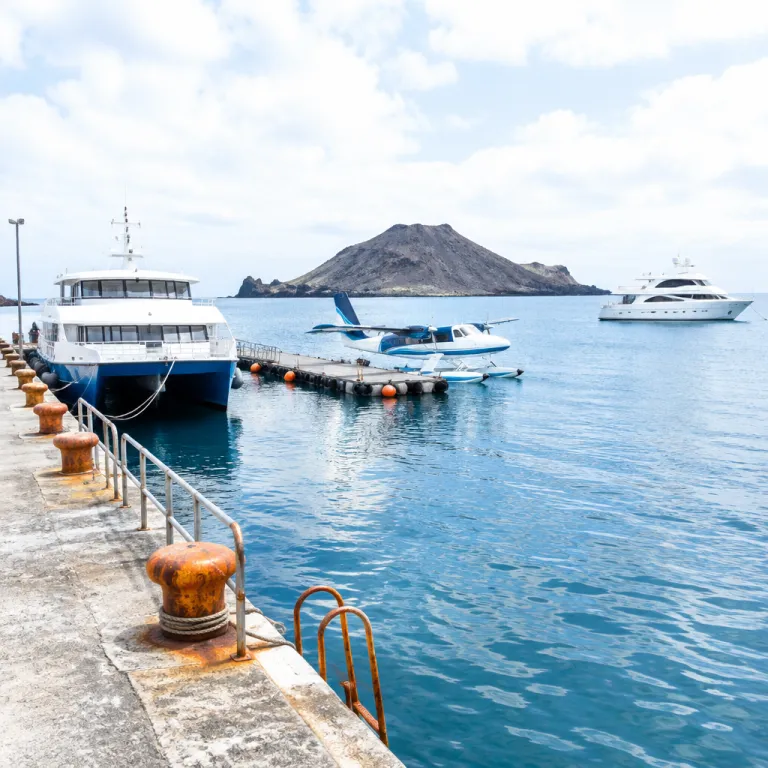
How galapagos inter island transport shapes a luxury family itinerary
Galápagos inter island transport is not background logistics, it is the spine of your stay. The way you move between each island will dictate how rested your children feel, how many hours you actually spend in the water, and which luxury or premium hotel becomes your base on each shore. Think of transportation as part of the experience, not just the cost between two reservations.
Most premium family itineraries orbit around Santa Cruz island, because Puerto Ayora is the main hub for ferries, air taxis and day trips across the Galápagos islands. From here, you can reach Isabela island, San Cristóbal island and even quieter corners such as Floreana on regular Galápagos ferry routes, while still returning to a refined hotel with a pool and reliable hot water. This hub and spoke reality means your choice of hotel in Santa Cruz will influence every later decision about ferries, flights and private charters.
For families planning several islands, the logical sequence usually runs Baltra island airport to Santa Cruz, then onward by public speedboat services to Isabela or San Cristóbal, before looping back through Puerto Ayora again. Because there is no direct ferry between Isabela and San Cristóbal, you either accept a long day at sea via Santa Cruz or you pivot to flights on small prop planes. Understanding this early lets you buy tickets, secure the right rooms and avoid wasting precious hours in transit instead of snorkeling with sea lions.
Ferry versus flight: cost, comfort and sea conditions for families
Speedboat ferries are the backbone of public Galápagos inter island transport, linking Santa Cruz, Isabela and San Cristóbal. As of recent operator schedules, typical fares range from roughly 30 to 40 US dollars per person one way, but prices and departure times can vary by season and company, so always confirm current details with your hotel or a trusted local agency. Crossings usually take about two to two and a half hours, with standard departure times around 07:00 and 14:00 from Puerto Ayora and the other main ports. For a family of four, that price difference versus flights is significant, especially when you multiply it across several islands.
On the water, though, comfort is not guaranteed, and this is where premium travelers need to be honest with themselves and their children. The open ocean between each island can be choppy, and even a well run Galápagos ferry will feel rough if the swell builds, so motion sickness tablets and a light breakfast are wise. When the sea is calm, the ride between Santa Cruz and Isabela island or between Santa Cruz and San Cristóbal island can feel like a brisk, salty commute, but on bad days it can be a test of endurance.
Air taxi flights with small regional operators change the equation, especially on the long Isabela to San Cristóbal route that otherwise requires a nine hour detour via Santa Cruz. These Britten Norman Islander style planes usually seat five to nine passengers, often cost in the region of 150 to 200 US dollars per person and cut that crossing to roughly forty minutes. For families staying in higher end hotels, the extra cost often feels justified when you weigh it against a full day of ferry travel, tired children and one less relaxed evening on a terrace in Puerto Ayora or on San Cristóbal island after arrival.
Weather and sea conditions also influence whether you choose ferries or flights, particularly during stronger El Niño patterns that can alter currents and wind. If you are planning a trip during a period of unusual marine conditions, it is worth reading specialist guidance such as this analysis of how El Niño affects wildlife watchers in the Galápagos. Understanding the likely sea state helps you decide whether your children will handle a two hour crossing or whether a short hop by air will preserve everyone’s energy.
Quick comparison for families
- Cost: ferries are usually the lowest priced option per person; flights and private charters sit at the premium end.
- Travel time: ferries take around two to two and a half hours per leg; small planes cover the same distance in under an hour.
- Luggage: boats are relatively flexible; air taxis apply strict weight limits and may charge for excess bags.
- Motion sickness risk: higher on speedboats in rough seas; generally lower on short flights, though some passengers dislike small aircraft.
Why Puerto Ayora is the strategic hub for luxury stays and day trips
Puerto Ayora on Santa Cruz island is not just another port, it is the operational heart of Galápagos inter island transport. Almost every regular speedboat route passes through here, and most air taxi schedules are built around connections with Baltra island flights from mainland Ecuador. For luxury and premium hotel guests, that concentration of transportation options translates into flexibility and fewer compromises.
From Puerto Ayora, you can board a Galápagos ferry to Isabela island in the morning, return in the afternoon, or continue onward the next day to San Cristóbal island, depending on the schedule. Many families choose to base themselves first in a comfortable hotel here, then add day trips to Bartolomé island, North Seymour or Santa Fé, keeping longer inter island moves for later in the itinerary. This approach lets children adjust to the rhythm of the islands while parents fine tune which ferry tickets or flights to buy once they have a feel for the sea conditions and their own energy levels.
The town also acts as a crossroads between more remote experiences and polished comforts, which matters if you are considering a stay on quieter islands such as Floreana. Before committing to a refined escape there, it is worth reading a detailed guide to luxury stays on remote Floreana in the Galápagos, then mapping how ferries and charters will connect you back through Puerto Ayora. When you understand that almost every route eventually loops through Santa Cruz, you can choose hotels that sit close to the dock, minimize transfer time and turn early morning departures into a short stroll rather than a scramble.
Designing a multi island route: ferries, charters and cruise segments
Once you accept that Galápagos inter island transport is built around a few key hubs, you can design a route that feels elegant rather than exhausting. A classic premium family pattern is Baltra island to Santa Cruz, then Santa Cruz to Isabela island, back to Santa Cruz, and finally onward to San Cristóbal island before flying out. This sequence respects the ferry schedule, avoids backtracking and lets you layer in day trips to Bartolomé island or other uninhabited islands from a comfortable base.
There are moments, though, when public ferries and standard flights are not the most efficient or comfortable option, especially for larger families or multi generational groups. A private charter speedboat between Santa Cruz and Isabela or between Santa Cruz and San Cristóbal can be arranged through high end hotels or local agencies, giving you control over departure times and a more spacious deck for children. The cost is higher than regular ferry tickets, but when divided across several people and weighed against the value of a calm, customized crossing, it can make sense.
Some travelers also weave a short cruise segment into a land based itinerary, using a small expedition yacht to reach more distant sites while still returning to favorite hotels before and after. If you are considering this hybrid approach, it is worth reading in depth guidance on luxury stays at the heart of the Galápagos whale shark ecosystem, then aligning embarkation and disembarkation ports with your chosen islands. The key is to let transportation serve your wildlife priorities, not the other way around, so that every ferry, flight or charter feels like a deliberate step in a well crafted journey.
Practical booking tips: schedules, luggage and family comfort
When you start booking Galápagos inter island transport, think like a hotel concierge and a parent at the same time. Morning ferries are usually calmer and more punctual, so aligning your Santa Cruz to Isabela or Santa Cruz to San Cristóbal crossings with early departure times can spare your children the worst of the heat and swell. Many operators publish a basic schedule online, but final confirmation often happens locally, so build in a margin of time around each connection.
For flights on small prop planes, luggage limits are strict and enforced, which matters if your family is carrying snorkel gear, camera equipment and the inevitable extra bag of children’s essentials. Before you buy tickets, check the weight allowance per person and ask your hotel whether they can store a suitcase in Puerto Ayora or on San Cristóbal island while you hop to Isabela island for a few nights. This simple step can turn a cramped cabin into a comfortable one and keep the cabin crew relaxed about your bags.
Communication with local operators is increasingly handled through email or messaging apps, and many families appreciate being able to confirm ferry tickets or charters via a quick message while already on the islands. Even so, it is wise to secure key segments, such as Baltra island to Santa Cruz or Santa Cruz to Isabela, before arrival during peak holiday periods. Treat every crossing as a core part of your itinerary, not an afterthought, and your time in the Galápagos islands will feel like a seamless sequence of swims, walks and quiet evenings rather than a puzzle of last minute logistics.
FAQ
Is it better to use ferries or flights between the main islands ?
Ferries are far cheaper than flights and connect Santa Cruz, Isabela and San Cristóbal in about two to two and a half hours per leg. Flights on small prop planes cost several times more per person but are faster and more comfortable, especially on the long Isabela to San Cristóbal route. For many luxury travelers, a mix of ferries for shorter hops and flights for the longest crossing offers the best balance.
How far in advance should I book inter island transport in the Galápagos ?
For peak holiday periods and school vacations, you should book key ferry segments and any inter island flights several weeks in advance. Outside those windows, you can often secure tickets a few days ahead, but do not rely on last minute availability for larger families. Private charters and cruise segments should always be arranged well before arrival, ideally when you confirm your hotels.
Are ferries in the Galápagos suitable for young children and older travelers ?
Many families and older travelers use ferries safely, but the crossings can be bumpy and require stepping from dock to boat with some agility. If your children are very young or someone in your group has limited mobility or a history of severe motion sickness, consider prioritizing flights for the rougher routes. When you do take ferries, choose morning departures, sit near the stern and bring motion sickness remedies.
Can I visit several islands while staying mainly in one luxury hotel ?
Yes, you can base yourself in a well located hotel on Santa Cruz or San Cristóbal and use day trips to reach nearby uninhabited islands and snorkeling sites. This works well for families who prefer to unpack once and avoid frequent hotel changes. If you want to sleep on multiple inhabited islands, though, you will need to combine ferries, flights or charters and plan your route carefully.
Is a private charter worth the cost in the Galápagos ?
For larger families or groups who value comfort, privacy and flexible departure times, a private speedboat or small plane charter can be worthwhile. The per person cost drops as you fill more seats, and the experience is usually calmer and more tailored than public transport. Charters also allow you to align crossings precisely with hotel check in and check out times, which keeps the whole day feeling relaxed.