How a very strong El Niño reshapes the Galápagos marine experience
El Niño is a recurring Pacific climate pattern where trade winds weaken and warm surface water spreads eastward toward South America. In the Galápagos, that shift pushes aside the usually nutrient rich currents that feed the marine ecosystem, so ocean temperatures rise and food chains tighten. For travelers planning a galápagos trip focused on wildlife, this nino event changes what you see in the water and how you should plan.
Scientists tracking the current nino galapagos phase report ocean temperatures around the islands about 2.2 °C above normal, a level classed as a very strong nino. Warmer ocean conditions reduce plankton and algae, which means fewer small fish and more stressed marine species such as marine iguanas, sea lions and Galápagos penguins. When the eastern Pacific warms this quickly, the entire galapagos marine food web feels the impact, from surface water to deeper reefs.
On land, many iconic wildlife encounters remain reliable, so galapagos travel still offers powerful natural experiences. Giant tortoises in the highlands of Santa Cruz and Isabela, land iguanas on South Plaza, and nesting waved albatross on Española are less exposed to short term marine changes. The sharper effects of this strong nino sit in the ocean ecosystem, where marine species must adapt to warmer conditions and reduced food.
For luxury travelers choosing between high end lodges and galapagos cruises, the key question now is how operators respond to these changes in the marine ecosystem. The best properties work closely with naturalist guides and local scientists to adjust tours, timing and sites as ocean conditions evolve. That collaboration helps ensure your marine experience remains rich while respecting the limits of stressed wildlife.
Expect itineraries that pivot more toward resilient sites, such as cooler upwelling zones where nutrient rich water still reaches the surface. Some cruises are already shifting snorkeling from exposed western coasts to channels where marine species concentrate as food becomes scarce. A well briefed guide will explain why a bay that teems with sea lions one month may feel quieter the next, and how that reflects the wider nino events across the eastern Pacific.
Reaching the archipelago in comfort still matters, especially when you want to arrive rested for early morning marine tours. If you are weighing premium flight routings through Ecuador and private transfers to your ship or lodge, consult a specialist guide to getting to the Galápagos in style. A seamless arrival means you can focus your energy on understanding how this El Niño shapes the galapagos islands rather than recovering from the journey.
Which wildlife encounters will change in the water, and which will not
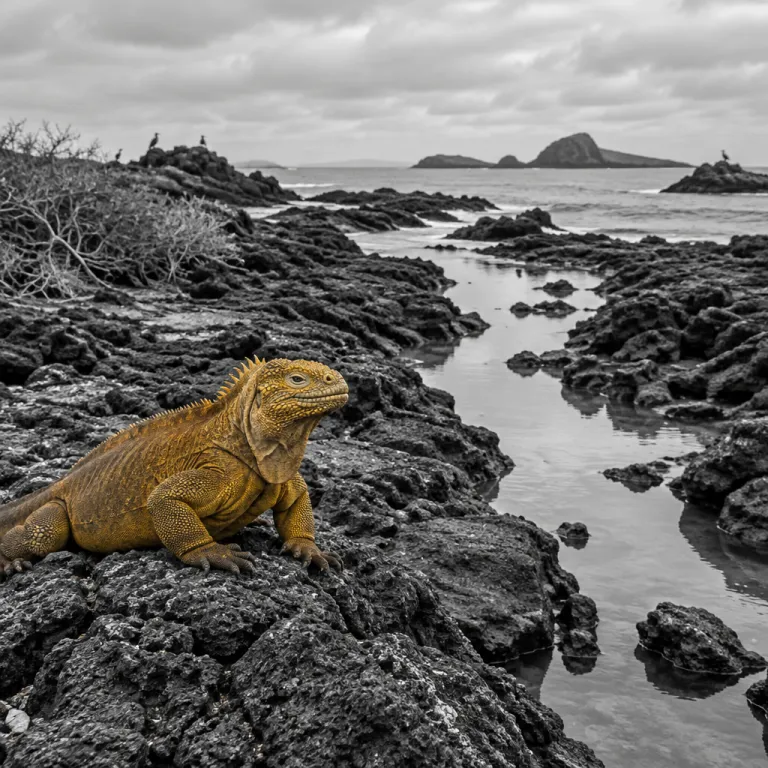
The sharpest shifts in galapagos el nino 2026 wildlife are happening below the surface, where warmer water alters behavior and survival. Marine iguanas, which normally graze on cold water algae, struggle when ocean temperatures stay high and algae thins, so you may see thinner iguanas and fewer long feeding dives. Sea lions face similar pressure as small fish move deeper or leave the islands, which can mean more restless colonies and fewer playful pups around snorkeling groups.
During a strong nino, some marine species retreat to pockets where cooler currents still bring nutrient rich water to the coast. Your guide may time tours to coincide with these pulses of productivity, choosing channels off Isabela or Fernandina where galapagos marine life concentrates. Expect more emphasis on interpreting subtle behavior changes rather than chasing dense aggregations of wildlife in every bay.
Not every highlight of a galapagos trip depends on stable ocean conditions, which is why the islands remain compelling even in challenging years. Land based wildlife such as giant tortoises, Darwin’s finches and mockingbirds continue their cycles with less direct impact from the nino event. For many travelers, walking through misty highland forests among grazing tortoises offers an experience as powerful as any ocean encounter.
Luxury hotels on Santa Cruz and San Cristóbal are responding by curating more balanced itineraries that mix marine excursions with highland hikes and cultural visits. When ocean conditions are less predictable, a morning with tortoises followed by an afternoon at a research center can be more rewarding than a second snorkel in turbid water. This shift also reduces pressure on stressed marine species while still delivering a sense of the archipelago’s unique ecosystem.
For guests whose priority is diving with sharks, rays and schooling fish, operator choice now matters more than ever. Look for partners whose naturalist teams track real time ocean temperatures and plankton data, then adjust dive plans accordingly. Our detailed guide to Galápagos diving experiences from luxury hotels and liveaboards explains which vessels and lodges maintain that level of scientific awareness.
Even with a strong nino, certain sites such as Darwin and Wolf can still deliver dramatic pelagic encounters, though timing and currents become more critical. Closer to the central islands, divers may find fewer large schools but more intimate moments with individual turtles, rays or curious sea lions. The essence of galapagos travel in these years is accepting that wildlife writes the script, while you choose operators who read the ocean well.
How to choose luxury stays and tours that support a stressed marine ecosystem
For high end travelers, the most meaningful response to galapagos el nino 2026 wildlife pressures is to book with operators who put conservation first. Ask how your preferred lodge or yacht contributes to monitoring the marine ecosystem, from funding research on marine iguanas to supporting sea lions rehabilitation programs. Properties that work with the Charles Darwin Foundation or Galápagos National Park often have clearer protocols for minimizing disturbance during tours.
On board, the real luxury is often the naturalist guide who can decode subtle signs of stress in marine species. A strong nino changes how long animals can spend feeding, how close they tolerate humans and which bays remain safe resting areas, so guides should be trained to adapt in real time. When ocean temperatures spike, responsible teams shorten in water sessions around vulnerable colonies and shift snorkeling to less sensitive sites.
Hotel design also plays a role in easing pressure on the galapagos islands during intense nino events. Properties that manage water use carefully, treat wastewater before discharge and limit shoreline lighting help protect both the ocean ecosystem and nesting wildlife. Guests can support this by choosing stays that publish clear sustainability metrics rather than vague green claims.
Some of the most forward thinking galapagos marine operators now integrate briefings on El Niño science into evening talks. These sessions explain how trade winds, surface water warming and shifting currents interact, giving travelers a deeper understanding of what they see on daily tours. That context turns a quiet snorkeling site into a live lesson in climate and resilience rather than a disappointment.
When planning late 2026 and early 2027 itineraries, consider splitting time between a small expedition yacht and a conservation focused lodge. This combination lets you experience remote marine sites while also supporting land based projects that buffer the ecosystem against future nino events. Our guide to diving escapes for luxury travelers seeking extraordinary marine encounters highlights operators already adjusting to warmer ocean realities.
The honest outlook is clear : El Niño will continue to bring cycles of stress to the eastern Pacific, and this very strong phase is no exception. Yet for travelers who choose carefully, a galapagos trip during a nino galapagos year can still offer profound wildlife experience while channeling money and attention toward the protection of these islands. The question is not whether you will see wildlife, but whether your presence helps the marine ecosystem weather the changes now unfolding in the ocean.