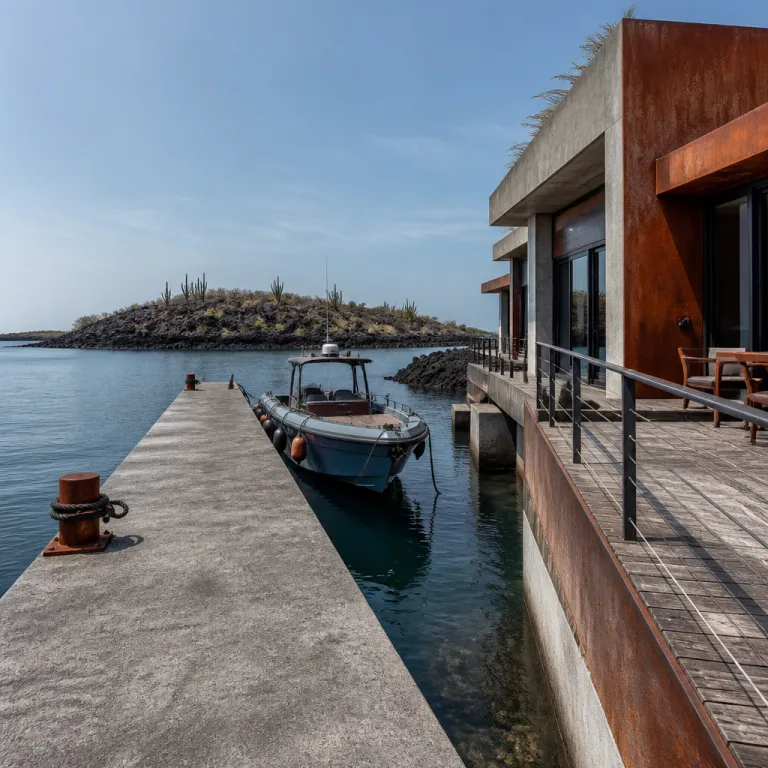
Planning how to get to Galápagos for a luxury stay
Understanding how to get to Galápagos is the first step toward a refined island escape. The Galápagos Islands sit about 1 000 km off mainland Ecuador, so every flight, airport transfer, and hotel booking will shape the rhythm of your trip. When you plan your travel with care, you protect your time and elevate every moment of your stay in the islands.
All international flights arrive first in mainland Ecuador, usually at Mariscal Sucre International Airport in Quito or José Joaquín de Olmedo International Airport in Guayaquil. There are no direct flights to the Galápagos Islands from any other country in South America or beyond, so your flight will always connect through one of these two cities. This routing between Quito, Guayaquil, and the islands Galápagos is central to every luxury itinerary, whether you stay on a single island or combine several.
For most travelers, the most comfortable way to visit Galápagos is to arrive in Ecuador at least one day before the Galápagos flight. This extra day gives you time to adjust, enjoy a premium hotel in Quito or Guayaquil, and avoid stress if an earlier flight is delayed. It also allows you to coordinate seamlessly with your chosen luxury hotel or Galápagos cruise, which will often arrange private transfers from the airport to your ship or to your island property.
When you compare Quito and Guayaquil, think about both travel time and style. Quito sits in the Andes at over 2 800 m, so the flight from Quito to the Galápagos Islands usually takes around 2 hours, while flights from Guayaquil are slightly shorter. Many luxury travelers choose a Quito–Guayaquil routing, flying into Quito first for culture and gastronomy, then taking a short domestic flight to Guayaquil before they fly onward to the islands.
Because flights Galápagos are limited and depart only from mainland Ecuador, premium cabins and flexible fares sell out quickly. You should secure your flight as soon as you confirm your hotel or Galápagos cruise dates, especially if you plan to travel during school holidays. Aligning your international flight, your domestic flight, and your island transfers will protect your first day in the archipelago from unnecessary waiting at the airport.
Luxury hotels in Ecuador Galápagos often work closely with airlines and local operators to coordinate every segment of your trip. When you book a high end property on Santa Cruz Island or San Cristóbal Island, the concierge will usually ask for your flight details so they can arrange a private driver, a dedicated host at the airport, and sometimes even a VIP lounge. This level of planning turns the question of how to get to Galápagos from a logistical challenge into a smooth, curated journey.
From international airport to island runway: routes, codes, and key procedures
Once you understand that every trip passes through mainland Ecuador, the next step in how to get to Galápagos is choosing your domestic route and airport. There are two main airports in the islands Galápagos that handle commercial flights, and each one connects you to different luxury experiences. Your choice will influence which island you stay on first, which cruise you board, and how long you spend in transit on arrival day.
Most flights Galápagos land either at Seymour Airport on Baltra Island, which serves Santa Cruz Island, or at San Cristóbal Airport on San Cristóbal Island. Seymour Airport is the main gateway for travelers heading to Santa Cruz and the lively town of Puerto Ayora, where many premium hotels and yacht departures are based. San Cristóbal Airport is ideal if your Galápagos cruise or luxury lodge starts on the eastern side of the archipelago and you prefer a quieter first night.
When you book your flight, pay attention to the airport code and the schedule. Airlines from Quito and Guayaquil usually operate morning flights, so you will often leave the mainland around 07:00–10:00 and arrive in the islands by late morning. This timing allows you to reach your hotel on Santa Cruz or San Cristóbal in time for a relaxed lunch and an afternoon walk, instead of spending the day in transit.
Every traveler must obtain a tourist transit control card before boarding the flight from mainland Ecuador to the Galápagos Islands. You pay the fee at a dedicated counter in Quito or Guayaquil, where officials issue the control card and register your itinerary for transit control purposes. This step is mandatory for all visitors and helps the Ecuadorian Government manage who enters and leaves the Galápagos National Park.
After you receive your transit control card, your luggage passes through a special inspection by the Galápagos Biosecurity Agency. This process protects the Galápagos National Park from invasive species and is stricter than standard airport security, so allow extra time before your flight. Luxury travelers should avoid packing fresh food, seeds, or untreated wooden items, as these can delay your bags and disrupt your carefully timed day.
On arrival at Seymour Airport or San Cristóbal Airport, you will pay the Galápagos National Park entrance fee at the immigration area, following the latest official guidance from the Galápagos National Park Directorate. As regulations and prices can change, always verify the current fee on the Directorate’s official website before departure. Once formalities are complete, your hotel or cruise representative will meet you just outside the small airport building and guide you toward your next transfer, often a private vehicle or reserved boat.
For travelers heading to Santa Cruz Island, the journey from Seymour Airport includes a short bus ride, a quick channel crossing by ferry, and then a drive across the island to Puerto Ayora. Many premium properties in the Santa Cruz highlands offer private transfers along this route, turning a simple transfer into a scenic introduction to lava tunnels and Scalesia forests; for an in depth look at this landscape, consult this guide to the Santa Cruz highlands. Guests staying in town will usually be driven directly to their hotel, where check in is timed to match the arrival of the morning flight.
Choosing between a Galápagos cruise and luxury island stays
How to get to Galápagos also depends on whether you choose a Galápagos cruise, a land based stay, or a combination of both. Each style of trip uses the same airports and flights, but the way your time unfolds on each island will differ. Understanding these differences helps you match your travel style to the right kind of luxury.
A Galápagos cruise is ideal if you want to wake up near a different island every day and maximize wildlife encounters. Expedition vessels and high end yachts usually start from either Santa Cruz Island, via Baltra and Puerto Ayora, or from San Cristóbal Island, where the port is only a short drive from the airport. Cruise operators coordinate closely with airlines, so your flight from Quito or Guayaquil will be timed to allow same day embarkation.
Land based luxury stays focus on slow travel, deeper rest, and more flexible daily planning. Premium hotels on Santa Cruz, San Cristóbal, and occasionally on other inhabited islands offer elegant suites, fine dining, and curated day trips by yacht or speedboat. This style suits travelers who prefer to unpack once, enjoy spa treatments, and choose each day whether to explore or simply watch the ocean from their terrace.
Many discerning guests now combine a short Galápagos cruise with several nights in a high end hotel. You might fly from Quito to Seymour Airport, board a four night cruise that visits remote islands, then return to Santa Cruz Island for three nights in a luxury lodge overlooking the highlands. This hybrid approach balances the intensity of daily landings with the comfort of spacious rooms and unhurried evenings.
Photography enthusiasts often favor longer land based stays on Santa Cruz or San Cristóbal, where they can revisit favorite sites at different times of day. When you are not tied to a cruise schedule, you can plan golden hour excursions, private yacht charters, or guided walks that focus on a single species. For inspiration on pacing your stay, consider this perspective on slow photography in the Galápagos, which aligns perfectly with the ethos of luxury travel.
Whichever option you choose, your hotel or cruise line will help you coordinate flights Galápagos from mainland Ecuador. They will usually recommend specific flight numbers from Quito or Guayaquil that match their check in and embarkation times, reducing the risk of missed connections. When you book through a specialized luxury and premium hotel booking website in the Galápagos Islands, these details are often bundled into curated packages that include airport transfers, park fees guidance, and pre and post cruise stays.
For travelers who value privacy, chartering a small yacht for a private Galápagos cruise combined with a secluded villa on Santa Cruz Island or San Cristóbal Island can be the ultimate expression of how to get to Galápagos in style. Your travel planner will align every flight, transfer boat, and check in time so that you move from international airport lounge to yacht deck or infinity pool with minimal waiting. This level of orchestration is where expert knowledge of the islands Galápagos truly enhances the experience.
Designing a refined route from Quito–Guayaquil to Santa Cruz and San Cristóbal
Once you have chosen between cruise, land stay, or both, the next layer in how to get to Galápagos is designing your route through Quito, Guayaquil, Santa Cruz, and San Cristóbal. Each city and island offers a different mood, and the order in which you visit them will shape your sense of rhythm. Thoughtful sequencing can turn a simple trip into a narrative that builds from urban elegance to wild isolation.
One popular route begins with two nights in Quito, where you can stay in a luxury property near the historic center before flying onward to the Galápagos Islands. From Quito, you fly to Seymour Airport, transfer across Baltra Channel, and drive to Puerto Ayora on Santa Cruz Island, where many high end hotels line the waterfront or hide in the highlands. After several days of excursions, you might then take an inter island flight or boat to San Cristóbal Island for a quieter finale.
Another refined option is to route your travel through Guayaquil, which sits at sea level and offers a gentler climate than high altitude Quito. Many travelers who are sensitive to altitude prefer to fly into Guayaquil first, spend a night in a premium riverside hotel, and then take a short morning flight to the islands Galápagos. From there, you can still connect easily to Santa Cruz, San Cristóbal, or a waiting Galápagos cruise.
For those who want to weave mainland culture into their journey, combining Quito–Guayaquil with the Galápagos Islands creates a rich contrast. You might spend time exploring Andean markets and colonial plazas before descending to Guayaquil for a final night of coastal cuisine and Malecón views. The next day, a morning flight carries you over the Pacific to Seymour Airport, where the dry air and volcanic landscape signal a new chapter in your trip.
Luxury and premium hotel booking platforms that specialize in Ecuador Galápagos often curate themed itineraries that link city stays with island adventures. A “refined journey from Quito to the Galápagos” might include private museum tours, chef led tastings, and then a seamless transition to a high end lodge on Santa Cruz or a yacht cabin on a Galápagos cruise; for a detailed example of such an approach, review this guide to an elegant journey from Quito to the Galápagos. These curated routes ensure that every flight, transfer, and check in supports the overall story of your trip.
When planning your timing, remember that flights from Quito often stop briefly in Guayaquil before continuing to the Galápagos Islands. This Quito–Guayaquil combination can be efficient, but it also means you spend more time in the air on travel day. If you prefer a shorter flight, you can arrange a separate domestic flight from Quito to Guayaquil the previous day, then stay overnight before boarding your Galápagos flight the next morning.
Whichever route you choose, align your arrival time in the islands with your first planned activity. If you are boarding a Galápagos cruise, you will usually embark shortly after landing, so a morning flight is essential. If you are checking into a luxury hotel in Puerto Ayora or on San Cristóbal Island, arriving by late morning or early afternoon allows you to settle in, enjoy the property, and perhaps take a gentle walk before dinner.
Entry formalities, transit control, and protecting your time
Understanding formalities is a crucial part of how to get to Galápagos, especially for travelers who value efficiency and comfort. The Ecuadorian Government has created a layered system of transit control to protect the fragile ecosystems of the Galápagos National Park. When you know each step in advance, you can move through the process smoothly and keep your focus on the experience rather than the paperwork.
Before you check in for your flight from Quito or Guayaquil to the islands Galápagos, you must obtain a tourist transit control card. Current official guidance from the Galápagos Government Council states that visitors should “pay the tourist transit card fee before check-in.” This card records your itinerary and is checked again when you leave the islands, so keep it with your passport at all times during your trip.
After you receive the control card, your luggage goes through a dedicated inspection by the Galápagos Biosecurity Agency. Officers look for fresh produce, seeds, soil, and other items that could introduce invasive species to any island, from Santa Cruz to San Cristóbal. This inspection can take extra time on busy days, so luxury travelers should arrive at the airport earlier than they would for a standard domestic flight.
On arrival at Seymour Airport or San Cristóbal Airport, you will proceed to immigration and the Galápagos National Park fee counter. The Galápagos National Park Directorate publishes the official entry fee on its website, and travelers should always confirm the current amount there before departure, as regulations and prices can change. Once you have paid, officials will stamp your passport and allow you to collect your luggage, where your hotel or cruise representative will be waiting.
Because every traveler must follow the same transit control steps, the real luxury lies in how well your hotel or cruise team manages the details. High end properties in Puerto Ayora, Santa Cruz highlands, or on San Cristóbal Island often send staff to meet you just outside the arrivals area, handle your bags, and guide you through the remaining transfers. This support is especially valuable after a long flight from South America or beyond, when your energy is limited and you want to reach your room quickly.
To protect your time, schedule your international flight so that you arrive in Quito or Guayaquil at least one day before your Galápagos flight. Official recommendations from Ecuadorian tourism authorities echo this advice and note that arriving the previous day significantly reduces the risk of missed connections. This buffer day absorbs any delays, allows you to rest in a premium city hotel, and ensures you reach the transit control counter relaxed and unhurried.
Health considerations also play a role in how to get to Galápagos, especially for longer trips that combine several regions of Ecuador. Public health agencies and travel clinics advise visitors to consult their healthcare provider for recommended vaccinations and health advice before departure. Luxury travelers often build a pre trip consultation into their planning, particularly if they intend to extend their stay in other parts of South America before or after visiting the islands.
Aligning luxury hotel bookings with island logistics
For travelers using a luxury and premium hotel booking website, how to get to Galápagos is inseparable from where you choose to stay. The geography of the islands Galápagos means that each hotel’s location, from Puerto Ayora to remote highland lodges, will influence your daily transfers and overall sense of ease. Aligning your bookings with flight times and port access is the key to a seamless experience.
On Santa Cruz Island, many high end properties cluster around Puerto Ayora, the main town and port. Staying here places you close to the pier for day cruises, inter island boats, and evening strolls along the waterfront, while still allowing quick access by vehicle to the highlands and to sites within the Galápagos National Park. If you prefer more privacy, several luxury lodges sit in the Santa Cruz highlands, where cooler temperatures and forest views create a retreat like atmosphere.
San Cristóbal Island offers a different rhythm, with smaller towns and a more relaxed pace. Premium hotels here often overlook sheltered bays where sea lions rest on the sand, and the airport is only a short drive from most properties. This makes San Cristóbal an excellent choice for travelers who want minimal transfer time between flight, hotel, and first walk along the shore.
When you book through a specialized platform, look for itineraries that clearly state which airport you will use and how long each transfer will take. A well designed plan will indicate whether you fly into Seymour Airport for Santa Cruz or directly into San Cristóbal Airport, and how your luggage will be handled between the airport, ferry, and hotel. This level of transparency is a hallmark of trustworthy providers in the Ecuador Galápagos market.
For guests planning a Galápagos cruise combined with hotel nights, pay attention to embarkation and disembarkation ports. If your cruise starts in Puerto Ayora on Santa Cruz Island and ends in San Cristóbal, your booking website should propose hotels on both islands that match your style and minimize backtracking. This approach turns necessary logistics into an elegant progression from one carefully chosen property to the next.
Time of day also matters when aligning flights and hotel stays. Morning arrivals in the Galápagos Islands allow you to check in around midday, enjoy lunch, and perhaps take a guided walk in the afternoon, while late arrivals can compress your first day and leave you tired. A good booking platform will recommend specific flights from Quito or Guayaquil that match your preferred check in time and any spa or dining reservations you wish to secure.
Finally, consider how your hotel’s concierge team can support your movements between islands. Some properties on Santa Cruz or San Cristóbal can arrange private speedboats or small aircraft charters to other islands, reducing travel time and increasing comfort. When you evaluate options on a luxury and premium hotel booking website, look for clear descriptions of these services and how they integrate with your overall plan for how to get to Galápagos.
Timing your trip and making the most of every travel day
Beyond routes and hotels, how to get to Galápagos also involves choosing the right time of year and structuring each travel day. The islands Galápagos can be visited year round, but sea conditions, wildlife activity, and visitor numbers shift with the seasons. Luxury travelers often plan around these nuances to secure the best cabins, suites, and guides.
Because flights Galápagos depart mainly in the morning, your travel days have a predictable shape. You will usually wake early in Quito or Guayaquil, reach the airport in time for transit control procedures, and land in the Galápagos Islands by late morning. This pattern means your first afternoon on Santa Cruz or San Cristóbal is precious, and a well chosen hotel can turn those hours into a gentle introduction rather than a blur of transfers.
On departure day, the process runs in reverse, with morning transfers from your hotel or Galápagos cruise back to Seymour Airport or San Cristóbal Airport. You will pass through luggage inspection and exit transit control before boarding your flight to mainland Ecuador, where you may connect onward the same day or stay overnight. Many luxury travelers choose to spend one final night in Quito or Guayaquil, allowing time for a farewell dinner and a relaxed connection to their international flight.
When planning your overall trip length, remember that the distance from mainland Ecuador to the Galápagos Islands is about 1 000 km. This separation from South America’s coast is part of the archipelago’s magic, but it also means that every additional island or cruise segment adds travel time. A stay of at least one week allows you to balance days at sea, days on land, and days in transit without feeling rushed.
Luxury and premium hotel booking websites often present sample itineraries that show how many nights to spend in each location. A balanced plan might include two nights in Quito, five nights split between Santa Cruz Island and San Cristóbal Island, and perhaps a short Galápagos cruise in between. By visualizing each day, from airport transfers to evening cocktails, you can ensure that your schedule supports both exploration and rest.
As eco tourism grows and biosecurity measures become stricter, planning ahead is more important than ever. Official communications from the Galápagos National Park Directorate and the Galápagos Biosecurity Agency highlight trends such as increased eco tourism, stricter biosecurity, and growing popularity of land based tours, all of which affect availability of flights, cruises, and premium rooms. Booking early through a trusted platform gives you access to the best cabins, suites, and guides, and it ensures that every element of how to get to Galápagos aligns with your expectations of comfort and style.
Key figures for planning your Galápagos journey
- The distance from mainland Ecuador to the Galápagos Islands is approximately 1 000 km, according to Lonely Planet, which explains why all access relies on flights rather than ferries.
- The typical flight duration from Quito to the Galápagos Islands is about 2 hours, based on data from Galapagos Travel Center, although some routes include a short stop in Guayaquil.
- The Galápagos National Park entry fee is referenced as 200 USD per person in recent planning materials, but travelers should verify the latest official amount with the Galápagos National Park Directorate before departure and include this cost in their overall trip budget alongside flights and hotel stays.
- Travelers must pay a 20 USD tourist transit control card fee before check in for their Galápagos flight, a mandatory charge that funds transit control systems and visitor management.
- Current guidelines recommend arriving in Ecuador at least one day before your Galápagos flight, which significantly reduces the risk of missed connections due to delays on long haul routes.
Frequently asked questions about how to get to Galápagos
Can I fly directly to the Galápagos Islands from my country ?
No, all flights to the Galápagos originate from mainland Ecuador. You must first fly to Quito or Guayaquil, then take a separate domestic flight to Seymour Airport on Baltra Island or to San Cristóbal Airport.
Do I need to book my Galápagos flights in advance ?
Yes, it's recommended to book flights well in advance due to limited availability. This is especially important for luxury travelers who need specific flight times to match cruise embarkation or premium hotel check in.
How early should I arrive in Ecuador before my Galápagos flight ?
Travel guidelines advise arriving in Ecuador at least one day before your Galápagos flight. This buffer protects you from delays on international routes and gives you time to complete transit control procedures without stress.
What formalities are required before boarding the flight to the Galápagos Islands ?
Before check in, you must obtain and pay for a tourist transit control card, then pass your luggage through a Galápagos Biosecurity Agency inspection. On arrival, you will also pay the Galápagos National Park entrance fee at the airport, following the most recent rules published by the Ecuadorian authorities.
Are there any health precautions I should consider before traveling to the Galápagos ?
Authorities recommend that you consult your healthcare provider for recommended vaccinations and health advice before traveling. This is particularly relevant if you plan to combine the Galápagos with other regions of Ecuador or South America.
