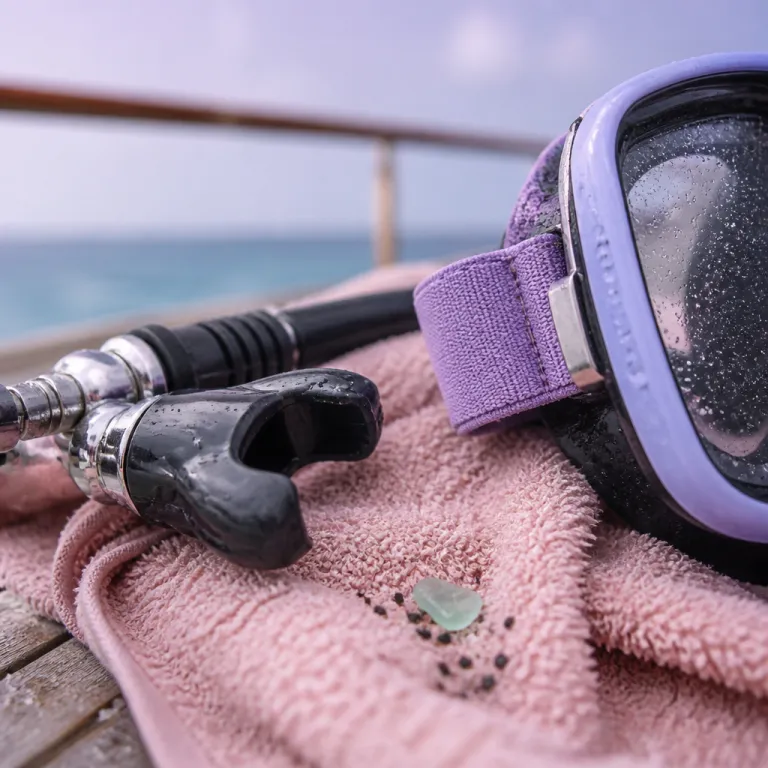
Galapagos diving from luxury bases on santa cruz and san cristobal
Galapagos diving begins long before you roll backward from a boat into the blue. The most rewarding trips start with choosing a refined hotel on Santa Cruz or San Cristóbal Island that understands divers, marine logistics, and conservation priorities. From these islands, you can reach world-class dive sites in efficient travel time while enjoying elevated comfort on land.
On Santa Cruz, many premium properties cluster around Puerto Ayora, placing you close to the main pier for day dives and to Baltra Airport for swift arrivals and departures. Typical transfers from Baltra to Puerto Ayora take about 60 to 90 minutes, combining a short canal crossing and a scenic drive. Staying near Puerto Ayora shortens the time in a transfer boat and maximizes your time in the water at sites such as Gordon Rocks and North Seymour. On San Cristóbal Island, upscale hotels near the waterfront in the town of Puerto Baquerizo Moreno offer quick access to local dive sites and to liveaboard departures that head toward Wolf Island and Cabo Douglas. Well-regarded examples include Finch Bay Galapagos Hotel and Pikaia Lodge on Santa Cruz, and Golden Bay Galapagos on San Cristóbal, which all work closely with specialist dive operators.
Luxury hotels that specialize in scuba diving usually coordinate directly with local dive operators and liveaboard partners, arranging gear storage, early breakfasts, and flexible check-in times. Many maintain rinse tanks, drying racks, and secure lockers so your scuba equipment is ready for multiple dives each day. When you return from a long day of Galapagos diving with sea lions, rays, and sharks, you step straight into a calm environment with high-pressure showers, attentive service, and quiet spaces to review your underwater photos. One frequent guest describes the pleasure of “walking from the dock to a hot shower and a quiet balcony in under ten minutes” as the detail that made a demanding week of currents feel like a true holiday.
Choosing between high end land stays and liveaboard galapagos diving
Travelers focused on Galapagos diving often weigh a luxury hotel stay against a premium liveaboard cruise. A liveaboard boat reaches remote dive sites such as Wolf Island and Cabo Douglas, where hammerhead sharks and whale sharks are more frequently seen in season. High-end hotels on Santa Cruz or San Cristóbal Island, by contrast, offer more space, privacy, and flexibility for guests who prefer to balance scuba diving with time on shore.
Liveaboard diving usually involves four dives per day, including night dives, with very structured schedules and limited personal time between briefings and meals. Upscale hotels allow you to choose two or three dives per day, then return to Puerto Ayora or San Cristóbal town for spa treatments, fine dining, or quiet evenings by the water. For travelers prone to seasickness, a stable room on land can transform the overall experience while still granting access to iconic dive sites such as Gordon Rocks, North Seymour, and Kicker Rock near San Cristóbal Island. Well-known liveaboards such as Galapagos Sky or Humboldt Explorer typically combine these remote sites with central-island dives, so many divers pair a cruise with a few nights in a luxury hotel before or after.
Safety and regulation also influence this decision, because the Galapagos National Park Directorate manages the Galapagos Marine Reserve with strict rules on boat operations and dive sites. Reputable liveaboard and land-based operators work under these regulations, and many support citizen science projects that involve divers in marine monitoring. If you want to understand the conservation context more deeply, read investigative reporting on issues such as Galapagos iguanas under siege before you book, then choose a hotel or liveaboard whose practices clearly align with preservation of sharks, rays, and sea lions.
Signature galapagos dive sites and how luxury hotels unlock them
Every serious diver arrives in the Galapagos Islands with a mental map of legendary sites. Names such as Gordon Rocks, Kicker Rock near San Cristóbal, North Seymour, and Wolf Island carry a reputation for strong currents, schooling hammerhead sharks, and dense clouds of fish. A well-connected luxury hotel can turn those names into a smooth, well-timed itinerary that respects both your comfort and your safety.
From Santa Cruz, premium hotels coordinate early transfers to the marina so you reach Gordon Rocks at the right time for slack current and optimal visibility. This volcanic rock formation, sometimes called the “washing machine,” demands advanced scuba diving skills, yet rewards divers with eagle rays, Galapagos sharks, and playful sea lions circling the rock walls. Nearby North Seymour offers gentler conditions, ideal for warming up your buoyancy and current management before attempting more challenging dives.
On San Cristóbal Island, high-end properties arrange day trips to Kicker Rock, also known locally as León Dormido, where vertical walls drop into deep blue water patrolled by silky sharks and eagle rays. When you extend your stay, staff can help you combine scuba diving with other marine experiences such as kayaking in mangroves, using curated excursions similar in spirit to those described in this guide to kayaking the Galapagos mangroves. Thoughtful concierges also factor in your travel time back to Baltra Airport or San Cristóbal Airport, ensuring that your final dives respect no-fly time minimums and decompression safety.
Marine life highlights for galapagos diving guests in premium hotels
Galapagos diving is defined by encounters with big animals, and luxury hotels help you time those encounters with precision. The convergence of several ocean currents around each island produces nutrient-rich water that attracts sharks, rays, and dense schools of fish. According to summaries of data from the Galapagos National Park Directorate and the Charles Darwin Foundation, around 20 percent of marine species here are endemic, which means your dives reveal creatures found nowhere else on earth. This figure appears consistently in official overviews of Galapagos biodiversity published by both institutions.
During the warmer season, water temperatures rise and visibility often improves, making it an excellent time for photographers staying on Santa Cruz or San Cristóbal Island. In the cooler season, larger pelagic species such as whale sharks and schooling hammerhead sharks become more frequent around remote sites like Wolf Island and Darwin Arch, which are usually reached by liveaboard boat. As one official answer from the Galapagos National Park Directorate explains, “December to May offers warmer waters; June to November brings larger pelagic species.”
Closer to the central islands, divers regularly share the water with curious sea lions, eagle rays gliding along the rock ledges, and Galapagos sharks cruising the blue. At Cabo Douglas, advanced divers may encounter marine iguanas grazing underwater, while silky sharks and rays patrol the drop-offs. After such intense dives, returning to a refined hotel in Puerto Ayora or San Cristóbal town allows you to process the experience in comfort, perhaps with a guided naturalist talk that connects what you saw underwater to conservation work on land.
Planning travel time, airport logistics, and safe scuba schedules
Thoughtful planning around travel time, airport logistics, and daily dive schedules is essential for a safe and enjoyable Galapagos diving holiday. Most luxury travelers arrive via Baltra Airport for Santa Cruz or via San Cristóbal Airport for San Cristóbal Island, then transfer by boat or road to their chosen hotel. High-end properties usually coordinate these transfers, minimizing waiting time and ensuring your luggage and scuba gear move smoothly between airports, docks, and rooms.
When you build your itinerary, allow at least 18 to 24 hours of no-fly time minimum after your final dives before boarding a flight. This range reflects conservative guidance from training agencies such as PADI and safety organizations like DAN, which emphasize leaving a buffer between repetitive diving and air travel. Many guests use this time on Santa Cruz to visit the Charles Darwin Research Station or to stroll the waterfront in Puerto Ayora, and you can deepen that experience with detailed insights from this feature on what visitors actually see and miss at the Charles Darwin Research Station. On San Cristóbal Island, you might spend your last day walking to nearby sea lion colonies or enjoying a relaxed lunch overlooking the harbor instead of squeezing in extra dives.
Seasonality also shapes your schedule, because water temperature can vary by about 9 degrees Celsius across the year, requiring different wetsuit thicknesses or even drysuits for some divers. This range is consistent with figures reported by regional dive briefings and aggregated data sources such as Divepass, which compile readings from local operators across multiple seasons. Luxury hotels that work closely with local dive operators will brief you on expected water conditions, current strength, and recommended gear for your specific time of travel. They also help you choose between shore dives and boat dives, balancing your comfort level with your desire to experience iconic Galapagos dive sites.
How luxury hotels support conservation focused galapagos diving
High-end hotels in the Galapagos Islands increasingly position themselves as partners in marine conservation rather than passive observers. Many collaborate with the Galapagos National Park Directorate and local dive operators to support citizen science projects that invite guests to log shark, ray, and turtle sightings after each dive. This approach turns a standard scuba diving holiday into a meaningful contribution to long-term monitoring of hammerhead sharks, whale sharks, and other vulnerable species.
Some properties host evening talks by marine biologists who explain how currents around each island influence water temperature, plankton blooms, and the presence of species such as silky sharks and eagle rays. Others encourage guests to visit research institutions on Santa Cruz, reinforcing the link between tourism revenue and scientific work that protects dive sites like Gordon Rocks, North Seymour, and Cabo Douglas. When you choose a hotel that clearly communicates its environmental commitments, you help ensure that future divers will still be able to glide past sea lions, rays, and Galapagos sharks in clear blue water.
Responsible operators also limit group sizes on boats, enforce strict no-touch policies around marine life, and schedule dives to avoid overcrowding at popular rock formations and walls. As a guest, you can ask direct questions about fuel-efficient boat engines, waste management, and support for local communities on Santa Cruz and San Cristóbal Island. The most trustworthy luxury hotels answer with transparent data, clear partnerships, and a visible respect for the fragile ecosystems that make Galapagos diving so exceptional.
Key figures for luxury galapagos diving trips
- Approximately 20 percent of marine species in the Galapagos Marine Reserve are endemic, according to summaries of research by the Galapagos National Park Directorate and the Charles Darwin Foundation, which means one in five animals you see on a dive may exist nowhere else.
- The documented water temperature range across seasons is about 9 degrees Celsius, based on compiled readings from regional dive operators and databases such as Divepass, so gear planning with your hotel and dive operator is essential for comfort and safety.
- Warm season months typically offer calmer seas and higher water temperatures, which many luxury travelers prefer, while the cooler season brings more frequent encounters with large pelagic species such as whale sharks and schooling hammerhead sharks.
- Most divers schedule at least 18 to 24 hours of no-fly time after their final dives, and premium hotels on Santa Cruz and San Cristóbal Island often build this safety window into suggested itineraries, following conservative recommendations from agencies like PADI and DAN.
- Citizen science participation among visiting divers has grown steadily in recent years, with local dive operators and hotels reporting more guests submitting shark and ray sightings to research programs coordinated with the Galapagos National Park Directorate.
Frequently asked questions about luxury galapagos diving stays
What is the best time of year for galapagos diving from a luxury hotel ?
The warm season from roughly December to May offers calmer seas and higher water temperatures, which many guests in premium hotels on Santa Cruz and San Cristóbal Island find more comfortable. The cooler season from June to November brings nutrient-rich currents that attract more large pelagic species such as whale sharks and schooling hammerhead sharks. Your ideal time depends on whether you prioritize comfort in the water or the highest chance of big animal encounters.
Do I need advanced certification to dive in the Galapagos islands ?
Most iconic Galapagos dive sites involve strong currents, surge, and occasional deep profiles, so advanced certification and solid recent experience are strongly recommended. The official guidance from the Galapagos National Park Directorate and major training agencies states, “Yes, due to strong currents and varying conditions, advanced certification is recommended.” Luxury hotels that specialize in scuba diving can connect you with operators who assess your skills honestly and suggest appropriate sites.
Which island is better for a high end land based diving trip, santa cruz or san cristobal ?
Santa Cruz offers the largest range of luxury hotels, easy access from Baltra Airport, and convenient day trips to sites such as Gordon Rocks and North Seymour. San Cristóbal Island provides a quieter atmosphere, quick access to Kicker Rock, and a more low-key waterfront scene that many divers appreciate after intense days in the water. Both islands work well for premium Galapagos diving, so your choice should reflect whether you prefer a livelier hub or a more tranquil base.
How far in advance should I book a luxury hotel and liveaboard combination ?
For peak seasons and itineraries that include remote sites like Wolf Island and Cabo Douglas, booking both your liveaboard and your preferred high-end hotel at least six to twelve months ahead is prudent. Space on top-tier boats is limited, and the most sought-after rooms in Santa Cruz and San Cristóbal Island properties often sell out early. Coordinating dates in advance also helps you respect safe no-fly time minimums and align your flights into Baltra Airport or San Cristóbal Airport.
Can non divers enjoy a luxury stay while their companions go scuba diving ?
Yes, many premium hotels in the Galapagos Islands cater equally well to divers and non-divers, offering spa treatments, guided coastal walks, wildlife watching, and curated excursions by boat or kayak. While one part of the group explores underwater with sharks, rays, and sea lions, others can visit research centers, beaches, or mangroves. This flexibility makes high-end land-based stays an excellent option for mixed experience groups or families.