How galapagos wildlife trafficking conservation is reshaping luxury travel
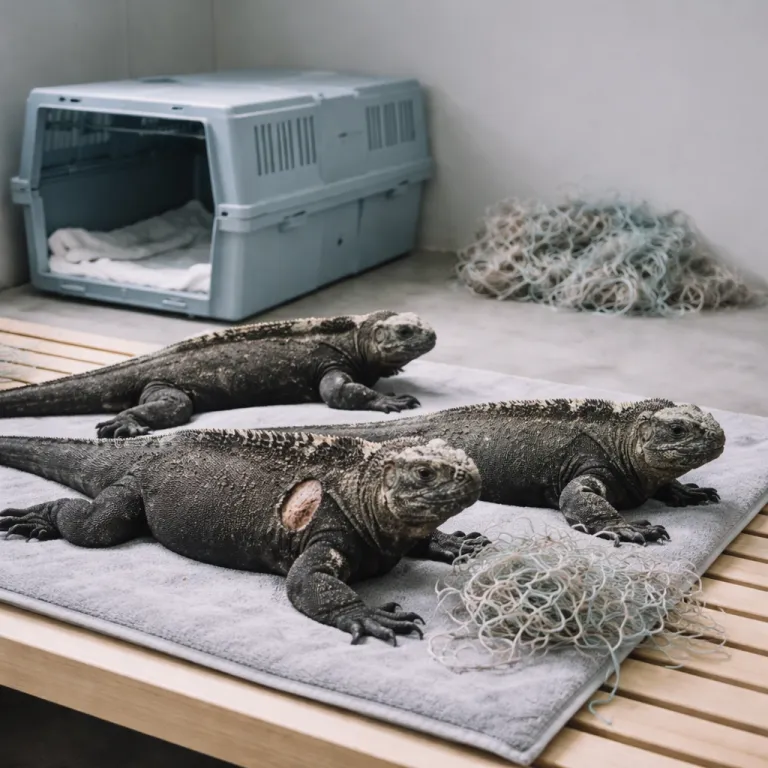
On a clear morning flight out of Guayaquil, 12 marine iguanas were found packed into backpacks, one already dead, their route mapped through Amsterdam to Bangkok for the exotic pet trade. That seizure, and four similar cases reported earlier in the month, now sit at the center of galapagos wildlife trafficking conservation debates that every high end traveler to the Galápagos Islands can no longer ignore. For anyone booking a premium cabin or a sea facing suite, the question is no longer just which island view is best but how your stay intersects with illegal wildlife trade networks targeting these species.
The latest TRAFFIC briefing on iguana smuggling in the Galápagos confirms that giant tortoises and land iguanas from the Galápagos Islands have become priority targets for international collectors. Investigators traced how wild Galápagos iguanas and other reptiles across the archipelago are laundered through fake captive bred facilities abroad, turning illegal trafficking into apparently legal trade on paper. In the same report, analysts highlight that “reported iguana trafficking incidents” reached four documented cases, while the estimated Galápagos land iguana population stands at around 5,000 individuals, underscoring how even a small traffic of animals can destabilize fragile wildlife populations. As one TRAFFIC researcher put it, “When you remove even a few breeding adults from a small island population, the impact echoes for decades.”1
For travelers focused on wildlife Galápagos photography, this is not an abstract conservation story but a direct backdrop to every frame of marine iguanas or giant tortoises you capture. At the CITES Conference of the Parties in Samarkand in 2024 (CoP20), delegates agreed to move both marine and land iguanas from Appendix II to Appendix I, which effectively bans almost all international wildlife trade in these species and tightens legal obligations for every country on the trafficking international routes.2 That formal change in CITES status now underpins how Ecuador, Galápagos National Park rangers and luxury operators coordinate anti trafficking conservation efforts, from airport checks on illegal wildlife to stricter controls on access to each island reserve.
From airport seizures to cites enforcement: what travelers need to know
Wildlife laundering in the context of galapagos wildlife trafficking conservation means that poached iguanas or tortoises are exported as if they were captive bred, using forged paperwork and complicit facilities abroad. TRAFFIC investigators, working with Galápagos National Park, the Ecuadorian Ministry of Environment and Interpol, used wildlife trade databases, satellite imagery and forensic analysis to map how this illegal wildlife traffic moves from remote Galápagos land nesting sites to international airports.1 The Guayaquil seizures show the pattern clearly: traffickers collect marine iguanas and land iguanas on one island, move them quietly to mainland Ecuador, then attempt to pass them through legal trade channels using falsified CITES permits.
For guests flying in on premium cabins, the same terminals that welcome you to Ecuador are now front lines of wildlife trafficking enforcement. CITES Appendix I status for Galápagos iguanas and several tortoise species means that any international wildlife trade in these animals is now prohibited except under very narrow scientific exemptions, and customs officers are trained to report illegal shipments immediately.2 As one official summary from Galápagos National Park puts it plainly, “Why are Galápagos iguanas trafficked? Demand for exotic pets and collectors.”
Luxury properties on Santa Cruz Island and other hubs increasingly brief guests on these realities, because informed visitors strengthen broader wildlife protection outcomes. When you understand that the key protections for these iguanas are CITES bans backed by strict national laws, you start to see park fees, luggage checks and rules inside the national park as part of a coherent system rather than travel friction. Articles such as the analysis of the Galápagos visitor cap and luxury scarcity help frame why limiting access to each island reserve is essential when wildlife trafficking pressures are rising.
Choosing eco conscious luxury stays that fund anti trafficking work
For the solo explorer booking a high end lodge or yacht, galapagos wildlife trafficking conservation now sits alongside spa menus and camera gear on the planning list. The most credible properties on Santa Cruz and other inhabited islands channel a portion of every night’s rate into Galápagos National Park and Galápagos Conservancy grants that finance patrol boats, ranger salaries and monitoring of invasive species that further stress native wildlife.3 When you pay conservation fees on arrival, you are directly supporting the teams that answer the question “How can individuals help?” with clear guidance: avoid buying wildlife products, report suspicious offers and respect viewing distances.
On the ground, responsible operators treat the entire archipelago as a living reserve rather than a backdrop, aligning their guest experience with strict national park rules on distance to wildlife and access to sensitive Galápagos land nesting zones. They work closely with TRAFFIC and Ecuadorian authorities to report illegal activity, from suspicious offers of captive bred iguanas online to any attempt to export protected species seen at docks or airstrips. Many of the most forward looking lodges now publish an annual report on their conservation impact, detailing how guest nights helped fund surveillance of wildlife trade routes and rapid response when illegal trafficking incidents occur.
When you compare properties on a site like stay in Galápagos Islands, look for clear references to CITES compliance, partnerships with Galápagos Conservancy and transparent contributions to island wide anti trafficking programs. Planning an eco conscious stay through resources such as this guide to luxury yet conservation minded itineraries ensures your budget supports enforcement rather than just amenities. For deeper context on how the archipelago is repositioning itself, the analysis of the Galápagos push toward eco conscious tourism shows how high end hospitality, strict wildlife trafficking controls and long term conservation of iconic species like giant tortoises are now inseparable.
Sources and further reading
TRAFFIC – global wildlife trade monitoring network; Galápagos National Park Directorate; Ecuadorian Ministry of Environment, Water and Ecological Transition; official CITES Conference of the Parties documentation from Samarkand 2024 on Appendix I listings for Galápagos iguanas; Galápagos Conservancy reports on land iguana population estimates and tourism funded conservation projects.1–3