Choosing your Galápagos base: luxury stays that work for wildlife photography
Where you sleep in the Galápagos quietly shapes every photograph you bring home. A luxury hotel or premium expedition ship that understands wildlife photography will help you reach landing sites at the right time of day, when the light is soft and the wildlife is active. For a serious Galápagos wildlife photography guide, your base is as critical as your camera or lens choice, because logistics determine how often you can shoot in ideal conditions.
On Santa Cruz Island, highland lodges offer cool nights, quiet surroundings and quick access to tortoise reserves, while waterfront properties in Puerto Ayora place you steps from sea lions basking on the pier. Staying in the central Galápagos Islands reduces travel time by ship or speedboat, which means you can spend time on shore with marine iguanas and blue-footed boobies instead of commuting. A good concierge or trip planner will coordinate private pangas or small group departures so you reach sites like North Seymour or South Plaza when the sea breeze is gentle and the equatorial sun is still low.
Travelers focused on Galápagos photography often pair a land stay with a short expedition cruise, using the hotel as a pre and post base for gear checks and editing. If you prefer a purely land-based trip, choose properties that offer early breakfast, flexible transfer times and clear information on daily departure hours, because wildlife photography rewards those willing to move before dawn. For romantic solo travelers who might later return with a partner, it is worth reading a dedicated guide to luxury escapes and romantic adventures in the Galápagos Islands, which highlights stays where a photographic tour can easily be combined with spa time and fine dining.
Light, seasons and timing: planning your stay around the best conditions
Equatorial light in the Galápagos is unforgiving at midday, yet magical in the first and last hour of the day. A thoughtful Galápagos wildlife photography guide always starts with light, then layers in wildlife behavior and hotel logistics. When you book a premium property, ask the team how they schedule excursions around sunrise and sunset, because this will define the quality of your shots and how often you can work during golden hour.
December to May offers warm temperatures and generally calmer seas, which suits travelers who want smoother ship crossings and easier underwater photography sessions. Cooler, drier months bring different wildlife behaviors and sometimes moodier skies, which can be perfect for dramatic wildlife photography with a long lens and a full-frame camera. To align your stay with both comfort and photographic goals, use a detailed resource on the best time to visit the Galápagos for luxury island stays, then match those dates with your preferred species and sea conditions.
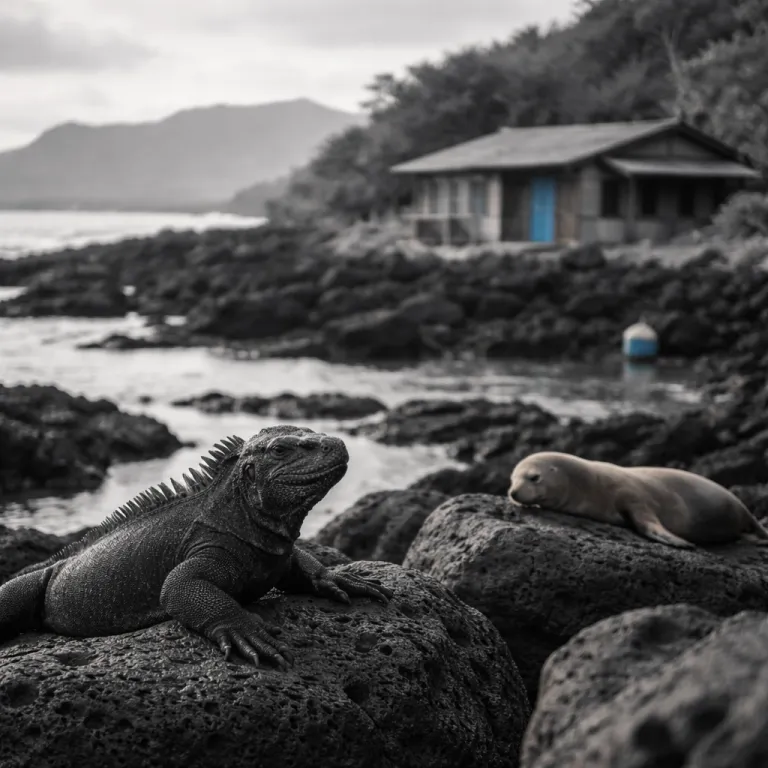
Whatever month you choose, plan your day around two golden windows and one blue hour. Early morning is ideal for marine iguanas warming on black lava, sea lions stretching on white sand and blue-footed boobies preening on low cliffs, while late afternoon softens the sea and sky for layered compositions. For moving subjects such as birds in flight, start with shutter speeds around 1/1000 second and adjust ISO to keep detail in feathers and water. Night at your hotel becomes editing time, when you review each photo, refine your photography settings for the next outing and charge every camera battery before another long day in the field.
Santa Cruz and beyond: island by island strategies from a photographer’s perspective
Santa Cruz is the practical heart of Galápagos Ecuador travel, and for many photographers it is the smartest first island to book. From a luxury base here, you can reach highland giant tortoise reserves, the Charles Darwin Research Station and nearby islets that teem with Galápagos wildlife. Choosing where to stay on Santa Cruz is not just a comfort decision, it is a strategic move for your photographic tour and how efficiently you can reach key sites.
Waterfront hotels in Puerto Ayora place you within walking distance of pelicans, frigatebirds and the occasional sea lion sleeping on a bench, which means spontaneous shots even on rest days. Highland lodges, highlighted in many guides to where to stay on Santa Cruz, offer clearer night skies and quieter surroundings, ideal for long exposure work and careful gear cleaning. From either base, day trips by ship reach islands like North Seymour for nesting blue-footed boobies and Española for waved albatross, each island adding a different chapter to your Galápagos photography story and expanding your portfolio of endemic species.
Farther west, Fernandina Island is a stark black canvas of lava and marine iguanas, where a wide-angle lens captures dense clusters of reptiles against the sea. South Plaza Island offers ochre cliffs and land iguanas framed by turquoise water, rewarding those who spend time waiting for clean backgrounds and patient subjects. When you plan your trip, ask your hotel or yacht operator to map specific landings against your wildlife photography priorities, rather than accepting a generic island-hopping itinerary, and confirm how long you will spend ashore at each site.
Gear for every skill level: from smartphone to full frame systems
In the Galápagos, wildlife has almost no fear of humans, which means even a smartphone can produce a memorable photograph. A well-designed Galápagos wildlife photography guide should reassure beginners that proximity, not price, is their first advantage. That said, the right camera and lens combination will help you move from good holiday shots to gallery-worthy wildlife photography, especially when light is changing quickly.
For casual travelers, a recent smartphone plus a compact waterproof case is enough for playful sea lions and bright blue-footed feet at close range. Enthusiast photographers often carry a mirrorless or DSLR body from brands like Canon, Nikon or Sony, paired with a versatile zoom that covers a useful focal length range such as 24–105 millimetres for landscapes and 70–300 millimetres for wildlife. Serious shooters may prefer a full-frame body with a dedicated long lens for distant birds, plus a sharp wide-angle lens for sweeping island scenes and tight groups of marine iguanas on the rocks; for birds in flight, continuous autofocus and burst mode help you capture decisive moments.
Whatever your level, pack more memory cards than you think you need and at least two batteries per camera, because charging options on smaller ships can be limited. A lightweight travel tripod is helpful for low light scenes in your hotel or for stable shots of the sea at dusk, though most landings focus on handheld work. As many field guides to ethical wildlife photography emphasise, respect wildlife distances, use appropriate lenses rather than approaching too closely and prioritise shooting during golden hours, a reminder that ethics and timing matter as much as equipment in any serious Galápagos photography plan.
Underwater and ethical practice: photographing a protected marine reserve
Below the surface, the Galápagos Marine Reserve is as photogenic as any island vista, with sea lions, sharks and rays moving through clear blue water. Underwater photography here ranges from simple GoPro clips near the shore to advanced full-frame systems in housings, and your hotel or ship choice will influence how often you can get in the sea. Calm bays near Santa Cruz and other central islands are ideal for beginners who want to test their camera in shallow water before venturing into stronger currents or cooler upwellings.
For many travelers, a small action camera in a robust housing is enough to capture a curious sea lion or a school of fish, while more advanced guests may bring mirrorless bodies with dedicated underwater housings and strobes. Always secure your rig with lanyards, because you will be entering from pangas and moving quickly in swell, and remember that Galápagos National Park rules prohibit drones and flash around wildlife. Ethical wildlife photography also means maintaining at least two metres of distance from animals, never baiting them and allowing marine iguanas, sea lions and blue-footed boobies to move freely without blocking their path for a better photo.
Licensed naturalist guides, required on most organised visits within the park, brief guests on responsible behaviour before every landing. Onboard naturalists will share photography tips tailored to each site, explaining how Galápagos wildlife responds to shade, wind and human presence. This combination of expert guidance and strict park regulations helps ensure that your shots respect both the animals and the fragile ecosystems that make Galápagos Islands travel so extraordinary.
Working with guides and itineraries: turning a luxury stay into a photographic tour
The most valuable gear in the Galápagos is often your naturalist guide, not your latest camera body. A seasoned guide reads tides, wind and animal behavior, then quietly adjusts the day’s plan so you reach a colony of sea lions or marine iguanas at exactly the right time. When you book a luxury hotel or expedition ship, ask who leads the walks, how many guests join each landing and whether the operator uses certified Galápagos National Park guides, because smaller groups will always yield better shots.
Some high-end properties partner with specialist operators or independent photographers to host dedicated photographic tour departures. These trips slow the pace, allowing you to spend time at a single site rather than rushing between islands, which is essential when you are waiting for that one perfect photograph of a blue-footed booby in mid display. On a standard cruise, you can still shape your experience by sharing your wildlife photography goals early, so guides know you care more about light and angles than ticking every island off a list.
Back at your hotel, use the quiet hours between excursions to review each photo and refine your approach. Check whether your focal length choices are working, whether your long lens is too tight for close encounters or whether a wider angle would better tell the story of Galápagos Ecuador landscapes. Over several days, this cycle of shooting, editing and adjusting turns a simple trip into a personal Galápagos wildlife photography guide, written in images rather than words and tailored to your own style.
Key figures for planning a photography focused stay
- Many land species in the Galápagos are endemic, according to conservation organisations, which means almost every wildlife photography session yields subjects found nowhere else on Earth.
- Visitor numbers to the Galápagos are managed under strict park regulations and zoning, helping maintain relatively uncrowded landing sites for serious photography compared with many other island destinations.
- December to May typically brings warmer air and calmer seas, conditions that favor underwater photography and smoother ship crossings for guests carrying delicate camera gear.
- Park regulations require visitors to keep at least two metres from wildlife and to avoid flash, rules that shape how you choose focal length and lens combinations for close yet ethical shots.
- Most luxury ships and high-end lodges limit group sizes on guided walks, often to around a dozen guests, which significantly increases your chances of unobstructed views and clean compositions.
Frequently asked questions about Galápagos wildlife photography
What is the best time to visit the Galápagos for photography ?
December to May offers warm temperatures and calm seas, which many photographers appreciate for reliable light and easier underwater photography. Cooler months can bring more dramatic skies and different wildlife behaviors, so the choice depends on your style. In both periods, early morning and late afternoon remain the prime windows for serious wildlife photography, especially if you want soft light on marine iguanas, sea lions and seabirds.
Do I need a special permit for photography in the Galápagos ?
You do not need a special permit for personal photography in the Galápagos National Park. All visitors must, however, follow park regulations that include staying on marked trails, keeping distance from animals and avoiding drones and flash. Commercial filming or large productions require separate permissions arranged well in advance through the relevant Ecuadorian authorities and park administration.
What wildlife can I photograph in the Galápagos ?
Photographers regularly work with blue-footed boobies, marine iguanas, giant tortoises and Galápagos penguins, along with sea lions, land iguanas and countless seabirds. Underwater, you may encounter reef sharks, rays and dense schools of fish in clear equatorial water. Each island offers a different mix of species, so itineraries should be matched carefully to your target subjects and preferred habitats, from cliffs and beaches to mangroves and lava fields.
Is a smartphone enough for a Galápagos photography trip ?
A modern smartphone can capture excellent close-range shots of tame wildlife, especially when animals rest on trails or near piers. For birds in flight or distant subjects, a dedicated camera with a longer focal length lens will give you more flexibility and cleaner files. Many travelers carry both, using the phone for quick context images and the main camera for deliberate wildlife photography and low light work.
How can I protect my camera gear from sea spray and sand ?
Use dry bags or padded inserts when boarding pangas, and keep cameras in weather-resistant cases until you reach shore. A simple rain cover or plastic sleeve protects your lens from sea spray, while a blower and soft brush help remove sand back at the hotel. Always wipe saltwater off equipment each day, especially after time on deck or near breaking waves, and check that battery doors and card slots are fully sealed before each outing.