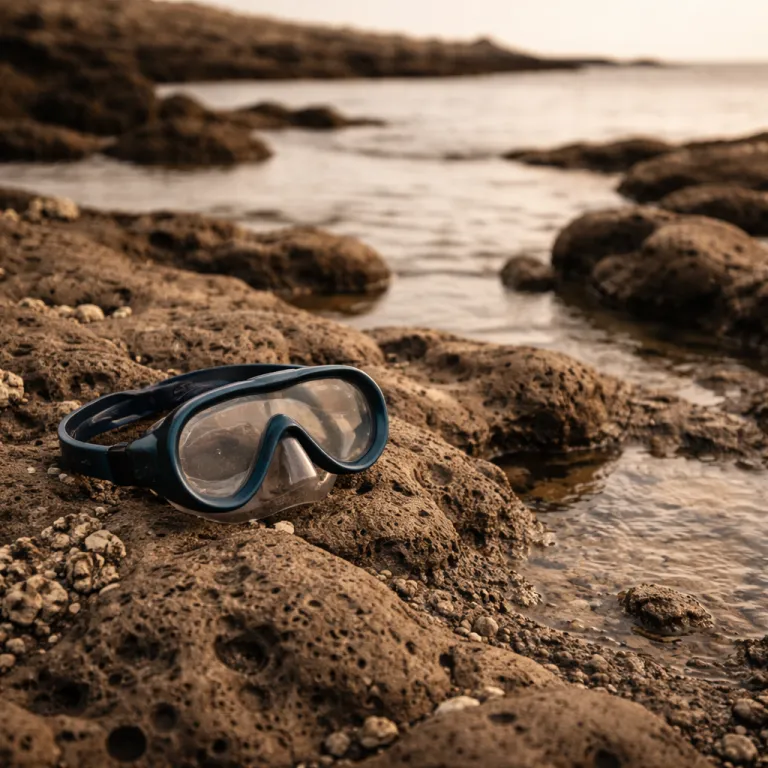
Why galápagos snorkeling without a cruise suits luxury land-based travelers
Galápagos snorkeling without a cruise appeals to travelers who want freedom and privacy. You base yourself on one island, choose your own rhythm for each day, and step from a refined hotel straight into some of the richest marine life on the planet. For many guests this land based approach to snorkeling in the Galápagos Islands feels more intimate than a fixed cruise itinerary, because you return to the same room, the same attentive team and the same calm sea views every night.
On a typical trip Galápagos visitors split their days between guided day trips by boat and shore based snorkeling sites that you can reach on foot or by taxi. You might spend one of your first days in Puerto Ayora on Santa Cruz, easing into the water at Las Grietas in the morning, then joining a small boat in the afternoon for a snorkel with sea lions and sea turtles off nearby islets. This balance between structured excursions and spontaneous swims is exactly why exploring the Galápagos Islands without cruise commitments works so well for solo explorers who value both seclusion and expert guidance.
Luxury hotels on Santa Cruz, San Cristóbal and Isabela Island now design stays specifically around marine experiences rather than around a cruise model. Properties such as Finch Bay on Santa Cruz offer direct access to the water, in house naturalist guides and their own day boats, so you can snorkel Galápagos reefs in the morning and be back for a tasting menu by sunset. For many guests the real upgrade is not a larger cabin on a cruise ship, but the moment a sea lion pup decides your slow snorkel is interesting enough to circle, while your hotel quietly handles every logistical detail in the background.
Santa Cruz and Puerto Ayora: shore snorkeling and refined bases for marine days
Santa Cruz is the most strategic island for galápagos snorkeling without cruise commitments, because Puerto Ayora concentrates the best mix of hotels, restaurants and tour offices. From a luxury base here you can walk to the harbor in minutes, meet local tour operators who organize snorkeling tours, and choose between boat based day trips or easy shore entries depending on how you feel that day. This flexibility matters when you want to shape each Galápagos day around the sea conditions, your energy and the specific marine life you hope to see.
Two classic shore accessible sites on Santa Cruz are Las Grietas and Tortuga Bay, both ideal for travelers who prefer islands without rigid cruise schedules. At Las Grietas you follow a short trail from Puerto Ayora, then slip into clear brackish water between volcanic walls where reef fish shelter from the swell, while at Tortuga Bay a long white beach leads to calm mangrove lined shallows where baby reef sharks and sea turtles cruise past your snorkel mask. These sites are perfect for a first day trip Galápagos experience, because you can test your gear, adjust to the water temperature and return to town whenever you wish.
For more ambitious marine life encounters, Puerto Ayora agencies run small boat day trips to nearby sites such as Pinzón or Santa Fé, where sea lions, whitetip reef sharks and rays gather in deeper water. Here the difference between a simple snorkel and a light dive style experience blurs, as guides lead you along rock walls and over sandy channels, yet you still sleep in a spacious room on Santa Cruz rather than in a cruise cabin. When you are ready to book these premium stays and coordinate your marine focused days, a dedicated Galápagos Islands hotel booking service for premium stays and seamless reservations helps you align room categories, boat departures and National Park regulations without friction.
San Cristóbal and Isabela Island: iconic marine sites without committing to a cruise
San Cristóbal offers some of the most dramatic galápagos snorkeling without cruise obligations, especially around Kicker Rock, a towering tuff cone that drops straight into deep blue water. From the waterfront in town you join a small boat with perhaps a dozen guests, cruise for under two hours, then slide into the sea beside vertical walls where reef sharks, eagle rays and sea turtles glide through shafts of light. The feeling is closer to open ocean diving than to casual snorkeling, yet you return to a quiet hotel in town for a hot shower and a drink at sunset.
Closer to shore, San Cristóbal’s Lobería beach delivers classic Galápagos Islands encounters with sea lions in shallow water, ideal for a relaxed afternoon snorkel. You walk from town or take a short taxi ride, leave your valuables in your hotel safe, then enter from the sand and let the current carry you past marine iguanas, juvenile reef fish and the occasional turtle. This kind of land based freedom suits solo travelers who want to visit Galápagos at their own pace, choosing between high energy day trips and slow coastal swims on different days.
Isabela Island, reached by inter island boat from Santa Cruz, rewards those who extend their trip Galápagos beyond a single base. The lava arches of Los Túneles create sheltered channels where penguins, resting reef sharks and green sea turtles share the same clear water, while Concha de Perla near Puerto Villamil offers an easy boardwalk entry for a short snorkel before or after a long walk on the beach. When planning these multi island days, it is worth studying the optimal periods for booking luxury hotels in the Galápagos Islands so that your preferred suites align with the best marine conditions and the limited inter island boat schedules.
Day boats, shore entries and how to structure your marine focused days
Choosing galápagos snorkeling without a cruise means you will rely on a mix of shore entries and organized day trips by boat. Shore snorkeling from beaches or lava pools gives you full control over timing, so you can slip into the water at first light or at the quiet end of the afternoon when sea lions are playful and the sun is softer. Boat based day trips, by contrast, open access to remote marine sites where currents bring in larger schools of fish, reef sharks and sometimes rays, but they follow fixed departure and return times.
For most luxury travelers the sweet spot is three to five days on each main island, alternating between relaxed shore swims and more structured marine excursions. One day you might stay close to your Santa Cruz hotel, walking from Puerto Ayora to Tortuga Bay for a long snorkel and a lazy beach afternoon, while the next day you join a small boat to explore offshore sites with a National Park guide. This rhythm keeps your trip Galápagos balanced, giving your body time to rest between more intense days in cooler water or choppier sea conditions.
Local agencies in Puerto Ayora and on San Cristóbal typically include snorkel gear and wetsuits in their day trips, and they coordinate with the Galápagos National Park Service to respect site quotas and wildlife guidelines. Their teams know that many guests are new to diving or even to basic snorkeling, so they structure briefings carefully and keep a close eye on currents and visibility. When you are mapping out which islands, which marine sites and how many days to allocate, it helps to read a detailed guide to choosing the best time to visit Galápagos for luxury island stays so that your hotel bookings, boat slots and personal energy all align.
Marine life calendar, water conditions and what to expect month by month
Planning galápagos snorkeling without cruise commitments requires a clear sense of how water conditions shift through the year. Around March and April the sea in many parts of the archipelago reaches roughly 24 to 27 °C, which feels comfortable for long snorkel sessions even without a thick wetsuit. During cooler months the water temperature drops, visibility can improve and some pelagic species move closer to the islands, so your days may feel more like light diving than casual swimming.
Marine life remains rich year round, but certain patterns help you choose which island to prioritize for specific encounters. Sea lions and marine iguanas are resident and visible on almost every island, while green sea turtles nest on several beaches and often cruise through shallow bays on Santa Cruz, San Cristóbal and Isabela Island. Whitetip reef sharks rest in channels and under ledges at sites such as Los Túneles or Kicker Rock, giving even first time snorkelers a safe yet thrilling view of sharks in clear water.
Because the Galápagos Islands sit at the meeting point of several currents, conditions can change quickly from one day to the next, even at the same marine sites. This is where experienced National Park guides and local tour operators add real value, adjusting the choice of bay, channel or offshore rock according to swell, wind and visibility. If you are structuring a land based itinerary with several day trips, aim for a mix of sheltered coves for relaxed snorkeling and more exposed sites for stronger marine life, so that every galápagos day feels distinct without exhausting you.
Gear, hotel services and solo traveler advantages for land based snorkeling
One of the quiet luxuries of galápagos snorkeling without cruise constraints is not having to pack your life into a cabin. You can unpack fully in a Santa Cruz or San Cristóbal hotel, hang your wetsuit on a balcony rail and leave your camera batteries charging while you walk down to the harbor for a late afternoon snorkel. Many premium properties now provide high quality snorkel sets, shorty wetsuits and even underwater cameras, so you only need to bring a well fitting mask if you are particular about comfort.
For solo travelers the economics of land based day trips in the Galápagos Islands are compelling compared with a full cruise. You pay per day trip or per boat excursion, often joining small groups of eight to twelve guests, which keeps the per day cost lower while still giving you access to top marine sites. This flexibility lets you add or subtract days on each island, extend your stay in Puerto Ayora if you fall in love with a particular reef, or shift to Isabela Island for a few extra days of lava tunnel snorkeling if the mood takes you.
Hotels that understand this style of travel coordinate closely with local agencies and National Park guides, checking equipment quality and confirming that “Do I need a wetsuit?”, “Are tours suitable for beginners?”, and “Is snorkeling gear provided?” are answered clearly before you step on the boat. Front desk teams will often pre book your day trips, arrange early breakfasts and store your valuables while you are at sea, so your only real task is to move between room, harbor and water. For many guests this combination of attentive service on land and wild, unscripted encounters in the sea is exactly what visiting South America’s most famous marine reserve should feel like.
Key figures for galápagos snorkeling without a cruise
- Galápagos National Park reports around 250,000 annual visitors in recent years, a significant number for such remote islands, which makes advance booking of both hotels and day trips essential during peak seasons. Always verify the latest statistics in the Park’s official annual report before finalizing plans, as figures are updated periodically.
- Conservation organizations estimate roughly 2,900 marine species in the Galápagos Marine Reserve, meaning that even a short land based stay with a few boat excursions can expose you to an exceptional slice of global marine biodiversity. This figure is periodically updated as new species are recorded, so consult current summaries from recognized conservation groups when you research.
- Local tour operators in Puerto Ayora and other towns typically run daily snorkeling tours with morning departures between 7:30 and 9:00 and afternoon returns from about 15:00 to 17:00, allowing you to plan one focused marine excursion per day while still enjoying unhurried evenings at your hotel.
- Most guided snorkeling groups keep sizes to around 8–12 guests per National Park guide, which helps maintain safety standards and ensures that wildlife encounters remain calm rather than crowded.
FAQ about luxury land based snorkeling in the Galápagos Islands
Do I need a wetsuit for snorkeling in the Galápagos Islands ?
Water temperatures vary through the year, and a wetsuit is recommended for comfort, especially outside the warmest months. Many day trips include shorty wetsuits in the price, while higher end hotels often keep a range of sizes for guests. If you feel the cold easily, consider bringing a thin personal layer to wear under the provided suit.
Are snorkeling tours suitable for beginners who cannot dive ?
Guided snorkeling excursions are designed for guests with no previous diving experience, and National Park guides are trained to support nervous swimmers. Boats usually carry flotation vests and noodles, and briefings cover basic snorkel techniques before anyone enters the water. If you are unsure, start with a sheltered bay such as Concha de Perla or Tortuga Bay before joining more exposed marine sites.
Is snorkeling gear usually provided on Galápagos day trips ?
Most local tour operators include mask, snorkel and fins in their standard packages, and many also provide wetsuits at no extra cost. Quality can vary, so it is wise to check equipment in the office in Puerto Ayora or San Cristóbal before confirming your booking. Travelers with sensitive skin or specific fit preferences often bring their own mask and snorkel while using the operator’s fins and suit.
How far in advance should I book hotels and marine excursions ?
Because visitor numbers are capped and marine sites have strict quotas, luxury hotels and top rated day boats can fill several months ahead in popular periods. Securing your preferred room category on Santa Cruz, San Cristóbal or Isabela Island first, then layering in key day trips such as Kicker Rock or Los Túneles, is the safest strategy. Shoulder seasons usually offer more flexibility, but last minute availability is never guaranteed.
Can I see iconic Galápagos wildlife without joining a cruise ship ?
Land based travelers regularly swim with sea lions, sea turtles and reef sharks on guided day trips and even from shore accessible bays. Sites near Puerto Ayora, San Cristóbal town and Puerto Villamil on Isabela Island all deliver high quality marine life encounters when conditions are right. A well planned itinerary of three to seven days on one or two islands without a cruise is enough for many guests to feel they have experienced the essence of Galápagos marine life.
References
- Galápagos National Park Directorate – annual visitor statistics and management reports (consult the most recent report for updated visitor numbers and regulations).
- Galápagos Conservation Trust – summaries of marine biodiversity and conservation status (review current marine species estimates and conservation updates).
- Ecuador Ministry of Tourism – official guidance on Galápagos travel regulations and visitor information, including current park entrance fees and transit control card requirements.