Galapagos islands weather and luxury travel planning essentials
Understanding Galapagos islands weather is the first step to planning a refined stay. The islands sit at the meeting point of powerful currents, so every season shapes wildlife, marine life, and guest experience in distinct ways. For travelers choosing premium properties or a high end Galapagos cruise, knowing how temperatures, water conditions, and daylight hours shift through the year is as important as choosing the right suite category.
The Humboldt Current brings cold water that cools the sea and air, creating the dry season with clear skies and gentle drizzles on some days. Later in the year, warmer currents and the El Niño phenomenon can raise sea temperature and air temperature, softening the weather while increasing rainfall and humidity. These changes influence every activity, from snorkeling with sea lion colonies to photographing blue footed boobies on Española Island during peak wildlife activity.
Average annual temperature across the Galapagos islands hovers around 25 °C, but max min values vary between higher temp max at low elevations and cooler evenings in the highlands. Water temperature also shifts between the dry season and the warm wet months, affecting how long you comfortably stay in the sea during marine excursions. When you compare the warm wet period with the cooler dry months, you can match your preferred climate, wildlife activity, and hotel style to the best time for your visit.
Luxury travelers often ask about the best time to visit Galapagos for calm weather and smooth travel logistics. Both the dry season and the rainy season offer advantages, so the ideal time visit depends on whether you prioritize marine life encounters, lush green landscapes, or fewer guests at premium properties. With nightly rates often quoted in USD and varying by season, understanding weather Galapagos patterns also helps you align your budget with the level of exclusivity you expect.
Dry season elegance: clear skies, cooler temperatures, and curated stays
The dry season in the Galapagos typically runs from June to November, bringing cooler air temperatures and lower humidity. During this season, Galapagos islands weather is shaped strongly by the Humboldt Current, which delivers cold water and stabilizes the climate with relatively consistent days. Expect temp max values often in the low to mid twenties Celsius at sea level, with evenings cool enough to appreciate fine linens and light layers on your private terrace.
Clear skies dominate many days in this season, creating ideal conditions for photography, yacht cruising, and scenic flights between islands. Because the sea can be cooler, water temperature may encourage the use of wetsuits for longer marine activity sessions, especially on a Galapagos cruise with multiple snorkeling stops. In exchange, marine life is exceptionally active, with sea lion pups learning to swim and schools of fish gathering in nutrient rich water.
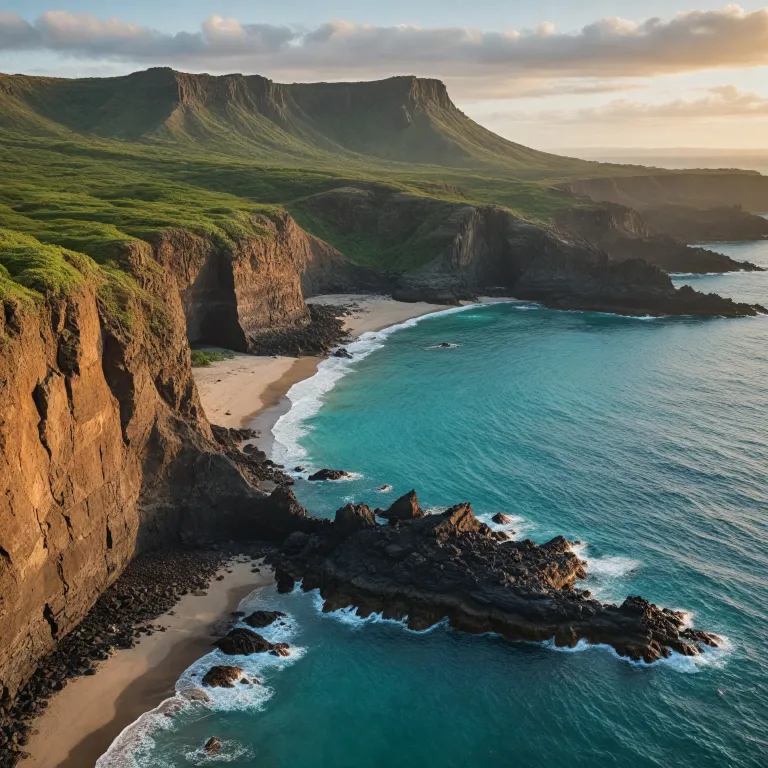
Wildlife activity on land also intensifies, as many species take advantage of the rich marine environment and milder weather. Blue footed boobies often perform courtship displays, while on Española Island you may see dramatic nesting scenes framed by clear skies and rugged cliffs. For guests staying in luxury properties, this is often considered the best time to visit Galapagos if they value crisp air, strong visibility, and sophisticated evenings after full days of exploration.
Premium hotels and vessels frequently structure their itineraries to maximize the best time windows for each island, balancing sea conditions, wildlife activity, and guest comfort. When you plan your time visit during the dry season, consider how many days you want at sea versus on land, and whether you prefer a Galapagos cruise or a refined coastal retreat. For deeper context on how climate and evolution intersect with today’s upscale stays, many travelers appreciate reading about how Darwin’s early encounters still influence modern luxury in the islands.
Warm wet months: lush green landscapes and immersive marine life
From roughly December to May, Galapagos islands weather shifts into a warm wet pattern that many guests find sensuous and inviting. Air temperatures rise, humidity increases, and short but intense showers transform the highlands into lush green slopes that contrast beautifully with the blue sea. During this rainy season, the sea often becomes calmer and warmer, creating excellent conditions for extended snorkeling and kayaking sessions.
In these months, water temperature typically climbs several degrees, making it easier to enjoy long encounters with marine life without feeling chilled. This can be the best time for families or first time snorkelers who want gentle seas, abundant wildlife activity, and comfortable conditions for every marine activity on their itinerary. Many luxury properties and Galapagos cruise operators highlight this period as the best time to visit for guests who prioritize time in the water over cooler air.
Wildlife responds dramatically to the warm wet conditions, with many species breeding and nesting when food is abundant. Sea lion colonies can be particularly lively, and you may see playful pups in shallow water close to shore, framed by bright vegetation and clear skies between showers. Blue footed boobies, marine iguanas, and other emblematic species often show intense colors and behaviors that photographers value during this season.
Because December and the surrounding months are popular for holidays, nightly rates in USD at premium properties can rise, especially on top tier Galapagos cruise departures. Planning your time visit early allows you to secure suites with sea views, private plunge pools, or direct access to the water, aligning your stay with the most appealing weather Galapagos can offer. For a refined overview of key species and where to stay in style across different islands, consult this curated guide to animals and elegant accommodations in the Galapagos.
Matching galapagos islands weather to luxury experiences and activities
Choosing the best time to visit Galapagos is ultimately about aligning climate with your preferred activity mix and level of comfort. If you favor long hikes on volcanic terrain with minimal heat, the dry season with its cooler temperatures and clear skies may suit you better. Guests who prioritize swimming, snorkeling, and relaxed deck time on a Galapagos cruise often lean toward the warm wet months when water temperature is higher.
During the dry season, marine life thrives in nutrient rich cold water, so wildlife activity below the surface can be spectacular. However, because the sea is cooler, you may limit your time in the water unless you use a thicker wetsuit, especially on days when the Humboldt Current is strongest. On land, the islands can appear more muted in color, but visibility is excellent and max min air values are comfortable for multi hour excursions.
In the rainy season, lush green highlands and softer light create a different aesthetic that many photographers and honeymooners appreciate. Short showers often give way to bright intervals, and the combination of warm air temperature and pleasant sea conditions makes every marine activity feel indulgent rather than demanding. This is also when some guests feel the islands are at their most tropical, even though Galapagos islands weather remains distinct from classic Caribbean climates.
Luxury and premium properties respond to these patterns with tailored services, from seasonal menus based on marine life availability to spa rituals timed for cooler evenings. When you plan your time visit, consider how many days you want dedicated to land based exploration versus time at sea, and how sensitive you are to humidity or cooler breezes. For travelers seeking refined stays on quieter islands with strong connections to nature, this detailed article on refined stays and curated hotel choices on Floreana offers useful context.
Island by island nuances: microclimates, wildlife, and premium stays
Although people often speak of Galapagos islands weather in broad terms, each island has its own microclimate and character. Larger islands with highlands, such as Santa Cruz and Isabela, can have cooler, misty upper zones while the coasts remain warm and dry. This means that on a single day you may experience different temperatures, humidity levels, and even light rain as you move between elevations.
Española Island, located in the southeast, is renowned for its dramatic cliffs, blue footed boobies, and waved albatross colonies in certain months. Here, clear skies in the dry season create striking contrasts for photography, while the warm wet months bring more intense colors to the sparse vegetation. Sea lion colonies along the shore can be active year round, but wildlife activity and breeding cycles still respond to changes in sea temperature and food availability.
On more remote islands, marine life encounters can feel particularly exclusive, especially when you travel on a small Galapagos cruise vessel with a low guest count. The combination of water temperature, currents, and time of year determines which species you are most likely to see on any given day. For example, cooler dry season conditions may favor certain fish aggregations, while warmer rainy season waters can attract different species closer to the surface.
Premium hotels and yachts use advanced forecasting tools, satellite imagery, and local expertise to interpret weather Galapagos patterns for their guests. They monitor temp max and max min ranges, wind, and sea state to adjust daily activity plans, ensuring comfort and safety without compromising wildlife viewing. When you evaluate options in USD, consider not only the room category but also how each operator adapts to season and island specific conditions to optimize your time visit.
Practical planning: packing, pricing in USD, and climate resilience
Thoughtful preparation for Galapagos islands weather helps you enjoy every moment of a luxury stay. For the dry season, pack light layers, a wind resistant outer shell, and perhaps a slightly thicker wetsuit if you are sensitive to cooler water temperature. In the rainy season, breathable fabrics, a compact rain jacket, and quick drying resort wear will keep you comfortable between brief showers and sunny intervals.
Because most high end properties and Galapagos cruise operators quote rates in USD, season strongly influences pricing. The warm wet months around December and major holidays can command premium nightly rates, especially for suites with sea views or private decks. Shoulder periods at the edges of the dry season and rainy season may offer a balance between favorable weather, wildlife activity, and more flexible pricing.
Climate variability, including increased frequency of El Niño events and rising sea temperatures, is an important consideration for long term planning. These phenomena can temporarily alter water temperature, rainfall patterns, and marine life distribution, sometimes affecting which activity is feasible on specific days. However, local authorities and operators collaborate with organizations such as NOAA and the Ecuadorian Meteorological Institute to monitor conditions and adjust itineraries.
“Both seasons offer unique experiences; choose based on preferred weather and activities.” This guidance remains accurate for luxury travelers, provided you also factor in your tolerance for humidity, motion at sea, and the type of wildlife activity you most wish to see. By understanding how season, islands, and marine conditions interact throughout the year, you can select the best time to visit Galapagos and secure a refined stay that feels perfectly aligned with your expectations.
Key climate statistics and expert insights for refined travelers
To refine your perspective on Galapagos islands weather, it helps to anchor expectations in concrete figures. Average annual temperature at sea level is approximately 25 °C, with max min values shifting by several degrees between the coolest dry season nights and the warmest rainy season afternoons. Average annual rainfall at sea level is modest, but localized showers in the warm wet months can be intense, especially in the highlands where lush green vegetation flourishes.
Across the year, the interplay of the Humboldt Current and warmer equatorial waters defines the main season patterns. During the dry season, cooler sea temperature and persistent trade winds create stable conditions with frequent clear skies and comfortable daytime temperatures. In contrast, the rainy season brings warmer water, higher humidity, and more dynamic cloud formations that can change the mood of the islands within hours.
For luxury travelers, these statistics translate into practical decisions about activity planning, wardrobe, and even spa preferences. Guests who dislike cooler water may schedule more intensive marine life excursions during the warm wet months, while those who prefer crisp air and lower humidity may favor the dry season for long hikes. In both cases, understanding temp max and water temperature ranges helps you allocate days between land based exploration and time in the sea.
“How does El Niño affect the Galápagos climate? It brings warmer sea temperatures, increased rainfall, and affects marine life.” This expert insight underscores why flexible itineraries and experienced guides are valuable, particularly on a Galapagos cruise that moves between islands with different microclimates. By combining these climate statistics with your personal comfort thresholds, you can choose the best time visit and structure your time visit to the Galapagos islands around the most rewarding weather Galapagos can offer.
Key climate statistics for galapagos islands weather
- Average annual air temperature at sea level in the Galapagos islands is approximately 25 °C, with noticeable variation between dry season and rainy season days.
- Average annual rainfall at sea level is around 356 mm, with higher values in the highlands where lush green vegetation is sustained by mist and showers.
Essential FAQs about galapagos islands weather and luxury travel
What is the best time to visit the Galapagos islands for a luxury stay ?
Both seasons offer unique experiences; choose based on preferred weather and activities. If you enjoy cooler air, clear skies, and very active marine life in nutrient rich water, the dry season may be the best time to visit Galapagos. If you prefer warmer air and sea temperatures, lush green landscapes, and calm conditions for snorkeling, the warm wet months of the rainy season can be ideal for a premium stay.
How does El Niño influence luxury travel plans in the Galapagos islands ?
El Niño events bring warmer sea temperatures, increased rainfall, and shifts in marine life distribution that can affect specific excursions. Luxury operators monitor these changes closely and adjust daily activity plans, sometimes emphasizing different islands or alternative experiences when conditions change. Travelers should remain flexible with expectations, trusting experienced guides to interpret weather Galapagos patterns and still deliver memorable wildlife activity and marine life encounters.
How many days should I plan to fully enjoy galapagos islands weather and activities ?
For a refined experience that balances relaxation with exploration, many travelers allocate at least seven to ten days. This allows time visit multiple islands, adapt to changing weather, and enjoy both land based and marine activity options without rushing. Longer itineraries also help you experience variations in temperatures, water temperature, and wildlife activity across different parts of the archipelago and through different days of your stay.