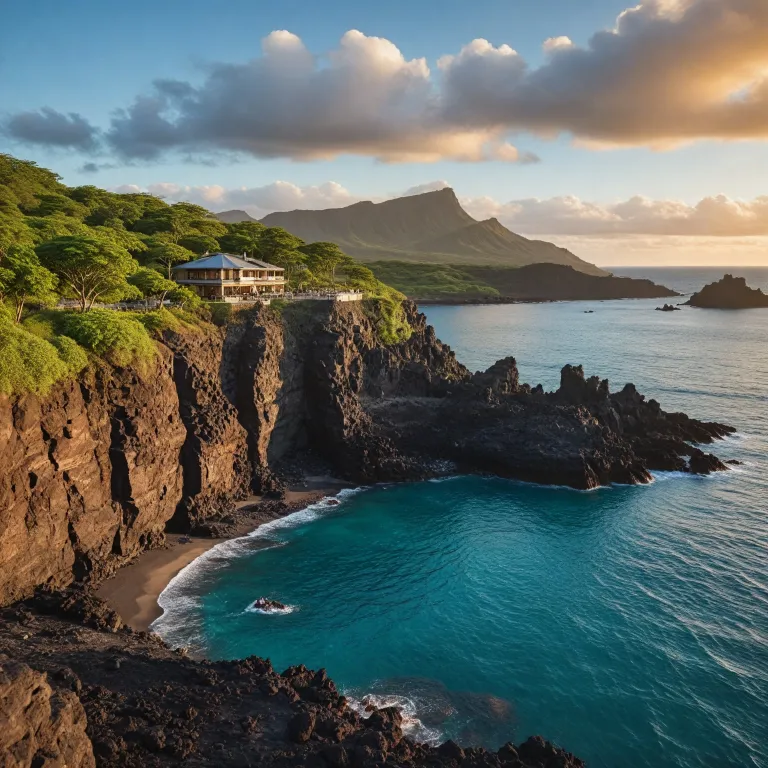
How the best time to visit Galapagos shapes a luxury stay
Choosing the best time to visit Galapagos is the first real luxury decision. Your preferred season will define the character of the islands, the feel of the sea, and the rhythm of each day. For high end travelers, aligning the time of travel with personal expectations is as important as the hotel itself.
The archipelago offers remarkable wildlife encounters every month of the year, yet each season brings distinct advantages. From December to June, the warm wet season creates calmer water, excellent snorkeling, and softer weather for relaxed cruising between islands. Between July and November, the cool dry season delivers invigorating sea breezes, rich marine life, and dramatic skies over the land.
Luxury and premium hotels in the Galapagos Islands respond carefully to these patterns of time. Many properties adjust menus, guided excursions, and wellness offerings according to the season Galapagos is experiencing. When you plan your time visit, consider how you like to balance sea adventures, wildlife viewing on land, and quiet hours in refined surroundings.
Because the Galapagos Islands are a protected national park, visitor numbers are controlled throughout the year. This means that even in the best season for your interests, you will not find mass tourism crowds, but you will find limited availability in the most sought after suites. For this reason, the best time to visit Galapagos for luxury travelers is also the time when reservations are secured well in advance.
Warm wet season from december to june for sea comfort and snorkeling
For many guests, the warm wet season from December to June is the best time to visit Galapagos for effortless days on the water. During this period, sea conditions are generally calmer, water temperatures are higher, and the air feels warm without being oppressive. These months are particularly appealing if you value long snorkeling sessions followed by unhurried afternoons at a premium hotel.
In this season Galapagos waters often offer excellent visibility, which enhances encounters with marine life. You may share the sea with playful sea lions, graceful sea turtles, and schools of tropical fish that thrive in the warm water. Many travelers consider this the best season for combining marine excursions with time in infinity pools and ocean facing suites.
The warm wet months are also important for wildlife on land. Lush vegetation covers the islands, giant tortoises graze in green highlands, and marine iguanas bask on dark lava rocks between short showers. If you plan to visit Galapagos with a focus on photography, this time Galapagos presents saturated colors and dramatic skies that complement luxury hotel design.
Premium properties adapt to the weather by offering shaded terraces, light seasonal cuisine, and flexible excursion schedules. When you review any exclusive guide to premium stays, note how each hotel integrates the warm wet season into its guest experience. For travelers who prioritize comfort at sea and extended snorkeling, this can be the best time in the year to secure top tier suites.
Cool dry season from june to november for peak marine life
The cool dry season from June to November is often described as the best time to visit Galapagos for serious marine life enthusiasts. During these months, nutrient rich currents transform the sea around the islands into a thriving feeding ground. This season Galapagos becomes a magnet for larger marine species, which appeals to travelers who value wildlife intensity over warm water.
Water temperatures are cooler in this period, yet many luxury hotels and cruise operators provide high quality wetsuits. With the right gear, snorkeling remains rewarding, especially around sites known for sea lions, marine iguanas, and sea turtles. Guests who appreciate dynamic conditions often consider this the best season for immersive marine experiences.
On land, the dry season brings clearer skies and comfortable daytime temperatures for guided walks. Blue footed booby colonies, including many footed boobies nesting on cliffs and shores, are particularly active in certain months of the year. Observing a footed booby courtship display at close but respectful distance can become a highlight of any time visit.
Because this is also a key mating season for several species, naturalist guides coordinate itineraries to respect wildlife while maximizing viewing opportunities. When planning a refined journey, consult resources such as a refined journey through exclusive hotels to match your preferred balance of land and sea excursions. For discerning travelers, the best time in this dry season often coincides with quieter hotel atmospheres and particularly attentive service.
Aligning wildlife highlights with your preferred time to visit Galapagos
Understanding wildlife patterns is essential when choosing the best time to visit Galapagos for a luxury stay. The islands host iconic species such as giant tortoises, marine iguanas, sea lions, and blue footed boobies throughout the year. However, each season Galapagos reveals different behaviors, from nesting to mating season rituals.
During the warm wet months, giant tortoises are often more visible in the highlands, moving across lush land in search of fresh vegetation. This can be the best season for guests who want unhurried walks among these ancient animals, followed by spa treatments and fine dining. In contrast, the cool dry period may offer more dramatic scenes of marine iguanas feeding in the sea and returning to warm rocks.
Marine life also shifts with the time Galapagos currents change. In some parts of the year, snorkeling with sea turtles and sea lions in clear water feels almost effortless. At other times, nutrient rich seas attract larger schools of fish and more intense underwater activity, which appeals to confident swimmers staying at premium properties.
Luxury hotels and yachts work closely with certified naturalist guides to interpret these cycles for guests. They design daily programs that respect the Galapagos National Park rules while highlighting the best time for specific wildlife encounters. When you plan to visit Galapagos, ask your chosen hotel to outline how different months of the year affect sightings of marine iguanas, sea turtles, and the charismatic sea lion colonies.
Weather, sea conditions, and how they influence premium hotel choices
Weather and sea conditions are central to deciding the best time to visit Galapagos for a high end escape. The warm wet season from December to June brings higher air temperatures, warmer water, and occasional short showers. The cool dry season from June to November offers lower temperatures, fresher winds, and livelier seas around the islands.
In practical terms, this means that your preferred season Galapagos will influence everything from packing lists to room selection. Guests who favor private terraces and open air lounges may enjoy the warm wet months, when evenings by the sea feel particularly gentle. Travelers who appreciate crisp air and dramatic ocean views often find the dry season ideal for long hikes followed by evenings in elegant indoor spaces.
Premium hotels in the Galapagos Islands are designed to function gracefully in both types of weather. Many properties feature natural ventilation, shaded courtyards, and materials that respond well to changes in temperatures and humidity. When evaluating the best time in the year for your stay, consider whether you prefer to spend more time in the water or exploring land based trails.
Sea conditions also affect access to certain snorkeling sites and remote islands. Calm seas in the warm wet period can make longer crossings more comfortable, which is valuable if you plan extensive marine life excursions. In the dry season, slightly rougher seas are balanced by exceptional wildlife activity, and experienced crews ensure safe, well managed transfers between land and sea.
Booking strategies for luxury stays in the Galapagos islands
Because visitor numbers are regulated, the best time to visit Galapagos for luxury travelers is also the time when planning ahead becomes essential. Suites with direct sea views, private plunge pools, or exclusive access to guided excursions are limited. During peak periods of each season Galapagos, these rooms can be reserved many months in advance.
When you plan your time visit, start by clarifying your priorities between wildlife, weather, and hotel atmosphere. Families may prefer the warm wet months, when water temperatures are higher and snorkeling feels more accessible for younger guests. Couples seeking quieter decks and more intense marine life often choose the cool dry part of the year.
For multi generational trips, consider working with properties that coordinate closely with the Galápagos National Park Directorate and the Ecuadorian Ministry of Tourism. Their adherence to conservation guidelines ensures that your stay supports the protection of marine life, giant tortoises, and marine iguanas. If you are planning an upscale family escape, resources such as this guide to planning an unforgettable Galapagos family vacation in luxury comfort can help align expectations.
Flexible travelers may find excellent value by choosing shoulder periods within each season Galapagos. These windows can still offer the best time for specific wildlife, with slightly lower demand for top suites. Regardless of the month of the year, confirm cancellation policies, included excursions, and any special access to sites where sea lions, sea turtles, and blue footed boobies are regularly observed.
Designing a high end itinerary around the best time to visit Galapagos
Once you have identified the best time to visit Galapagos for your interests, the next step is to design a coherent itinerary. A balanced program usually combines time on land, time at sea, and restorative hours in your chosen hotel. This approach allows you to appreciate the islands as a complete ecosystem rather than a sequence of isolated excursions.
Begin by allocating days according to the season Galapagos is experiencing. In the warm wet months from December to June, you might prioritize snorkeling, gentle kayaking, and beach time with sea lions. In the cool dry period from June to November, you may focus on hikes to observe marine iguanas, giant tortoises, and colonies of blue footed boobies and other footed boobies.
Throughout the year, guided experiences remain the most insightful way to understand marine life and terrestrial wildlife. As one official resource notes, “The best time depends on your interests: December to June offers warmer weather and calmer seas, ideal for snorkeling; July to November provides cooler temperatures and abundant marine life.” This guidance can help you decide whether your personal best time in the year emphasizes comfort in the water or intensity of sightings.
Finally, coordinate closely with your hotel concierge or preferred tour operator to refine daily timings. They can advise on when to visit Galapagos highland reserves, which hours are ideal for photographing a sea lion colony, and how to schedule rest so that luxury amenities are fully enjoyed. With thoughtful planning, your chosen time Galapagos will translate into a seamless, high end journey across land and sea.
Key statistics for planning your stay in the Galapagos islands
- Average annual visitors to the Galapagos Islands : 225 000 people.
- Number of endemic species recorded in the archipelago : 97 species.
Essential questions about the best time to visit Galapagos
What is the best time to visit the Galápagos Islands?
The best time to visit Galapagos depends on whether you prioritize warm water or peak marine life. From December to June, the warm wet season offers higher water temperatures, calmer seas, and excellent snorkeling conditions, which many luxury travelers appreciate. From July to November, the cool dry season brings cooler temperatures and abundant marine life, which appeals to guests who value intense wildlife encounters over sea warmth.
Are there any travel restrictions to the Galápagos?
Travel to the Galapagos Islands is regulated to protect the fragile ecosystem, and visitors must comply with Ecuadorian entry requirements. Depending on current regulations, you may need to present specific health documentation before boarding flights to the islands. It is advisable to confirm the latest rules with your airline, your hotel, or the relevant authorities well before your chosen time visit.
What wildlife can I see during my visit?
Throughout the year, guests can expect to encounter giant tortoises, marine iguanas, sea lions, and a wide variety of bird species, including blue footed boobies. The exact mix of sightings will vary with the season Galapagos is experiencing, as some species are more visible during nesting or mating season. By coordinating with experienced naturalist guides, you can align your best time to visit Galapagos with the specific wildlife moments you most wish to experience.