Planning a refined stay around Española Island Ecuador
Choosing where to stay when focusing on Española Island Ecuador shapes every moment of your trip. For many travelers the island and its surrounding Galápagos waters are the highlight of a longer itinerary, so aligning your hotel with your preferred tours and cruises is essential. A thoughtful balance between comfort, conservation, and logistics will elevate your experience from a simple visit to a meaningful journey.
Most travelers base themselves on San Cristóbal Island to reach Española Island Ecuador, because authorized Galápagos tours and cruises depart regularly from its small port. This land based approach lets you enjoy a stable hotel environment while still accessing the remote visitor site of Punta Suárez and the white sands of Gardner Bay. If you prefer waking each morning already close to a new island, a Galápagos cruise or more intimate Galápagos cruises can be paired with a pre or post stay in a premium hotel on the main islands.
When comparing hotels, look beyond star ratings and consider how well each property understands the strict rules of the Galápagos National Park. Access to Española Island Ecuador is tightly regulated, and only licensed operators may land at the official visitor site, so your hotel’s concierge and partner agencies must be fully accredited. Ask whether they coordinate with recognized conservation actors such as the Galápagos National Park Directorate or the Charles Darwin Foundation, because this signals respect for both wildlife and local regulations.
Luxury in this fragile island environment feels different from a typical resort stay. You will still enjoy fine linens, attentive service, and curated gastronomy, yet the most valuable amenity is often a well designed itinerary that protects endemic species. A hotel that understands the history and ecology of each island, from Española to nearby San Cristóbal, will help you use your limited time wisely while minimizing your footprint.
How to align luxury hotels with exclusive Española Island excursions
For travelers focused on Española Island Ecuador, the most important decision is how to combine a high end hotel with either land based excursions or a Galápagos cruise. Some guests choose a premium property on San Cristóbal Island and then join full day Galápagos tours that include both Punta Suárez and Gardner Bay. Others book short luxury cruises that circle several islands, using a hotel stay before and after to add comfort and flexibility.
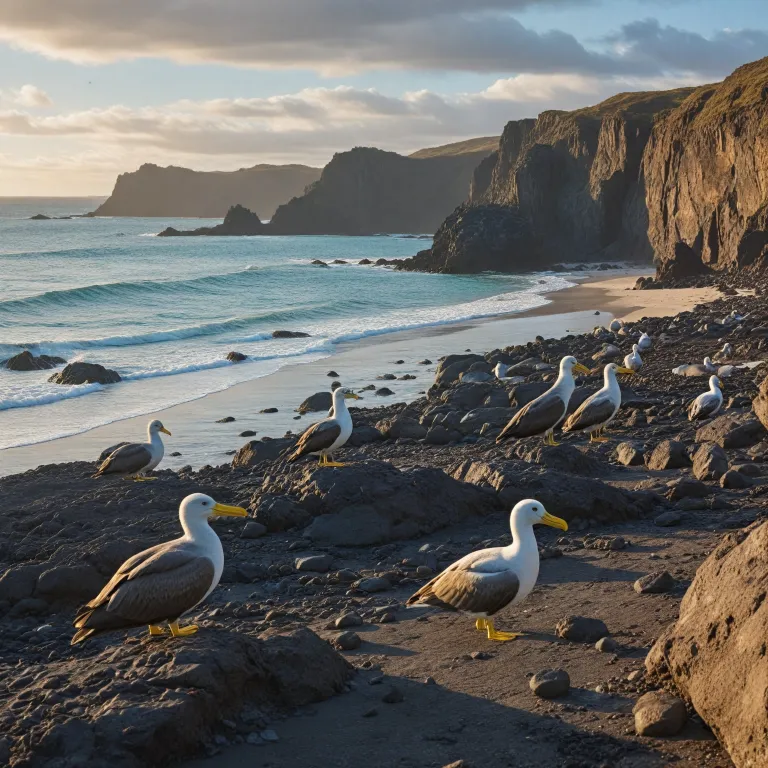
Whichever model you select, confirm that your chosen operator holds authorization for the Española Island visitor site. Only a limited number of vessels and tours may land there, which protects sensitive wildlife such as marine iguanas, Española mockingbirds, and the waved albatross. A serious hotel will be transparent about which ships or day boats they work with, how often they operate, and what level of guiding you can expect on each trip.
Ask detailed questions about the timing of landings at Punta Suárez and Gardner Bay, because light and tides strongly influence your experience. Early morning or late afternoon visits often mean cooler temperatures, softer light over the sea, and more active sea lions and marine iguanas along the trails. Your hotel’s concierge should be able to explain how seasonal changes affect wildlife behavior across the islands, especially during the waved albatross breeding period.
Many luxury travelers appreciate private or small group Galápagos tours, which can be arranged through higher end hotels. These tailored experiences may include a naturalist guide who speaks both English and Spanish, ensuring you understand the site’s history, geology, and conservation story. When a hotel invests in such partnerships, you gain a deeper connection to the island Galápagos environment while still enjoying refined service and privacy.
Wildlife, seasons, and timing your stay around Española
Española Island Ecuador is one of the most wildlife rich corners of the Galápagos Islands, and timing your stay correctly will shape what you see. The island is the sole breeding ground of the waved albatross, with an estimated population of about 30 000 individuals nesting on its cliffs. Many travelers plan their trip between April and December, when these birds court, nest, and launch dramatically over the sea from Punta Suárez.
Beyond the waved albatross, the island hosts colorful marine iguanas, playful sea lions, and numerous seabird species that thrive in the nutrient rich waters. At Gardner Bay you will often find sea lion groups resting on the sand, while marine iguanas bask on black rocks near the shore. Inland trails at the visitor site reveal blue footed boobies, Nazca boobies, and endemic reptiles that evolved in isolation on this ancient island.
Because access to Española Island Ecuador is strictly controlled, your time on shore will be carefully scheduled by the Galápagos National Park. Guides lead small groups along marked paths, ensuring that wildlife remains undisturbed and that fragile vegetation is protected from trampling. Hotels that understand these constraints will help you set realistic expectations about how long you will spend at each site and what level of physical effort is required.
Climate on the islands shifts between a warmer, wetter season and a cooler, drier period, each offering distinct experiences. During cooler months the sea can be choppier, which may affect sensitive travelers on cruises, yet underwater visibility often improves for snorkeling near Gardner Bay. Your hotel or cruise operator should provide clear guidance on sea conditions, recommended gear, and how to prepare for rugged terrain and strong equatorial sun.
Conservation, responsible luxury, and the story behind Española
Staying in comfort near Española Island Ecuador carries a responsibility to understand the conservation story that makes this place so exceptional. Decades ago the Española giant tortoise population fell to critically low numbers, prompting an ambitious breeding and repatriation program led by Ecuadorian authorities and scientific partners. Today more than 2 000 repatriated giant tortoises roam the island again, a powerful reminder that thoughtful human action can reverse damage.
The Galápagos National Park Directorate and organizations such as Galápagos Conservancy and the Charles Darwin Foundation coordinate research, habitat restoration, and visitor management across the islands. Their work includes eradicating invasive species, monitoring wildlife with satellite tracking, and educating both residents and guests about fragile ecosystems. When you choose hotels and Galápagos tours that support these initiatives, your trip contributes directly to the long term health of the island Galápagos environment.
Many high end properties now integrate conservation into their guest experience in visible, practical ways. You may find refillable water stations instead of single use plastic, locally sourced menus that reduce transport emissions between islands, and guided talks about Darwin’s legacy in the Galápagos. Some hotels invite experts to explain why “Española Island hosts unique endemic species and serves as the sole breeding ground for the waved albatross, making its conservation crucial for global biodiversity.”
Responsible luxury also means respecting rules that may initially feel restrictive, such as staying on marked paths or keeping distance from sea lions and marine iguanas. These guidelines protect both you and the wildlife, ensuring that future visitors will enjoy the same unspoiled scenes at Punta Suárez and Gardner Bay. By aligning your expectations with the principles of the national park, you transform a comfortable stay into a genuinely ethical experience.
Choosing between land based stays and Galápagos cruises
Travelers focused on Española Island Ecuador often weigh the merits of land based stays against the appeal of a Galápagos cruise. A land based itinerary anchored on San Cristóbal or another populated island offers spacious rooms, more dining options, and the freedom to explore town life between excursions. This style suits guests who value hotel amenities, prefer sleeping on solid ground, or are traveling with younger children or multi generational families.
By contrast, a Galápagos cruise or a series of shorter Galápagos cruises allows you to wake each day near a different island, maximizing time at remote visitor sites. Ships with permits for Española Island Ecuador typically combine Punta Suárez and Gardner Bay with other highlights, creating a circuit that showcases varied landscapes and species. Onboard naturalist guides provide context in both English and Spanish, linking Darwin’s observations to the wildlife you see along each trail.
From a logistical perspective, land based trips may involve longer sea crossings on day boats to reach Española, which can be challenging in rough conditions. Cruises distribute sailing time more evenly, but cabins are smaller than hotel rooms and schedules are tightly structured around national park regulations. Your tolerance for motion, desire for flexibility, and interest in shipboard life will influence which format feels more luxurious to you.
Some travelers design hybrid itineraries that combine a short cruise including Española Island with several nights in a premium hotel before or after. This approach offers the intimacy of ship based wildlife encounters plus the space and privacy of a refined island property. Whatever you choose, ensure that both hotel and cruise partners operate within Galápagos National Park rules and maintain high standards of safety, guiding, and environmental stewardship.
Practical tips for a seamless high end Española itinerary
To make the most of a luxury focused trip centered on Española Island Ecuador, careful preparation is essential. Begin by confirming that your passport, park permits, and transit control cards are arranged well in advance through your hotel or trusted operator. Because access to the islands is tightly managed, last minute changes can be difficult, so secure your preferred dates for Española early.
Packing with the environment in mind will enhance both comfort and sustainability during your visit. Lightweight clothing, a wide brimmed hat, and high protection sunscreen are vital under the equatorial sun, especially during hikes at the visitor site of Punta Suárez. Closed shoes with good grip help on rocky trails where marine iguanas, sea lions, and seabirds share narrow paths with guests.
For time on the sea, consider motion sickness remedies if you are sensitive, particularly on longer crossings to and from Española Island Ecuador. Snorkeling gear is often provided on Galápagos tours and cruises, but bringing a well fitting mask can improve your experience among reef fish and playful sea lions. Many travelers also appreciate a lightweight dry bag to protect cameras and phones during wet landings at Gardner Bay or other beaches.
Finally, remember that connectivity across the islands remains limited, even in high end hotels and on Galápagos cruises. Embrace this as an opportunity to disconnect, observe wildlife closely, and reflect on the history and fragility of this unique island Galápagos ecosystem. With thoughtful planning and the right partners, your stay near Española can combine refined comfort, rich natural encounters, and genuine respect for Ecuador’s most celebrated national park.
Key statistics about Española Island Ecuador
- Area of Española Island : approximately 60 km² of protected terrain within the Galápagos National Park.
- Maximum elevation on the island : around 206 meters above sea level, creating varied microhabitats.
- Estimated geological age of the island : about 4 million years, making it one of the older Galápagos islands.
- Number of repatriated Española giant tortoises : roughly 2 000 individuals now roaming restored habitats.
- Approximate waved albatross population : close to 30 000 individuals breeding primarily on Española Island.
Essential questions about visiting Española Island Ecuador
Why is Española Island important for conservation?
Española Island is vital because it shelters several endemic species found nowhere else in the Galápagos Islands or the wider world. Its cliffs host the only breeding colony of the waved albatross, while its interior supports unique reptiles and restored populations of giant tortoises. Protecting this single island therefore safeguards an irreplaceable segment of global biodiversity and preserves a living laboratory for ongoing scientific research.
Can tourists visit Española Island?
Tourists can visit Española Island Ecuador, but only under strict regulations enforced by the Galápagos National Park. Access is limited to guided groups traveling with licensed tour operators or cruise vessels that hold specific permits for the island’s visitor site. This controlled system reduces human impact, ensures that trails remain in good condition, and allows wildlife to continue natural behaviors with minimal disturbance.
What are the main threats to Española Island's ecosystem?
The ecosystem of Española faces several pressures, including the historic impact of invasive species such as goats and the ongoing challenge of climate change. Shifts in ocean temperatures can alter food availability for seabirds and marine life, while extreme weather events may affect nesting success for species like the waved albatross. Human activity must therefore remain carefully managed, with strict biosecurity, responsible tourism practices, and continued monitoring by Ecuadorian conservation authorities and their partners.
References
- Galápagos National Park Directorate – official management authority for the Galápagos Islands.
- Galápagos Conservancy – conservation organization supporting research and restoration on Española.
- Charles Darwin Foundation – scientific institution conducting long term studies across the archipelago.