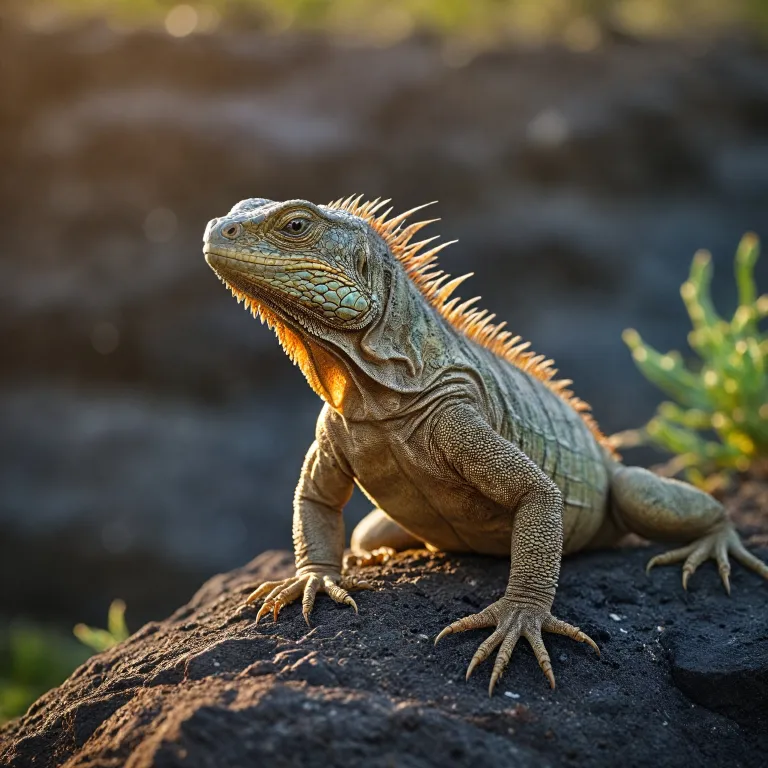
Luxury stays framed by the land iguanas of the Galápagos Islands
Planning a premium stay in the Galápagos Islands often begins with a vision of pristine land, quiet coves, and rare wildlife at your doorstep. For many travelers, the iconic land iguana becomes the symbol of this remote island escape, shaping how they choose both their hotel and their daily tours. A refined hotel on any island feels more meaningful when your concierge understands how these iguanas live, where they bask, and how to reach them in comfort.
The Galápagos land iguana, known scientifically as Conolophus subcristatus, is one of three species of large reptiles land guests can observe on shore. These iguanas share the archipelago with the marine iguana, creating a rare contrast between marine and terrestrial lifestyles that fascinates visitors with limited time. When a luxury property curates private or small group tours, it can ensure you meet each species in a way that respects both conservation rules and your expectations for service.
On Santa Cruz, high end hotels often coordinate early departures to north Seymour and Baltra Island, where the land iguanas of the Galápagos Islands are especially visible along dry trails. Guests may walk past cactus forests where each land iguana waits patiently for fallen pads, a scene that feels almost unchanged since Charles Darwin noted similar behavior during his expedition. Choosing a hotel with strong ties to certified naturalist guides will help you experience these iguanas and the surrounding land with minimal effort and maximum comfort.
Choosing the right island base for refined iguana encounters
Selecting the ideal island for a luxury stay is essential when your goal is to see every iguana species without rushing. Santa Cruz offers the broadest range of premium hotels, and its central position in the Galápagos makes it a practical base for day tours to north Seymour, Baltra Island, and South Plaza. Many travelers pair a refined waterfront stay on Santa Cruz with curated excursions that highlight both the land iguana and the marine iguana in contrasting habitats.
On Santa Cruz, properties close to Puerto Ayora can arrange visits to the Darwin Station, where guests learn how Galápagos land iguanas were bred and prepared for reintroduction to Santiago Island. This scientific context adds depth to your time on the trails, especially when you later walk on that island and see Conolophus subcristatus reclaiming its ecological role. For travelers seeking refined comfort near the harbor, you can explore an in depth review of a premium stay at the Angermeyer Waterfront Inn on Santa Cruz Galápagos through this detailed guide : experience refined comfort at Angermeyer Waterfront Inn.
Baltra, by contrast, is primarily an access island, yet its dry land and nearby trails offer immediate views of the iguana Galápagos travelers often see first. From Baltra Island, many guests transfer directly to Santa Cruz or embark on small ships that cruise toward Santiago Island, Dragon Hill, or South Plaza. When comparing hotels, consider whether you prefer a single island base with day tours or a combination of land stays and short cruises that bring you closer to remote iguana habitats.
How conservation shapes premium hotel experiences around land iguanas
Luxury and premium hotels in the Galápagos increasingly integrate conservation stories into their guest experience, especially those involving the land iguanas of the Galápagos Islands. The reintroduction of Galápagos land iguanas to Santiago Island after nearly 200 years of local extinction illustrates how carefully managed land can recover. This project, led by the Galápagos National Park Directorate with support from Galápagos Conservancy, now influences how hotels design educational content, private briefings, and guided tours.
Historical records show that Charles Darwin last reported land iguanas on Santiago Island during his expedition, and for many years the species vanished from that land due to invasive animals. Modern conservation teams used individuals from north Seymour Island, where Conolophus subcristatus remained abundant, to rebuild the population on Santiago. “Reintroduction of Galápagos land iguanas to Santiago Island after nearly 200 years of local extinction.”
For discerning travelers, this means that a stay on Santa Cruz or another central island can now include day tours to Santiago Island that are both comfortable and meaningful. Hotels that collaborate closely with certified guides ensure that visits to Dragon Hill or similar sites respect fragile cactus zones where each land iguana feeds. When you evaluate premium properties, ask how they support conservation partners, whether they brief guests on iguana friendly behavior, and how their chosen tours minimize pressure on sensitive land.
Designing high end itineraries around key iguana hotspots
A thoughtful luxury itinerary in the Galápagos balances relaxation at your hotel with targeted excursions to the best iguana sites. Many guests begin on Santa Cruz, then join day tours to north Seymour, South Plaza, and Baltra Island, where both land iguanas and marine iguanas share the same coastal land. These islands offer relatively short walks, making them ideal for travelers who value comfort, privacy, and time efficient wildlife viewing.
On north Seymour, trails cross open land where the Galápagos land iguana often rests near low shrubs and scattered cactus, while the marine iguana clings to black rocks along the shore. South Plaza, though small, hosts dense populations of iguanas that create dramatic scenes against the red vegetation and blue sea. Guides frequently explain how three species of large iguanas evolved here, including the land iguana, the marine iguana, and rare hybrids that highlight the complexity of island evolution.
Farther afield, Santiago Island and Dragon Hill attract travelers who want to see how reintroduced land iguanas are reshaping the land after many years of absence. Premium hotels can arrange chartered boats or small group tours that align with your preferred pace, meal times, and comfort level. When planning, consider combining these excursions with a stay focused on Santa land experiences, where Santa Cruz hotels provide spa services and fine dining after long days on the islands.
What to ask your luxury hotel about iguana focused tours
When booking a premium hotel in the Galápagos, informed questions help align your stay with both comfort and conservation of the land iguanas of the Galápagos Islands. Start by asking whether the property works with certified naturalist guides who are trained to interpret the behavior of each iguana species on land and along the coast. Clarify if group sizes remain small, which improves both wildlife viewing and the overall sense of exclusivity during your time on each island.
Next, request sample itineraries that show how often you will visit key sites such as north Seymour, South Plaza, Dragon Hill, and Santiago Island. A well designed program should balance encounters with the Galápagos land iguana, the marine iguana, and other reptiles land travelers hope to see, without repeating the same land trails unnecessarily. Ask whether your hotel can arrange private departures that avoid the busiest hours, giving you quieter moments with Conolophus subcristatus near cactus stands or open lava fields.
It is also wise to discuss how the hotel supports organizations like the Galápagos National Park Directorate and Galápagos Conservancy, which manage iguana reintroductions and long term monitoring. Some properties contribute a portion of tour revenue to projects on Santiago Island or to research at the Darwin Station on Santa Cruz. For additional insight into how upscale stays can integrate conservation minded perks and even exclusive rate structures, you may consult this guide to access exclusive luxury hotel discounts in the Galápagos Islands.
Practical tips for refined travelers meeting the land iguanas
Even in a luxury context, respectful behavior around the land iguanas of the Galápagos Islands is essential for both safety and conservation. Maintain the distance recommended by your guide on every island, whether you are watching a land iguana feeding beneath a cactus or a marine iguana warming on coastal rocks. This approach protects the animals, preserves the natural feel of the land, and ensures that future guests enjoy equally authentic encounters.
Pack lightweight clothing suitable for strong sun on open land, as many iguana trails on north Seymour, South Plaza, and Baltra Island offer little shade. Sturdy walking shoes help you navigate uneven lava and sandy paths on Santiago Island, Dragon Hill, and Santa Cruz, where three species of iguanas and other reptiles land share the same fragile terrain. A wide brimmed hat, reusable water bottle, and reef safe sunscreen will make your time on these islands more comfortable without harming the marine environment.
Finally, consider how many years you have dreamed of this journey and allow enough time on each island to appreciate both the wildlife and your hotel. A stay of several nights on Santa Cruz, combined with carefully chosen tours, lets you observe the Galápagos land iguana, the marine iguana, and other species without rushing. By aligning your expectations, your choice of property, and your respect for the land, you help ensure that Conolophus subcristatus and its fellow iguanas continue to thrive across the Galápagos Islands.
Key statistics about Galápagos land iguanas
- Number of land iguanas reintroduced to Santiago Island in 2019 : 1 436 individuals.
- Estimated total population of Galápagos land iguanas across the islands : 5 000 individuals.
- Typical lifespan of a Galápagos land iguana in the wild : up to 60 years.
Essential questions about land iguanas and luxury travel
Why were land iguanas reintroduced to Santiago Island?
They were reintroduced to restore the ecological role of land iguanas and improve biodiversity after their local extinction due to invasive species, a change that now enriches guided tours from luxury hotels that include this island on their itineraries.
What challenges do reintroduced land iguanas face?
They face challenges such as habitat degradation, potential predation by remaining invasive species, and the need for ongoing monitoring to ensure population stability, factors that responsible tour operators explain to guests during visits to Santiago Island and nearby land.
How can tourists support land iguana conservation?
Tourists can support conservation by choosing eco friendly tour operators, following guidelines to minimize environmental impact, and contributing to local conservation programs, actions that align naturally with the ethos of many luxury and premium hotels in the Galápagos Islands.
References : Galápagos National Park Directorate ; Galápagos Conservancy ; Charles Darwin Research Station.