Floreana Island luxury travel: quiet, story-rich Galápagos escapes
Floreana Island for luxury travelers seeking rare quiet and deep story
Floreana Island lies in the southern Galápagos archipelago, a remote volcanic landscape with only about 100 residents in the village of Puerto Velasco Ibarra. This isolation creates an unusual level of privacy for discerning travelers, while the surrounding sea and lava fields hold some of the region’s most intriguing stories. For guests accustomed to full-service hotels, the island’s minimal infrastructure means you curate comfort through your expedition vessel, cruise cabin or chartered yacht rather than through a large resort.
The main village of Puerto Velasco Ibarra sits on the south coast of this Galápagos island, facing open water and framed by dark lava flows and low hills. From the small pier, visitors board pangas or private tenders to reach the principal landing sites around Floreana, including Cormorant Point, Devil’s Crown and historic Post Office Bay. Each day here feels shaped by tides, wind and light, so planning your excursions around sea conditions is essential for a smooth, high-end experience.
Because there is no airport on Floreana, access is by boat from Santa Cruz Island in the central Galápagos. Upscale travelers usually arrive on small expedition ships or luxury liveaboards that include Floreana in their itineraries, while some choose private charters for more flexible daily schedules. When you book, confirm whether your chosen vessel offers guided landings at Cormorant Point, Asilo de la Paz and Post Office Bay, and ask your Galápagos specialist to outline typical sailing times and tender procedures so your Floreana Island luxury travel plans match your comfort level.
Wildlife encounters on Floreana Island: from sea turtles to sea lions
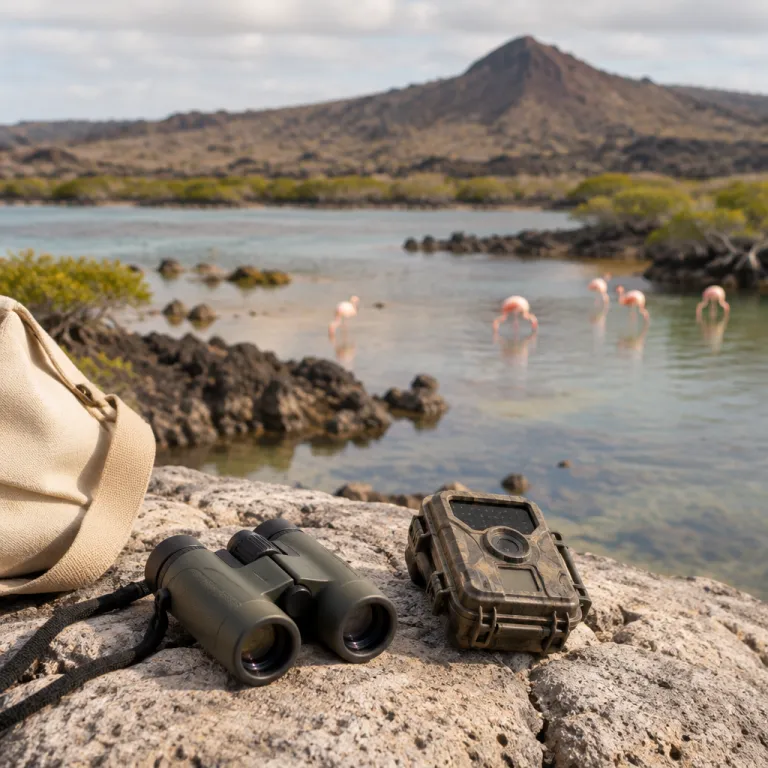
For many visitors, the first wildlife memory of Floreana is the green sand beach at Cormorant Point, where sea turtles haul out to nest. Just behind the shore, a brackish lagoon attracts flamingos and other coastal birds, while offshore reefs shelter reef fish and occasional rays in clear water. Many luxury travelers experience this area from a guided zodiac, then return to their ship’s deck for a quiet drink as the sun sinks behind the Galápagos Islands.
Devil’s Crown, a submerged volcanic crater near Cormorant Point, is one of the most celebrated snorkeling sites in the Galápagos. Here, strong currents sweep through the broken lava ring, bringing nutrients that attract sea lions, sea turtles and schooling fish in impressive numbers. Only confident swimmers should enter the water at Devil’s Crown, so ask your guide for alternative, calmer snorkeling spots around Floreana if you prefer gentler conditions.
On the black sand beach at Post Office Bay, playful sea lions often rest near the traditional wooden barrel that serves as the famous post office of the Galápagos. Guests from luxury ships and smaller yachts alike leave postcards without stamps, trusting future visitors to hand deliver them, a ritual that connects travelers across islands and years. If you are visiting during the cooler, wildlife-rich months, consult a specialist guide to the cool season’s last great wildlife weeks to time your Floreana stay for peak marine activity and the most rewarding Devil’s Crown snorkeling.
Human drama and heritage: the Galápagos Affair and Floreana’s early settlers
Floreana holds some of the most dramatic human stories in the Galápagos, and understanding them adds depth to any high-end journey. In the early twentieth century, German doctor Friedrich Ritter and his partner Dore Strauch arrived on this remote island seeking isolation, followed later by Margret Wittmer and her family, and then by the enigmatic Baroness Eloise von Wagner. Their tangled relationships, disappearances and deaths in the 1930s became known collectively as the Galápagos Affair, a true story documented in Wittmer’s 1960 memoir and later in the 2013 film “The Galapagos Affair: Satan Came to Eden,” which still fascinates visitors on guided cultural walks.
Today, you can visit Asilo de la Paz in the highlands, where caves, a freshwater spring and simple agricultural plots recall those early settlers. Guides recount how Margret Wittmer raised her children here, how Friedrich Ritter tried to live a strict vegetarian life, and how the Baroness’s ambitions clashed with the small community. The trail passes through native vegetation and old lava formations, offering views across Floreana and out toward the surrounding sea and neighboring islands.
Puerto Velasco Ibarra, the main settlement on Floreana, is named after an Ecuadorian president and remains a quiet fishing village with basic guesthouses and a modest pier. Luxury travelers usually sleep aboard their vessels but come ashore to walk the sandy streets, meet residents and gain a sense of daily life in this remote part of Ecuador. To understand how land-based stays evolved elsewhere in the archipelago, many travelers combine time on Floreana with a stay on Santa Cruz, where pioneering properties show how comfort and conservation can align.
Conservation, restoration and the fragile species of Floreana Island
Floreana has experienced some of the most intense ecological pressure in the Galápagos, with invasive species and past hunting pushing several native animals to the brink. Conservation partners, including the Galápagos National Park Directorate and Island Conservation, are now leading an ambitious restoration program to recover the island’s original ecosystems. Their work focuses on eradicating invasive mammals, restoring native vegetation and reintroducing giant tortoises closely related to the extinct Floreana form, with phased eradication and reintroduction efforts planned through the mid-2020s.
One of the most emblematic birds is the Floreana Mockingbird, a species so threatened that it no longer survives on the main island itself. According to the Galápagos National Park and the IUCN Red List assessments updated in the 2010s, remaining populations persist only on nearby predator-free islets such as Champion and Gardner-by-Floreana. Luxury travelers with a strong interest in conservation can arrange specialist itineraries that include offshore islets where this mockingbird endures, always under strict guidance from Ecuadorian park authorities.
Marine conservation around Floreana is equally important, because the surrounding sea supports sea turtles, sea lions and many fish species that depend on healthy reefs. Responsible operators brief visitors carefully on how to behave in the water, from keeping distance to avoiding contact with lava formations that shelter delicate organisms. When choosing a premium cruise or yacht, ask specifically about their conservation policies on invasive species control, waste management and support for the Floreana restoration project, and consider itineraries that include onboard talks by naturalist guides about current monitoring data.
Planning a luxury stay around Floreana Island: routes, seasons and comfort
Because Floreana has no airport and only basic accommodation in Puerto Velasco Ibarra, most high-end travelers experience it as part of a curated cruise itinerary. Ships usually depart from Santa Cruz or San Cristóbal Island, then weave between several Galápagos islands, with one or two days dedicated to Floreana. When reviewing itineraries, look for routes that include Cormorant Point, Devil’s Crown, Post Office Bay and Asilo de la Paz to gain a complete sense of the island.
Seasonality shapes what you see and how you feel on Floreana, from sea temperatures to wildlife behavior. The cooler, nutrient-rich months bring better conditions for sea lions and sea turtles around Devil’s Crown, while warmer periods offer calmer water for less experienced swimmers. Luxury ships often provide thicker wetsuits, heated decks and attentive guides, which makes snorkeling around this southern island comfortable even when the sea feels brisk.
For travelers who want to combine Floreana with world-class diving or extended stays on other islands, it is worth exploring curated itineraries that pair liveaboards with high-end hotels. A useful starting point is a detailed guide to diving in style from luxury hotels and liveaboards, which explains how to balance time at sea with time on land. When you book, confirm transfer logistics between your hotel, your vessel and the small port at Puerto Velasco Ibarra, and ask your tour operator for a sample day-by-day plan so you can visualize embarkation times, inter-island crossings and guided shore excursions.
Floreana Island’s layered history: from Charles Darwin to modern Ecuador
Long before the Galápagos Affair captured imaginations, Floreana played a role in the early scientific exploration of the archipelago. Charles Darwin visited the Galápagos on HMS Beagle in 1835 and came ashore on several islands, including this one, observing species that later informed his ideas about evolution. While the exact trails have changed, walking across the lava fields and highlands still evokes the sense of a living laboratory.
The island’s name honors Juan José Flores, the first president of Ecuador, reflecting how national history and natural history intersect here. Later, political figures such as José María Velasco Ibarra also left their mark on the country, while the small settlement of Puerto Velasco Ibarra on Floreana carries that legacy in its name. As you move between the village, Asilo de la Paz and Post Office Bay, guides often weave stories of Charles Darwin, early colonists and modern Ecuadorian governance into a single narrative.
Post Office Bay remains one of the most atmospheric stops on any Floreana itinerary. Here, the simple wooden barrel post office recalls the days when whalers and sailors left letters for passing ships, a tradition that continues with modern visitors. Standing on the beach with sea lions at your feet and the open sea beyond, you feel how this small Galápagos island connects personal journeys, global science and the evolving conservation story of the archipelago.
Key figures for Floreana Island and its conservation context
- Floreana Island covers about 173 km², making it a mid-sized island in the Galápagos Province of Ecuador compared with larger neighbors like Isabela and Santa Cruz.
- The maximum elevation on Floreana reaches roughly 640 meters, which creates distinct ecological zones from coastal lava shores to cooler, wetter highlands around Asilo de la Paz.
- The resident population of Puerto Velasco Ibarra is close to 100 people, so visitors often outnumber locals on busy days, reinforcing the need for sensitive tourism practices.
- According to assessments cited by Island Conservation and the Galápagos National Park Directorate, a high proportion of evaluated species on Floreana fall into IUCN threatened categories, which is a key driver for the current restoration project.
- The Floreana restoration initiative includes the reintroduction of giant tortoises genetically related to the extinct native form, using breeding centers and invasive species eradication to rebuild lost ecological functions.
FAQ about Floreana Island luxury travel and conservation
How do you reach Floreana Island if there is no airport ?
Travelers reach Floreana Island by boat from Santa Cruz Island, either on scheduled inter-island ferries, expedition cruises or private charters. Luxury guests usually board small ships or yachts that include Floreana in wider Galápagos itineraries. All arrivals and departures use the small pier at Puerto Velasco Ibarra on the south coast.
Can visitors see the Floreana Mockingbird on the main island ?
The Floreana Mockingbird no longer lives on the main island because invasive species and habitat loss eliminated it there. Today, this species survives only on nearby predator-free islets managed by the Galápagos National Park. Access to those islets is tightly controlled, so most visitors learn about the mockingbird through guided talks rather than direct sightings.
Is there luxury accommodation on Floreana Island itself ?
Puerto Velasco Ibarra offers only simple, small-scale accommodation and basic services, not full-service luxury hotels. High-end travelers typically sleep aboard well-appointed expedition ships or private yachts that anchor off Floreana for one or two nights. Those vessels provide comfortable cabins, fine dining and expert guiding while using the island for daytime landings and snorkeling.
What are the must see sites on Floreana Island for first time visitors ?
Most curated itineraries include Cormorant Point for its green sand beach and sea turtles, Devil’s Crown for advanced snorkeling with sea lions and rich fish life, and Post Office Bay for its historic barrel post office. Many also add Asilo de la Paz in the highlands to explore caves, springs and the legacy of early settlers like Friedrich Ritter and Margret Wittmer. Together, these sites offer a balanced view of Floreana’s wildlife, geology and human history.
Why is Floreana Island so important for conservation in the Galápagos ?
Floreana suffered heavy impacts from invasive species and past exploitation, leaving many native species threatened or locally extinct. Current restoration work aims to remove invasive animals, restore native vegetation and reintroduce key animals such as giant tortoises, which once shaped the island’s ecosystems. Because a large share of assessed species here are considered at risk, success on Floreana would represent a major milestone for conservation across the Galápagos Islands.