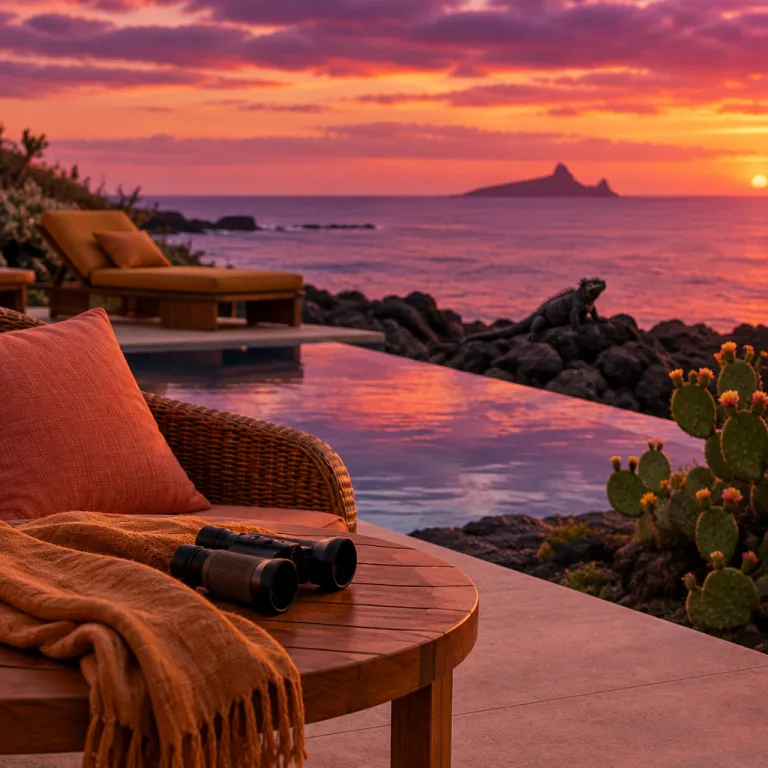
How the best time to visit Ecuador shapes luxury in the Galapagos
Choosing the best time to visit Ecuador is the single decision that most transforms a luxury stay in the Galapagos. The same yacht suite, the same oceanfront villa, and the same level of service can feel entirely different depending on the season, the light, and the rhythm of the days. When you plan your time of visit with intention, you align your expectations with the weather, wildlife, and price dynamics that define each month of the year.
For high end travellers, the ideal period is rarely only about sunshine or a dry forecast; it is about how the dry season and the wet season influence wildlife encounters, sea conditions, and the privacy of each cove. In the Galapagos Islands, the cooler dry season from roughly June to November brings nutrient rich waters, superb marine life, and often calmer, more predictable conditions for navigation. The warmer rainy season, especially from January and February through March and April, offers glassy seas, lush landscapes, and a softer light that flatters every photograph of a giant tortoise grazing in the highlands.
Because Ecuador–Galapagos itineraries operate year round, the question is not whether there is a bad time of year to travel, but which period aligns with your style. Some guests prefer the social energy and polished service of the high season, when August–September and September–October departures sell out months in advance. Others value the quieter ambience and more flexible price structures of shoulder months such as April–June or October–November, when a luxury cruise or coastal villa on the shore can feel almost private.
Hidden island gems by season: matching Galapagos places to your travel month
Once you understand the best time to visit Ecuador in broad strokes, you can start pairing specific Galapagos places with your preferred month and season. On Santa Cruz, the highlands around El Chato and the lava tunnels feel particularly atmospheric in the dry season, when misty garúa clouds drift over the fields and a giant tortoise may cross the path in front of your private transfer. During March–April and April–June, these same highlands become greener and more humid, which creates a different mood for guests staying in secluded lodges with panoramic decks.
On Isabela, luxury beachfront properties in Puerto Villamil come into their own from June–July through August–September, when the weather is cooler and the long sandy coast is ideal for afternoon walks between excursions. In the warmer rainy season, especially January–February and February–March, the sea can be calmer, which suits travellers who prioritise gentle snorkelling days and relaxed yacht tenders. When you plan your time of visit carefully, you can reserve suites that face sunrise or sunset according to the season, ensuring that the light and the tides match your daily rhythm.
For guests combining mainland Ecuador with the islands, the Andes and the Amazon add another layer of timing strategy. Quito and the surrounding highlands can be pleasantly cool at almost any time of year, but showers vary by month, which matters if you plan to explore hidden colonial courtyards or remote haciendas. To map these nuances and identify lesser known points of interest from Quito to the Galapagos Islands, refined travellers often rely on curated guides that highlight Ecuador points of interest and hidden gems, then align their reservations with the most suitable season.
Weather, wildlife and wet season magic: when luxury feels most exclusive
Weather in Ecuador–Galapagos is never an afterthought for luxury travellers, because it dictates not only comfort but also access to the most exclusive experiences. The dry season, especially from June–July through September–October, tends to bring cooler air temperatures, choppier seas, and superb underwater visibility, which suits guests who prioritise diving, longer zodiac rides, and active excursions. During these months, the price of top tier suites and private charters often rises, reflecting strong demand for what many consider the prime time to visit.
The wet season, which many call the rainy season, has its own quiet magic that is often underestimated by first time visitors. From January–February through March–April and into April–June, short showers alternate with bright sun, the coast becomes greener, and the highlands of each island feel almost tropical. For travellers focused on photography, birdlife, and relaxed days on deck, this time of year can be the most rewarding, because the softer light and calmer seas create a more indulgent atmosphere.
Wildlife behaviour also shifts with each season, which matters if you are planning a once in a lifetime stay. On Santa Cruz and Isabela, giant tortoise movements in the highlands vary by month, so your guide and concierge will often suggest specific days for early morning visits to private reserves. As one long time naturalist guide explained to a recent guest, “We do not chase the animals; we time our visits so the animals are already where they want to be.” To understand how these cycles intersect with the guest experience, many travellers appreciate detailed briefings at institutions such as the Charles Darwin Research Station; a practical preview of what visitors actually see is available in in depth descriptions of the Charles Darwin Research Station experience, which helps you align your time of visit with the most meaningful encounters.
Balancing price, privacy and high season demand in Galapagos luxury stays
For many guests, the best time to visit Ecuador is the moment when comfort, privacy, and price intersect gracefully. In the Galapagos Islands, this balance shifts across the year, with peak demand often clustering around school holidays and the cooler dry season months from June–July to September–October. During these periods, suites on small expedition yachts and oceanfront villas on the coast can sell out nearly a year in advance, and the price for premium cabins or family suites reflects that demand.
Shoulder periods such as March–April, April–June, October–November, and November–December often offer a more favourable relationship between price and exclusivity. The weather may be slightly warmer or more variable, but the number of guests on trails and at landing sites can be lower, which enhances the sense of seclusion that many luxury travellers seek. If you are flexible with your month of travel, your concierge or specialist agent can often secure added value, such as complimentary extra days, private guiding, or upgraded cabins, especially outside the absolute peak of the dry season.
True low season in Ecuador–Galapagos is less pronounced than in many destinations, because the archipelago operates year round and wildlife remains active in every season. However, certain weeks in February–March or late November–December can be quieter, particularly for longer itineraries that combine the Andes, the Amazon, and the islands. When you evaluate the best time and the total time of year you have available, consider not only the base price but also the value of quieter decks, more attentive service, and the freedom to linger longer with a giant tortoise or sea lion without feeling rushed.
Combining Ecuador’s regions: Galapagos, Andes, Amazon and the Pacific coast
Many refined travellers do not only ask about the best time to visit Ecuador for the Galapagos; they want to orchestrate a journey that also includes the Andes, the Amazon, and the Pacific coast. Because Ecuador sits on the equator, the concept of four classic seasons does not apply in the same way as in Europe or North America. Instead, you navigate a mosaic of microclimates, where each region has its own dry season, rainy season, and subtle shifts in weather by month.
In the highlands around Quito and the Avenue of the Volcanoes, temperatures remain relatively stable year round, but rainfall patterns change, which affects visibility for scenic flights and panoramic terraces. The Amazon, by contrast, experiences abundant rainfall in most months, with some periods slightly drier, which can influence river levels and the ease of wildlife viewing from luxury lodges. On the Pacific coast, including refined beach retreats near Manta or Ayangue, the months from December through April can feel warmer and more humid, while June–July and July–August bring cooler, drier air that many guests find more comfortable for long days outdoors.
When you combine these regions with Ecuador–Galapagos, the art lies in sequencing. Some travellers begin with the Andes to acclimatise, continue to the Amazon for three or four days of immersive rainforest experiences, and finish in the Galapagos Islands as the highlight. Others reverse the order to align with a specific time of year, such as a coveted August–September yacht departure or a special event in Quito during October–November, and then adjust their stays on the coast or in the highlands accordingly.
Designing your ideal itinerary: aligning days, month and season with your style
Once you have a sense of the best time to visit Ecuador across its regions, you can design an itinerary that reflects your personal travel style. For guests who value depth over speed, a minimum of seven to ten days in the Galapagos Islands allows for a mix of yacht based exploration and time in a refined lodge in the highlands of Santa Cruz or on the coast of San Cristóbal. Those who wish to include the Andes and the Amazon often plan at least twelve to fifteen days, which gives enough time to visit each region without constant packing and unpacking.
Seasonal nuances then refine the plan. A couple focused on marine life might choose a dry season departure in June–July or July–August, when cooler waters attract more pelagic species, and then add a few days on the Pacific coast where breezier weather feels refreshing. A family with school age children might prefer the warmer wet season months of December, January–February, or February–March, when the sea can be calmer for first time snorkellers and the landscapes of Ecuador–Galapagos appear greener and more vibrant.
To align all these elements with real availability and price trends, it is helpful to consult a planning resource dedicated to refined island stays. A detailed guide such as a comprehensive overview of the best time to visit Ecuador and the Galapagos for refined stays can clarify how each time of year affects yacht departures, lodge openings, and promotional structures. With that framework, you can then work with a specialist to secure the specific suite, deck, and guiding team that will make your chosen season feel like the best time for you.
Key statistics for timing luxury travel in Ecuador and the Galapagos
- According to the Galapagos National Park Directorate, visitor numbers are relatively stable year round, but high season peaks often occur between June–July and September–October, when cooler dry season conditions attract more international travellers (see annual visitation summaries on the official Galapagos National Park website at galapagos.gob.ec).
- Data from the Ecuadorian Ministry of Tourism indicate that average hotel occupancy in the Galapagos Islands can exceed 80% during major holiday periods in December and around Easter, compared with significantly lower occupancy in some weeks of February–March and late November–December (refer to the Ministry’s tourism statistics reports available via turismo.gob.ec).
- Sea surface temperatures around the central Galapagos Islands typically range from about 18–23 °C in the cooler dry season to roughly 23–27 °C in the warmer wet season, which directly influences marine wildlife behaviour and guest comfort while snorkelling (based on long term monitoring data cited by the Galapagos National Park Directorate and regional oceanographic studies).
- In Quito and the surrounding Andes, average daytime temperatures remain close to 20 °C throughout the year, but rainfall can vary by more than 50% between the driest and wettest months, affecting visibility for volcano views and outdoor excursions (as reported in Ecuadorian meteorological and tourism briefings published by national agencies).
- On Ecuador’s Pacific coast, climatological records show that the warmest sea temperatures and most humid air usually occur between January–February and April, while the period from June–July to September–October tends to be cooler and drier, which many luxury travellers prefer for extended beach stays (summarised in coastal climate data released by Ecuador’s official meteorological services).
FAQ: planning the best time to visit Ecuador and the Galapagos
Is there a single best month to visit the Galapagos for luxury travel?
There is no single best month, because the Galapagos Islands offer excellent experiences year round, but your priorities will shape the ideal choice. Guests focused on marine life and cooler air often prefer the dry season from roughly June–July to September–October. Those who value warmer seas, lush landscapes, and slightly softer price dynamics may favour the wet season months from December through March–April.
How far in advance should I book a high end Galapagos hotel or yacht?
For peak dry season departures in June–July, July–August, and August–September, it is wise to secure your preferred yacht cabin or premium suite at least nine to twelve months in advance. Shoulder periods such as March–April, April–June, October–November, and November–December can sometimes be booked closer to departure, but top category rooms still fill quickly. Last minute availability is possible in some weeks of the rainy season, yet choice will be more limited.
Is the rainy season a bad time of year to visit Ecuador–Galapagos?
The rainy season, or wet season, is not a bad time; it is simply different. Showers are often brief and followed by sunshine, the sea can be calmer, and the islands appear greener, which many guests find beautiful. For travellers who prioritise comfort in the water, photography, and slightly lower price levels, months such as January–February and February–March can be an excellent window for travel.
Can I combine the Galapagos with the Andes, Amazon and the coast in one trip?
Yes, many luxury itineraries combine the Galapagos Islands with the Andes around Quito, the Amazon rainforest, and the Pacific coast. A well paced journey usually requires at least twelve to fifteen days, allowing three to four nights in each region. The key is to align your time of visit with regional weather patterns so that you enjoy comfortable conditions in each area.
When is the best time to see giant tortoises in the Galapagos highlands?
Giant tortoises can be seen in the Galapagos highlands throughout the year, but their exact locations shift with the season and rainfall. During parts of the dry season, more individuals may concentrate in specific reserves, while in the wet season they can disperse more widely. Your guide and hotel concierge will usually recommend the best days and times based on current conditions during your stay.