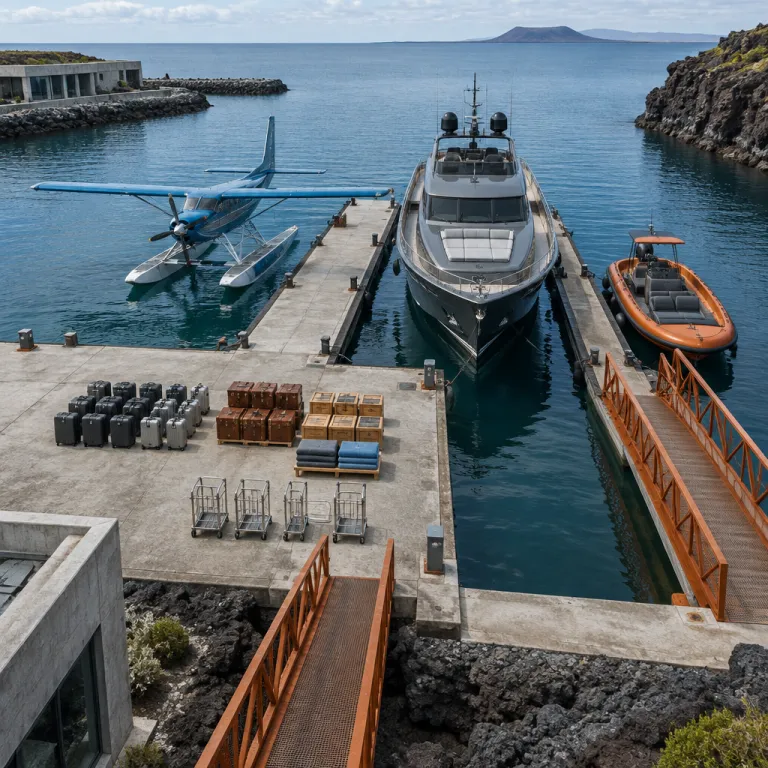
Choosing your route to the Galapagos Islands for a luxury stay
Understanding how to get to the Galapagos Islands is the first step to planning a refined trip. When travelers ask how do you get to the Galapagos Islands, they are really asking how to connect international flights, domestic routes, and premium services smoothly. The way you travel to the islands will shape your first impressions of this extraordinary archipelago.
The Galapagos archipelago is part of Ecuador, located about 1 000 km off the Pacific coast, and every island feels remote yet surprisingly accessible. Most visitors arrive from the United States or Europe on international flights that land in either Quito or Guayaquil, then continue to the Galapagos Islands on a separate domestic segment. This two step travel structure means your time on the mainland of Ecuador can be tailored to match your preferred level of comfort and style.
Luxury travelers usually fly into Quito first, then connect to the Galapagos the next morning, while others prefer Guayaquil for a shorter domestic flight time. Typical flight durations are around 2.5 hours from Quito (often with a brief stop in Guayaquil) and about 2 hours from Guayaquil to Baltra or San Cristóbal. Airlines such as LATAM, Avianca, and Equair commonly operate these routes, and both Quito and Guayaquil offer five star hotels, private transfers, and concierge services that help you manage luggage, transit control formalities, and early departures. When you plan your journey to the Galapagos Islands, consider whether you want a short city break in Ecuador or to move directly toward your island adventure.
Two main airports serve the Galapagos Islands; one is located on Baltra Island near Santa Cruz Island, and the other is on San Cristóbal Island. Flights from Quito usually route via Guayaquil, even when you start in the capital, so you should allow enough time between connections in case of minor delays. Many travelers aim for at least a 2 to 3 hour window between international and domestic flights. Your choice between Baltra and San Cristóbal will influence whether your first night is on Santa Cruz, on Cristóbal Island, or on a cruise yacht that boards close to these inhabited islands.
For a seamless luxury trip, coordinate your flights with your hotel or cruise operator before you purchase tickets. Many high end land based lodges and expedition cruise lines hold preferred seats on specific flights to the Galapagos Islands and will advise you on the best arrival time. As one frequent visitor from New York noted, “having the yacht company book my domestic segment meant I walked off the plane and straight onto the zodiac.” This coordination helps you avoid long waits at the airport and ensures that your first hours on the islands are spent on the water, on the land, or relaxing in your suite rather than in transit.
From airport to island: navigating arrivals, control cards, and transfers
Once you know how to get to the Galapagos Islands by air, the next step is understanding what happens when you arrive in Ecuador. At the Quito or Guayaquil airport, you must obtain a transit control card before boarding your domestic flight to the archipelago. This control card is part of the Galapagos National Park system and helps regulate how many people enter the islands at any given time.
The transit control process is usually efficient, but luxury travelers should still allow at least 90 minutes before departure to complete the formalities in Quito or Guayaquil. Some high end travel agencies in Ecuador and the Galapagos offer VIP assistance, where a staff member will help you fill out forms, pay the fee, and check your luggage through to the islands. This service can be especially valuable after a long international flight from the United States or Europe, when your energy and attention are limited.
On arrival in the Galapagos Islands, you pass through Galapagos National Park inspection, where luggage is checked to protect the fragile land and water ecosystems. The national park fee is usually paid in cash on arrival, so confirm the current amount with your hotel or cruise company before your trip; as a reference point, the Galapagos National Park Directorate has recently listed the standard adult fee at around US$100, with updated rates published on official channels in 2024. Once you clear this step, your luxury experience truly begins, with private transfers waiting to take you toward your chosen island or yacht.
From Baltra, most travelers cross the narrow Itabaca Channel by water ferry, then continue by road across Santa Cruz Island to Puerto Ayora. Many premium land based lodges in the Santa Cruz highlands include this transfer, sometimes with a scenic stop in the Scalesia forests or lava tunnels; for a deeper look at this area, guides often recommend reading about the hidden landscapes of the Santa Cruz highlands. One couple described the drive as “our first real glimpse of giant tortoises in the wild, just meters from the road.” If you are boarding a cruise, your operator will usually meet you directly at the Baltra dock and transfer you by zodiac to the yacht.
On San Cristóbal Island, transfers are shorter, as the airport is located close to Puerto Baquerizo Moreno and to several upscale hotels. Here, land based travelers can be in their rooms within 20 to 30 minutes, while cruise guests often embark directly from the nearby pier. Whether you choose Santa Cruz, Cristóbal Island, or another inhabited island as your base, the quality of your arrival transfer sets the tone for the rest of your stay.
Choosing between luxury cruises and land based stays
When travelers ask how do you get to the Galapagos Islands, they are often also deciding whether to stay on land or at sea. The choice between a luxury cruise and a high end land based itinerary will shape how you move between islands, how much time you spend on the water, and how you experience wildlife. Both options can be exceptional when planned with care and aligned with your travel style.
Luxury cruises in the Galapagos archipelago typically operate on small expedition vessels, with capacities ranging from 16 to around 100 guests. These yachts follow carefully designed routes approved by Galapagos National Park authorities, allowing you to visit remote islands, such as North Seymour or uninhabited corners of Isabela Island, that are difficult to reach on day trips. For travelers who want to wake up each morning at a new landing site, a cruise based itinerary offers unmatched access and efficient use of time.
Land based trips focus on overnight stays in premium hotels on the main inhabited islands, especially Santa Cruz Island, San Cristóbal Island, and Isabela Island. From Puerto Ayora on Santa Cruz, from Puerto Villamil on Isabela, or from the waterfront of Cristóbal Island, you can join guided day tours that explore nearby sites by yacht and return to your suite each evening. This land based style appeals to travelers who prefer more spacious rooms, spa facilities, and the freedom to stroll through local towns after sunset.
Some guests choose a hybrid approach, combining a shorter cruise with several nights in a luxury hotel on one island. This strategy can help you balance the immersive wildlife access of a cruise with the cultural and culinary experiences available on land in Ecuador Galapagos towns. If you are flexible on travel dates, you may also benefit from seasonal price variations; for example, some operators highlight that certain months bring cooler water, more penguin sightings, and lower rates.
Whether you choose cruise or land based travel, your route through the islands will likely include iconic sites such as North Seymour, Santa Cruz highlands, or the lava fields of Isabela. Island hopping by speedboat or small aircraft can link these destinations, but it is essential to coordinate schedules carefully to avoid long waits and rough water crossings. A specialist luxury and premium hotel booking website in the Galapagos Islands can help you compare cruise itineraries, land based packages, and island hopping combinations in a single place.
Designing an island hopping itinerary around Santa Cruz, Isabela, and San Cristóbal
Once you understand how to get to the Galapagos Islands and where you will land, you can start shaping an island hopping route that matches your interests. The three main inhabited islands for luxury travelers are Santa Cruz Island, Isabela Island, and San Cristóbal Island, each offering distinct landscapes and hotel styles. Thoughtful planning of your time on each island will ensure that transfers feel seamless rather than tiring.
Santa Cruz, with its main town of Puerto Ayora, is the logistical heart of the Galapagos Islands and the hub for many based tours. From here, you can join day trips by yacht to nearby islands such as North Seymour, South Plaza, or Bartolomé, while returning each night to a sea facing suite or a tranquil highlands retreat. Many travelers also use Puerto Ayora as the starting point for island hopping, taking speedboats or small planes onward to Isabela or San Cristóbal.
Isabela Island, the largest land mass in the archipelago, offers a more relaxed atmosphere, with long beaches and fewer visitors. Luxury and premium hotels here tend to be smaller in number but generous in space, with direct access to the water and views of volcanic landscapes. Because Isabela is located farther from the main airports, you should plan your travel time carefully, often combining a boat ride from Santa Cruz with a return flight from another island.
San Cristóbal Island, home to the provincial capital, blends easy access with excellent wildlife viewing right from town. Sea lions rest along the waterfront, and high end hotels overlook the bay, making it an appealing final stop before flying back to mainland Ecuador. Many itineraries start on Baltra near Santa Cruz, continue to Isabela, then finish on Cristóbal Island, allowing you to fly out directly from San Cristóbal airport.
During your stay on Santa Cruz, a visit to the Charles Darwin Research Station in Puerto Ayora offers insight into conservation work and giant tortoise breeding programs; for a detailed preview of what you will see and what many visitors miss, consult this guide to the Charles Darwin Research Station experience. Combining such educational visits with time on remote beaches or snorkeling sites creates a balanced trip that feels both enriching and restorative. A well designed island hopping plan uses each island’s strengths, from Santa Cruz logistics to Isabela’s wild coasts and San Cristóbal’s easy departures.
Aligning flight logistics with luxury hotel and cruise bookings
For travelers focused on comfort, how to get to the Galapagos Islands is inseparable from how to align flights with hotel and cruise reservations. The most polished itineraries start by fixing your cruise dates or land based package, then building international and domestic flights around those anchors. This approach reduces the risk of missed connections and ensures that every transfer between island, airport, and hotel feels intentional.
When flying from the United States or Europe, consider arriving in Quito at least one night before your Galapagos flight, especially if you are boarding a cruise. Quito’s altitude and historic center make it a rewarding stop, and premium hotels offer late checkouts, private drivers, and luggage storage that help you adjust before continuing to the islands. If you prefer a shorter overall travel time, Guayaquil is located closer to the Galapagos Islands and offers convenient connections with fewer weather related delays.
Domestic flights to the Galapagos archipelago usually depart early in the morning, so coordinating wake up times, airport transfers, and breakfast with your hotel is essential. Many luxury properties in Quito and Guayaquil provide boxed breakfasts and dedicated transfer services timed to the Galapagos departures. Once you land on Baltra or San Cristóbal, your cruise or land based operator should be waiting with a sign, ready to escort you through the final steps of transit control and national park checks.
For land based travelers, it is wise to book hotels that include or can arrange transfers between airports, ports, and towns such as Puerto Ayora or Puerto Villamil. This is particularly important if you plan multiple island hopping segments, where boat schedules, sea conditions, and luggage handling can complicate independent arrangements. A specialist booking platform focused on Ecuador Galapagos travel can help you compare properties that integrate these services, from Santa Cruz Island to Isabela and Cristóbal Island.
Because the Galapagos National Park strictly regulates visitor numbers and cruise routes, last minute changes are harder to accommodate than in other destinations. Confirm all flight details with your hotel or cruise company at least several weeks before your trip, and keep digital copies of your control card and park fee receipts. Careful coordination of every leg, from your international arrival to your final island departure, will protect your time and allow you to focus on the landscapes and wildlife rather than logistics.
Seasonality, sea conditions, and choosing the right time to travel
Understanding how to get to the Galapagos Islands also means choosing when to go, because seasonality affects flights, hotel availability, and sea conditions. The islands sit on the equator, but ocean currents create distinct cooler and warmer periods that influence wildlife behavior and guest experience. Your preferred balance of calm water, clear skies, and active animals will guide the best time for your trip.
During the cooler, drier season, the Humboldt Current brings nutrient rich water that supports abundant marine life, including penguins and sea lions. This period can be ideal for snorkeling and diving, especially around Isabela Island and Fernandina, where cold water species thrive near the shore. Some travelers accept slightly rougher seas during this time in exchange for dramatic wildlife encounters and more comfortable hiking temperatures on land.
The warmer, wetter season brings calmer seas and higher air temperatures, which many guests find pleasant for swimming and kayaking. Water visibility can be excellent, and afternoon showers are usually brief, leaving plenty of time for excursions on Santa Cruz, San Cristóbal, and other islands. Because demand for both cruises and land based hotels can spike during school holidays, booking early is essential if you want specific suites or yacht cabins.
Flight schedules between Quito, Guayaquil, and the Galapagos Islands remain relatively stable throughout the year, but certain dates sell out quickly. Luxury travelers who value flexibility may choose shoulder periods, when there is still good wildlife viewing but slightly lower occupancy on cruises and in hotels. In these windows, you may find more options for premium rooms with ocean views in Puerto Ayora or on Cristóbal Island.
Sea conditions also influence how comfortable island hopping will feel, especially on speedboats between Santa Cruz and Isabela or San Cristóbal. If you are sensitive to motion, discuss your route with a specialist agent, who can suggest larger vessels, alternative flight segments, or itineraries that minimize long crossings. Matching your personal comfort with the natural rhythms of the archipelago will make your travel feel aligned with the environment rather than at odds with it.
Using specialist booking platforms to curate a seamless Galapagos journey
For many guests, the most efficient way to solve how to get to the Galapagos Islands is to work with a specialist booking platform focused on luxury and premium stays. These services understand the interplay between flights, transit control requirements, national park regulations, and the limited capacity of high end hotels and cruises. Their role is to help you transform a complex archipelago into a coherent, elegant itinerary.
A dedicated Galapagos travel website can present curated collections of land based lodges on Santa Cruz Island, Isabela Island, and San Cristóbal Island, alongside handpicked cruises that operate within Galapagos National Park rules. Because these platforms are based in Ecuador or work closely with local partners, they know which properties are best located for early departures, late arrivals, or specific activities such as diving or photography. They can also advise whether your time is better spent on a longer stay in Puerto Ayora or on a more intensive cruise that visits remote islands.
When you search for hotels, pay attention to how clearly the platform explains logistics between airport, port, and property. The most reliable sites specify whether transfers from Baltra or San Cristóbal are included, how long each segment takes by land or water, and whether island hopping connections are realistic within a single day. This transparency is a strong indicator of expertise and helps you avoid itineraries that look appealing on a map but are exhausting in practice.
Specialist platforms also understand the nuances of the Galapagos Islands’ conservation framework, including how visitor numbers are managed and how routes are assigned. They can ensure that your trip respects the fragile ecosystems of the islands while still delivering the comfort and service you expect from a luxury holiday. By centralizing your bookings for flights, hotels, and cruises, they reduce the risk of gaps between segments and give you a single point of contact if plans change.
Ultimately, the question of how do you get to the Galapagos Islands becomes less daunting when you have expert guidance that connects every stage of the journey. From your first international flight to your final zodiac ride back to shore, a well designed plan allows you to focus on the volcanic landforms, the clear water, and the unique wildlife that make this archipelago unlike any other. With the right support, your route through the islands becomes part of the experience rather than a barrier to it.
Key figures for planning Galapagos luxury travel
- Flight distance between mainland Ecuador and the Galapagos Islands is about 1 000 km, with flight times from Quito or Guayaquil typically ranging from 2 to 2.5 hours according to major Ecuadorian airlines.
- The Galapagos National Park and Marine Reserve cover roughly 133 000 km² of protected area, making it one of the largest marine reserves in the world as reported by the Galapagos National Park Directorate and UNESCO World Heritage Centre in recent summaries.
- Only a small fraction of the islands’ total land area is inhabited, with permanent populations concentrated on Santa Cruz, San Cristóbal, Isabela, and Floreana, while more than 95 % of the archipelago remains uninhabited and protected.
- Visitor numbers to the Galapagos Islands are regulated and have been reported at around 270 000 arrivals per year in recent official statistics from the Galapagos National Park Directorate, helping to control pressure on fragile ecosystems.
- Typical speedboat transfers for island hopping between Santa Cruz and Isabela or San Cristóbal take about 2 to 2.5 hours, depending on sea conditions, which should be factored into daily planning.
FAQ about reaching and enjoying the Galapagos Islands
How do you get to the Galapagos Islands from the United States ?
Most travelers fly from major United States hubs to Quito or Guayaquil, then connect on a separate domestic flight to Baltra or San Cristóbal in the Galapagos Islands. You must purchase a transit control card at the mainland airport and pay the Galapagos National Park fee on arrival. Luxury travelers often add an overnight stay in a premium hotel in Quito or Guayaquil to buffer any flight delays.
Is it better to start in Quito or Guayaquil for a Galapagos trip ?
Quito offers a rich cultural experience and cooler climate, making it ideal if you want a city stay before the islands. Guayaquil is located closer to the Galapagos archipelago and usually offers slightly shorter flight times and fewer weather related delays. Your choice should depend on whether you value cultural sightseeing or streamlined travel more.
Do I need to book flights before reserving a Galapagos cruise or hotel ?
It is usually better to secure your cruise or land based package first, then book flights that match those fixed dates. Many luxury operators hold preferred seats on specific flights and will advise you on the best options from Quito or Guayaquil. Coordinating in this order reduces the risk of having flights that do not align with available cabins or suites.
Can I visit multiple islands without taking a cruise ?
Yes, you can design an island hopping itinerary using speedboats and small planes between Santa Cruz, Isabela, and San Cristóbal. Land based travelers typically stay in hotels in Puerto Ayora, Puerto Villamil, and Puerto Baquerizo Moreno, joining day tours to nearby sites. However, you should plan carefully, as sea conditions and limited schedules can make some connections time consuming.
How far in advance should I book a luxury Galapagos trip ?
For peak periods and top tier cruises or hotels, booking 9 to 12 months ahead is often recommended. Shoulder seasons may offer more flexibility, but premium cabins and ocean view suites still sell out several months in advance. Early planning also helps you secure preferred flight times between mainland Ecuador and the islands.
What does a sample 7 day luxury Galapagos itinerary look like ?
A typical one week plan might start with Day 1 in Quito, arriving from the United States or Europe and spending the night in a five star hotel. On Day 2, you take an early morning flight to Baltra, cross to Santa Cruz, visit the highlands, and overnight in Puerto Ayora. Days 3 and 4 can include yacht based day trips to nearby islands such as North Seymour or Bartolomé, returning each evening to your suite. On Day 5, you travel by speedboat to Isabela Island, check into a beachfront lodge, and enjoy snorkeling or kayaking in the afternoon. Day 6 is devoted to exploring Isabela’s lava fields or Los Tuneles, before flying from Isabela or returning by boat to Santa Cruz. On Day 7, you fly out from Baltra or San Cristóbal back to mainland Ecuador, connecting with your international departure or adding an extra night in Guayaquil.