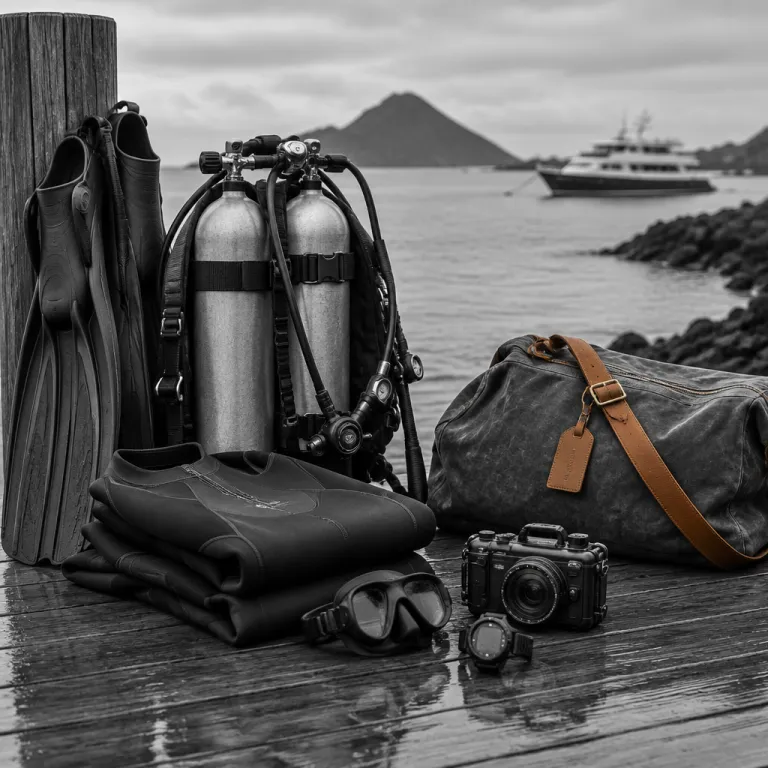
Luxury Galapagos Islands scuba diving: Santa Cruz, San Cristobal, and high-end itineraries
Luxury bases for galapagos islands scuba diving around santa cruz and san cristobal
Galapagos Islands scuba diving begins with choosing the right island base. On Santa Cruz island, high end properties in Puerto Ayora place you close to top dive sites while still offering refined dining and spa experiences. Many travelers pair Santa Cruz with a stay on San Cristobal island to balance different dives and marine wildlife encounters while enjoying luxury Galapagos dive hotels in both hubs.
For many divers, Santa Cruz is the best land based hub because day trips reach Gordon Rocks, North Seymour, and nearby dive sites with reliable logistics. Luxury hotels here coordinate private transfers to the marina, arrange PADI certified dive guide teams, and manage equipment so your dives feel effortless from the moment you leave your suite. This level of service matters when you are planning several scuba diving days in a row and want each dive site to feel as relaxed as a resort pool, especially after long boat rides in cool currents.
On San Cristobal, premium hotels overlook the water where sea lions rest on the shore and pelicans glide past your balcony. From this island, you can plan a day trip to Kicker Rock, one of the most iconic dive sites in the Galapagos islands for hammerhead sharks and eagle rays. Combining Santa Cruz and San Cristobal in a single trip Galapagos itinerary lets you enjoy contrasting landscapes, different dives, and varied nightlife while keeping a consistently high standard of comfort and personalized marine-focused service.
Choosing between land based stays, liveaboard cruises, and private charters
Every serious dive traveler eventually weighs land based luxury against a liveaboard cruise when planning diving Galapagos adventures. Land based stays on Santa Cruz or San Cristobal offer spacious suites, gourmet restaurants, and wellness facilities that most liveaboard cabins cannot match. For many guests, returning from cold water dives to a hot stone massage and a quiet ocean view terrace defines the best kind of Galapagos experience and makes land based luxury diving especially appealing.
A liveaboard cruise, by contrast, focuses on maximizing dives and reaching remote areas such as Darwin Wolf in the far north of the archipelago. These islands host some of the most intense pelagic diving on the planet, with schooling hammerhead sharks, the occasional whale shark, and powerful currents that challenge even experienced divers. Cabins on a liveaboard are compact, yet the reward is waking up directly above legendary dive sites before other divers arrive by day trips, following a schedule that feels like a dedicated Kicker Rock dive guide but on a grander scale.
Some luxury travelers now choose a hybrid model, booking a premium hotel on Santa Cruz for several land based days before or after a shorter liveaboard cruise. This approach allows you to enjoy refined service, flexible day trips, and time for topside excursions such as visiting Galapagos penguin colonies during the dry season, as explained in this guide to the world’s only tropical penguin at its most active. Whether you prioritize dives, comfort, or a balance of both, planning your cruise and hotel combination early ensures the best cabins and suites for peak scuba seasons.
Signature dive sites for luxury travelers: from gordon rocks to kicker rock
Galapagos islands scuba diving is defined by a handful of signature dive sites that appear on every serious diver’s wish list. Gordon Rocks, reachable by day trips from Santa Cruz, is often called a mini Darwin Wolf because schooling hammerhead sharks sometimes circle the submerged crater. Conditions can be challenging, so many operators require proof of recent dives and advanced certifications before taking guests to this dive site, often suggesting at least 30 to 40 logged dives in similar currents.
From San Cristobal, Kicker Rock rises dramatically from the water and offers vertical walls covered in corals, sponges, and black coral trees. Here, divers often glide through a channel where Galapagos sharks, sea turtles, and playful sea lions share the blue with schooling fish. During certain months, a lucky dive may even include a passing whale shark, making Kicker Rock a highlight of many trip Galapagos itineraries and a core stop on most luxury Galapagos dive hotel packages.
Farther north, Darwin Wolf islands are accessible only by liveaboard cruise and reward experienced divers with powerful currents and dense marine life. These remote dive sites are where many underwater photographers capture iconic images of hammerhead sharks forming vast schools above volcanic ledges. For guests who prefer to stay in luxury hotels and focus on central islands, local operators still offer world class dives that feel both accessible and thrilling, especially when combined with seasonal whale watching as outlined in this overview of when and where to see humpback whales.
How premium hotels elevate the scuba experience on santa cruz and san cristobal
High end properties on Santa Cruz and San Cristobal now design entire guest journeys around galapagos islands scuba diving. On Santa Cruz, some hotels partner with established operators such as Scuba Iguana to offer seamless packages that include equipment rental, PADI courses, and private dive guide services. This integration means you can arrange check in, gear fitting, and dive briefings without leaving the property’s calm environment, which is ideal for travelers planning intensive Galapagos scuba diving vacations.
On San Cristobal, luxury hotels often coordinate early breakfast service, heated rinse pools, and secure gear storage so divers can move from room to boat in minutes. After a long day trip to Kicker Rock or nearby dive sites, returning to a hot shower, curated wine list, and ocean facing lounge transforms a demanding dive day into a relaxed evening. Many guests appreciate that staff understand the rhythm of diving Galapagos waters, from early starts to the need for warm, protein rich meals after multiple dives.
Some premium hotels also arrange private yachts for small group day trips, allowing experienced divers to choose specific dive sites around Santa Cruz, San Cristobal, or nearby islands. This flexibility is especially valuable for underwater photographers who want to focus on sea lions, sharks, or macro life without following a large group schedule. When evaluating properties, ask how many dives they can coordinate per day, whether they work with PADI instructors on site, and how they handle changing water conditions across different seasons.
Planning logistics in style: routes, transfers, and timing your trip galapagos
Thoughtful logistics are essential when combining luxury hotels with ambitious galapagos islands scuba diving plans. Most travelers fly from mainland Ecuador to either Baltra near Santa Cruz or San Cristobal, then transfer by road or water to their chosen island base. Premium properties often include private transfers in their packages, which shortens travel time and reduces stress after a long journey.
If you plan to split your stay between Santa Cruz and San Cristobal, coordinate inter island ferries or small plane flights well in advance. Sea conditions can affect schedules, so allow buffer days between intense dives, especially if you are connecting to a liveaboard cruise that departs on a fixed date. Many experienced divers schedule their most demanding dives, such as Gordon Rocks or Darwin Wolf, after at least one or two easier dives to acclimatize to local currents and water temperatures.
For travelers who value a seamless arrival, this detailed guide on how to get to the Galapagos in style explains routes, luggage tips, and timing. Once in the islands, consider alternating dive days with land based excursions to highland tortoise reserves or coastal hikes, which helps manage fatigue and nitrogen levels. A well paced itinerary that blends dives, rest, and gentle exploration will make your overall Galapagos experience feel both indulgent and safe.
Safety, certifications, and matching dive profiles to your comfort level
Galapagos islands scuba diving is exhilarating, yet conditions can be demanding, so safety must guide every decision. Cold water, strong currents, and variable visibility mean that divers should arrive with recent experience in similar environments. Many operators recommend at least Advanced Open Water level and a minimum number of logged dives before attempting sites such as Gordon Rocks or Darwin Wolf, often suggesting 50 or more dives for the most exposed locations.
When booking through a luxury hotel, ask detailed questions about partner operators, PADI credentials, and emergency protocols. A reputable dive guide team will conduct thorough briefings, check your equipment, and adjust dive profiles based on real time water conditions and your comfort. Look for operations that limit group sizes, provide surface support, and carry oxygen as well as communication equipment on every boat.
Less experienced divers can still enjoy memorable dives around Santa Cruz and San Cristobal by choosing sheltered dive sites and focusing on marine life such as sea lions, turtles, and reef sharks. Shallow training areas near both islands are ideal for completing PADI courses before progressing to more advanced dives. Matching your ambitions to your current skills ensures that each dive feels challenging in a positive way rather than overwhelming.
Designing a high end marine exploration itinerary around the islands
A refined marine exploration itinerary in the Galapagos balances underwater thrills with time to appreciate the islands above the water. Start with several nights on Santa Cruz, using land based day trips to explore nearby dive sites and coastal walks where marine iguanas and sea lions share the shoreline. From there, you can add a short liveaboard cruise or a transfer to San Cristobal for a different perspective on diving Galapagos waters and to follow a more detailed Kicker Rock dive guide plan.
On San Cristobal, plan at least one day trip to Kicker Rock and another to explore local reefs where juvenile sharks, rays, and turtles gather. Between dives, stroll the waterfront where sea lions sleep on benches and enjoy relaxed cafés that contrast with the more developed scene on Santa Cruz. Some travelers also include a stop on less visited islands during a cruise, which adds secluded beaches and bird watching to an already rich trip Galapagos program.
When comparing options, Santa Cruz is better for guests who want a wide choice of restaurants, shops, and varied day trips, while San Cristobal excels at offering a quieter atmosphere and quick access to iconic dive sites. A liveaboard is best for divers focused on Darwin Wolf and maximizing dives, whereas a purely land based stay prioritizes space, privacy, and resort style amenities. Whatever combination you choose, aim for a minimum of one week in the Galapagos islands so you can adapt to conditions, repeat favorite dives, and still have time to relax.
Key figures for galapagos islands scuba diving and marine travel
- According to the Galapagos National Park Directorate, more than 200,000 visitors arrive in the islands annually, with a significant share joining at least one water based excursion such as snorkeling or scuba diving.
- Studies from the Charles Darwin Foundation indicate that sea surface temperatures around the central islands can range from about 18 °C in the cool season to around 25 °C in the warm season, which directly influences wetsuit thickness and dive planning.
- Liveaboard operators typically offer up to four dives per day on itineraries that include Darwin Wolf, compared with two or three dives per day on many land based day trips from Santa Cruz or San Cristobal.
- Surveys of Galapagos divers consistently rank hammerhead sharks, whale sharks, and playful sea lions among the top wildlife encounters motivating repeat trips to the region.
- Travel industry data show that luxury and premium travelers often book Galapagos trips at least six to nine months in advance, especially when combining high end hotels with limited capacity liveaboard cruises.
FAQ about luxury galapagos islands scuba diving stays
Is land based diving or a liveaboard better for first time Galapagos visitors ?
For many first time visitors, a land based stay on Santa Cruz or San Cristobal offers the best balance of comfort and flexibility. You can sample several dive sites, adjust to local water conditions, and enjoy spacious rooms and resort amenities between dives. A liveaboard suits experienced divers who prioritize maximum dives and remote sites such as Darwin Wolf over larger rooms and onshore dining.
How many days should I plan for a luxury galapagos islands scuba diving trip ?
A minimum of seven to ten days allows enough time for travel, acclimatization, and multiple dive days without rushing. Many travelers spend four or five nights on Santa Cruz, three or four nights on San Cristobal, and optionally add a short liveaboard cruise. This duration also provides buffer days in case of changing water conditions or rescheduled day trips.
Do I need advanced certification for the main Galapagos dive sites ?
While some sheltered dive sites accept Open Water divers, many iconic locations such as Gordon Rocks and Darwin Wolf require Advanced Open Water certification and recent experience in currents. Operators often ask for a minimum number of logged dives and may suggest a check dive before visiting more demanding areas. Completing a PADI Advanced course early in your trip can expand your options while keeping safety as the priority.
Can non divers enjoy a luxury stay focused on marine exploration ?
Non divers can still enjoy an exceptional marine focused itinerary through snorkeling, coastal walks, and wildlife watching cruises. Many day trips combine snorkeling with visits to beaches, lagoons, and highland viewpoints, so mixed groups of divers and non divers can share experiences. Luxury hotels also offer spa treatments, fine dining, and guided land excursions that make the trip rewarding even without scuba diving.
When is the best time of year for galapagos islands scuba diving ?
The warm season, roughly from December to May, generally offers calmer seas and better visibility, while the cool season from about June to November brings nutrient rich currents that attract more pelagic species such as hammerhead sharks and whale sharks. Your choice depends on whether you prioritize comfort in the water or the chance to see larger animals. Many experienced divers return in different seasons to appreciate how the same dive sites transform throughout the year.