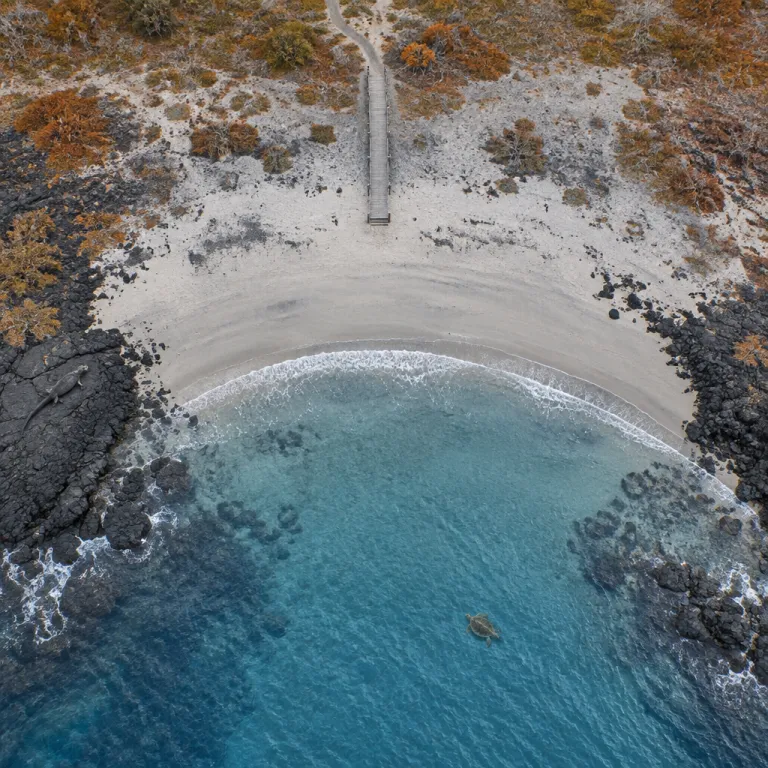
Why Tortuga Bay feels like the most democratic luxury in the Galápagos
Tortuga Bay sits on the south coast of Santa Cruz island, yet it feels a world away from busy Puerto Ayora. This is the rare bay beach in the Galápagos islands that you reach on foot, without a tour boat or a guide, and that simple freedom is its quiet luxury. For independent travelers who value time as much as money, walking to this beach Tortuga stretch can feel like the best Galápagos indulgence of all.
The main beach at Tortuga Bay runs in a long, pale arc, with powerful Pacific water breaking along Playa Brava and calmer water waiting farther along at the sheltered lagoon. You move from surf to sanctuary in a single walk, watching marine iguanas and sea lions own the shoreline while reef sharks and turtles patrol the deeper blue. This is where tortuga bay Galápagos snorkeling becomes less about ticking a box and more about sharing space with wildlife on its own terms.
Because the bay Galápagos setting is inside the Galápagos National Park, the experience stays remarkably uncluttered by infrastructure. There are no shops on the sand, no loud bars, only the sound of waves and the shuffle of feet on the trail from Santa Cruz town. Luxury here is not a cabana service but the chance to visit Tortuga with only what you can carry and leave with nothing but salt on your skin.
Walking the trail from Puerto Ayora: timing, heat and the park gate
The approach to Tortuga Bay begins at the signed trailhead on the western edge of Puerto Ayora, where a small Galápagos National Park booth records your visit. You sign in with your name and passport details, then step onto a paved trail that threads through arid scrub and cacti on Santa Cruz, with lava lizards darting between the stones. The walk to the first stretch of bay beach usually takes around 35 to 45 minutes at a relaxed pace.
Heat is the real luxury tax here, so you will want to start early or late if you can. The trail has almost no shade, and the equatorial sun over this island Galápagos landscape can be unforgiving by late morning, especially when the dark lava absorbs heat. Aim to reach Playa Brava before the midday peak, enjoy the water and wildlife, then wander back toward town as the light softens over Cruz Island.
Because no guide is required for this trail, solo travelers can move at their own rhythm and linger where the view feels right. You pass low scrub where finches flit, then crest a final rise and the full sweep of Tortuga Bay beach opens in front of you, white and wide. It is a moment that quietly rivals more orchestrated Galápagos tours, and it sets the tone for a day that you control from first step to last.
For those planning a longer stay, pairing this walk with a dedicated marine day elsewhere in the islands works beautifully. If you are curious about when to align your trip with migrating giants, our guide to whale season in the Galápagos helps you time your hotel booking and inter-island tours with humpback sightings offshore.
Playa Brava versus Playa Mansa: where to swim and where to snorkel
Once your feet hit the sand, you meet Playa Brava first, a long, wild beach where the surf can be strong and currents unpredictable. This is not the place for relaxed tortuga bay Galápagos snorkeling, but it is superb for walking, photography and watching marine iguanas shuffle between the dunes and the water. Lifeguards sometimes flag unsafe conditions, and you should always respect local advice before entering the sea.
Continue along the bay and the mood shifts as you reach the sheltered lagoon known as Playa Mansa or Mansa Beach, tucked behind mangroves. Here the water calms, the swell drops and the setting becomes ideal for gentle snorkeling, especially for less confident swimmers who still want a taste of the best Galápagos marine life. Kayaks sometimes glide across the surface while reef sharks and rays move below, and sea lions may slip past with the casual grace that defines this island.
In this lagoon, tortuga bay Galápagos snorkeling becomes a slow, observational activity rather than an adrenaline sport. You float over sandy patches and scattered rocks, watching juvenile reef sharks cruise the shallows and marine iguanas graze on algae between breaths. For many travelers, this quiet bay Galápagos moment feels more intimate than a crowded tour boat, and it pairs beautifully with a stay at a refined Santa Cruz hotel where you can rinse off and review the day over a cool drink.
If you are planning a broader marine-focused itinerary, our feature on Galápagos snorkeling in style outlines how to match high-end hotels with the islands’ most rewarding underwater sites, from Santa Cruz to more remote corners of the archipelago.
Wildlife etiquette in the bay: how to share the beach respectfully
Part of what makes Tortuga Bay one of the best Galápagos beaches is how casually wildlife uses the same space you do. Marine iguanas bask in black clusters along the sand, sea lions nap in the shade of mangroves and reef sharks patrol the lagoon, all within clear view from the shore. Blue-footed boobies sometimes plunge into the water offshore, while pelicans skim the bay beach surface in search of fish.
Because this is a protected area inside the Galápagos National Park, strict rules govern how you move around these animals. You must keep the mandatory distance, avoid feeding or touching any wildlife and stay on marked paths and the official trail between Puerto Ayora and the beach. Rangers patrol the area, and fines are real, but the deeper reason is simple respect for an ecosystem that has evolved with minimal human fear.
When you visit Tortuga, think of yourself as a quiet guest in someone else’s home. Give marine iguanas space to cross the sand, yield to sea lions hauling out of the water and never chase reef sharks while snorkeling in Playa Mansa. This mindset will serve you well across the islands, whether you are watching waved albatross on Española, timing a highland tour on Santa Cruz or choosing which island Galápagos hotel to book for a longer stay.
If you are curious about how other sites manage similarly close encounters, our in-depth piece on the waved albatross courtship dance on Española shows how strict visitor rules can still deliver some of the most moving wildlife moments in the archipelago.
What to pack, where to stay and how to build a full Santa Cruz day
Because there are no shops or cafés at Tortuga Bay, you need to think like a minimalist day tripper. Pack at least one and a half liters of water per person, reef safe sunscreen, a hat, light long sleeves and a dry bag for your phone and room key. A simple picnic from Puerto Ayora works well, but remember to carry every wrapper and leftover back along the trail.
For tortuga bay Galápagos snorkeling, bring your own mask and fins or rent them in town before you set out, as there are no gear stands at the beach. Many of the best Santa Cruz hotels can arrange quality equipment, and some will even prepare a takeaway breakfast if you want to reach Playa Brava in the soft early light. If you prefer organized experiences, you can also book day tours that combine a guided visit Tortuga with other Santa Cruz highlights, though the walk itself remains unguided.
A refined way to structure the day is to pair a Tortuga Bay morning with a highland lunch and a visit to the Charles Darwin Research Station or Darwin Station area in the afternoon. Swim and snorkel at Playa Mansa, walk back to town, then head by taxi into the green highlands of Cruz Island for a slow meal and a look at giant tortoises in semi wild conditions. Return to your hotel in Puerto Ayora for a final drink, knowing you have sampled both the coast and interior of this island in a single, well paced day.
For travelers comparing properties, look for stays that balance comfort with sustainability, ideally with easy access to the national park entrance and flexible breakfast times for early trail starts. The most thoughtful hotels in Ecuador’s Galápagos islands understand that their guests will spend days between bay, beach and highlands, and they shape their service around that rhythm. When you book, ask specifically about early checkouts for inter-island tours and luggage storage, so your Tortuga Bay plans stay as light and fluid as the water you came to swim in.
FAQ
How long is the walk to Tortuga Bay from Puerto Ayora ?
The paved trail from Puerto Ayora to Tortuga Bay usually takes 35 to 45 minutes each way at a moderate pace. The distance is roughly 2.5 to 3 kilometers, and the path is mostly flat but exposed to the sun. Plan extra time if you stop for photos or travel with children.
Is Tortuga Bay safe for swimming and snorkeling ?
Playa Brava at the entrance to the bay can have strong currents and is often better for walking than swimming. The sheltered lagoon at Playa Mansa is generally safer and calmer for swimming and snorkeling, especially for less experienced swimmers. Always check local conditions and follow any guidance from Galápagos National Park staff.
Do I need a guide or a tour to visit Tortuga Bay ?
You do not need a guide to walk the official trail from Puerto Ayora to Tortuga Bay, and entry is managed by a small park booth where you sign in. Many visitors go independently, carrying their own water and snacks for the day. Some organized tours include Tortuga Bay as part of a wider Santa Cruz itinerary, but the beach access itself remains unguided.
What wildlife can I expect to see at Tortuga Bay ?
Common sightings include marine iguanas on the sand, sea lions in the lagoon and whitetip reef sharks cruising the shallows at Playa Mansa. You may also see pelicans, frigatebirds and occasionally blue-footed boobies feeding offshore. Sea turtles sometimes surface in the bay, especially in calmer water.
How should I choose a hotel on Santa Cruz for visiting Tortuga Bay ?
Look for hotels in Puerto Ayora that offer early breakfasts, luggage storage and easy access to the start of the Tortuga Bay trail. Properties within walking or short taxi distance of the national park entrance make sunrise or late afternoon visits more convenient. If you plan multiple marine excursions, consider hotels experienced with coordinating day tours and equipment rentals for snorkeling.