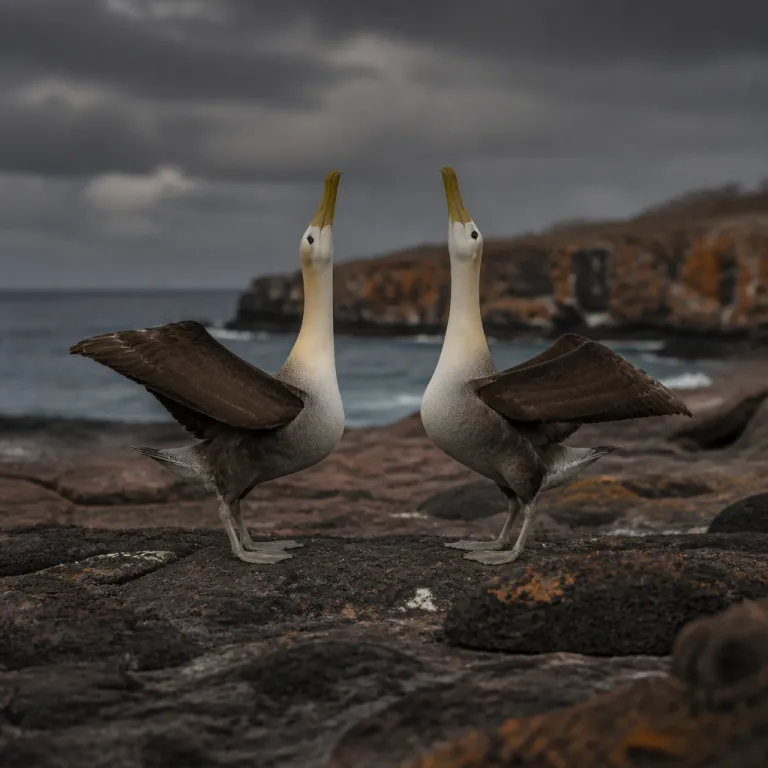
Why the waved albatross makes Española the most exclusive island audience
On a wind carved plateau above Punta Suárez, the espanola island waved albatross galapagos experience feels almost private. You stand within a marked trail while thousands of waved albatrosses and other seabirds treat the rocky espanola landscape as their only breeding stage on Earth. This is the sole place in all the galapagos islands where the galapagos albatross, known to science as Phoebastria irrorata, nests in dense colonies and raises a single egg on bare lava.
Every luxury itinerary that is serious about seabirds will treat Española Island as non negotiable. The entire breeding population of this albatross species, estimated at tens of thousands of individuals, concentrates its nesting effort on this one island while only a few scattered birds appear elsewhere. That geographic obsession turns the espanola island waved albatross galapagos circuit into the most coveted landing for travelers who care about conservation status and real proximity to wildlife.
Naturalist guides here talk about the galapagos waved story in urgent tones. The waved albatross is now listed as critically endangered, with threats offshore that no marine reserve boundary can fully control. Ocean warming, shifting food availability and floating plastic in the sea all intersect with the birds’ long distance fishing routes between the galapagos marine ecosystem and the coasts of Perú and Ecuador.
On land, though, the scene at Punta Suárez feels almost serene. Albatrosses sit shoulder to shoulder with blue footed boobies, Nazca boobies and other birds that barely react to your presence. Sea lions sprawl along the path, and marine iguanas pile into dark, motionless heaps, reinforcing why charles darwin found these islands such a radical natural laboratory.
For a luxury traveler, the exclusivity is not about champagne on deck but about access to this single breeding ground. You are watching a species that will spend most of its life far out at sea, yet it returns to this one island to court, lay an egg and raise a chick. That combination of remoteness, density of albatrosses and strict conservation management makes Española the most rarefied wildlife audience in the entire galapagos marine reserve.
Reading the courtship dance: how an eight foot wingspan flirts
The first time you hear it, the waved albatross courtship sounds almost comic. Two birds face each other on the espanola island plateau, then begin a ritual of bowing, bill circling and beak clacking that can last close to twenty minutes. Guides will remind you that this intricate courtship dance is not performance for humans but a precise sequence for mate selection and bond reinforcement.
From the marked trail at Punta Suárez you are often just a few metres from the action. You watch one galapagos albatross stretch its eight foot wingspan, sway, then freeze as its partner responds with honks and whistles that cut through the marine wind. The dataset phrase says it plainly ; "Why is the Waved Albatross's courtship dance unique? It's a complex ritual exclusive to this species."
During the peak breeding season, usually between April and December on Española Island, the density of pairs means you may see several dances at once. Some waved albatrosses are renewing long term bonds, while younger birds test their timing and rhythm among more experienced albatrosses. The entire colony becomes a living amphitheatre where every movement, from a tilt of the head to a rapid bill tap, carries meaning within this albatross species.
Sound is as important as sight here. The sharp clack of beaks, the hollow honk and the sudden silence when both birds freeze create a pattern that even non scientists start to recognise after an hour on the trail. You will notice how other birds, from blue footed boobies to mockingbirds, weave through the nesting area without disturbing the dancers.
Luxury travelers often ask how close they can ethically be to such intimacy. Park rules keep you on a defined path, yet the espanola island waved albatross galapagos colony has grown around those lines, so birds sometimes nest just beside your boots. It feels less like a show and more like being allowed into a private marine society, where the sea, the wind and the basalt platform set the stage for one of the most refined rituals in the galapagos islands.
When you plan high end accommodation, choose vessels and lodges that align with this sensitivity. Properties and expedition ships featured in curated guides to Galápagos resorts for refined island adventures and oceanfront stays tend to work with naturalist teams who understand that the real luxury is unhurried time at Punta Suárez. That means early landings, small groups and a willingness to linger with one pair of waved albatrosses rather than rushing to tick every species on a list.
Timing your trip: when the waved albatross turns a luxury stay into a once in a lifetime encounter
For the solo explorer planning a premium stay, timing around the breeding season is everything. The main arrival of males on Española Island usually begins in April, followed by females, and the most intense courtship displays often run from late winter into the final months of the year. Many operators frame the espanola island waved albatross galapagos window as April to December, when nesting, egg incubation and chick rearing overlap in a dense calendar of behaviour.
If you want both dance and downy chicks, aim for the period from August through November. During these months, you can watch waved albatrosses perform their ritual at Punta Suárez while fluffy young birds wait at nesting sites, calling for food brought from distant fishing grounds in the sea off Perú and Ecuador. This is also when the cool season currents enrich the galapagos marine environment, supporting the food web that sustains albatrosses, sea lions and countless other marine species.
Outside these months, the colony thins as adults leave the galapagos islands for their long ocean journey. From January into early spring, many birds travel along the coasts of South America, and Punta Suárez feels quieter, with only resident birds and other species such as blue footed boobies dominating the cliffs. If your luxury trip falls then, you will still enjoy dramatic marine scenery and other birds, but the full espanola island waved albatross galapagos spectacle will not be present.
Booking strategy matters when you want this specific wildlife event. Choose expedition ships or high end day trip operators that explicitly include Punta Suárez and Gardner Bay on their itineraries, and confirm that landings align with the core breeding season. For seamless logistics from mainland Ecuador to your chosen vessel or lodge, use planning resources such as this guide on how to get to Galápagos in style for a seamless luxury stay.
September often offers a particularly sharp combination of wildlife and value. Cooler seas boost marine productivity, penguins and other birds thrive, and some high end properties adjust rates as peak holiday demand eases. For a deeper look at how this month shapes both wildlife and pricing across the islands, consult insights on September in the Galápagos when you refine your booking dates.
Logistics to Española: from Santa Cruz hotels to Punta Suárez and Gardner Bay
Most luxury travelers base themselves around Santa Cruz Island before or after visiting Española. High end hotels in Puerto Ayora offer polished service, strong Wi Fi and easy access to the port, where day trip boats and expedition vessels depart for the southern islands. From here, the journey to Punta Suárez on Española Island usually takes several hours by sea, depending on vessel size and sea conditions.
For the espanola island waved albatross galapagos experience, you have two main approaches. One is a multi day expedition cruise that includes both Punta Suárez and Gardner Bay, allowing you to see the waved albatross colony, sea lions on white sand and excellent marine life while sleeping in a comfortable cabin. The other is a long range day trip from Santa Cruz, which can work for travelers who prefer to anchor their stay in a single luxury hotel on one of the central islands.
Whichever you choose, verify that your operator holds the correct permits for landings at Punta Suárez. Only a limited number of groups may be on the trail at once, and time slots are tightly controlled to protect nesting birds, albatrosses and other species that share the cliffs. A good operator will brief you on conservation rules, including staying on marked paths, keeping distance from wildlife and never leaving plastic or food waste in the marine reserve.
Gardner Bay, on the opposite side of Española Island, offers a softer counterpoint to the rugged cliffs of Punta Suárez. Here, sea lions haul out on a long arc of white sand, and you can often snorkel with turtles and reef fish in clear galapagos marine water. While waved albatrosses are less concentrated here than on the plateau, you may still see birds gliding overhead as they commute between nesting sites and offshore fishing areas.
For solo explorers who value independence, consider pairing a few nights in a refined Santa Cruz hotel with a short cruise that includes Española. This hybrid model lets you enjoy the restaurant scene, galleries and harbour life of the central islands while still reaching the remote breeding grounds of the albatross galapagos population. It also spreads your tourism footprint, supporting both land based communities and the tightly regulated marine reserve operations.
Conservation, comfort and ethics: choosing luxury that respects a critically endangered seabird
Every waved albatross you watch at Punta Suárez carries a story that extends far beyond Española. At sea, these birds travel thousands of kilometres along the Humboldt Current, where industrial fishing, shifting temperatures and floating plastic all influence their survival. On land, their entire breeding strategy depends on a single island, making the espanola island waved albatross galapagos colony uniquely vulnerable to any disturbance.
Primary threats include reduced food availability during strong El Niño events, ingestion of plastic mistaken for prey and mosquito borne disease that can cause nesting failure. Conservation teams monitor the conservation status of the galapagos albatross closely, tracking breeding success, egg survival and chick fledging rates among the roughly 20 000 breeding pairs estimated on Española. Tourism, when managed well, can support this work through park fees, research funding and a global audience that understands why this albatross species is listed as critically endangered.
As a luxury traveler, your choices on the ground matter. Select hotels and vessels that minimise single use plastic, treat wastewater responsibly and brief guests thoroughly on wildlife etiquette around birds, sea lions and other species. Ask operators how they coordinate with the Galápagos National Park and marine reserve authorities, and whether their guides receive regular training on the latest conservation data for Phoebastria irrorata and other galapagos marine wildlife.
On Española itself, respect for nesting space is non negotiable. You will see marked paths threading through colonies where albatrosses, blue footed boobies and other birds incubate a single egg or guard a chick only metres from your boots. Staying on the trail, keeping quiet and never offering food are simple acts that protect both the breeding season and the long term health of the colony.
Ethical luxury in the galapagos islands is not about excess but about precision. It is the well briefed guide who times your landing to avoid heat stress on nesting birds, the captain who adjusts course to reduce disturbance to fishing albatrosses and the hotel that invests in local conservation projects rather than superficial green marketing. When you align your booking choices with these values, your espanola island waved albatross galapagos encounter becomes more than a rare sighting ; it becomes part of a wider effort to keep this eight foot courtship dance alive for future travelers.
FAQ
Why is Española Island the only major breeding site for the waved albatross?
Española Island offers a combination of wind exposure, flat lava platforms and proximity to productive marine feeding grounds that suits the waved albatross perfectly. Over evolutionary time, the species concentrated its nesting on this single island, while only a small number of birds appear elsewhere in the galapagos. That specialisation makes Punta Suárez the only place on Earth where you can reliably see large numbers of breeding waved albatrosses each year.
When is the best time to see the waved albatross courtship dance?
The most reliable period to see the full courtship dance on Española runs from April into the final months of the year. Males typically arrive first in April, females follow and the most elaborate displays often peak between late winter and early summer. If you visit between August and November, you usually see both active dances and chicks being fed at nesting sites.
How close can visitors get to the waved albatross at Punta Suárez?
Visitors must stay on marked trails, but the birds often nest very close to these paths. That means you can usually observe waved albatrosses from only a few metres away without disturbing them, as long as you remain quiet and respect park rules. Guides ensure that groups keep appropriate distance from nesting birds, eggs and chicks while still enjoying excellent views.
Can I visit Española Island on a day trip from Santa Cruz?
Yes, several licensed operators run long range day trips from Santa Cruz to Española, usually combining Punta Suárez with Gardner Bay. These trips involve several hours of navigation each way, so they suit travelers comfortable with time at sea and early departures. For more relaxed pacing and repeated wildlife encounters, many luxury travelers prefer multi day cruises that include Española in their itinerary.
How does tourism help conserve the waved albatross?
Tourism generates park fees and research funding that support monitoring of the waved albatross population and broader conservation work in the galapagos marine reserve. Responsible operators also educate guests about threats such as plastic pollution, El Niño events and bycatch in fishing fleets, turning each visit into an opportunity for advocacy. When travelers choose low impact, conservation focused hotels and vessels, they reinforce management decisions that prioritise the long term survival of this critically endangered seabird.