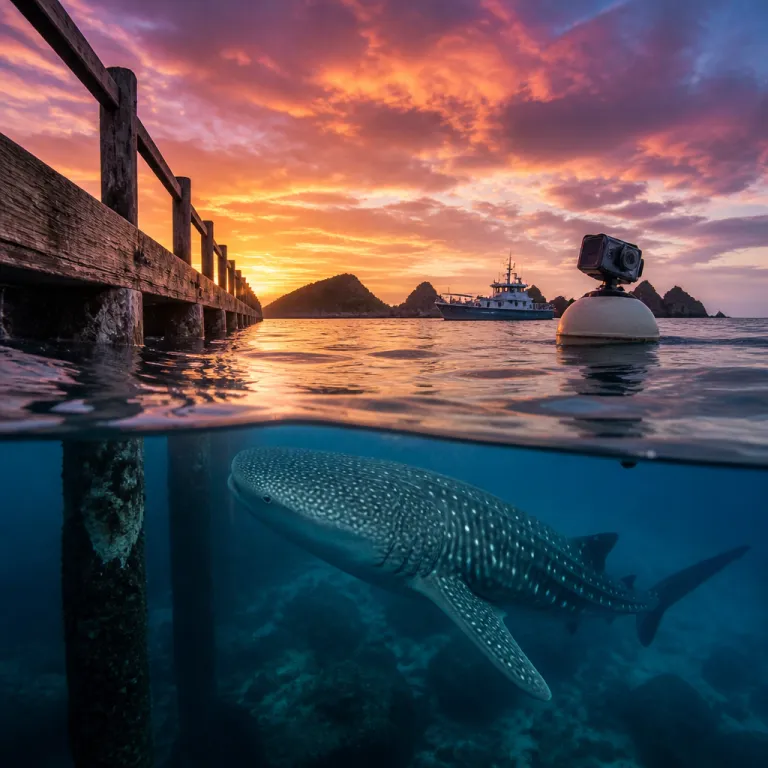
Galápagos citizen science whale shark journeys from luxury decks
From a shaded teak deck in the Galápagos Islands, the line between leisure and marine research is now surprisingly thin. A growing network of whale shark scientists quietly relies on travelers who arrive for world class diving yet leave as data carriers for one of the most ambitious Galápagos marine databases in the eastern tropical Pacific. Your stay at a premium island lodge or liveaboard can place you within a long term whale shark project that treats every clear photo as a scientific datapoint.
At the heart of this shift sits Sharkbook, a global citizen science platform that turns a single whale shark image into a trackable identity across the tropical Pacific and beyond. The system uses computer vision to read the unique spot pattern behind a whale shark’s gills, matching your photos against thousands of others from the Galápagos Islands, Indonesia, Mexico, Mozambique, Seychelles and the Maldives. For travelers who value conservation efforts as much as comfort, it means a dive is never just a dive; it is a chance to help scientists refine migration maps for this endangered species.
Luxury operators in Galápagos whale shark hotspots now brief guests on how to help before they ever pull on a wetsuit. Naturalist guides explain where to position yourself beside a Galápagos whale shark, how to frame the left flank of the shark, and why a sharp photo matters more than a dramatic wide angle shot. When you surface, the crew logs time, site and shark count, while you return to your island suite knowing that your camera roll is already feeding into global shark conservation science.
Inside Sharkbook: how a single photo follows a whale shark across oceans
Sharkbook’s elegance lies in its simplicity for divers and its complexity behind the screen. You upload one or several photos of a whale shark, ideally showing the left side of the animal between the pectoral fin and the gills, and the platform’s algorithms convert that spot constellation into a biometric signature. In the background, scientists compare your images with thousands of existing whale shark records from Darwin Island, Wolf and other marine reserve sites across the eastern tropical Pacific.
The Galápagos Whale Shark Project, working with the Galápagos National Park Directorate and the Galápagos Science Center, has become one of Sharkbook’s most active data contributors. Peer reviewed work from the project reports that more than 90% of the whale sharks they encounter at Darwin Island are mature females, with current field data indicating that the vast majority of whale sharks recorded in Galápagos are female. This skewed sex ratio, documented in studies published in journals such as Endangered Species Research, raises sharp questions about reproduction, migration and how best to protect this species through targeted conservation efforts and long term monitoring.
For you as a traveler, the workflow is refreshingly clear and fits neatly between dives and sundowners. Bring an underwater camera, follow guidelines for responsible diving, and submit photos to Sharkbook as soon as you are back on Wi Fi at your hotel. When your identified shark resurfaces months later in another tropical Pacific hotspot, you receive a notification that quietly turns a past dive into an ongoing shark project. In one documented case, a female photographed at Darwin Island was resighted more than a year later off mainland Ecuador under the same Sharkbook ID, illustrating how a single holiday image can become a precise contribution to shark conservation science.
How can I contribute to whale shark research? Submit your underwater photos to Sharkbook using the platform’s upload form. Why are whale sharks important? They help maintain healthy marine ecosystems. Is it safe to swim with whale sharks? Yes, when following guidelines and regulations.
To understand how this research mindset extends across the archipelago’s wildlife, read about current pressures on Galápagos iguanas and the response from conservation teams. The same institutions that manage whale shark surveys and marine reserve rules are also shaping policies that protect terrestrial wildlife, giving your stay a broader conservation context.
Darwin Island from a liveaboard: what a whale shark encounter really feels like
Darwin Island is where the Galápagos citizen science whale shark story becomes intensely personal. You wake before sunrise on a premium dive vessel, the hull rocking gently in the swell as the silhouette of Darwin’s Arch cuts against a pale sky. Coffee in hand, you listen while the dive guide sketches the currents, the likely path of Galápagos shark patrols and the exact moment to raise your camera for that crucial photo.
Dropping into the blue, you hover at around 18 to 25 m, facing the open ocean while the reef wall falls away beneath you. Hammerhead sharks ghost in and out of view, manta rays loop through the current, and then the water darkens as a whale shark appears, immense yet unhurried, moving along the Galápagos marine highway that links this island to other corners of the tropical Pacific. Your task is simple but precise: stay to the side, never in front, match its pace for a few seconds and capture two or three sharp photos of the left flank.
Back on deck, the crew logs the dive, wildlife sightings and approximate shark count while you scroll through your photos, checking focus and framing. The best images will join a global archive of whale sharks, where shark scientists can track long term movements between Darwin Island, Wolf and distant feeding grounds. Later, in your cabin or in a quiet lounge, you upload the photos to Sharkbook, turning a single diving moment into a data point that may help scientists refine migration models and advocate for stronger marine reserve protections.
Not every guest will meet a whale shark, but the rhythm of these expeditions keeps you close to the pulse of the ecosystem. Between dives, naturalists point out rays gliding under the hull, explain how citizen science complements satellite tagging, and outline how your presence can help or harm depending on your choices. If you are planning time on land before or after your cruise, consider pairing this offshore immersion with a stay near key seabird colonies, using guides such as this piece on where and when to see blue footed boobies up close to round out your wildlife education.
Choosing a luxury base that respects the marine reserve
For a solo traveler, the choice between a high end liveaboard and a luxury island lodge shapes how you engage with Galápagos citizen science whale shark work. Liveaboards based around Darwin Island and Wolf offer the most reliable access to whale sharks, but they also demand comfort with open ocean conditions and back to back diving days. Premium lodges on Santa Cruz, San Cristóbal or Isabela provide a softer landing, with day trips into the marine reserve and evenings spent in refined rooms rather than compact cabins.
Whichever style you prefer, the key is to look for operators who treat shark conservation as a core value rather than a marketing flourish. Ask how they brief divers on responsible wildlife interactions, whether they collaborate with the Galápagos Whale Shark Project or other whale shark scientists, and how they manage group sizes to reduce pressure on sensitive sites. Properties that actively support citizen science, log shark count data and train guides to help guests capture usable photos tend to offer richer, more thoughtful experiences.
On land, the best luxury hotels in the Galápagos Islands now weave marine narratives into their design and programming. You might find a small gallery of guest photos that have entered Sharkbook, or evening talks where scientists explain how long term datasets from the eastern tropical Pacific are reshaping our understanding of whale sharks and other species. For a curated overview of properties that balance indulgence with impact, use resources such as this guide to elegant places to stay from Quito to the Galápagos, then cross check whether each option offers clear pathways to help scientists through citizen science programs.
Even if your itinerary does not reach Darwin Island, you can still contribute meaningfully from central islands. Day boats often encounter sharks, rays and other wildlife around Gordon Rocks, Kicker Rock or Punta Vicente Roca, where a sharp photo of a passing shark or rays can still feed into broader marine science. The point is not to chase a checklist of species, but to align your travel style with operators who see every guest as a potential ally in Galápagos conservation efforts.
Beyond whale sharks: other citizen science paths for solo travelers
Whale sharks may be the headline act, but the Galápagos citizen science whale shark movement sits within a wider culture of visitor participation. Conservation organizations and the Galápagos National Park Directorate coordinate projects that invite travelers to help monitor sea turtles, sea lions and even the quiet shifts in coastal wildlife that signal climate stress. For a solo explorer, these programs offer structured ways to meet local guides, students and scientists while keeping your trip firmly rooted in place.
On some islands, you can join guided walks that include simple data collection, such as counting sea lion pups on a beach transect or noting the presence of rays and sharks in a shallow bay. These activities rarely feel like work; they are usually short, carefully supervised and designed to fit between more traditional excursions. Yet the data they generate feed into long term conservation efforts, helping managers adjust protections within the marine reserve and refine strategies to protect vulnerable species.
Several research centers also welcome visitors for scheduled talks or behind the scenes tours, where you can see how photos from divers are archived alongside satellite tagging tracks and behavioral observation notes. Here, the story of a single whale shark image sits beside broader datasets on Galápagos shark populations, manta ray movements and the health of the Galápagos marine food web. For many travelers, this context deepens the satisfaction of having contributed even a handful of photos to a shark project that stretches far beyond their own trip.
Citizen science is not volunteer tourism in the traditional sense; you are not signing up for weeks of fieldwork or trading labor for lodging. Instead, you are folding small, precise actions into an already comfortable itinerary, using your camera, your curiosity and your presence in the Galápagos Islands to help scientists protect what you came to see. In a destination where wildlife has shaped every aspect of hospitality, from dive schedules to dinner conversations, that alignment between pleasure and purpose may be the most luxurious amenity of all.
Practical tips: turning your camera into a research tool
Transforming your camera into a research instrument starts with preparation long before you reach the Galápagos Islands. Choose an underwater housing you can operate easily with gloves, and practice changing settings quickly so you can respond when a whale shark or other sharks appear from the blue. Pack extra memory cards and batteries, because the best photos for science are often the ones you did not plan.
On the water, agree with your guide on a simple plan that balances safety, wildlife respect and data quality. When a whale shark approaches, position yourself slightly to the side, maintain at least 3 m distance and swim parallel for a few seconds while you capture two or three clear photos of the left flank. Avoid flash, never touch the animal and remember that a steady, well framed image is far more valuable for science than a dramatic but blurred close up.
After each dive, back up your photos and tag them with basic information such as date, site and approximate depth. Once you have a stable internet connection at your hotel or on board, upload the best images to Sharkbook, following the platform’s prompts to link your photos to the correct region in the eastern tropical Pacific. Over time, these contributions help scientists refine shark count estimates, map long term movements of whale sharks and other species, and advocate for stronger protections within the marine reserve.
Remember that your role is to help, not to control the outcome. Some trips yield multiple whale shark encounters, while others deliver manta rays, schooling hammerheads or quieter dives focused on smaller wildlife and reef life. In every case, staying attentive, respecting guidelines and sharing your usable photos ensures that your presence in this fragile archipelago tilts the balance toward Galápagos help for conservation rather than mere consumption.
FAQ
How can I contribute to whale shark research during a luxury Galápagos trip?
The most effective way to contribute is by joining dives with operators who collaborate with the Galápagos Whale Shark Project and then submitting your best whale shark photos to Sharkbook. Focus on clear images of the left side of the shark between the gills and the dorsal fin, and note the dive site and approximate depth. Your uploads help scientists track individual animals across the tropical Pacific and refine conservation strategies.
Do I need professional camera equipment to help scientists?
You do not need professional gear, but you do need a camera capable of producing sharp, well lit underwater images. Many compact cameras in a good housing are sufficient if you can control focus and shutter speed. The priority is clarity and correct framing rather than artistic composition, because the science relies on reading the spot patterns on each whale shark.
Is it safe and ethical to swim with whale sharks in the Galápagos?
Swimming with whale sharks is considered safe when you follow guide instructions and official regulations. Ethical operators maintain strict distance rules, limit group sizes and avoid chasing or blocking the animals’ path. Choosing such operators ensures that your citizen science contribution does not come at the expense of the sharks’ welfare.
Can I join other citizen science projects if I am not a diver?
Yes, several programs welcome non divers, including guided sea turtle nesting surveys, sea lion counts and coastal wildlife monitoring walks. These activities are usually short, supervised by local scientists or park staff and integrated into regular excursions. Ask your hotel or tour operator which projects are active during your stay and how guests can participate responsibly.
Will I be informed if my photographed whale shark is seen again?
When you submit images through Sharkbook and provide contact details, you can receive notifications if your documented whale shark is resighted elsewhere. These updates may arrive months or even years later, linking your Galápagos dive to encounters in other regions such as Mexico or the Indian Ocean. Sharkbook’s public database includes numerous examples of individuals photographed in the Galápagos Islands and later matched to sightings in other ocean basins, and many travelers find that this ongoing connection deepens their sense of responsibility toward shark conservation.