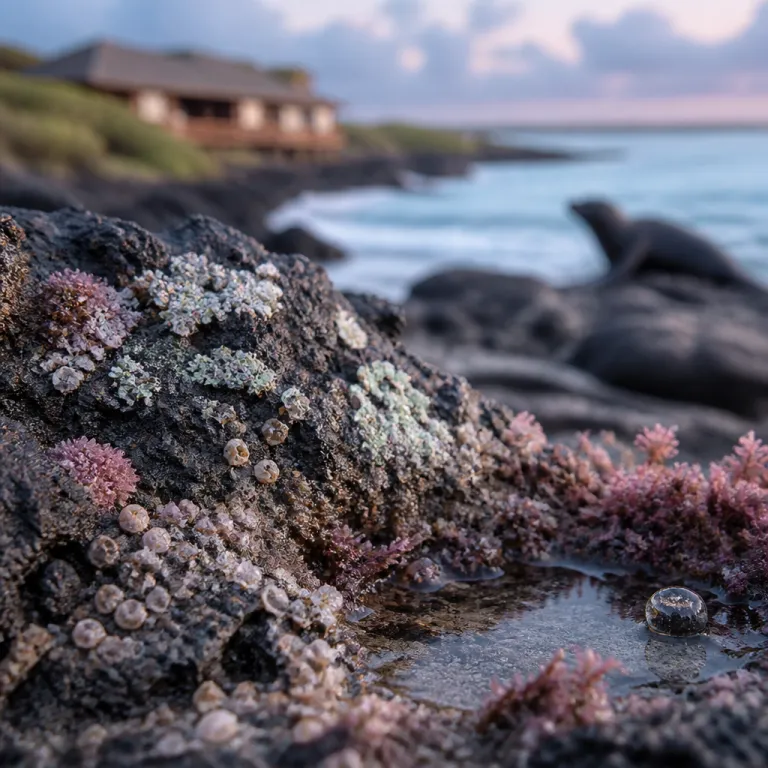
Why a week changes your Galápagos wildlife photography trip
The first thing you notice on the Galápagos Islands is the calm, almost disarming confidence of the wildlife. Give yourself several days rather than a single afternoon and you will see how a slow Galápagos wildlife photography trip lets behavior, light and sea conditions align in ways that transform every image. One hour on one island produces a pleasant photo, but five days on the same coastline turn that photo into a story of tides, wind shifts and the quiet routines of sea lions and marine iguanas.
Luxury travelers often try to compress a full tour of the Galápagos archipelago into too few days, yet wildlife photography rewards patience more than passport stamps. A dedicated Galápagos wildlife photography trip that runs for a full week gives you time to return to the same bay at a different tide, to wait while a single sea lion pup gathers courage, and to watch how blue-footed and red-footed boobies adjust their courtship when clouds mute the sun. That extra time on each island is what separates a casual trip album from a gallery of images that genuinely reflect Galápagos wildlife.
Professional wildlife photographers and local guides in Puerto Ayora quietly agree on the same rhythm for a serious photo tour. They know that one day is for orientation, several days are for repetition and refinement, and the final day is when your eye, your camera and the national park landscapes finally move in sync. This is why a structured seven-day workshop or photo tour, with clear time set aside for review, will almost always produce more nuanced wildlife photography than a fast cruise that races between Santa Cruz, San Cristóbal and other islands before you have even learned how the light falls on a single lava ridge.
From snapshots to narrative images: behavior, context and light
Most visitors leave the Galápagos Islands with a sharp photo of a blue-footed booby, yet few capture the full arc of its behavior. When you slow your Galápagos photography ambitions to match the pace of the wildlife, you start to see how a single booby shifts its stance, how the swallow-tailed gulls circle, and how the sea changes color in the minutes before it dives. That is the moment when a simple photo becomes a layered wildlife image that will hold attention long after the trip ends.
On a dedicated Galápagos wildlife photography trip, your guide may keep you in one cove for an entire morning, which feels indulgent until the wildlife reveals its rhythm. You might begin the day with marine iguanas stacked in red and black heaps, then wait as they slide into the sea, and finally frame them again as they sneeze salt on the rocks while sea lions and sea turtles surface behind them. The same principle applies on Santa Cruz and San Cristóbal, where giant tortoises, waved albatross and red-footed boobies reward those who give them time rather than those who rush to the next tour stop.
Luxury lodges and intimate oceanfront retreats understand that serious guests want more than a checklist. Many coordinate with local wildlife photographers and naturalist guides to time each photo tour around golden hour light, tidal shifts and the best angles on endemic species, from sea lion colonies to nesting sites of swallow-tailed gulls. Over several days, this collaboration lets you build a coherent series of images that mark the subtle changes in behavior and light, rather than a scattered set of unrelated shots.
Designing a luxury base for a serious photo tour
Choosing the right hotel for a Galápagos wildlife photography trip is less about thread count and more about how the property structures your day. A premium lodge on Santa Cruz or San Cristóbal that offers early breakfasts, flexible boat departures and secure gear storage will quietly shape the quality of every wildlife photography session you attempt. When your base respects the tides, the sea state and the national park regulations, you gain more usable time with the wildlife and fewer rushed transfers.
High-end properties on the main inhabited islands increasingly lean into this slow photography ethos by hosting multi-day workshops with experienced wildlife photographers and local naturalist guides. Their six-night, five-day expeditions are often built around dawn and dusk departures, with afternoons reserved for image review, technical coaching and editing, so each day on the island becomes a workshop in seeing rather than a simple tour. Private reserves and large tracts of land near the national park boundaries can also open rare opportunities for night sky photo sessions and quiet encounters with endemic species that wander close to the tents when the rest of the islands sleep.
For business travelers extending a stay from Quito, the logistics of reaching the Galápagos Islands in comfort matter as much as the lens you pack. Planning your connections so that flight times, inter-island transfers and hotel check-in align with the first and last light of your chosen photography days will protect your best shooting windows. Once you arrive, consider single occupancy in a quiet suite if you plan to run late-night editing sessions, because uninterrupted rest and space to lay out gear will directly mark the quality of your next day’s images.
Inside a pro led Galápagos photography workshop
Spend a week on a structured Galápagos wildlife photography trip and you quickly understand why professionals insist on this duration. A typical one-week program follows a clear arc, with day one devoted to orientation, days two to six focused on daily excursions and day seven reserved for departure and final image curation. This rhythm mirrors the advice often given by conservation-focused operators who note that “Why is a week recommended for Galápagos photography?” is best answered with “It allows time to observe diverse wildlife behaviors and lighting conditions.”
On many land-based safaris, guests head out at first light to work with sea lions, marine iguanas, sea turtles and giant tortoises, then return in the late afternoon for a workshop session where guides review each photo, mark areas for improvement and plan the next day’s shots. Separate land-based wildlife photography tours led by certified Galápagos National Park naturalist guides add another layer of insight, especially for guests keen to balance topside images with time in the sea or on snorkeling excursions.
These workshops also weave in ethical practice and citizen science, reflecting the national park’s emphasis on low-impact tourism. Participants learn to maintain at least two meters from wildlife, to avoid flash with sensitive species such as waved albatross and swallow-tailed gulls, and to follow official guidance from the Galápagos National Park Directorate on trail use and group size. Over several days, this approach turns each image into both a personal memory and a small contribution to long-term protection of Galápagos wildlife across multiple islands.
Night skies, gear choices and the quiet luxury of time
Once the last tour boat leaves the bay, a different side of the Galápagos Islands emerges for photographers who stay on land. Properties with private reserves or minimal light pollution invite you to work on star trails above volcanic ridges, long exposures of the sea and careful images of nocturnal endemic species such as lava lizards. Over several nights, you will refine your technique, adjust your tripod placement and learn how to balance the red glow of distant towns with the deep black of the national park sky.
Gear choices for a serious Galápagos photography journey should reflect both the wildlife and the logistics of island travel. A DSLR or mirrorless body with a reliable telephoto lens, a wide angle for landscapes and night skies, and a sturdy but lightweight tripod will cover most situations, while waterproof protection for cameras and bags is essential for wet panga landings and spray-filled sea crossings. Many luxury lodges now offer drying rooms, gear tables and even small workshop spaces where you can clean salt from your equipment at the end of the day, which quietly extends the life of your cameras and the consistency of your images.
Slow evenings also give you time to reflect on the full arc of your Galápagos wildlife photography trip, from the first tentative sea lion portrait to the final, perfectly timed shot of a blue-footed booby mid display. Use that time to sequence your images into coherent stories that mark each island, each species and each shift in light, rather than a random stream of highlights. A simple sample itinerary might include dawn sea lion sessions on day two, marine iguanas and tide pools on day three, highland tortoises on day four, seabird colonies on day five and a final night of star photography before departure.
FAQ about planning a slow Galápagos wildlife photography trip
How many days do I need for serious wildlife photography in the Galápagos?
A full week is the minimum if you want more than snapshots, because it lets you revisit key sites in different light and sea conditions. That duration also gives you time to observe complex behaviors in sea lions, marine iguanas, sea turtles and giant tortoises, rather than catching only brief appearances. Many structured workshops use a seven-day format with one arrival day, five full shooting days and one departure day.
What equipment is essential for a Galápagos wildlife photography workshop?
You should bring a DSLR or mirrorless camera body, a telephoto lens for wildlife, a wide angle lens for landscapes and night skies, and a stable but lightweight tripod. Waterproof covers for your camera and bag are important for panga landings and spray-filled crossings between islands, while a simple cleaning kit will help you manage salt and sand after each day. As one expert guideline puts it clearly, “What equipment is essential for Galápagos photography?” and the answer remains that “DSLR camera, telephoto lens, tripod, and waterproof gear.”
Are there specific ethical rules for wildlife photography inside the Galápagos National Park?
Yes, the Galápagos National Park has strict regulations designed to protect endemic wildlife from stress and disturbance. Photographers are expected to keep at least two meters from animals, stay on marked trails, avoid flash with sensitive species and never manipulate wildlife for a better image. Official guidance summarizes this simply in the reminder that “Are there ethical guidelines for wildlife photography in Galápagos?” and answers that “Yes, maintain a 2-meter distance and avoid disturbing animals.”
Is land based or yacht based lodging better for a photography focused trip?
Land-based stays on islands such as Santa Cruz and San Cristóbal offer more flexibility to revisit the same sites in different conditions, which is ideal for slow wildlife photography. Yacht-based itineraries can reach more remote islands in fewer days, but the schedule is often fixed and less adaptable to changing light or behavior. Many serious photographers choose a hybrid approach, combining a short cruise with several nights at a high-end land property that supports early starts, late returns and secure gear storage.
How should I prepare physically and logistically for long photography days in the Galápagos?
Expect early starts, strong equatorial sun, uneven volcanic terrain and frequent wet landings from small boats, so moderate fitness and good balance are helpful. Pack light, breathable clothing, a wide-brimmed hat, reef-safe sunscreen and footwear that can handle both sea and rock, then organize your camera bag so you can access key lenses quickly during fast-moving wildlife encounters. Booking single occupancy in a quiet room or suite can also be wise, because uninterrupted sleep and space to manage your gear will keep you sharp across a full week of demanding, rewarding photography.