Puerto Ayora Galápagos town life at first light
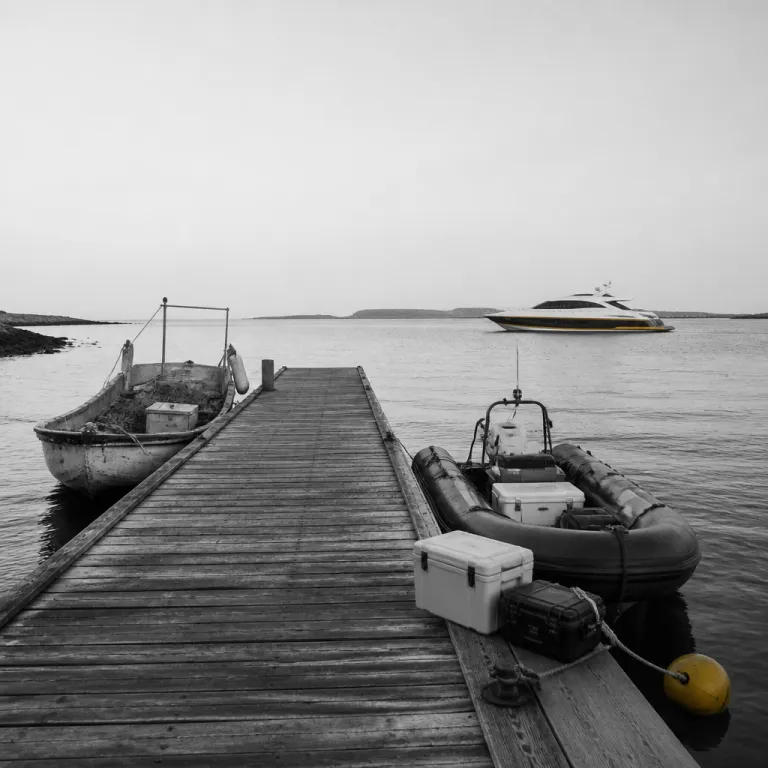
The rhythm of Puerto Ayora at dawn begins before sunrise. On the main pier of this Santa Cruz Island hub, fishermen ease their boats into the calm bay and unload gleaming fish while pelicans and sea lions wait for the first scraps. You stand close enough to feel sea spray on your face and hear the soft Galápagos water slap against the hulls.
Here, the commercial heart of the Galápagos Islands beats in plain sight, framed by the low skyline of the town and the darker outline of Santa Cruz Island hills beyond. The fish market is not a show for visitors; it is where families secure income, chefs plan menus, and marine life opportunists like frigatebirds and sea lions negotiate their share. As one local fisherman might tell you, “If you want to understand Puerto Ayora, visit early and watch the first catch come in.”
Travelers staying at waterfront properties such as Finch Bay Hotel or high-end lodges uphill can stroll from their rooms to this pier in minutes. On any given day, you will see scientists heading toward the Charles Darwin Research Station, fishermen cleaning fish at the market, and guests from expedition yachts stepping ashore for a coffee. This coexistence defines the town and gives it a rare balance between working port and refined travel base.
As the sun climbs, the small beach beside the pier becomes a resting place for sea lions and marine iguanas. Children from local families play at the water’s edge while visitors photograph sea turtles surfacing in the Galápagos shallows. The scene feels relaxed yet purposeful, a reminder that this town in Ecuador serves residents first and tourism second.
For families choosing an upscale hotel in Puerto Ayora, this early morning access is a quiet privilege. You can watch the fish market unfold, then retreat to a shaded terrace for breakfast while the harbor shifts from working dock to day-trip launchpad. Daily life here is not curated for you; you are simply invited to stand respectfully at the edge of it.
From Charles Darwin Research Station to tortuga bay: a day on Santa Cruz
By mid-morning, the focus in town pivots toward science and exploration. Along Avenida Charles Darwin, you follow the waterfront path to the Charles Darwin Research Station, passing small piers where day boats prepare for departures to North Seymour or other corners of the national park. Families in sun hats mix with researchers in field gear, all moving toward the same low-slung buildings at the edge of town.
Inside the Darwin Station complex, the famous giant tortoise enclosures are only the beginning. Behind them, active labs work on projects from petrel conservation to invasive species control, while interpretive trails explain how Charles Darwin’s ideas still shape modern science in the Galápagos Islands. Daytime research activity is visible everywhere; this is the lived reality of Puerto Ayora, where science and tourism share the same narrow streets and many exhibits open to visitors from roughly mid-morning until late afternoon.
For travelers booking premium hotels on Santa Cruz, this proximity to research is a defining advantage. You can leave a shaded pool at Finch Bay, walk about fifteen minutes along the waterfront, and be standing beside a guide explaining marine iguanas or sea turtles to your children. Our curated guide to Galápagos island hotels and elevated land based adventures highlights properties that make this kind of low-friction learning part of daily life.
After the Darwin Station visit, the day naturally flows back toward the sea. A well-marked trail leads from town to Tortuga Bay, one of Santa Cruz Island’s most celebrated beaches, where white sand meets turquoise water and marine iguanas bask undisturbed. The walk from the trailhead to the beach usually takes around forty-five minutes at a family pace, and families can spend the day swimming in the calm inner bay, watching sea turtles glide below the surface while sea lions patrol the outer surf.
On the return walk, the town reappears slowly, first as distant roofs then as the full sweep of the Galápagos bay curve. You re-enter Puerto Ayora with salty hair and sandy feet, passing local children in school uniforms and scientists cycling back toward the Darwin Station. This is where daily life feels most layered, with island leisure, research, and everyday routines overlapping on the same narrow pavements.
Where luxury hotels meet a working Galápagos port
Puerto Ayora is the commercial and tourism center of Santa Cruz, yet it remains a compact town of roughly 12,700 residents. That scale matters for discerning travelers, because it means every premium hotel sits within a living community rather than an isolated resort enclave. You are never far from a corner store, a schoolyard, or a fisherman mending nets beside the sea.
Along the waterfront, higher-end properties and refined guesthouses face the bay, while more discreet luxury options sit slightly uphill with wider views over the Galápagos Islands horizon. From many rooms, you can watch day boats depart toward North Seymour or other national park sites at first light, then see them return in the late afternoon with tired but exhilarated guests. The town’s routines play out below your balcony, from the first fish deliveries to the last water taxis shuttling people back to anchored yachts.
Families planning a premium stay often ask how to balance comfort with authenticity. The answer in Puerto Ayora is to choose hotels that engage with local life rather than walling you off from it, then use the town as your launchpad for island adventures. Our detailed guide on how to reach the Galápagos in style and plan your luxury stay explains how to pair flights, transfers, and Santa Cruz Island hotels for a seamless arrival.
During the day, movement defines the streets. Fishermen head out or return with fish, scientists cycle between labs, and tour operators coordinate day travel to sites where marine life thrives in clear water. In the evening, the same avenues soften as families stroll the malecón, children play on the beach, and sea lions reclaim the steps of small piers.
For visiting families, this blend of working port and relaxed waterfront is part of the appeal. You can spend one day snorkeling with sea turtles and marine iguanas off Santa Cruz, then the next exploring cultural and culinary corners of town without ever losing sight of the sea. The result is both the raw edge of a fishing harbor and the polished service of a luxury hotel, often within a five-minute walk.
Eating like a local: los kioskos, fish market snacks, and waterfront dining
As afternoon slides toward evening, the focus in Puerto Ayora shifts decisively toward food. The same fish that arrived at dawn now appears on menus across town, from simple grills near the pier to refined dining rooms inside luxury hotels. At the waterfront, you can sit with a glass of chilled white wine while watching sea lions patrol beneath the boardwalk for stray fish.
For a more local experience, follow residents inland to the stretch known as Los Kioskos on Charles Binford Avenue. By nightfall, this narrow street transforms into an open-air dining corridor where plastic tables spill onto the road, grills smoke with fresh fish, and families from Puerto Ayora share plates of ceviche, arroz con mariscos, and whole grilled lobster. The same fishermen you watched at the morning fish market now sit with their children, eating the catch of the day at prices that feel fair to both locals and visitors.
Premium travelers sometimes hesitate at the informal setting, yet this is where the town’s social life feels most communal. You might arrive from a refined dinner at a Santa Cruz Island hotel one night, then choose Los Kioskos the next for a more grounded taste of Ecuadorian coastal cooking. Either way, the connection between bay, fish, and plate remains visible, with marine life still active just a few hundred meters away in the dark water.
Street food here is not about novelty; it is about continuity. Families have run the same kiosks for years, serving recipes that predate the growth of luxury tourism in the Galápagos Islands, while adapting gently to visitors’ expectations. You will see scientists from the Darwin Station, guides from Metropolitan Touring, and yacht crews all eating at the same tables as local residents.
For families with children, this is an easy way to introduce younger travelers to everyday routines in Puerto Ayora. Order grilled fish, share a bowl of ceviche, then walk back toward the bay to watch marine iguanas sleeping on the rocks and sea turtles surfacing in the harbor. The town’s culinary texture, from hotel dining rooms to Los Kioskos, mirrors the broader balance between tourism and local life on Santa Cruz.
Beyond the pier: libraries, lava canyons, and family friendly adventures
Puerto Ayora Galápagos town life extends well beyond the waterfront and the famous pier. A few streets inland, the AGIPA Community Library offers a quieter kind of gathering place, with reading programs, environmental learning, and art activities that serve local children and visiting families alike. Supported by conservation-focused organizations, this space reflects how tourism revenue can help sustain education and wellness in a small island town.
When you are ready to leave the streets behind, the surrounding Santa Cruz landscape opens up a different side of the island. A short water taxi ride across the bay brings you to the trail toward Las Grietas, a narrow lava canyon filled with clear, cool water where you can swim between towering rock walls. Here, marine life appears in miniature — small fish flicker in the depths while the sounds of Puerto Ayora fade to a distant murmur.
Families based in Puerto Ayora can also arrange day travel with operators such as Metropolitan Touring to explore further afield. North Seymour, nearby islets, and other national park sites reveal dense colonies of sea lions, nesting seabirds, and rich underwater ecosystems where sea turtles glide past schools of fish. Returning to town in late afternoon, you re-enter the harborfront with a new appreciation for how closely the island’s wild spaces sit beside its streets.
Back on the malecón, the same pier where fishermen unloaded at dawn now hosts children fishing with hand lines and couples watching the sunset. Marine iguanas warm themselves on the last sunlit rocks while the lights of Santa Cruz Island flicker on behind you. The contrast between the quiet AGIPA library, the echoing walls of Las Grietas, and the lively pier captures the layered identity of this town.
For luxury travelers, this means your hotel stay in Puerto Ayora can be as outward facing or as introspective as you choose. One day might be filled with national park excursions and snorkel sessions with sea lions, while another centers on slow walks through town, a visit to the Darwin Station, and an hour at the community library. Our broader guide to Ecuador points of interest for refined travelers places Puerto Ayora within a wider circuit that connects Quito, mainland culture, and the Galápagos Islands.
FAQ about life in Puerto Ayora and staying in town
What is the main industry in Puerto Ayora ?
The main industry in Puerto Ayora is a three-way balance between tourism, fishing, and scientific research. Tourism brings most visitors to Santa Cruz Island and supports hotels, restaurants, and tour operators. Fishing and the work of the Charles Darwin Research Station keep the town closely tied to both the sea and conservation.
Can tourists visit the Charles Darwin Research Station ?
Yes, tourists can visit the Charles Darwin Research Station on the eastern edge of Puerto Ayora. The site includes giant tortoise enclosures, interpretive trails, and exhibits on Galápagos conservation, as well as views toward the bay and nearby Santa Cruz Island hills. Guided visits help families understand how research here supports the wider national park and marine life.
Are there luxury hotels in Puerto Ayora suitable for families ?
There are several luxury and premium hotels in Puerto Ayora that work well for families, including waterfront properties near the bay and quieter options slightly uphill. Many offer interconnecting rooms, pools, and easy access to day tours around Santa Cruz and nearby islands. Staying in town lets you combine high comfort with direct exposure to local Galápagos town life.
Is Puerto Ayora a good base for exploring the Galápagos Islands ?
Puerto Ayora is an excellent base for land-based exploration of the Galápagos Islands, especially for families who prefer to return to the same room each night. From the town’s piers, day boats reach sites such as North Seymour, Tortuga Bay, and other national park locations rich in marine iguanas, sea turtles, and sea lions. At the same time, you can walk to restaurants, the fish market, and the Darwin Station without needing long transfers.
How does Puerto Ayora balance tourism with local community life ?
Puerto Ayora balances tourism and local life by keeping essential services, schools, and community spaces like the AGIPA Library focused on residents while integrating visitors into existing routines. The fish market, Los Kioskos, and the pier remain working spaces first, even as they attract travelers interested in authentic Galápagos town life. Conservation projects and sustainable tourism practices help ensure that growth in luxury accommodations does not overwhelm the town’s identity or its surrounding ecosystems.