Why galapagos kayaking mangroves belong on a luxury hotel short list
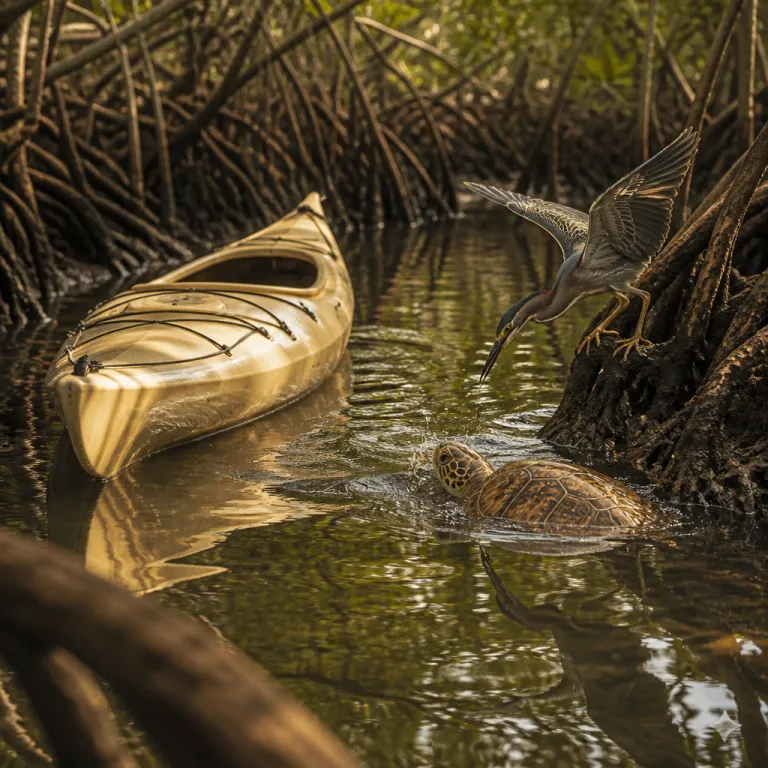
Slip a sea kayak into glassy water at first light and the Galápagos mangroves feel almost private. In that quiet, the soft splash of your paddle replaces the thrum of a panga engine, and wildlife responds differently to you as a guest rather than a passing cruise. For couples choosing between galapagos cruises and a land based stay, this shift in encounter style is often what turns a good day into the memory that defines the trip.
Luxury properties on Santa Cruz and Isabela now treat galapagos kayaking as a signature experience, not an add on. Finch Bay Hotel near Puerto Ayora, for example, has introduced complimentary kayaking galápagos sessions from its sheltered bay, folding them into curated days that also include snorkeling in calm water and guided walks with naturalist guides. This reflects a wider move across the galapagos islands toward non motorized tours that align with Galápagos National Park conservation rules and the ethos of the national park authority.
For travelers used to expedition cruises, the idea of structuring days around a hotel base and a flexible route of sea kayaking excursions can feel liberating. You can time a tour for the cool season when the galapagos sea is rich with nutrients and rays glide beneath your kayak, or choose the warm season for gentler water and long, languid evenings. Either way, the mangrove site you choose matters as much as the room category, because the right bay brings you face to face with sea turtles, herons, and the occasional curious sea lion.
Choosing the right island base for mangrove routes and romantic stays
For couples planning galapagos kayaking mangroves experiences, the first decision is not which tour, but which island to call home. Santa Cruz, Isabela, Floreana, and San Cristóbal each offer different styles of sea kayaking, different levels of hotel comfort, and different access to mangrove lined bay systems. Your choice of island base will shape how many days you spend on the water and how often you share those channels with larger cruises.
Santa Cruz is the most versatile hub, with high end hotels in Puerto Ayora and easy access to Black Turtle Cove and Tortuga Bay by panga or by paddle. From here, you can combine half day kayak tours with evening dining in town, or add a short cruise extension if you want to reach more remote site options such as Darwin Bay or Bahía Genovesa on a small ship. When planning around the cool season and the warm season, use a specialist guide to the optimal periods for booking luxury hotels in the Galápagos Islands so your stay aligns with the marine conditions you prefer.
Isabela, by contrast, suits travelers who want longer, quieter routes with fewer boats and more wildlife. From Puerto Villamil, you can join guided kayaking galápagos outings through the Tintoreras islets and Elizabeth Bay, gliding over shallow water where reef sharks rest and penguins patrol the lava edges. San Cristóbal offers a different rhythm again, pairing sea kayaking with island hopping day tours and access to some of the most charismatic sea lions in the archipelago, which often treat your sea kayak as part of their playground.
The best mangrove bays for intimate galapagos kayaking encounters
Black Turtle Cove on Santa Cruz is the classic galapagos kayaking mangroves experience, and for good reason. The route threads through narrow channels where red and black mangroves knit together above still water, creating a shaded world where sea turtles rest at the surface and herons hunt from low branches. In a kayak rather than a panga, you can pause mid bay, let the paddle rest, and watch a single ray trace slow circles beneath your hull.
On Isabela, Elizabeth Bay and the Tintoreras area offer a more open, volcanic feel while still protecting you from the swell of the galapagos sea. Here, sea lions haul out on lava ledges, marine iguanas slip into the water beside your sea kayak, and in the cool season you may see penguins arrowing past in small groups. These sites are usually reached by a short cruise style transfer from town, then explored by sea kayaking in small groups with a certified naturalist guide who understands both the tides and the rules of the national park.
Floreana’s lagoons, reached on select island hopping tours, feel wilder again, with fewer boats and a stronger sense of isolation. Couples who value privacy often pair a stay on Santa Cruz with a day tour here, using a mix of panga transfers and gentle kayaking galápagos sessions to explore the mangrove edges. If you want to balance time on the water with time underwater, look for operators and hotels that combine these routes with guided snorkeling in calm coves, using resources such as a land based snorkeling guide to plan non cruise days efficiently.
Wildlife by season: what to expect from cool currents to warm evenings
Wildlife encounters during galapagos kayaking mangroves outings shift subtly between the cool season and the warm season. In the cooler months, the Humboldt and Cromwell currents enrich the galapagos sea, drawing more rays and sometimes sharks into the shallows beneath your kayak. Herons and pelicans hunt actively in these conditions, using the mangrove roots as ambush points while sea turtles surface quietly beside your tour group.
During the warm season, water temperatures rise and the sea often feels calmer, which suits less experienced paddlers and couples who want long, relaxed days on the water. Sea lions become even more playful around kayaks, especially young animals that treat your paddle strokes as an invitation to follow, while marine iguanas bask longer on the lava between short feeding swims. Around Santa Cruz and San Cristóbal, this is also a comfortable time for stand up paddle sessions in sheltered bay areas, often offered alongside traditional kayaking galápagos excursions.
More remote sites such as Darwin Bay and Bahía Genovesa are usually reached on galapagos cruises rather than from hotels, but the same seasonal patterns apply. In nutrient rich months, birdlife feels denser and the surface of the water can seem alive with baitfish and predators, even when you are simply crossing a bay by panga. Whatever the season, remember the guidance shared by local operators : "Wear sun protection. Bring waterproof camera. Follow guide instructions."
How luxury hotels curate low impact paddling, from gear to conservation
For travelers booking premium rooms in the galapagos islands, the real upgrade often lies in how a hotel handles galapagos kayaking mangroves logistics. Top properties on Santa Cruz and Isabela now work closely with operators such as Neotropic Expeditions, Galápagos A Mano Expeditions, and Go Galápagos to provide high quality kayaks, safety gear, and small group tours. This means you can step from your suite to the water with minimal fuss, knowing that both the equipment and the naturalist guide meet Galápagos National Park standards.
Many hotels schedule half day or full day sea kayaking outings, with clear timelines that start with a safety briefing, move into a guided tour, and end with a relaxed return to the launch site. For couples, this structure leaves space for slow breakfasts, spa time, or an evening walk along Tortuga Bay without feeling rushed between activities. Some properties also offer stand up paddle boards alongside traditional sea kayaks, giving you the option to alternate between sitting low in the mangroves and standing high for a different view of the bay and the surrounding galapagos sea.
The conservation angle is not a marketing afterthought here ; zero emission exploration is central to how the galapagos national authorities want visitors to experience the archipelago. By choosing paddle powered tours instead of extra panga rides, you reduce noise, wake, and fuel use in fragile mangrove systems that cover roughly 35 square kilometers across the islands. When planning peak season stays or last minute days on Santa Cruz, use specialist advice on how to secure your July and August stay so that your preferred kayaking routes and guides are locked in before the best slots fill.
FAQ
What wildlife can I see while kayaking in Galápagos mangroves ?
While kayaking through Galápagos mangroves, you can expect close but respectful views of sea turtles, herons, sea lions, and marine iguanas in calm, shallow water. In some bays, rays and small reef sharks may glide beneath your kayak, especially during the cool season when the sea is richer in nutrients. Birdlife is also excellent, with pelicans, lava herons, and sometimes penguins near sites such as Elizabeth Bay and Tintoreras.
Do I need prior kayaking experience for these tours ?
Most galapagos kayaking mangroves tours are designed for beginners, with stable sea kayaks and clear safety briefings before you enter the water. Guides from operators such as Neotropic Expeditions or Galápagos A Mano Expeditions set an easy pace and choose routes that match the group’s ability. Couples with moderate fitness can comfortably handle half day outings, while longer days are available for those with more paddling experience.
Is snorkeling usually included with mangrove kayak outings ?
Snorkeling is often part of the experience, especially around Santa Cruz and Isabela where calm coves sit close to mangrove channels. Many tours carry masks, snorkels, and fins on the panga or support boat, allowing you to switch from sea kayaking to snorkeling mid route. Check with your hotel or operator in advance so you know whether wetsuits and full equipment are provided.
When is the best season for couples to plan mangrove kayaking ?
Both the cool season and the warm season offer excellent galapagos kayaking mangroves conditions, but with different characters. The cool months bring richer marine life and more rays beneath your kayak, while the warmer months usually mean calmer water and more comfortable air temperatures for long days outside. Couples who prioritize wildlife density may lean toward the cool season, while those focused on relaxed paddling and romantic evenings often prefer the warm season.
How do hotel based stays compare with cruises for kayaking access ?
Hotel based stays on islands such as Santa Cruz, Isabela, and San Cristóbal give you flexible access to nearby mangrove bays, with the option to repeat a favorite route or adjust plans around weather. Galapagos cruises, by contrast, reach more remote sites such as Darwin Bay or Bahía Genovesa but follow fixed itineraries with limited time for sea kayaking. Many luxury travelers now combine a short cruise with several hotel nights, using both approaches to experience the full range of mangrove and open sea environments.