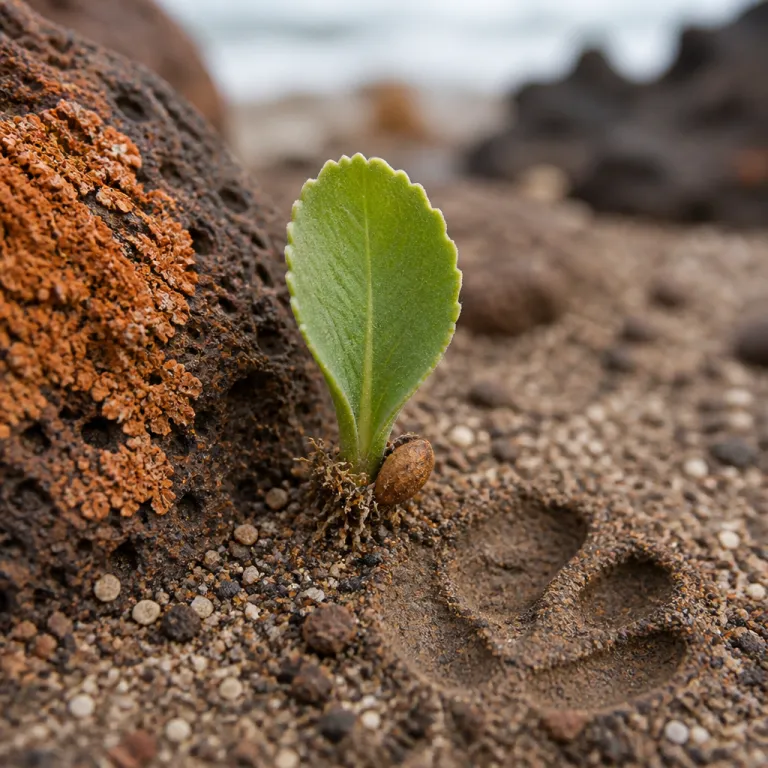
Floreana’s layered past and why this island matters now
Floreana Island sits low on the southern horizon of the Galápagos, a quiet silhouette that hides a dense, sometimes dark human story. This is the island where pirates carved caves into volcanic walls, where early settlers struggled with scarce freshwater, and where the infamous baroness mystery still lingers in whispers among local people. For luxury travelers, understanding this layered past is essential, because the current Floreana Island Galápagos rewilding effort is rewriting what island conservation can look like in Latin America.
Walk up from the small harbor of Puerto Velasco Ibarra and you feel how small this community is, with roughly 150 residents holding the line between fragile wildlife and the wider world. The community on Floreana has lived with the consequences of invasive species for generations, watching native species vanish from the island’s highlands and coasts. That lived experience now fuels a restoration project that aims to bring back locally extinct species while keeping tourism intentionally low key and deeply respectful.
The legends are still here, of course, from the pirate caves to the post office barrel where travelers leave letters that other people hand carry across islands. Yet the real story now is ecological restoration, not romantic shipwreck tales or the baroness and her entourage. When you stand above the black sand of Post Office Bay, you are looking at one of the most ambitious island restoration projects in the Galápagos Islands, one that will influence how other islands across Latin America approach rewilding in the long term.
Inside the floreana island galapagos rewilding project
The Floreana Island Galápagos rewilding project is not a marketing slogan; it is a tightly coordinated ecological restoration led by the Galápagos National Park Directorate and Galápagos Conservancy. Their shared goal is starkly simple to state and complex to execute: remove invasive species such as rats, feral cats, and goats, then reintroduce native wildlife that has been locally extinct for generations. According to project summaries published by the park and its partners, this restoration initiative uses satellite imagery, aerial surveys, and genetic analysis to map habitats and track how species respond as the island heals.
On the ground, that means bait stations in the highlands, biosecurity checks at the dock, and a constant focus on preventing new invasive species from arriving with boats or cargo. It also means carefully planned returns of giant tortoises (Chelonoidis niger), with 158 individuals brought back to the Galápagos Islands after roughly 180 years away, each giant tortoise tagged and monitored as it begins to reshape the landscape. These figures come from Galápagos Conservancy and Galápagos National Park Directorate reports released in 2022–2023, which outline how these ecological engineers will help native plants, invertebrates, and birds reclaim niches once dominated by goats and other invasive animals.
For travelers, the most compelling aspect is that this island restoration is happening in full view, yet access remains controlled through authorized operators and licensed naturalist guides. Staying at a low impact coastal property such as Floreana Lava Lodge places you within walking distance of both the tiny village and the shoreline where sea lions sleep undisturbed. From here, guided excursions take you into areas where the national park and the park directorate are testing new methods for island conservation, giving you a front row seat to rewilding without overwhelming the island’s small community.
Wildlife returns, from floreana mockingbird to giant tortoises
Floreana’s wildlife story is one of loss, then careful, deliberate return, and it is this arc that makes the Floreana Island Galápagos rewilding effort so compelling. Early settlers and visiting ships hunted tortoises, cleared land, and brought invasive species that pushed several native species to the brink, leaving some functionally or fully extinct on the island. The iconic Floreana mockingbird (Mimus trifasciatus), once common enough for Charles Darwin to collect specimens here, became locally extinct on the main island and survived only on nearby islets.
Today, the national park and its partners are working toward a future where the Floreana mockingbird can once again call the main island home, supported by restored habitat and the absence of invasive predators. The same logic applies to other threatened species, from small passerines to the little known Galápagos petrel (Pterodroma phaeopygia) that nests in the highlands and depends on a predator free environment. Each returning tortoise, each nesting seabird, and each native plant that reclaims a lava slope is part of a broader ecological restoration that will unfold over the long term, measured in decades rather than seasons.
For travelers, this means that a hike into the highlands is no longer just a scenic walk past Scalesia trees and misty pastures. It becomes a living classroom in island conservation, where your guide might explain how island conservation on Floreana differs from work on San Cristóbal, the island where many travelers linger after landing, as explored in a detailed look at San Cristóbal beyond the airport. You start to see how each island in the Galápagos archipelago, from Floreana to San Cristóbal, balances people, wildlife, and tourism in distinct ways that reflect their history and ecological pressures.
How to visit Floreana responsibly and still travel in style
Luxury on Floreana is not about marble lobbies or endless room categories; it is about waking to the sound of waves and knowing your stay supports one of the most ambitious rewilding projects in Latin America. Properties here are small, often family run, and work closely with the Galápagos National Park to align operations with conservation goals. Expect simple, comfortable rooms, ocean facing decks, and the kind of quiet that makes you notice every mockingbird call and every tortoise footprint in the sand.
Choosing the right operator matters, because only authorized guides can take you into sensitive areas where invasive species eradication and habitat restoration are underway. Look for itineraries that include time with local community members, whether that is a visit to a small farm in the highlands or a conversation with residents involved in the restoration project. These encounters help you understand how people on Floreana balance fishing, small scale tourism, and conservation, and why the community will always be central to any long term island restoration.
Water based excursions remain a highlight, and you do not need a cruise ship to access world class snorkeling around Floreana and neighboring islands. Land based travelers can plan multi day stays that combine Floreana with other islands, using a practical guide to snorkeling in the Galápagos without a cruise to structure their time. The real luxury here is not the cabin upgrade but the moment when a sea lion pup decides you are interesting enough to circle, while a naturalist quietly explains how ecological restoration on land shapes the richness you see underwater.
The future of Floreana and what it means for island conservation
Floreana’s quiet revolution is being watched far beyond the Galápagos, because this island scale experiment in rewilding offers a blueprint for other islands grappling with invasive species and extinct species. The combination of community engagement, rigorous science, and strong leadership from the park directorate and its partners shows how conservation can move beyond protection toward active restoration. As one project summary from Galápagos Conservancy puts it with disarming clarity, “Why were tortoises reintroduced to Floreana? To restore the species extinct for 150 years.”
That single sentence captures the ambition behind the Floreana Island Galápagos rewilding effort, where giant tortoises are both a symbol and a tool for reshaping ecosystems. The work here, supported by Galápagos Conservancy and informed by satellite based vegetation mapping, demonstrates how technology can serve very grounded goals, such as tracking habitat change or monitoring how wildlife uses restored corridors. Over time, lessons from this island restoration will inform projects across Latin America, from other Galápagos Islands to remote archipelagos facing similar pressures from invasive species and climate shifts.
For travelers, the question is not whether Floreana will change, but how you choose to engage with that change while it is still unfolding. Visiting now means accepting limited infrastructure, slower logistics, and a conservation first mindset that may cap visitor numbers even as interest grows. In return, you gain the rare chance to witness ecological restoration in real time, walking an island where Charles Darwin once puzzled over finches and mockingbirds, and where a new chapter in island conservation is being written from the ground up.
FAQ
Why were giant tortoises reintroduced to Floreana island ?
Giant tortoises were reintroduced to Floreana Island to restore a keystone species that had been locally extinct for around 150 years. Their grazing, seed dispersal, and movement patterns help shape vegetation structure and create habitat for other native species. This reintroduction is a central pillar of the broader Floreana Island Galápagos rewilding and ecological restoration project.
What are the main invasive species threatening Floreana’s wildlife ?
The primary invasive species on Floreana have included rats, feral cats, and goats, all of which prey on or compete with native wildlife. These invasive species have impacted ground nesting birds, reptiles, and plants, contributing to several locally extinct species on the island. Current island conservation work focuses on eradicating or tightly controlling these invasive populations to allow native species to recover.
How can visitors support conservation while staying on Floreana ?
Visitors can support conservation by choosing locally owned accommodations that collaborate with the national park and park directorate, and by using authorized naturalist guides. Respecting wildlife distances, following all Galápagos National Park regulations, and avoiding any transport of seeds or insects between islands also helps protect fragile ecosystems. Many travelers also choose to donate to organizations such as Galápagos Conservancy, which supports the restoration project and long term monitoring.
Is it possible to see the floreana mockingbird during a visit ?
The original Floreana mockingbird is currently found on nearby islets rather than the main island, because it became locally extinct on Floreana due to invasive predators and habitat loss. Some specialized itineraries include boat trips to areas where this species still survives, always under strict national park rules. Over time, successful invasive species control and habitat restoration may allow the Floreana mockingbird to return to the main island as part of the rewilding plan.
What makes Floreana different from other Galápagos islands for luxury travelers ?
Floreana offers a quieter, more intimate experience than larger Galápagos Islands, with a tiny community and very limited accommodation options. Luxury here is defined by proximity to wildlife, direct engagement with conservation, and the chance to witness an ambitious island restoration project in progress. For couples seeking privacy, meaningful travel, and a strong conservation narrative, Floreana’s understated charm and active rewilding make it uniquely compelling.