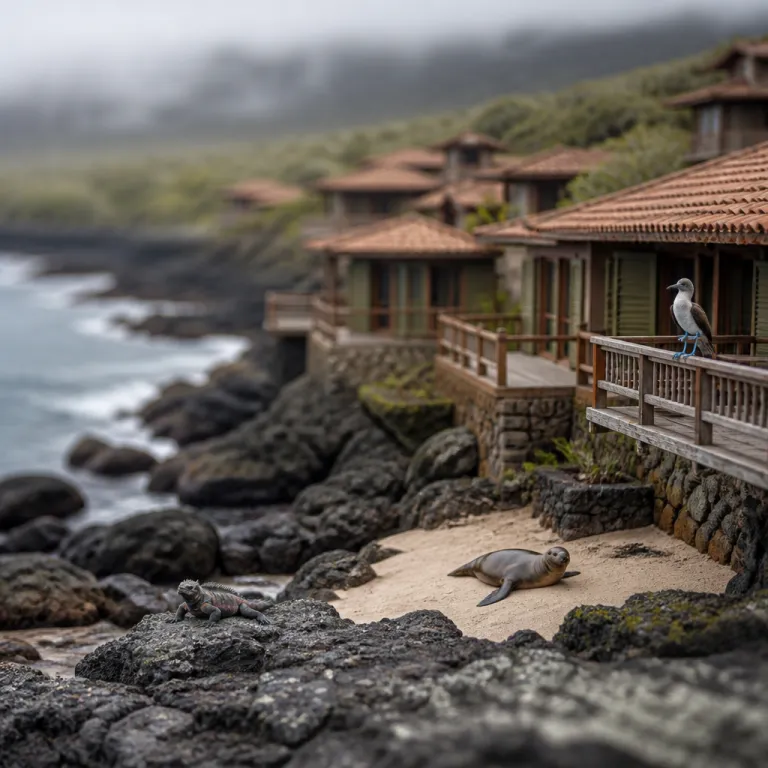
Garúa season weather: misty mornings, clear decks and cooler nights
Garúa season in the Galápagos arrives with a soft grey veil that hangs over the islands at dawn, then lifts to reveal sharp horizons and a strangely luminous green sea. This cool, drier period runs for roughly six months, with the Galápagos Conservancy noting an average air temperature of about 23 °C (73 °F) in the central islands, and most days follow the same rhythm: misty mornings, bright but not harsh middays, and evenings that settle around 18 to 20 °C (64–68 °F). For luxury travelers planning their time to visit Galápagos, this pattern matters more than the postcard idea of a permanently hot tropical island.
What is the garúa season? A cool, dry period in the Galápagos from July to December, driven by the strengthening Humboldt Current and the southeast trade winds. As colder water wells up along the archipelago, the air cools, and low clouds sit over Santa Cruz and the other central islands while the sea stays busy with marine life. You may wake to a fine drizzle on your balcony, watch it bead on the infinity pool, then by late morning the sky brightens enough for a tender ride to a green island shoreline alive with the wildlife Galápagos is famous for.
How does garúa season affect wildlife? It triggers breeding and feeding behaviors in various species by increasing marine productivity and keeping vegetation fresh in the highlands. Cooler, nutrient-rich water supports plankton blooms and bait fish, while persistent mist keeps highland pastures green for giant tortoises. These conditions turn these months into one of the best times for serious wildlife Galápagos encounters, even if the light feels softer and the sea looks steel blue instead of postcard turquoise. Is garúa season suitable for tourism? Yes, it is ideal for observing unique wildlife activities, and for guests in premium suites this often means quieter decks, cooler cabins without constant air conditioning, and more comfortable land excursions across volcanic terrain.
On board higher-end expedition vessels, the crew adjusts the daily program to the season, often front-loading marine excursions when the sea is calmest and keeping longer land walks for later when the garúa has burned off. On Santa Cruz, luxury lodges in the highlands sit inside the cloud layer itself, so you may sip coffee while giant tortoises graze in the wet grass just beyond the terrace, a reminder that this is a dry season only by Galápagos standards. The Galápagos National Park Directorate and Galápagos Conservancy use weather stations, satellite imagery, and long-term field surveys to monitor how each month of the season shapes wildlife behavior, and their conservation work quietly underpins every comfortable stay you book.
The marine feeding frenzy: why cooler water means wilder encounters
The real secret of Galápagos garúa season wildlife sits below the waterline, where cooler nutrient-rich currents flip a switch on marine life. When the sea temperature drops into the 18–22 °C (64–72 °F) range, plankton blooms, small fish gather, and suddenly the entire marine food chain in the Galápagos Islands feels closer to the surface and closer to your mask. Visibility can be lower than in the warm season—often around 8–15 m instead of 15–25 m according to long-term dive logs and regional sea-surface monitoring datasets—yet encounter quality soars because more species are actively hunting, feeding, and cruising the same channels you snorkel through.
On western itineraries that include Isabela and Fernandina, this is the best time for watching marine iguanas graze underwater, their green and black bodies twisting through the surge while sea turtles cruise past and reef sharks patrol the edge of the lava. Around rocky points, blue-footed and other boobies hit the water like spears, chasing bait balls that shimmer just meters from your fins, and sea lions use the chaos as an excuse to practice high-speed turns around your group. It is here that the phrase Galápagos wildlife stops meaning only land-based iguanas and giant tortoises and starts to include the full cast of marine species that define the archipelago.
Española, on the southeastern edge of the islands, turns into a theatre for the waved albatross during these months, with the famous courtship dances on land matched by long sweeping flights over a sea thick with marine life. The main breeding season for waved albatross runs roughly from April to December, with peak displays and chick-rearing typically between May and October according to park monitoring data and peer-reviewed seabird studies, so garúa overlaps with some of the most active months. Along the cliffs, you can watch a single waved albatross launch into the wind while below, sea lions and the occasional sea lion pup work the surf line for scraps. For a deeper dive into how this dry season transforms underwater experiences, many travelers pair their hotel stay with a focused marine life itinerary such as those outlined in our guide to Galápagos diving and advanced snorkel sites at Galápagos diving from your first snorkel to the hammerhead washing machine.
Back on Santa Cruz, day trips during garúa season often split your time between highland land excursions and coastal marine sessions, letting you move from watching giant tortoises in the green Scalesia forests to swimming with sea lions in a single afternoon. The highlands, described in detail in our feature on Galápagos highlands, giant tortoises and coffee on lava, feel especially lush in this season, with mist feeding the vegetation even as the calendar calls it the dry season. For luxury hotel guests, this duality means you can spend one visit chasing marine iguanas and sea turtles underwater, another focusing on land-based wildlife Galápagos experiences, and still feel that every time you travel to the islands during garúa you are seeing a different facet of the same archipelago.
Where to stay for garúa season: island by island wildlife strategies
Choosing the right island base during garúa season is less about the biggest suite and more about how quickly you can move from your room to the water or the trail. On Santa Cruz, premium hotels in Puerto Ayora offer fast access to both the green highlands and the sheltered bays where sea lions and sea turtles cruise, making it an excellent first-time visit Galápagos choice in this season. The town sits close to the coordinates 0.7406 ° S and 90.3133 ° W, but what matters for you is that a short drive takes you from a waterfront breakfast to land excursions among giant tortoises before the mist has fully lifted.
Isabela Island, by contrast, is about long horizons and a slower rhythm, which pairs beautifully with the cooler garúa months when marine life is at its peak. This is the best time to base yourself in a luxury property facing the sea, then spend each day moving between marine iguanas on the lava, penguins in the water, and sea lion colonies along the shore. Our detailed guide to where to stay on Isabela Island breaks down which hotels sit closest to the key wildlife access points, a crucial detail when the month you travel shapes which species you see most often.
For travelers who want the full Galápagos garúa season wildlife arc, a western-focused cruise paired with a pre- or post-stay on Santa Cruz or Isabela works well. The cruise brings you to Fernandina for dense marine iguanas and active marine life, while the land stay lets you slow down, revisit favorite bays, and enjoy the comfort of a stable base with refined service. Over the course of a year-round calendar, many repeat guests quietly choose these garúa months as their preferred time to visit, precisely because the islands feel more like a working ecosystem and less like a staged warm-season postcard.
Luxury properties have adapted to this preference, offering heated plunge pools, thoughtful layering options for zodiac rides, and flexible excursion menus that respond to real-time wildlife reports from naturalist guides and the Galápagos National Park Directorate. Conservation actors use climate monitoring, wildlife observation, and ecosystem assessment to understand how each season affects species, and high-end operators increasingly align their itineraries with these conservation insights. For you as a guest, that means the best time to see sea lion pups, boobies feeding, or a green sea surface alive with bait fish is less a guess and more a carefully planned element of your stay.
Packing, comfort and why experienced travelers favor the misty months
Packing for garúa season in the Galápagos is about embracing layers rather than chasing endless warm days. Expect cooler air on deck, especially when the ship is under way, and bring a light insulated jacket, a thin fleece, and a breathable waterproof shell for those misty zodiac rides over choppy water. On land, quick-drying trousers, a long-sleeved shirt, and closed shoes make volcanic trails and nesting sites more comfortable than the shorts and flip-flops that dominate the warm season.
For the sea, a 3 mm wetsuit is usually enough during this cool season, though some guests who feel the cold prefer 5 mm for longer marine life sessions with sea lions, sea turtles, and marine iguanas. Pack a beanie for early morning tenders, but keep your swimwear handy; the contrast between cool air and active marine life makes slipping into the water feel like joining the real action rather than just cooling off. Many luxury hotels now provide quality snorkel gear, so your focus can stay on the wildlife Galápagos offers rather than on equipment logistics.
Experienced travelers often say that the best time to experience Galápagos garúa season wildlife is when most people are still chasing the idea of a dry-season beach holiday elsewhere. They come for the sight of a sea lion pup tugging at a fin strap, for the sound of a waved albatross clacking beaks on a wind-swept island, and for the moment when a group of blue-footed boobies turns the green sea surface into a boiling mass of wings and splashes. Over the course of the year, they learn that each month has its rhythm, but these misty months offer one of the most concentrated mixes of species, behavior, and comfortable travel conditions.
Galápagos Conservancy and the Galápagos National Park Directorate emphasize that seasonal changes impact biodiversity and that adaptive conservation strategies are essential to preserve both land and marine species. Their work, often in partnership with local communities and international NGOs, ensures that when you visit Galápagos during garúa season, the wildlife spectacle you witness is part of a carefully protected system rather than a fragile accident. Pack light rain gear, prepare for cooler temperatures, expect misty conditions, and you will understand why those who know the islands well quietly book their return trips for the garúa months, year after year.
FAQ: garúa season, wildlife and luxury stays in the Galápagos
When is the garúa season in the Galápagos and how long does it last ?
The garúa season in the Galápagos typically runs from July to December, lasting about six months. During this period, cooler air and low clouds dominate mornings, while afternoons are usually brighter and drier. Average temperatures hover around 23 °C, with nights dropping closer to 18 to 20 °C, according to long-term climate records compiled by the Galápagos National Park and partner research stations.
Is garúa season a good time to see wildlife in the Galápagos Islands ?
Garúa season is one of the best times to see Galápagos wildlife, especially marine life. Cooler nutrient-rich waters increase feeding and breeding activity among species such as sea lions, marine iguanas, sea turtles, and many seabirds. On land, lush vegetation and active nesting make this season ideal for observing giant tortoises and other land species, with many visitors reporting that July through October offers particularly dense wildlife activity.
How does garúa season affect daily weather for travelers ?
Travelers can expect misty or drizzly mornings, particularly in the highlands of islands like Santa Cruz, with cloud cover often lifting by midday. Temperatures are comfortable rather than hot, and humidity is lower than in the warm season. Light rain gear and layers are usually enough to stay comfortable on both land excursions and boat decks, and most operators schedule the longest hikes for late morning or early afternoon when visibility is best.
Is garúa season suitable for luxury and premium travel experiences ?
Garúa season works very well for luxury and premium stays because cooler temperatures make excursions more comfortable and properties can focus on thoughtful details rather than constant cooling. High-end hotels and expedition vessels adjust their programs to match peak wildlife activity, offering well-timed marine and land outings. Guests benefit from quieter trails, less intense sun, and often more attentive service as demand spreads across the year instead of concentrating in a single warm-season peak.
Which islands are best during garúa season for specific wildlife encounters ?
Fernandina is excellent for dense concentrations of marine iguanas and active marine life, while Isabela offers strong chances of penguins, reef sharks, and rich coastal ecosystems. Española is the key island for waved albatross courtship displays during their April–December breeding window, and Santa Cruz balances highland giant tortoises with accessible bays full of sea lions and sea turtles. Combining these islands in one itinerary during garúa season gives a broad cross section of Galápagos garúa season wildlife in both land and sea environments.