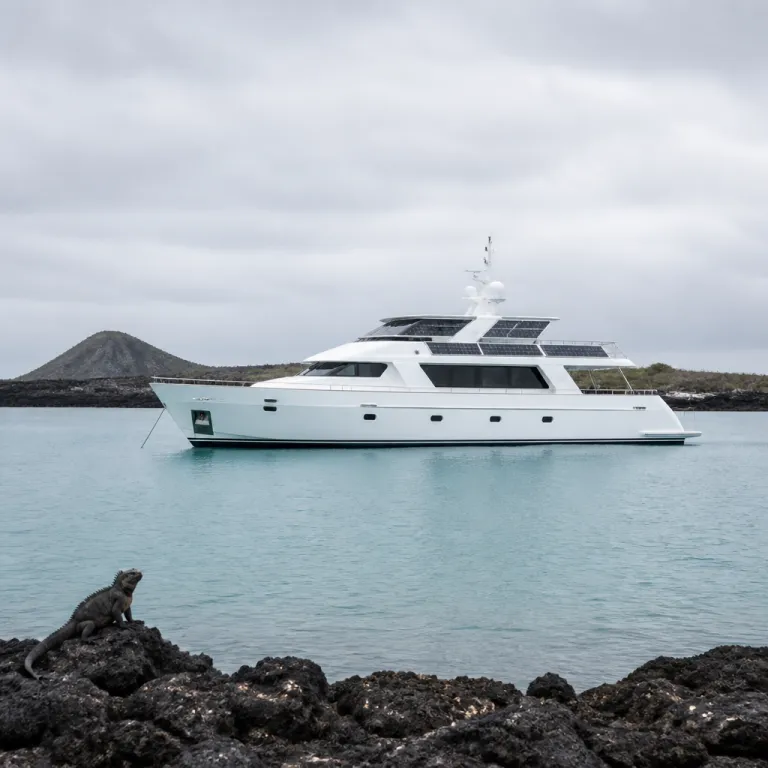
Galápagos eco expedition yachts: hybrid luxury with a lighter footprint
Why eco expedition yachts are reshaping luxury in the Galápagos
In the Galápagos, the real upgrade is not a bigger suite. The new benchmark for a Galápagos eco expedition cruise is a vessel that treats the islands as a living laboratory, where every kilowatt and every close wildlife encounter is managed with care. For guests used to five-star city hotels, this shift toward quiet hybrid engines, solar panels, and lower-emission operations is redefining what luxury means at sea.
Across the Galápagos Islands, a new generation of expedition cruise ships is emerging that blends comfort with conservation. Operators now design each expedition around low-impact routes, timed landings, and respectful wildlife encounters rather than simply promising a generic Galápagos cruise with endless activities. For business-leisure travelers extending a work trip into a once-in-a-lifetime adventure, this means your travel choices carry real weight for the national park and its fragile ecosystems.
Solar-assisted propulsion on a modern expedition cruise ship reduces generator use, which in turn lowers noise and vibration underwater. That quieter approach matters when you are drifting off San Cristóbal watching sea lions twist through the blue, or when marine iguanas bask unbothered on black lava as your panga glides in. On a well-designed Galápagos eco expedition cruise, the ship becomes a discreet basecamp rather than a floating resort, and that restraint is precisely what delivers the best wildlife experience.
From diesel to hybrid electric: how the new fleet actually works
The most interesting story in luxury Galápagos travel right now is happening in the engine room. Quasar Expeditions has taken a 52.9-meter classic yacht and retrofitted it with hybrid-electric propulsion using ABB technology, creating the Quasar Conservation as the first hybrid-electric expedition yacht in the archipelago. According to ABB’s published case studies on comparable hybrid marine projects, this kind of engineering can cut fuel consumption and greenhouse-gas emissions by roughly 10–20 percent while extending a vessel’s operational life by one to two decades, and allows ships to approach sensitive sites with a softness that standard cruises simply cannot match.
Hybrid systems on a Galápagos expedition yacht typically pair efficient diesel generators with large battery banks and, increasingly, solar panels on the upper decks. During the day, solar power can support hotel loads, from air conditioning in luxury cabins to the galley, which means generators run fewer hours and wildlife encounters near shore are less disturbed by engine noise. At night or on longer crossings between islands such as Santa Cruz and Baltra Island, the ship can switch intelligently between battery and diesel to maintain range without compromising comfort for guests.
Other operators are following this path, including a 20-guest hybrid-electric conservation yacht expected to launch with a strong focus on low-carbon expedition cruises. Ecoventura has documented waste management systems, a ban on single-use plastics, and local hiring practices that anchor Galápagos luxury firmly in the community rather than importing a resort model. For travelers tracking the future of marine tourism, the partnership between HX Expeditions and Metropolitan Touring aboard Santa Cruz II, which offers carbon-neutral Galápagos cruises verified through third-party carbon accounting and offset programs, signals that the best Galápagos experiences will increasingly be measured in kilograms of CO2 per guest day as much as in rare wildlife sightings.
What is the Quasar Conservation? A 52.9-meter expedition yacht retrofitted with hybrid-electric propulsion, as reported by Quasar Expeditions and ABB. Why retrofit yachts with hybrid-electric systems? To reduce emissions, improve fuel efficiency, and extend operational life. Who collaborated on the Quasar Conservation project? Quasar Expeditions and ABB’s marine and ports division.
For those drawn to the science behind these changes, the shift to hybrid propulsion aligns with broader conservation research in the region, including new work on oceanic manta rays and how marine tourism can support their protection. If you are planning a Galápagos eco expedition cruise with a strong marine focus, it is worth reading this dedicated analysis of oceanic manta ray research and marine tourism before choosing your ship and itinerary. Understanding how propulsion, speed, and approach distances affect large pelagic species will help you evaluate whether a given expedition really aligns with your values.
Solar panels, quieter decks and what they mean for wildlife encounters
Solar panels on a Galápagos eco expedition cruise are not a marketing garnish; they change how the ship behaves hour by hour. When photovoltaic arrays shoulder more of the daytime electrical load, generators can idle or shut down completely as you approach landing sites, creating a calmer acoustic footprint in the water. That quiet is what lets you slip into a snorkeling site beside sea lions without the background thrum that usually defines traditional cruises.
On a well-designed expedition cruise, the captain will often switch to battery-dominant modes near key wildlife hotspots, from the cliffs of San Cristóbal to the channels off Santa Cruz where marine iguanas graze underwater. Less vibration means clearer underwater soundscapes, which benefits everything from reef fish to passing dolphins and, during the right season, migrating whales. If you are timing your trip for the best time to see humpbacks and other cetaceans, pairing your dates with a low-impact ship can make each day on the water feel more like a private observation than a busy tour.
Solar-assisted systems also improve life on deck for guests, because reduced generator use translates into fewer fumes and a more tranquil ambience for open-air dining or late-night stargazing. When you are returning from a long day of guided hikes among giant tortoises or kayaking along lava cliffs, that sense of quiet luxury is tangible. For travelers planning a Galápagos cruise around seasonal wildlife, this guide to whale season in the Galápagos is a useful companion to ship specifications, helping you align your chosen expedition with the rhythms of the islands.
Small catamaran or larger ship ? Choosing your expedition style
One of the most consequential decisions for any Galápagos eco expedition cruise is the size of your vessel. A 16-guest catamaran offers an intimate, yacht-like atmosphere where you quickly know every face on board and can pivot plans with your naturalist guides when a pod of dolphins appears off the bow. A larger 50-cabin ship such as Santa Cruz II delivers more facilities and multiple guide teams, which can be ideal for travelers who want both structured days and the option of privacy.
On smaller luxury cruise catamarans, landings are often faster because fewer guests need to be ferried ashore in pangas, which can translate into more flexible timing for wildlife encounters. You might spend an unhurried morning on a secluded beach with only your group and a colony of marine iguanas, then return to the ship for a quiet lunch before an afternoon of snorkeling with sea lions. For executives used to tight schedules, this rhythm of focused adventure and generous downtime can feel like the best Galápagos antidote to back-to-back meetings.
Larger Galápagos cruises, by contrast, can offer a richer onboard ecosystem with lecture theaters, multiple lounges, and sometimes a small spa, all of which appeal to travelers who value amenities alongside expedition depth. With more naturalist guides on board, these ships can split guests by interest and fitness level, ensuring that a serious birder and a first-time snorkeler both feel well served on the same day. When you compare options, look beyond the phrase “luxury Galápagos” in the brochure and ask how many guests each guide leads, how landings are staggered, and how the ship manages its footprint at each national park site.
Reading beyond the brochure: how to verify real sustainability claims
Marketing language around a Galápagos eco expedition cruise has become more polished, which makes it harder to separate genuine conservation work from green-tinted copy. Start by asking operators for specific data on fuel consumption per guest day, waste management protocols, and whether they have eliminated single-use plastics across all ships in their fleet. Ecoventura, for example, publishes clear information about its waste handling and local hiring, which gives travelers a concrete sense of how each expedition supports the islands rather than merely using them as a backdrop.
The Galápagos National Park Directorate requires all Galápagos cruises to operate with licensed vessels and certified naturalist guides, and this licensing system is your first filter for serious operators. When you evaluate a proposed Galápagos expedition, check that the ship is listed with the Directorate, that guides hold the appropriate level of certification, and that itineraries respect site capacity limits designed to protect wildlife. A credible expedition cruise will be transparent about how it coordinates landing times with other ships to avoid crowding, which is crucial for both guest experience and the welfare of giant tortoises, sea lions, and nesting seabirds.
For travelers who care about photography, sustainability also intersects with access and timing. A well-run Galápagos luxury operation will schedule landings to catch soft light and quieter hours, which is essential if you are planning a serious wildlife photography trip around marine iguanas, blue-footed boobies, and other emblematic species. To refine your plans, consult this in-depth wildlife photography guide for every skill level, then cross-check your preferred ship’s daily schedule to ensure it supports the kind of images you hope to bring home.
How eco yachts change your day to day life on board
Life on a modern Galápagos eco expedition cruise feels subtly different from older-style voyages, even before you step into a zodiac. Mornings often begin with a quiet glide into a sheltered bay, the ship running on batteries as guests gather on deck with coffee to watch the islands wake. That calm sets the tone for a day shaped by thoughtful pacing rather than a checklist of rushed activities.
A typical day might pair a pre-breakfast hike among giant tortoises or nesting frigatebirds with a late-morning snorkeling session over reefs where sea lions and turtles weave through shafts of light. After lunch, many expeditions offer a choice between a more strenuous kayak outing and a gentler panga ride, allowing each guest to calibrate their own level of adventure. On the best Galápagos itineraries, your naturalist guides will adjust the sequence of activities based on tides, wildlife reports, and the energy of the group, which is where small-ship flexibility really shines.
Evenings on a low-impact luxury cruise tend to be unhurried, with short talks on geology or evolution, perhaps a tasting of Ecuadorian chocolate, and time on deck under a sky unpolluted by city lights. Because hybrid systems reduce generator noise, conversations in the lounge feel more like those in a quiet hotel bar than on a working vessel, which suits business travelers who want to decompress without sacrificing comfort. Over several days, that combination of refined service, serious guiding, and a lighter footprint on the national park turns a bucket-list trip into an experience that feels both indulgent and responsible.
Planning your low impact itinerary: routes, seasons and hotel pairings
Designing a Galápagos eco expedition cruise that aligns with both your calendar and your conservation values starts with choosing the right season. The best time for your trip depends on whether you prioritize calmer seas for a first snorkeling experience, cooler water rich in nutrients for peak wildlife encounters, or specific events such as courtship displays and hatching. Shoulder periods often offer a compelling balance of comfortable conditions and fewer ships at key sites, which can enhance both your photographs and your sense of solitude.
Route selection matters just as much as timing, especially if you want to combine your expedition cruise with a stay at a high-end hotel on Santa Cruz or San Cristóbal. Many luxury Galápagos itineraries begin or end near Baltra Island, which makes it easy to add a few days at a carefully chosen property that shares the same low-impact ethos as your ship. Look for hotels that support local conservation projects, manage water and energy use responsibly, and work closely with naturalist guides to offer meaningful day trips rather than generic excursions.
For travelers extending a business trip, a smart pattern is to fly into the mainland for meetings, then connect to the islands for a week-long expedition followed by two or three nights on land. This structure gives you time to decompress after days of intense wildlife encounters and snorkeling, while also supporting the local economy beyond the cruise sector. When you review options, prioritize operators and hotels that speak clearly about their relationship with the national park, their role in community initiatives, and how each guest night contributes to the long-term health of the Galápagos Islands.
Key figures behind the new generation of Galápagos eco yachts
- Hybrid-electric retrofits in the Galápagos have extended the operational life of classic expedition yachts by an estimated 15–25 years, according to engineering projections from ABB’s hybrid marine projects, reducing the need for new shipbuilding and lowering the total environmental cost of each Galápagos eco expedition cruise.
- The Quasar Conservation, at 52.9 meters in length, demonstrates how a mid-sized luxury cruise vessel can integrate hybrid-electric propulsion without sacrificing guest comfort, setting a benchmark for future Galápagos cruises in the region.
- Small conservation-focused yachts carrying around 20 guests typically achieve lower per capita fuel consumption than larger ships, especially when paired with solar panels and optimized itineraries, which directly reduces emissions per guest day within the national park, as reflected in operator sustainability reports.
- Partnerships such as the carbon-neutral program aboard Santa Cruz II, operated through an agreement between HX Expeditions and Metropolitan Touring and audited by external climate consultants, show how larger 50-cabin ships can offset remaining emissions while still investing in onboard efficiency upgrades.
- Across the islands, the Galápagos National Park Directorate’s licensing and guide certification system underpins all legitimate expedition cruise operations, ensuring that every landing, hike, and snorkeling session is managed within strict visitor quotas to protect wildlife.
FAQ about Galápagos eco expedition yachts and low impact cruising
How does a hybrid electric Galápagos yacht reduce its environmental impact ?
A hybrid-electric yacht in the Galápagos combines efficient diesel generators with battery storage and, in some cases, solar panels to reduce overall fuel consumption. This setup allows the ship to run on batteries or low-power modes near sensitive wildlife sites, cutting noise and emissions during critical moments. Over the duration of a typical expedition, this translates into lower CO2 output per guest compared with conventional cruises, as documented in life-cycle assessments of hybrid marine systems.
Why does the Galápagos National Park require certified naturalist guides ?
The Galápagos National Park Directorate mandates certified naturalist guides on all licensed Galápagos cruises to ensure that visitors receive accurate interpretation and follow strict environmental protocols. These guides are trained in local ecology, geology, and conservation rules, and they manage group behavior at landing sites to minimize disturbance to wildlife. For guests, this means deeper understanding of each island and a more responsible overall experience.
What is the practical difference between a 16 guest catamaran and a 50 cabin ship ?
A 16-guest catamaran offers a more intimate atmosphere, faster boarding for landings, and highly personalized interactions with guides, which can enhance wildlife encounters and flexibility. A 50-cabin ship like Santa Cruz II provides more onboard amenities, multiple guide teams, and a wider range of activities, which some travelers prefer for longer trips. The right choice depends on whether you value privacy and agility or facilities and social variety during your Galápagos eco expedition cruise.
How can I verify that a Galápagos cruise operator is genuinely sustainable ?
To assess sustainability, ask operators for concrete data on fuel use per guest day, waste management systems, and policies on single-use plastics, as well as any third-party certifications or audit reports. Confirm that the ship is licensed by the Galápagos National Park and that all naturalist guides hold current credentials. Reputable companies will be transparent about their environmental performance and community partnerships rather than relying on vague green language.
Can I combine an eco expedition cruise with a luxury hotel stay in the islands ?
Many travelers pair a week-long Galápagos expedition cruise with a few nights at a high-end hotel on Santa Cruz or San Cristóbal. This combination allows you to experience remote islands by ship and then slow down on land, enjoying day trips, local cuisine, and time to reflect on your wildlife encounters. When booking, choose hotels that share your ship’s low-impact ethos, from energy and water management to support for local conservation projects.
Hybrid yachts in context: limitations and lifecycle considerations
Even the most advanced Galápagos eco expedition yacht is still a compromise. Battery capacity limits how long ships can operate in fully electric mode, so diesel generators remain essential for longer crossings and emergency power. Manufacturing and transporting large battery banks also carries its own embedded emissions, and responsible end-of-life recycling or disposal is still evolving in the marine sector. When you compare itineraries, it is worth asking operators not only about current fuel savings but also about how they manage battery replacement, recycling partnerships, and long-term lifecycle impacts alongside the clear benefits of quieter, more efficient cruising.
At-a-glance eco yacht data and image accessibility
| Eco expedition metric | Typical hybrid yacht value* |
|---|---|
| Average fuel reduction vs. conventional ship | Approx. 10–20% based on ABB hybrid case studies |
| Indicative CO2 emissions per guest day | Often 15–30% lower on small hybrid yachts, depending on load and routing |
| Battery-electric operating window near wildlife sites | Typically a few hours at low speed before switching to diesel assist |
| Solar contribution to hotel loads | Can cover a meaningful share of daytime lighting and ventilation needs |
| Operational life extension after hybrid retrofit | Estimated 15–25 additional years for well-maintained expedition yachts |
*Figures are indicative and based on public hybrid marine engineering sources; individual Galápagos eco expedition cruises will vary by vessel, itinerary, and occupancy.
To support accessibility and on-page SEO, images of Galápagos eco expedition yachts, wildlife, and hybrid propulsion systems should use descriptive alt text, such as “hybrid-electric Galápagos expedition yacht with solar panels at anchor off San Cristóbal” or “sea lions swimming beside low-emission eco cruise ship in the Galápagos Islands.”