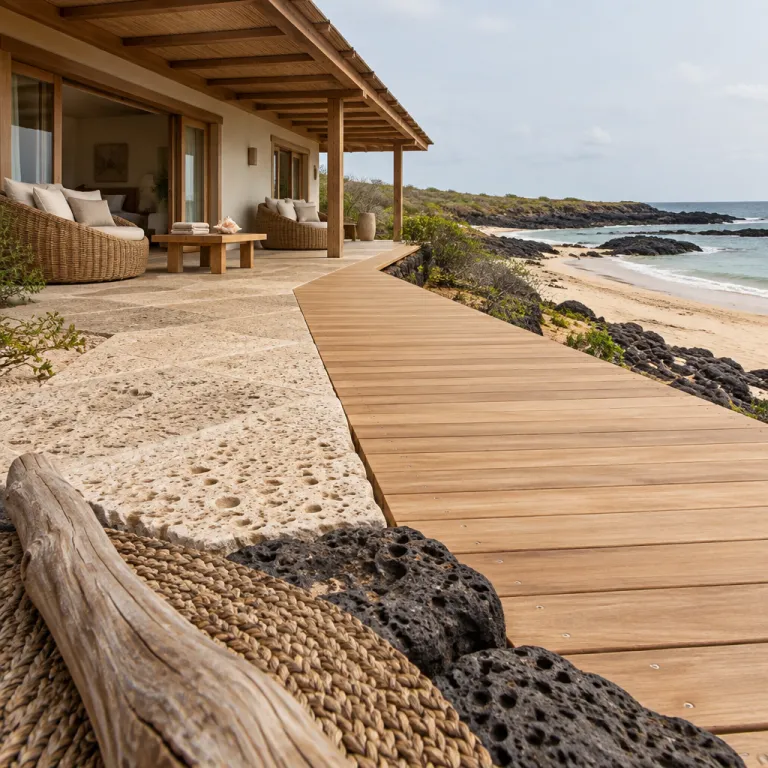
Floreana Island as a rarefied Galápagos hideaway
Floreana Island, one of the most secluded islands in the Galápagos, offers a quieter alternative to the busier hubs. This small island in Ecuador combines raw volcanic scenery, intimate wildlife encounters, and a handful of luxury and premium hotel options that suit travellers seeking privacy. On Floreana Island you trade nightlife for starlit skies, gentle sea breezes, and the sound of waves on black sand.
The island sits in the southern part of the Galápagos Islands, surrounded by nutrient rich sea currents that attract remarkable marine species. Luxury guests often arrive via Santa Cruz Island, then continue by yacht or speedboat to Puerto Velasco Ibarra, the only settlement and the heart of Floreana hospitality. Because the population of Puerto Velasco Ibarra is tiny, premium hotels and guesthouses here feel more like refined coastal retreats than conventional island resorts.
Floreana Island has a layered history that shapes today’s high end travel experience. The island’s original settlers, including the Wittmer family, endured harsh conditions, limited fresh water, and isolation from mainland Ecuador. Their story, intertwined with the mysterious Galápagos Affair involving European settlers and unexplained disappearances, still fascinates visitors who value narrative rich destinations and boutique style escapes.
History, legends, and the iconic post office bay
Luxury travellers choosing Floreana Island often come for more than a beautiful beach or a stylish room. They are drawn to the island’s history, from early whalers to the arrival of Charles Darwin in 1835 and the later drama of the Galápagos Affair that unfolded among eccentric settlers. Walking the same lava trails that those characters once used adds a sense of theatre to an otherwise tranquil stay.
One of the most emblematic places to visit on Floreana is Post Office Bay, where a simple wooden barrel has served as an informal post office for sailors since the eighteenth century. Today visitors leave postcards without stamps, then sort through the post to hand deliver letters to people who live near their home, turning a playful ritual into a living link between islands and continents. Premium hotel concierges on Floreana often prepare elegant stationery and help guests craft thoughtful messages before they ride out by boat to the post office barrel.
Beyond Post Office Bay, travellers explore Asilo de la Paz in the highlands, where a natural spring once supplied the island’s limited fresh water. The path to Asilo de la Paz passes through humid zones where endemic species of plants cling to ancient lava formations, offering a contrast to the arid coast. Guides from luxury lodges explain how this fragile water source shaped the population patterns of the Galápagos communities and why sustainable tourism now matters so deeply.
For those planning around seasonal value, refined travellers often look at shoulder month advantages in the Galápagos when considering a stay on Floreana Island. During these periods, premium rooms in the Galápagos Islands can offer better rates while sea conditions remain excellent for day excursions. This timing strategy lets visitors enjoy the island’s history and coastal charm with fewer crowds and more personalised service.
Wildlife encounters from black beach to cormorant point
For many guests, the highlight of Floreana Island is stepping from a refined suite directly into some of the richest wildlife viewing in the Galápagos Islands. At the edge of Puerto Velasco Ibarra lies Black Beach, a dark volcanic shore where sea lions often nap just metres from the waterline. Early in the day, before most visitors arrive, you may share the entire beach with only a few sea lions and the sound of the sea.
Guided excursions from luxury hotels typically include Cormorant Point, a landing site on Floreana Island known for its greenish sand and nearby lagoon. Here guests can observe flamingos, shorebirds, and sometimes the rare Floreana mockingbird, a species that inspired early studies of evolution in the Galápagos ecosystem. While the original population of the Floreana mockingbird no longer thrives on the main island, conservation projects on nearby islets keep the species alive and offer hope for future reintroduction.
Offshore, the submerged crater known as Devil’s Crown ranks among the most coveted snorkelling sites in the Galápagos. Strong currents bring clear water and abundant nutrients, attracting sea turtles, reef fish, and occasionally sharks that circle the lava pinnacles. Guests staying in premium properties on Floreana Island often combine a morning at Devil’s Crown with an afternoon rest on Black Beach, balancing adventure with comfort.
Those planning a refined marine focused itinerary can benefit from specialised guidance on snorkelling in style with luxury stays. These curated experiences help match hotel choices on Floreana with the best sea conditions and wildlife viewing windows. They also ensure that excursions to Cormorant Point, Devil’s Crown, and other sites respect strict Galápagos National Park regulations.
When considering the broader trip, many travellers pair Floreana Island with Santa Cruz or other islands to diversify landscapes and hotel styles. Planning tools that explain the best time to visit Ecuador and the Galápagos for refined stays can help align wildlife priorities with climate and sea conditions. This approach lets visitors enjoy both the intimacy of Floreana Island and the wider range of services available on larger islands.
Luxury stays, logistics, and curated day experiences
Because the population of Floreana Island is small, luxury and premium hotels here focus on depth of experience rather than sheer scale. Properties around Puerto Velasco Ibarra typically offer a limited number of rooms, personalised service, and curated day excursions that highlight the island’s sea and highland contrasts. Guests often feel as if they are staying in a private coastal residence rather than a conventional island hotel.
Reaching Floreana Island usually involves flying from mainland Ecuador to Baltra or San Cristóbal, then transferring by boat via Santa Cruz or another hub in the Galápagos Islands. Many high end travellers charter small yachts for the final leg, turning the journey between islands into a scenic cruise past lava cliffs and seabird colonies. Hotel concierges coordinate these logistics, ensuring that arrival times match sea conditions and that luggage moves smoothly from office to pier to room.
Once settled, guests can choose from a menu of guided day experiences tailored to different energy levels. Some prefer gentle walks along the beach near Black Beach and the harbour, watching sea turtles surface in the clear water and sea lions play in the shallows. Others opt for more active days that combine kayaking along the coast, snorkelling near Devil’s Crown, and hiking towards Asilo de la Paz to understand the island’s original water sources.
Premium properties on Floreana also arrange visits to conservation projects focused on the Floreana tortoise and other endemic species. These excursions give travellers a chance to see how scientists and local residents collaborate to restore habitats damaged by earlier human activity. For many guests, meeting conservation teams in person adds a layer of meaning that no standard island tour can match.
Culture, community, and the legacy of the Wittmer family
Staying on Floreana Island offers a rare opportunity to engage with a small, close knit community that has adapted to life in a remote archipelago. The settlement of Puerto Velasco Ibarra grew from a handful of families, including the Wittmer clan, whose name appears frequently in the island’s history. Their perseverance through limited fresh water, isolation, and volcanic terrain still shapes how visitors experience hospitality on this remote outpost.
Many luxury travellers appreciate that high end stays here support a local population that relies heavily on sustainable tourism. Hotels source seafood from nearby waters, fruits and vegetables from small farms, and services from residents who understand the rhythms of the sea and the land. This circular economy helps maintain the original character of Floreana Island while providing modern comforts that discerning guests expect.
Cultural experiences often include informal conversations with long time residents about the Galápagos Affair, the arrival of Charles Darwin, and the evolution of tourism in the Galápagos Islands. Hearing first hand stories about storms, changing sea conditions, and the return of certain species gives context to each day’s excursions. Visitors frequently comment that these human encounters, more than any office managed tour, create their strongest memories of the island.
While there is no large post office building on Floreana Island, the symbolic post office barrel at Post Office Bay continues to connect this small community with the wider world. Guests sometimes leave letters addressed to themselves, hoping that another traveller will carry the post across oceans and continents. The act of trusting a stranger with your message mirrors the trust that visitors place in local guides and hoteliers when they choose such a remote destination.
Practical planning for refined stays on Floreana Island
Planning a luxury trip to Floreana Island requires more forethought than booking a standard city hotel, yet the rewards justify the effort. Because room numbers are limited, travellers should secure accommodation and inter island transfers well in advance, especially if they want specific suites or private guides. Coordinating flights within Ecuador, boat schedules between islands, and day tours around Floreana works best through a specialist agency or a hotel with strong regional partnerships.
Guests should consider how many days they wish to spend on Floreana Island versus other islands such as Santa Cruz or Isabela. A common pattern is to allocate several days to Floreana for quiet, nature focused experiences, then move to a larger Galápagos hub for broader dining and shopping options. This split stay approach allows visitors to enjoy both the intimacy of a small population centre and the amenities of more developed islands.
When packing, travellers need to account for strong equatorial sun, variable sea breezes, and the rugged texture of lava trails. Lightweight clothing, reef safe sunscreen, and sturdy walking shoes are essential for excursions to Cormorant Point, Asilo de la Paz, and other sites where water, sand, and rock meet. Many premium hotels provide snorkelling gear for Devil’s Crown and nearby reefs, though some guests prefer to bring personal masks for optimal comfort.
Finally, visitors should be prepared for limited mobile coverage and a slower pace of digital life on Floreana Island. For many luxury travellers this disconnection becomes a highlight, encouraging deeper engagement with the sea, the beach, and the island’s unique species. Even simple moments, such as watching sea turtles surface at dusk or reading about Charles Darwin on a quiet terrace, gain a special resonance in this remote corner of the Galápagos Islands.
Key figures for luxury travel on Floreana Island
- The permanent population of Floreana Island is estimated at fewer than 200 residents, making Puerto Velasco Ibarra one of the smallest communities in the Galápagos Islands and reinforcing the island’s intimate atmosphere.
- Galápagos National Park regulations limit visitor numbers at key sites such as Cormorant Point and Devil’s Crown, with controlled group sizes that help protect fragile marine and coastal species while preserving a sense of exclusivity.
- Travel times from Santa Cruz to Floreana Island by speedboat typically range from 2 to 3 hours depending on sea conditions, so many luxury travellers opt for private charters to increase comfort and schedule flexibility.
- Conservation programmes for the Floreana tortoise and the Floreana mockingbird form part of wider Galápagos restoration efforts that cover dozens of endemic species across multiple islands, underlining the importance of responsible tourism spending.
- Most high end visitors spend between 2 and 4 nights on Floreana Island as part of a longer Galápagos itinerary, balancing time on this quiet island with stays on larger islands that offer more extensive hotel and restaurant choices.
FAQ about luxury stays on Floreana Island
How do I reach Floreana Island for a luxury stay ?
Travellers fly from mainland Ecuador to Baltra or San Cristóbal, then continue by boat or private yacht to Floreana Island, usually via Santa Cruz. Premium hotels and specialist agencies coordinate transfers between islands, aligning boat departures with flight arrivals. Because schedules can change with sea conditions, it is wise to build some flexibility into your itinerary.
How many days should I spend on Floreana Island ?
Most luxury travellers allocate at least two full days on Floreana Island to experience Black Beach, Cormorant Point, Devil’s Crown, and Asilo de la Paz. A three or four day stay allows time for slower mornings, conservation visits, and unhurried evenings by the sea. Many guests then continue to other Galápagos Islands to broaden their experience.
Is Floreana Island suitable for families seeking premium accommodation ?
Floreana Island can work well for families who value nature, quiet, and meaningful wildlife encounters over nightlife or shopping. Premium properties often arrange private guides, flexible meal times, and gentle activities such as beach walks and snorkelling with sea lions. Parents should be comfortable with boat transfers and the limited medical facilities typical of a small island community.
What wildlife can I expect to see around Floreana Island ?
Guests commonly encounter sea lions on Black Beach, marine iguanas along the shore, and sea turtles while snorkelling near Devil’s Crown or other reefs. Birdlife includes flamingos near Cormorant Point and, with luck, views of the Floreana mockingbird on nearby islets. Marine excursions may also reveal rays, reef fish, and occasionally sharks in the clear water around the island.
Are luxury stays on Floreana Island environmentally responsible ?
Most high end properties on Floreana Island operate under strict Galápagos National Park regulations that limit visitor impact. They typically use filtered water, manage waste carefully, and support conservation projects such as Floreana tortoise and bird restoration programmes. Choosing operators with clear sustainability policies helps ensure that your visit benefits both the local population and the wider ecosystem.