How Galapagos Safari Camp founded a new era of land based luxury
When travellers ask how Galapagos Safari Camp built its reputation, the answer always returns to place. The safari camp concept was carefully adapted to the Galapagos Islands so guests could stay on land without losing a sense of wilderness and remoteness. This land based approach reshaped how discerning visitors plan a stay in the Galapagos Islands and how they balance comfort with conservation.
The property sits in the highlands of Santa Cruz, where the air feels cooler and the views sweep across the Pacific. From this elevated land in the Santa Cruz highlands, the main lodge and safari tents overlook forest, farms and distant coastlines that frame every day and every night. By choosing a camp location away from the busy port town, the founders created a quiet base where guests can stay Galapagos style while still accessing island hopping and Galapagos tours with ease.
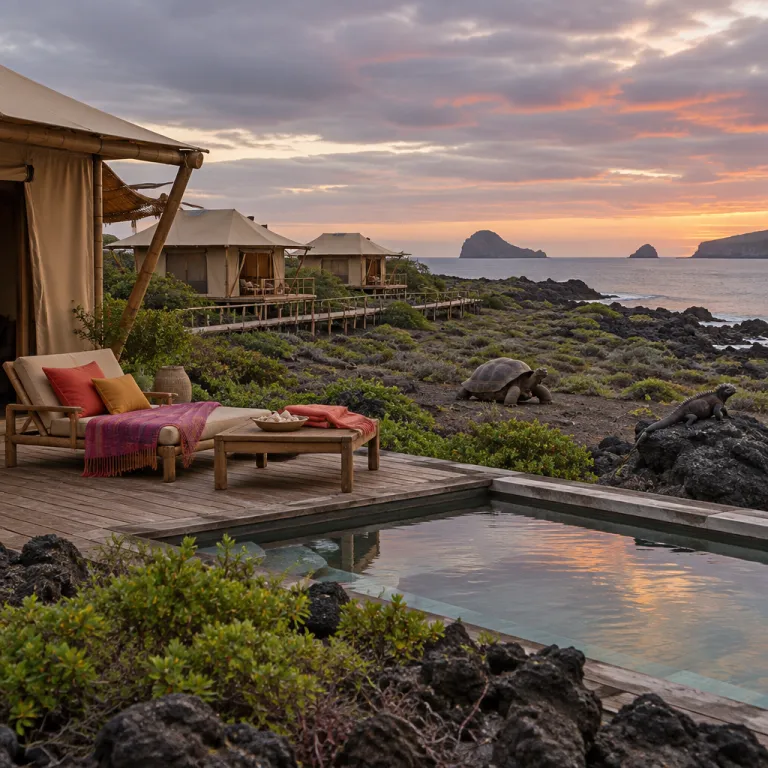
Galapagos Safari Camp is a safari camp rather than a conventional lodge, yet it offers refined service and curated experiences. The main lodge anchors the property, while a ring of safari tents and a spacious family suite extend into the surrounding land like a small, elegant camp. This layout allows guests to feel close to nature on Santa Cruz while enjoying a level of privacy and comfort that many Galapagos cruise cabins cannot match.
The way the founders shaped the camp’s philosophy also matters for travellers planning a stay. The team promotes a land based Galapagos safari that pairs guided day excursions with slow time at the camp, rather than constant movement between islands by cruise ship. One family described their stay as “a chance to explore all day and then come home to the same warm welcome every night,” capturing how this balance between active Galapagos tours and restorative hours at the lodge defines the most rewarding way to visit the Galapagos and to understand the islands beyond their shorelines.
Choosing between a Galapagos cruise and a land based Galapagos safari
Many travellers compare a Galapagos cruise with a stay at a land based lodge before booking. Galapagos Safari Camp’s concept was created precisely for guests who want the wildlife intensity of a cruise but prefer to sleep on solid land each night. This safari camp model on Santa Cruz offers a different rhythm, with day trips to nearby islands and evenings returning to the same welcoming main lodge.
A Galapagos cruise is ideal for visitors who want to reach distant islands in a short time and who enjoy life on board. Yet a land based Galapagos safari at a camp in the highlands of Santa Cruz allows more flexibility for families, multi generational groups and travellers prone to seasickness. You can tailor each day, choose gentler walks or longer hikes, and return to familiar safari tents or a family suite where staff already know your preferences.
Access also shapes the decision. Many guests fly from mainland Ecuador to Ecuador Galapagos airports and then transfer by road and ferry to Santa Cruz, where a land based stay begins. For those seeking guidance on how to reach the Galapagos Islands in style for a luxury stay, resources such as this detailed guide to stylish Galapagos travel logistics help align flights, ferries and private transfers with a planned safari camp itinerary. Once on Santa Cruz, the journey into the highlands feels like a transition from transit to immersion.
Galapagos Safari Camp has shown that land based safaris in the Galapagos Islands can rival cruises for wildlife access. Carefully designed Galapagos tours by boat and by land reach nearby islands while keeping travel times manageable, especially for younger family members. In practice, many guests now combine a shorter Galapagos cruise with several days at a safari camp, using the lodge as a calm finale to a more intense sailing schedule.
Santa Cruz highlands, giant tortoises and the soul of the land
The highlands of Santa Cruz are where many visitors first feel the living heart of the Galapagos National Park. When Galapagos Safari Camp established its camp in this landscape, it placed guests within the natural range of wild giant tortoises that roam the green pastures and forest. Watching these giant tortoises move slowly across the land near the safari tents is often the moment when the islands become personal rather than abstract.
The Santa Cruz highlands receive more moisture than the low coastal land, so the vegetation feels lush and almost pastoral. From the main lodge terrace, guests can look across this patchwork of farms, forest and national park zones that define much of Santa Cruz. This setting allows a Galapagos safari to include not only classic wildlife encounters but also conversations with local landowners and guides about how they balance agriculture, tourism and conservation.
Day excursions from a land based camp often start early, when the air is cool and the light soft. Guests might spend the morning walking through lava tunnels, visiting a Galapagos National Park reserve or observing giant tortoises in the wild, then return to the lodge for a long lunch and quiet time. For those interested in seasonal wildlife highlights, resources such as guides to the cool season’s best wildlife weeks help align a stay Galapagos wide with natural cycles.
Galapagos Safari Camp founded its programming on the idea that the highlands are not just a transit zone between airport and port. Instead, the Santa Cruz landscape becomes a core part of the Galapagos safari, with walks, farm visits and quiet observation woven into each day. Guests often say that time spent simply watching clouds move over the islands from the camp terrace is as memorable as any formal Galapagos tours they join.
Island hopping, Galapagos tours and tailored family safaris
For travellers who want variety, island hopping from a land based safari camp offers a refined alternative to constant cruising. Galapagos Safari Camp founded its guest programs around curated day trips that reach nearby islands while keeping travel times reasonable. From Santa Cruz, boats can access islands such as North Seymour, Bartolomé or South Plaza, each offering distinct wildlife and land formations.
Families often appreciate how a Galapagos safari based on Santa Cruz can be tailored to different ages and energy levels. One day might focus on gentle snorkeling and a relaxed beach visit, while another day includes a more demanding hike over volcanic land with a naturalist guide. Back at the main lodge, children can rest in the family suite or explore safe areas of the camp, while adults enjoy quiet time on the terrace or by the pool.
Galapagos Safari Camp developed its family programs to make complex logistics feel effortless. Staff coordinate Galapagos tours, island hopping schedules and meal times so that guests can focus on the experience rather than the planning. For travellers comparing options, a Galapagos cruise is often better for reaching remote islands, while a land based stay at a safari camp excels at flexibility, privacy and unhurried evenings.
Seasoned visitors sometimes combine several styles of travel in one itinerary. They might start with a short Galapagos cruise to reach distant islands, then move to a land based Galapagos safari at a camp on Santa Cruz for slower days and deeper rest. In both singular and blended experiences, these stays show how Galapagos Safari Camp created a model where cruises, lodges and safari tents complement rather than compete with one another.
Inside the main lodge, safari tents and family suite experience
The physical design of a safari camp shapes how guests feel from the first day of their stay. At Galapagos Safari Camp, the main lodge functions as a social heart, with dining spaces, a bar and wide decks that frame views across Santa Cruz and the surrounding islands. The interiors draw on natural materials, soft colours and unobtrusive luxury that lets the landscape remain the star.
The safari tents are raised on wooden platforms, giving a sense of lightness above the land and allowing breezes to flow beneath. Each tent offers proper beds, private bathrooms and thoughtful details that make a stay Galapagos comfortable without feeling sealed off from nature. At night, guests often fall asleep to the sounds of wind and distant waves, a contrast to the mechanical hum sometimes felt on a Galapagos cruise ship.
For families or small groups, the family suite near the main lodge provides more indoor space while keeping the same safari camp atmosphere. Parents appreciate having children close yet still enjoying separate sleeping areas, especially after active Galapagos tours or long day trips. Galapagos Safari Camp designed this configuration to meet the needs of multi generational travel, where grandparents, parents and children share a single land based home while exploring the islands together.
Service style also reflects the camp ethos. Staff learn guests’ preferences over time, adjusting meal times to match early departures or late returns from island hopping excursions. Compared with larger lodges or cruise vessels, this scale allows a more personal Galapagos safari, where each stay feels tailored rather than standardized and where the main lodge becomes a familiar gathering place by the second or third day.
Planning your time: when to stay, where to visit and how to balance land and sea
Thoughtful planning transforms a Galapagos journey from a simple trip into a layered experience. When travellers study how Galapagos Safari Camp founded its sample itineraries, they notice a careful balance between active days and quieter interludes at the camp. This rhythm respects both the natural cycles of the islands and the human need for rest.
A typical land based Galapagos safari on Santa Cruz might run for five to seven days, with a mix of highlands walks, boat based Galapagos tours and time at the lodge. Some guests extend their stay Galapagos wide by adding nights on other islands or by pairing the camp with a short Galapagos cruise that focuses on more distant islands. The key is to align each day with personal interests, whether that means more snorkeling, more hiking or more hours simply watching light change over the land.
- Day 1: Arrive on Santa Cruz, travel to the highlands, settle into the safari tent or family suite and enjoy sunset from the main lodge terrace.
- Day 2: Morning visit to lava tunnels and a Galapagos National Park tortoise reserve, followed by a relaxed afternoon by the pool.
- Day 3: Full day boat based Galapagos tour with snorkeling and guided walks on a nearby island, returning to the camp for dinner.
- Day 4: Highlands walk or farm visit, then free time to watch wildlife around the camp and talk with guides about conservation.
- Day 5: Island hopping excursion to a different island, with chances to see contrasting landscapes and marine life.
- Day 6–7: Flexible days for additional Galapagos tours, beach time or simply enjoying the quiet of the Santa Cruz highlands.
Wildlife priorities also influence timing. Those keen on marine encounters often coordinate with resources such as guides to where to stay for world class marine life and then integrate a land based stay at a safari camp into a broader diving or snorkeling itinerary. Others focus on birdlife, giant tortoises or the unique vegetation of the Santa Cruz highlands, shaping their visit Galapagos wide around these themes.
Galapagos Safari Camp bases its planning advice on the idea that no single itinerary suits every traveller. Some guests thrive on full days that start before sunrise and end after dinner at the main lodge, while others prefer alternating intense days with gentler ones. By basing your stay on Santa Cruz and using a safari camp as your hub, you gain the flexibility to adjust plans as you learn more about the Galapagos National Park and about your own pace.
Why Galapagos Safari Camp founded a new benchmark for sustainable luxury
Luxury in the Galapagos Islands now means more than fine linens and attentive service. When Galapagos Safari Camp founded its camp model, it placed sustainability and community engagement at the centre of its operations. This approach aligns with the strict regulations of the Galapagos National Park, which governs how land, water and wildlife are managed across the islands.
Operating a land based safari camp on Santa Cruz allows closer collaboration with local communities than many itinerant cruise operations can achieve. Staff are often based Galapagos residents, suppliers come from nearby farms in the Santa Cruz highlands and guides share long term knowledge of the land and sea. Guests see this in small details, from locally sourced ingredients at the main lodge to stories about how families on Santa Cruz adapt to tourism while protecting their environment.
Energy use, waste management and water conservation are constant concerns in a fragile archipelago. By limiting the camp’s footprint and focusing on quality over quantity, Galapagos Safari Camp founded a model where fewer guests enjoy more space and more attentive care. This contrasts with some larger Galapagos cruise vessels, where higher passenger numbers can strain both onboard systems and landing sites if not carefully managed.
For travellers, choosing a land based Galapagos safari at a thoughtfully run camp is a way to align personal values with travel choices. You still enjoy the comfort of safari tents, the convenience of a family suite and the social warmth of the main lodge, yet your stay supports a style of tourism that respects the land and the people who call the Galapagos Islands home. Over time, this is how individual visits contribute to a broader culture of stewardship across the islands.
Key figures about Galapagos travel and land based stays
- According to the Galapagos National Park Directorate, more than 270 000 visitors arrived in the Galapagos Islands in 2019, with land based tourism now accounting for over half of all stays, showing a clear shift from cruise only travel toward lodges and camps on islands such as Santa Cruz. These figures are published in the park’s official annual visitor statistics report for 2019.
- Data from the Ecuador Ministry of Tourism indicate that average stays in the Galapagos range from five to seven days, which aligns well with typical land based Galapagos safari itineraries that combine highlands activities, island hopping and time at a main lodge. The ministry’s tourism reports for 2018–2019 highlight this pattern across several years.
- Studies referenced by the Charles Darwin Foundation report that controlled visitor numbers and strict zoning within the Galapagos National Park have helped maintain high levels of endemic species, underscoring why responsible lodges and safari camps must coordinate closely with park authorities. These findings appear in conservation and tourism impact assessments published in recent years.
- Surveys of Galapagos visitors published by regional tourism boards show that more than 80 percent of guests rate wildlife encounters, such as seeing giant tortoises in the highlands of Santa Cruz, as the highlight of their trip, ahead of accommodation or food, which guides how camps design their daily programs and interpretive walks.
- Industry analyses of Galapagos cruise and land based travel suggest that small scale operations, including safari camps and intimate lodges, achieve higher guest satisfaction scores than larger vessels or hotels, particularly among family travellers seeking flexibility and personalized service. These studies often cite repeat visit rates and guest feedback as key indicators.
FAQ about Galapagos Safari Camp and land based luxury stays
Is a land based Galapagos safari suitable for families with young children ?
Yes, a land based Galapagos safari on Santa Cruz is often ideal for families because it reduces long overnight sea crossings and allows flexible day planning. Camps with a family suite and child friendly safari tents provide space and comfort, while guides can adapt Galapagos tours to different ages. Parents appreciate returning to the same main lodge each evening, which creates a sense of routine for younger travellers.
How many days should I plan to stay at a safari camp in the Galapagos ?
Most travellers find that five to seven days at a safari camp on Santa Cruz offer a good balance between exploration and rest. This duration allows time for highlands walks, several island hopping excursions and relaxed afternoons at the lodge. Shorter stays are possible, but they may feel rushed given the travel time to reach Ecuador Galapagos airports and transfer to the camp.
Can I combine a Galapagos cruise with a land based stay at a safari camp ?
Combining a Galapagos cruise with a land based stay is increasingly popular among guests who want both reach and relaxation. Many itineraries start with a shorter cruise to visit more distant islands, then shift to a safari camp on Santa Cruz for quieter days focused on the highlands and nearby sites. This approach mirrors how Galapagos Safari Camp founded its sample programs, blending sea and land for a more complete experience.
What wildlife can I expect to see from a highlands camp on Santa Cruz ?
From a highlands camp on Santa Cruz, guests often see giant tortoises in nearby fields, as well as a variety of birdlife such as finches, flycatchers and owls. While marine species require boat trips, the land around the camp reveals the slower rhythms of Galapagos life, including changing vegetation and cloud patterns. Many visitors value these quieter observations as much as the more dramatic encounters during boat based Galapagos tours.
How far in advance should I book a stay at a Galapagos safari camp ?
Because safari camps and small lodges in the Galapagos Islands have limited capacity, booking several months in advance is recommended, especially for peak wildlife seasons or school holidays. Early planning helps secure preferred safari tents or a family suite and allows time to coordinate flights to Ecuador Galapagos gateways. It also gives the camp team more opportunity to tailor a land based Galapagos safari to your specific interests and pace.