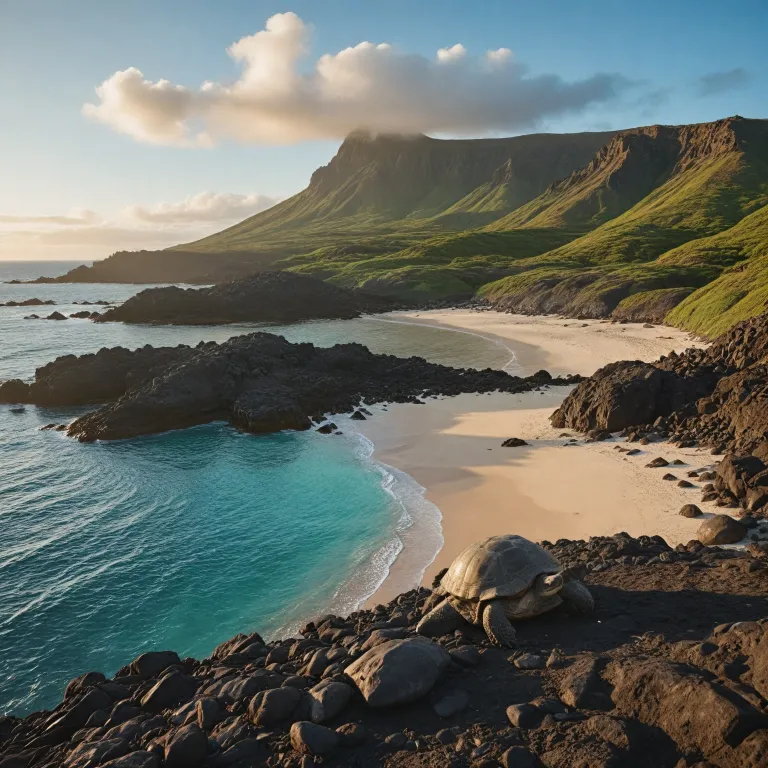
Luxury stays immersed in galapagos islands animals
Planning a high end stay in the Galapagos means balancing indulgence with respect for wildlife. Luxury travelers want close yet ethical encounters with galapagos islands animals, while also expecting refined service and seamless logistics. The most successful premium properties now design every detail around conservation, comfort, and controlled access to nature.
On Santa Cruz and San Cristobal, many luxury hotels partner with certified naturalist guides to interpret endemic species during curated day trips. Guests can observe marine iguanas, sea lions, and fur seals on nearby shores, then return to suites overlooking the sea with discreet service and quiet privacy. This model suits travelers who prefer a fixed land base rather than moving between islands every night.
High end properties increasingly highlight their collaboration with Galápagos National Park and the Charles Darwin Foundation to reassure guests about iucn aligned practices. They explain how controlled visitor numbers protect fragile land habitats for land iguanas, giant tortoises, and nesting birds. This transparency builds trust for travelers who want luxury without compromising the iucn status of threatened species.
From Puerto Ayora on Santa Cruz, private transfers connect guests to yachts for small group excursions to North Seymour or nearby islets. These curated outings focus on iconic galapagos animals such as blue footed boobies, red footed boobies, and the waved albatross in season. Returning year round, guests appreciate that premium hotels manage timing and tides so wildlife viewing feels intimate yet responsible.
Choosing between island bases for premium wildlife access
Selecting the right island base is the most strategic decision for travelers focused on galapagos islands animals. Santa Cruz, San Cristobal, Isabela, and Floreana each offer different combinations of luxury accommodation, access to endemic species, and ease of transfers. Understanding these nuances helps guests match their hotel choice to specific wildlife priorities rather than relying on generic islands overviews.
Santa Cruz is the most established hub, with Puerto Ayora offering the widest range of premium hotels and services. From here, guests can visit highland reserves that shelter giant tortoises on private or small group tours, often combined with lava tunnels and endemic birds. Day trips by yacht reach North Seymour for blue footed boobies and frigatebirds, or nearby coves where marine iguanas and sea lions rest on black volcanic land.
San Cristobal, often written as San Cristobal island, appeals to travelers who want a quieter base with strong marine experiences. Luxury properties here can arrange snorkeling with sea lions and marine iguanas in sheltered bays, while guides explain how iucn status assessments influence visitor limits. The town setting remains modest, but premium rooms and suites increasingly match expectations for international five star standards.
Isabela and Fernandina, often combined as Isabela Fernandina in cruise itineraries, are wilder and less developed for land based luxury stays. High end travelers typically reach these islands on expedition style yachts rather than from a fixed hotel on one island. However, some premium lodges on Isabela offer access to dramatic volcanic landscapes, land iguanas, and coastal wetlands rich in birds and other galapagos animals.
Designing ethical wildlife encounters from luxury hotels
For discerning guests, the true value of a luxury hotel in the Galapagos lies in how it frames encounters with galapagos islands animals. The best properties curate small scale excursions that respect distance rules, limit group sizes, and prioritize endemic species welfare over photo opportunities. This approach aligns with conservation programs focused on habitat restoration and species reintroduction across the archipelago.
Guides trained in iucn criteria explain why some species, such as giant tortoises and certain birds, require stricter protections. They may reference population changes, like the dramatic decline and partial recovery of giant tortoises, to contextualize current iucn status categories. Guests gain a deeper understanding of why trails are carefully routed across fragile land and why contact with wildlife is strictly prohibited.
Marine focused excursions from luxury hotels highlight marine iguanas, sea lions, fur seals, and schooling fish in clear sea conditions. Snorkeling briefings emphasize how to avoid disturbing marine species, especially around cleaning stations and feeding areas. Many premium properties now provide eco friendly wetsuits and equipment, reinforcing their commitment to marine conservation while enhancing guest comfort.
On Española, where the waved albatross breeds, and on North Seymour with its dense colonies of footed boobies, timing is crucial. Hotels and partner yachts schedule visits to coincide with key behaviors, such as courtship displays of blue footed and red footed boobies. By offering these experiences year round within regulated windows, luxury operators help protect galapagos animals while still delivering memorable, photography rich encounters.
Understanding key galapagos species before you book
Travelers booking premium hotels in the Galapagos benefit from understanding the main galapagos islands animals they hope to see. Knowing which species are endemic, which islands they frequent, and how they are classified under iucn criteria helps shape realistic expectations. It also guides decisions about whether to prioritize Santa Cruz, San Cristobal, Isabela, Fernandina, or more remote islands like Española and Floreana.
Flagship species include the Galápagos Giant Tortoise, the only marine iguana, the Galápagos Penguin, and charismatic sea lions and fur seals. “The Galápagos Islands are home to numerous endemic species that have evolved unique adaptations due to the islands' isolation.” Guests staying in high end properties often visit breeding centers on Santa Cruz or San Cristobal to see conservation work with giant tortoises and land iguanas. These visits complement sightings of wild giant tortoises in highland reserves, where guides explain long term population trends.
Birdlife is another major draw, with blue footed boobies, red footed boobies, and other footed boobies performing elaborate courtship dances. On Española, the waved albatross nests in dense colonies, while North Seymour offers close views of seabirds and frigatebirds. Luxury hotels coordinate with licensed operators to secure permits and optimal timings, ensuring guests see these birds without overcrowding sensitive island habitats.
Marine life around Isabela Fernandina and other western islands includes marine iguanas grazing underwater, playful sea lions, and occasional Galápagos Penguins. Premium properties emphasize that these marine species depend on healthy currents and protected zones designated by Galápagos National Park. By choosing operators that respect these boundaries, travelers help maintain the ecological balance that supports both land and marine galapagos animals.
How conservation partnerships shape premium hotel experiences
Luxury and premium hotels in the Galapagos increasingly position themselves as active partners in conservation rather than passive observers. Many support breeding centers, habitat restoration, and scientific research that directly benefit galapagos islands animals and their fragile ecosystems. This collaboration with Galápagos National Park, the Charles Darwin Foundation, and international organizations is now a key differentiator for high end properties.
Guests may be invited to behind the scenes briefings where conservation teams explain species reintroduction programs for land iguanas and tortoises. They outline how genetic research helps restore traits lost in some endemic species, while iucn status assessments guide priorities for funding. These sessions give context to field excursions, turning a simple walk among giant tortoises into a deeper lesson in long term ecological recovery.
Hotels on Santa Cruz and San Cristobal often contribute a portion of room revenue to local conservation projects. This support helps maintain protected areas on islands such as Isabela, Fernandina, Española, and Floreana, where many galapagos animals breed. Travelers can ask how their stay supports specific initiatives, from marine reserve monitoring to land based invasive species control.
Responsible operators also educate guests on practical guidelines, such as maintaining distance from marine iguanas, sea lions, and fur seals on beaches. They reinforce rules about not introducing non native species, even inadvertently, through food or gear brought between islands. By embedding these messages into daily briefings, premium hotels help ensure that year round visitation does not compromise the welfare of endemic land and marine species.
Practical booking strategies for refined wildlife focused stays
Securing the right luxury hotel in the Galapagos requires more than comparing room categories and spa menus. Travelers focused on galapagos islands animals should evaluate how each property integrates guided excursions, conservation partnerships, and access to key islands. Asking precise questions before booking helps align expectations with the realities of a protected archipelago.
First, clarify which islands and sites are realistically accessible from your chosen base on Santa Cruz, San Cristobal, Isabela, or Floreana. A hotel on Santa Cruz may offer excellent access to highland giant tortoises and nearby marine sites, but not daily trips to Española or Isabela Fernandina. Conversely, an expedition style itinerary that includes North Seymour, Española, and western islands may rely more on yacht cabins than on a single land based hotel.
Second, review how the property structures its wildlife program, including maximum group sizes and guide qualifications. Look for references to iucn aligned practices, Galápagos National Park guidelines, and specific mention of endemic species such as land iguanas, marine iguanas, and footed boobies. This level of detail signals a serious commitment to both guest experience and the long term health of galapagos animals.
Finally, consider seasonality, even though the Galapagos is a year round destination with relatively stable wildlife viewing. Some birds, like the waved albatross on Española, have distinct breeding periods, while sea conditions can vary between islands. A well informed hotel concierge or specialist travel advisor can help sequence stays on Santa Cruz, San Cristobal, and other islands to maximize encounters with both land and marine species.
Key statistics for galapagos wildlife and conservation
- Number of endemic species recorded across the Galapagos islands is estimated at around 1 500 species.
- The Galápagos Sea Lion population is estimated at approximately 50 000 individuals in the surrounding sea.
- Historical estimates suggest around 250 000 Galápagos Giant Tortoise individuals before significant human impact on land habitats.
- Current Galápagos Giant Tortoise numbers are closer to 15 000 individuals, reflecting ongoing but incomplete recovery.
Essential questions about visiting the galapagos for wildlife
What makes the Galapagos Islands' wildlife unique?
The Galapagos islands host a remarkable concentration of endemic species that evolved in isolation from continental ecosystems. Many galapagos animals, from marine iguanas to giant tortoises and specialized birds, show adaptations found nowhere else on Earth. This uniqueness underpins strict protection measures that every luxury and premium hotel must respect when designing guest experiences.
How are conservation efforts helping Galapagos wildlife?
Conservation programs focus on restoring habitats, reintroducing species such as land iguanas and tortoises, and controlling invasive predators and plants. Breeding centers on islands like Santa Cruz and San Cristobal support vulnerable species whose iucn status reflects past declines. These efforts, supported by responsible tourism revenue from high end hotels, contribute to more stable populations of both land and marine species.
Can tourists visit the Galapagos Islands?
Tourists can visit the Galapagos islands by staying in regulated hotels on Santa Cruz, San Cristobal, Isabela, and other islands or by joining licensed expedition vessels. All visitors must follow Galápagos National Park rules, including keeping distance from galapagos animals and staying on marked trails. Luxury travelers benefit from expert guidance that ensures compliance while still enjoying refined comfort and exceptional wildlife encounters.