Why santiago island ecuador belongs on every luxury Galápagos itinerary
Santiago Island in Ecuador offers a rare balance of raw nature and refined comfort. For travelers comparing islands across the Galápagos Islands, this island delivers dramatic lava landscapes alongside carefully managed access by Galápagos National Park guides. High end guests can enjoy a serene day on land while still returning to premium cabins on Galápagos cruises at night.
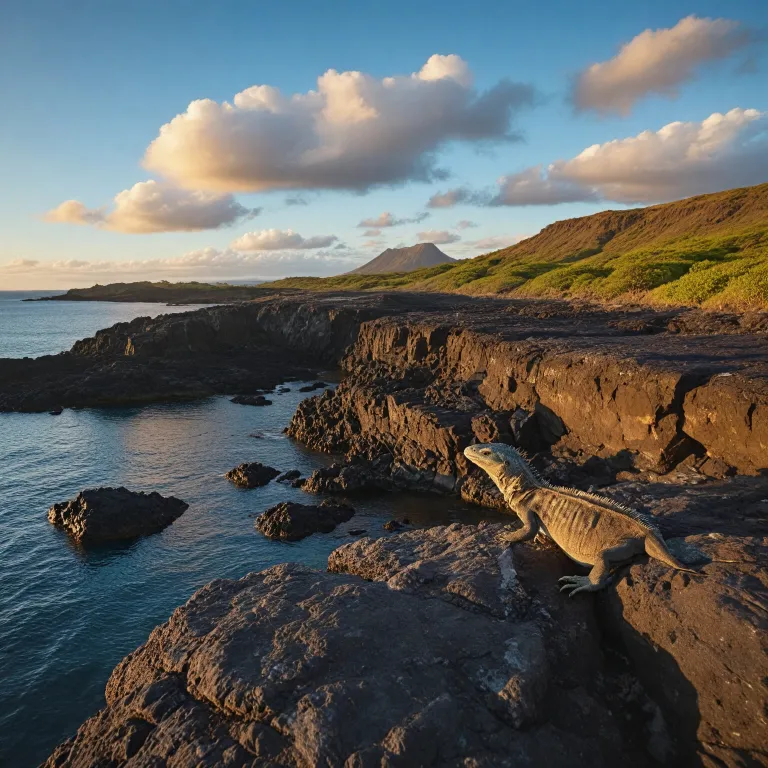
The island’s volcanic character is immediately visible in the dark rocks and sweeping lava fields that frame every bay and beach. One of the most striking areas is Sullivan Bay, where a vast pahoehoe lava flow seems frozen mid motion, creating a surreal landing site that feels like another planet. From this bay Santiago reveals both its geological story and its role in the wider island Galápagos conservation narrative.
Charles Darwin walked these shores long ago, observing sea birds, land birds, and marine life that would later influence his thinking. Today, strict regulations protect the same sea lions, sea turtles, and land iguanas that luxury guests come to see in small, well managed groups. When you plan a stay focused on Santiago Island Ecuador, you are also supporting ongoing efforts to restore native habitats across the Galápagos Islands.
Planning luxury stays around key landing sites and bays
Most premium travelers experience Santiago Island through carefully curated Galápagos cruises that combine comfort at sea with expert guided landings by day. The island itself has no urban center, so your choice of ship or yacht effectively becomes your luxury hotel on the sea. This model allows you to sleep in refined suites while waking each day to a new bay, beach, or landing site along the coast.
Signature excursions typically include Sullivan Bay, Puerto Egas near James Bay, and the scenic Buccaneer Cove area, each offering a different angle on the island’s character. At Puerto Egas, also known historically as Egas Port, guests walk over dark lava and black sand towards tidal pools where fur seals and sea lions rest on the rocks. From this bay Santiago presents a softer side, with a curve of beach and calm water that contrasts with the stark lava inland.
Farther along the coast, Buccaneer Cove and Espumilla Beach reveal sheltered waters ideal for snorkeling with sea turtles and watching sea birds glide above the sea. Luxury itineraries often pair a day on Santiago Island with an excursion to nearby Bartolome Island, creating a compelling combination of viewpoints and snorkeling sites. When evaluating premium cruises, read the detailed day by day article style descriptions to ensure multiple landings on Santiago Island and neighboring islands.
Wildlife encounters on land and at sea for discerning guests
For many travelers, the decision to focus on Santiago Island Ecuador is driven by wildlife, especially the contrast between species on land and in the sea. Along the shore, sea lions and fur seals share rocky ledges, while sea turtles glide through the shallows of each bay. Above, sea birds circle the cliffs, and land birds move through the sparse vegetation that clings to the lava.
Guided walks from Puerto Egas and James Bay often highlight land iguanas basking on warm rocks, their colors blending with the dark lava. In some sectors, naturalist guides explain how invasive species were removed to allow native animals to return, turning the island into a living article of conservation success. The statement “Santiago Island is significant for its unique geological formations, diverse ecosystems, and historical visits by notable figures like Charles Darwin.” is frequently cited by experts to underline this importance.
At sea, snorkeling sessions from the yacht or zodiac reveal another dimension of the island Galápagos ecosystem. Guests may swim alongside sea turtles, observe rays over sandy patches, and watch sea birds plunge into the sea from above. Because access is limited and group sizes remain small, premium travelers enjoy intimate encounters while still respecting the strict rules that protect the Galápagos Islands.
Geology, lava landscapes, and the story of time
Beyond wildlife, Santiago Island tells a powerful geological story written in lava and stone. Vast flows at Sullivan Bay show ropy textures, gas bubbles, and collapsed lava tubes that guides interpret as pages in a natural article about volcanic processes. Walking across this hardened sea of rock, you sense how the island rose from the sea long ago and continues to evolve.
Inland, older lava fields and eroded cones reveal different shades of black, brown, and red, contrasting with the blue sea and pale beach edges. Some excursions reference historical attempts to exploit a salt mine near James Bay, where workers once extracted salt from a crater lake on the island. Today, that salt mine stands as a reminder of how human activity once threatened the balance between land and sea on Santiago and other islands.
From certain viewpoints, you can see across the water to Bartolome Island, its iconic pinnacle rock rising sharply from the sea. This perspective helps guests understand how each island in Ecuador’s Galápagos chain formed separately yet shares a common volcanic origin. When you read detailed trip notes before booking, look for itineraries that dedicate a full day to the lava fields and bays of Santiago Island, rather than a brief technical landing.
Designing a premium itinerary around santiago island ecuador
Creating a luxury focused itinerary around Santiago Island Ecuador requires careful coordination between cruise operators, guides, and your travel advisor. Because overnight stays occur on ships rather than on the island itself, the quality of your cabin, cuisine, and onboard service defines the hotel experience. Many high end Galápagos cruises position Santiago as a central highlight, pairing it with Bartolome Island, other central islands, and select sites across the wider Galápagos Islands.
When comparing options, read each article style itinerary to see how many landings occur at Puerto Egas, Sullivan Bay, Espumilla Beach, and Buccaneer Cove. A thoughtfully planned day might begin with a wet landing on a quiet beach, continue with a guided walk over lava and rocks to observe land birds and land iguanas, and end with snorkeling among sea turtles and sea lions. In the afternoon, a zodiac cruise along the bay Santiago coastline can reveal fur seals resting in shaded caves and sea birds nesting on cliffs.
For travelers seeking additional inspiration on event ready or celebration friendly voyages, a specialized luxury and premium hotel booking website in Galápagos Islands can be invaluable. One detailed resource is this guide to event planning inspiration for discerning travelers, which helps align ship based stays with special occasions. By anchoring your plans around Santiago Island while including other islands in Ecuador’s archipelago, you create a balanced journey that respects both comfort and conservation.
Practical guidance, conservation ethics, and choosing the right partner
Luxury travel on Santiago Island depends on strict adherence to Galápagos National Park regulations that protect both land and sea. Visitors are encouraged to engage in guided tours to learn about the island's geology and wildlife, and to be prepared for rugged terrain and varying weather conditions. These guidelines ensure that every landing site, from Sullivan Bay to Puerto Egas and Espumilla Beach, remains pristine for future guests.
Conservation partners such as Galápagos National Park and Galápagos Conservancy have supported ambitious projects to remove invasive species from the island. Their work, including the eradication of pigs, goats, and donkeys, has allowed native land birds, land iguanas, and sea birds to rebound across key bays and inland areas. The statement “Conservation efforts include the eradication of invasive species such as pigs, goats, and donkeys, leading to the restoration of native habitats and species.” summarizes this achievement clearly.
When selecting a premium cruise or charter, ask how your operator supports ongoing monitoring, research, and sustainable practices on Santiago and neighboring islands. Responsible companies coordinate closely with Galápagos National Park to limit visitor numbers at each bay Santiago landing and to minimize disturbance to sea lions, fur seals, and sea turtles. By aligning your booking with these principles, your stay on and around Santiago Island Ecuador contributes directly to the long term health of the Galápagos Islands.
Key statistics for planning a refined stay on santiago island ecuador
- Approximate area of Santiago Island : 585 km² of protected land and coastline.
- Maximum elevation at Cerro Pelado on the island : about 906 m above sea level.
- Oldest lava flows on Santiago formed roughly 750 000 years ago, shaping today’s dramatic landscapes.
Essential questions about luxury travel to santiago island ecuador
What is the significance of Santiago Island in the Galápagos?
Santiago Island holds a central place in the Galápagos for its combination of striking lava formations, varied bays, and rich wildlife on both land and at sea. It is also historically important because Charles Darwin visited the island during his voyage on the HMS Beagle, studying species that contributed to his scientific work. For modern travelers, this blend of geology, ecology, and history makes Santiago Island a cornerstone of many premium itineraries.
What conservation efforts have been undertaken on Santiago Island?
Conservation authorities have focused on removing invasive mammals such as pigs, goats, and donkeys that once damaged native habitats. Following these eradication campaigns, monitoring programs track the recovery of land birds, land iguanas, and other species across bays like Puerto Egas and James Bay. These efforts, coordinated by Galápagos National Park and partner organizations, have turned Santiago into a model for restoration across other islands in Ecuador’s Galápagos archipelago.
Can tourists visit Santiago Island?
Tourists can visit Santiago Island only through regulated, guided excursions that respect strict environmental rules. Most guests arrive as part of Galápagos cruises, joining small group landings at sites such as Sullivan Bay, Espumilla Beach, and Buccaneer Cove. This controlled access allows travelers to enjoy the island’s beaches, rocks, and wildlife while preserving the integrity of both land and sea environments.