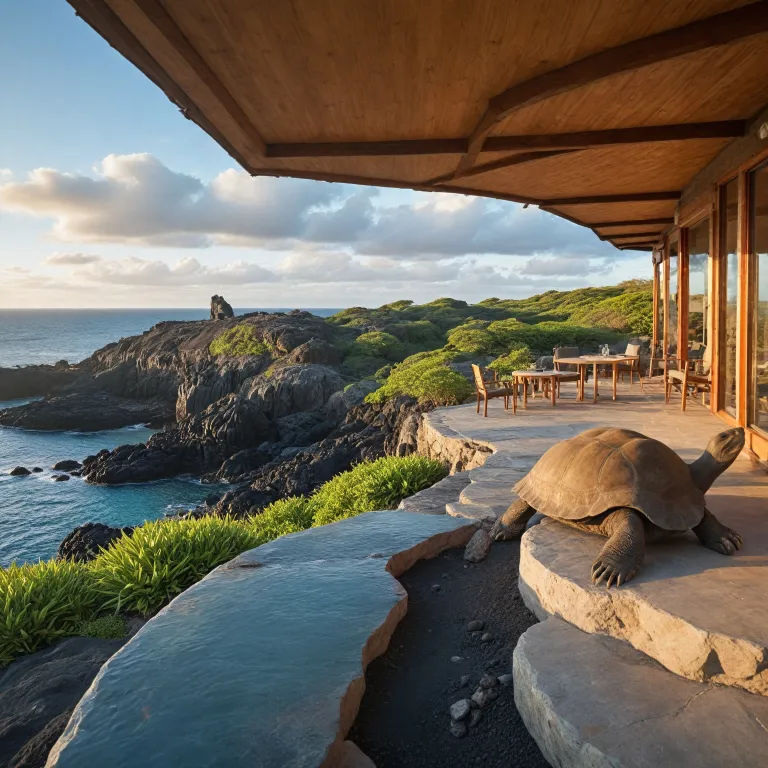
Wildlife encounters that shape a luxury stay in the Galapagos islands
Choosing a luxury hotel in the Galapagos islands is inseparable from understanding the extraordinary animals found in Galapagos Islands. High end lodges on each island curate experiences around emblematic species, so your room choice subtly determines which animals you meet first. For discerning travelers, aligning wildlife priorities with hotel location is the foundation of a successful itinerary.
On Santa Cruz island, premium properties near Puerto Ayora place you close to giant tortoises that roam the lush highlands and to marine iguanas basking along the waterfront. These animals are among the most iconic species galapagos offers, and many hotels coordinate early morning transfers to avoid crowds. Because several populations are listed with a sensitive IUCN status, reputable hosts work closely with certified naturalist guides.
Further west, Isabela island and neighboring Fernandina island form a wilder frontier, where marine iguanas and land iguanas thrive along black lava. Upscale eco lodges here emphasize small group outings, allowing guests to observe animals with minimal disturbance and to appreciate how each species fits into fragile marine and land ecosystems. The remoteness of Isabela Fernandina also means logistics are more complex, so booking through a specialist platform becomes essential.
To the east, San Cristobal island offers intimate encounters with Galapagos sea lions that rest on town beaches and harbor steps. Here, animals found Galapagos wide seem almost urban, yet strict rules protect them and reflect their sometimes vulnerable IUCN status. Selecting a premium hotel on San Cristobal that respects these regulations ensures your stay supports conservation rather than stressing local species.
Matching islands, species, and hotel locations for refined itineraries
Every island in the Galapagos archipelago offers a different palette of animals, so luxury travelers should match preferred species with specific locations before confirming a room. Santa Cruz and San Cristobal provide the broadest mix of marine and land experiences, while Isabela Fernandina and remote sites like North Seymour specialize in particular wildlife spectacles. A curated itinerary can combine several islands, using premium hotels as elegant bases between yacht excursions.
On Santa Cruz, highland lodges immerse guests in misty forests where giant tortoises graze among endemic plants. Down on the coast, marine iguanas and playful fur seals share rocky platforms, illustrating how marine and land species overlap in the Galapagos sea environment. Many refined properties coordinate private transfers between these contrasting habitats, allowing you to appreciate how IUCN status assessments guide visitor limits.
San Cristobal excels for travelers who want frequent contact with sea lions and easy access to blue footed booby colonies. From luxury hotels near the waterfront, short boat rides reach sites where booby sula birds nest on cliffs and where land iguanas patrol arid plateaus. These animals found in Galapagos Islands are central to conservation narratives, and expert guides explain why some populations are considered critically endangered while others remain stable.
For groups seeking elevated privacy, premium lodges on Isabela island pair volcanic scenery with close views of marine iguanas and finch Geospiza species. Combining such stays with a high end cruise or with luxury group stays in the Galapagos allows guests to reach Fernandina island and North Seymour efficiently. This approach suits travelers who want both refined comfort and access to the most remote species galapagos protects.
Iconic animals found in Galapagos Islands and how hotels frame the experience
Among all animals found in Galapagos Islands, the Galápagos Giant Tortoise is often considered the most iconic animal of the islands due to its impressive size and longevity. Luxury hotels on Santa Cruz and Isabela design excursions around these giant tortoises, timing visits to avoid peak heat and crowds. Walking quietly among them in the highlands reveals how land management and IUCN status assessments influence visitor routes.
Marine iguanas, the only sea going lizards, are another highlight for guests staying near the coast on Santa Cruz, Isabela, and Fernandina. Many premium properties coordinate guided shoreline walks where marine iguanas feed in the Galapagos sea and then return to warm themselves on dark rocks. Observing both marine iguanas and land iguanas in a single day helps travelers grasp how different species galapagos hosts adapted to contrasting niches.
Birdlife adds further depth, especially when you encounter blue footed booby sula colonies on North Seymour or along the coasts of San Cristobal. From select hotels, sunrise departures reach these sites early, when the birds perform courtship dances that have become emblematic of the islands. Guests often combine these outings with visits to see finch Geospiza species, linking Darwin era observations with modern IUCN status monitoring.
Marine mammals complete the picture, with Galapagos sea lions and fur seals frequently resting near harbor towns. Upscale hotels in Santa Cruz and San Cristobal emphasize strict distance rules, reminding guests that even confident animals remain vulnerable to disturbance. Such guidance reflects a broader ethos across the Galapagos islands, where every refined stay is framed as a privilege granted by the resilience of local animals.
Understanding IUCN status, critically endangered species, and responsible luxury
For travelers booking premium hotels in the Galapagos islands, understanding IUCN status categories adds depth to each wildlife encounter. Some species galapagos shelters, such as certain finch Geospiza populations or lesser known reptiles, are listed as critically endangered and require strict visitor controls. Reputable hotels integrate these constraints into daily schedules, ensuring that comfort never overrides ecological responsibility.
Guides often explain how land iguanas were reintroduced to specific island habitats after long absences, including notable projects on Santiago and nearby areas. These stories show how animals found Galapagos wide can recover when tourism, science, and local communities align. Guests staying on Santa Cruz or Isabela island frequently visit interpretation centers that outline how IUCN status assessments inform such reintroduction programs.
Marine environments face similar pressures, particularly for species with limited ranges in the Galapagos sea. While fur seals and sea lions appear abundant around Santa Cruz and San Cristobal, their populations are carefully monitored to detect climate driven shifts. Luxury hotels that operate their own vessels typically brief guests on marine guidelines before snorkeling with marine iguanas or observing booby sula feeding frenzies.
Because some islands remain relatively untouched, itineraries that include Isabela Fernandina demand extra sensitivity. Here, critically endangered species may share fragile nesting grounds with more common animals, and even small groups can cause stress. Choosing properties that cap group sizes and that collaborate with conservation partners ensures your presence supports, rather than undermines, the long term survival of animals found in Galapagos Islands.
Designing a refined multi island route around key species and premium stays
A thoughtful multi island route allows travelers to encounter a wide range of animals found in Galapagos Islands while enjoying consistently high standards of comfort. Many itineraries begin on Santa Cruz, where access to giant tortoises, marine iguanas, and the main airport simplifies arrivals. From there, guests can extend to Isabela island, San Cristobal, or even day trips to North Seymour, each chosen for specific species galapagos highlights.
On Santa Cruz, evenings in Puerto Ayora combine waterfront dining with casual sightings of sea lions and pelicans. Nearby highland lodges offer quieter surroundings, where land birds and finch Geospiza species visit gardens at dawn and dusk. Selecting a hotel that balances town access with natural immersion helps guests appreciate both human and animal rhythms on the island.
Continuing to San Cristobal introduces a different atmosphere, with Galapagos sea lions dominating beaches and harbor steps. Here, premium hotels often overlook the bay, giving guests constant views of marine life moving between land and sea. Guided excursions add encounters with blue footed booby sula colonies and, in some areas, land iguanas that patrol arid slopes.
Travelers seeking more remote experiences can add Isabela Fernandina to their route, focusing on volcanic landscapes and dense concentrations of marine iguanas. Combining such stays with expert advice from an elegant guide to the best hotels in the Galapagos helps align comfort levels with logistical realities. Throughout, the goal is to ensure that every transfer between islands deepens your understanding of how animals and habitats interconnect.
Practical guidance for respectful wildlife viewing from luxury and premium hotels
Staying in a luxury hotel in the Galapagos islands carries a responsibility to engage with animals thoughtfully. Respect wildlife by maintaining a safe distance and not feeding animals. Follow guidelines set by the Galápagos National Park to minimize human impact.
Many premium properties on Santa Cruz, San Cristobal, and Isabela brief guests before excursions, clarifying how to move around animals found Galapagos wide. Simple measures, such as staying on marked trails and keeping voices low, protect both land iguanas and marine iguanas during sensitive behaviors. When visiting nesting areas for blue footed booby sula or resting sites for fur seals, guides will indicate appropriate viewing points.
Engage with local guides to gain deeper insights into the ecosystem and into the IUCN status of key species. Their expertise helps guests distinguish between common animals and those considered critically endangered, such as certain tortoise lineages or rare finch Geospiza populations. This knowledge often transforms a standard outing into a more meaningful exploration of species galapagos conservation challenges.
Finally, consider how your choice of island and hotel supports long term protection of the Galapagos sea and land environments. Properties that limit group sizes, invest in renewable energy, and collaborate with conservation partners on Santa Cruz, San Cristobal, and Isabela Fernandina contribute directly to safeguarding animals found in Galapagos Islands. By aligning your booking decisions with these values, every refined stay becomes part of a wider effort to protect the archipelago’s unique animals and habitats.
Key wildlife statistics that enhance a luxury travel perspective
- Number of endemic mammal species in the Galapagos islands: 6 species currently recognized by conservation organizations.
- Estimated population of Galapagos sea lions across the archipelago: around 50 000 individuals, with notable colonies on San Cristobal and Santa Cruz.
- Maximum recorded weight of a Galápagos Giant Tortoise: approximately 417 kg, underscoring why these tortoise individuals are considered among the largest land reptiles.
Essential questions about animals found in Galapagos Islands for discerning guests
What is the most iconic animal of the Galapagos Islands?
The Galápagos Giant Tortoise is often considered the most iconic animal of the islands due to its impressive size and longevity. Guests staying on Santa Cruz or Isabela island can visit highland reserves where these tortoise populations roam freely across the land. Many luxury hotels integrate such visits into curated programs, ensuring that encounters respect both the animals and their IUCN status.
Are there any unique bird species in the Galapagos?
Yes, the Galapagos is home to unique bird species such as the Blue-footed Booby and various species of Darwin's finches. Travelers based on Santa Cruz, San Cristobal, or near North Seymour can observe blue footed booby sula colonies during guided excursions. At the same time, finch Geospiza species appear around lodges and trails, illustrating how even short walks from premium hotels can reveal remarkable animals found in Galapagos Islands.
How have conservation efforts impacted Galapagos wildlife?
Conservation efforts have led to significant recoveries, such as the reintroduction of land iguanas and the stabilization of giant tortoise populations. Projects on several islands, including areas near Santa Cruz and Isabela Fernandina, show how coordinated action can improve IUCN status assessments over time. When luxury travelers choose responsible hotels and guided experiences, their presence supports these ongoing initiatives that protect animals across the Galapagos sea and land environments.