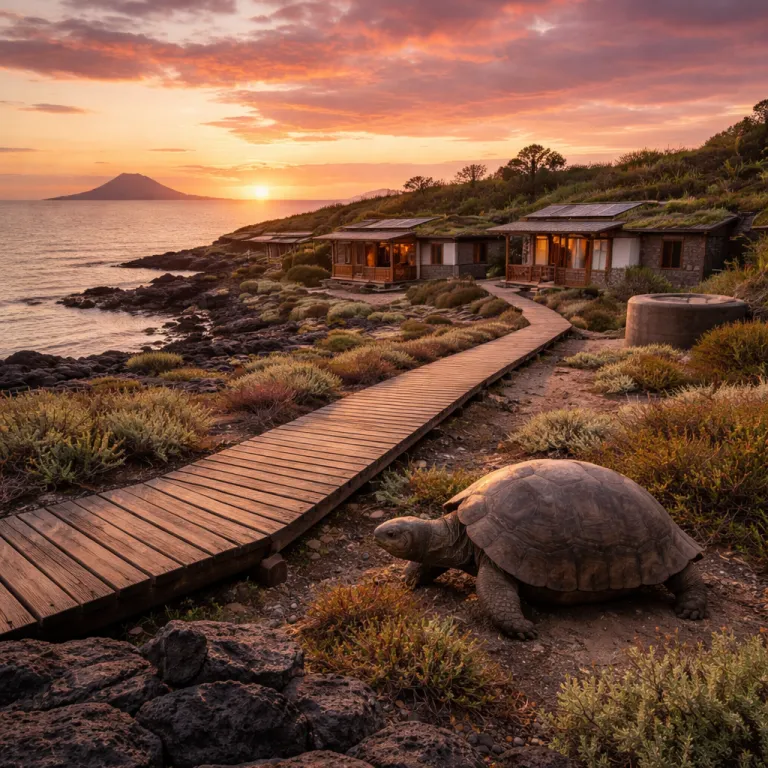
Galápagos eco tourism and the new rules for luxury stays
Galápagos eco tourism 2026 is no longer a slogan; it is a regulatory framework reshaping how every luxury hotel, land lodge and luxury cruise operates across the islands. As the Galápagos National Park Directorate tightens controls on visitor numbers, with a proposed daily cap under 2 000 people entering the protected area according to draft management measures discussed in 2023–2024 technical bulletins from the Directorate and Ecuador’s Ministry of Tourism, high end properties on each island must now show how their marine and land operations actively protect Galápagos wildlife rather than simply market the experience. For travelers planning a trip, this means the best hotels and every Galápagos cruise are being judged on waste systems, energy sources and how their guides interpret the national park rules during day trips on both sea and land.
The new visitor code of conduct, approved by the Galápagos National Park Directorate, defines how guests will move, snorkel and travel around the Galápagos Islands, from Santa Cruz to San Cristóbal and the quieter island of Floreana. It sets strict distances from sea lions, marine iguanas and giant tortoises, limits group sizes with local guides and clarifies when snorkeling with sea turtles or watching blue footed boobies becomes harassment rather than a highlight of the trip. As one senior park ranger in Puerto Ayora explains, “If an animal changes its behavior because of you, you are too close.” The code is part of a broader model developed with the Galápagos Conservancy, Island Conservation and Ecuador’s Ministry of Tourism to ensure that the best time to visit Galápagos is not measured only by weather, but by how lightly visitors tread on both island trails and marine reserves.
Technology now underpins this shift in Galápagos eco tourism, especially around Floreana Island where a smart monitoring system tracks Galápagos wildlife in real time. The system uses LoRaWAN IoT networks and AI powered camera traps to follow marine iguanas on black lava, sea lions on beaches and footed boobies nesting on cliffs, generating more than 250 000 images in its first 100 days according to pilot project data shared with the Galápagos National Park Directorate. Authorities use these data to adjust cruise routes, refine national park zoning and decide when certain islands or marine sites need a pause in visits, which directly affects how often you can visit Galápagos hotspots on any given day. Conservation scientists and local guides also note that enforcement capacity, budget limits and community concerns about reduced income can slow how quickly these tools translate into on the ground change, so travelers should see the system as a work in progress rather than a perfect solution.
From marketing to measurable impact: how to read hotel eco claims
For luxury travelers focused on Galápagos eco tourism 2026, the key question is no longer whether a hotel mentions sustainability, but whether its claims are independently verified. Properties such as Finch Bay on Santa Cruz Island, with around 300 solar panels, electric boats for marine excursions and multiple eco certifications, now set a benchmark for what a genuinely low impact stay on the Galápagos Islands can look like. Hotel Indigo in Puerto Ayora has become the first EDGE certified property in Galápagos, signalling that energy, water and materials use are audited rather than self reported, which matters when 80 percent of the local economy depends on travel and tourism.
EDGE and ISO certifications require hard evidence on energy efficiency, water treatment and waste management, while many cruise and land operators still rely on self declared green labels that do not always align with the strict expectations of the Galápagos national authorities. When you compare a land based stay on Santa Cruz with a luxury cruise that promises the best marine experience, ask whether both options have third party audits, transparent data and clear policies on single use plastics, which are now banned across the islands. For travelers considering high end group stays, this is where curated overviews such as a neutral guide to luxury eco focused lodges and group experiences become useful filters before you commit your time and budget.
Solo travelers planning to visit Galápagos often have more flexibility to choose operators that align with the new eco tourism model, and that freedom can be powerful. Before you book a Galápagos cruise or a land lodge on San Cristóbal or Santa Cruz, ask for details on fuel use, grey water treatment, support for local communities and how guides are trained in the visitor code of conduct. The official guidance is clear on the traveler’s role in Galápagos eco tourism; it states that visitors should choose accredited eco friendly tour operators, follow the visitor code of conduct at all times and, where possible, participate in conservation activities endorsed by the park. A concise solo traveler checklist can help: verify certifications, review waste and water policies, confirm guide training, check community partnerships and be ready to adapt your itinerary if park authorities close a site for ecological recovery.
Infrastructure, conservation fees and the solo traveler’s checklist
Behind the polished decks of a luxury cruise and the calm terraces of a Santa Cruz hotel lies a fragile infrastructure stretched by a 260 percent increase in visitors over two decades, as reported in long term tourism statistics from the Galápagos National Park and Ecuador’s Ministry of Tourism and summarized in peer reviewed analyses of visitor growth and carrying capacity. Volcanic islands have limited freshwater, constrained land for waste facilities and high energy costs, so every extra day you spend at sea or on land has a measurable footprint on Galápagos ecosystems. This is why the single use plastic ban, stricter controls on cruise itineraries and investment in water treatment plants are central pillars of Galápagos eco tourism 2026 rather than optional extras for marketing brochures.
Economic dependence on tourism in the Galápagos Islands means that conservation policy and hotel development are tightly intertwined, especially in hubs such as Puerto Ayora on Santa Cruz and Puerto Baquerizo Moreno on San Cristóbal. Around four fifths of local income comes from travel related activity, from national park guiding to marine transport and hospitality, so any drop in visitor numbers directly affects community livelihoods and long term support for conservation. When you pay the 200 dollar park fee, you are buying more than access to giant tortoises, sea turtles and blue footed boobies; you are funding monitoring systems, ranger salaries and waste projects explained in depth in this analysis of whether conservation tourism is worth the price, a figure confirmed in official fee schedules published by the Galápagos National Park Directorate and updated in 2024 notices from Ecuador’s Ministry of Tourism.
For a solo explorer, the most effective way to align a trip with the Galápagos eco tourism model is to treat every booking as a vote for a specific future of the islands. Choose day trips with local guides who explain how Charles Darwin’s ideas still shape the national park, and who manage snorkeling sessions so that sea lions, marine iguanas and sea turtles dictate the time you spend in the water, not the other way around. When you select a land based stay such as a refined eco focused camp on Santa Cruz, highlighted in our review of land based luxury on Santa Cruz Island, you reduce pressure on marine fuel use while still having the best access to giant tortoises, national park trails and carefully managed day trips across the archipelago. Balancing these choices with an awareness of local employment, fair wages and community led projects helps ensure that Galápagos eco tourism 2026 supports both biodiversity and the people who call the islands home.