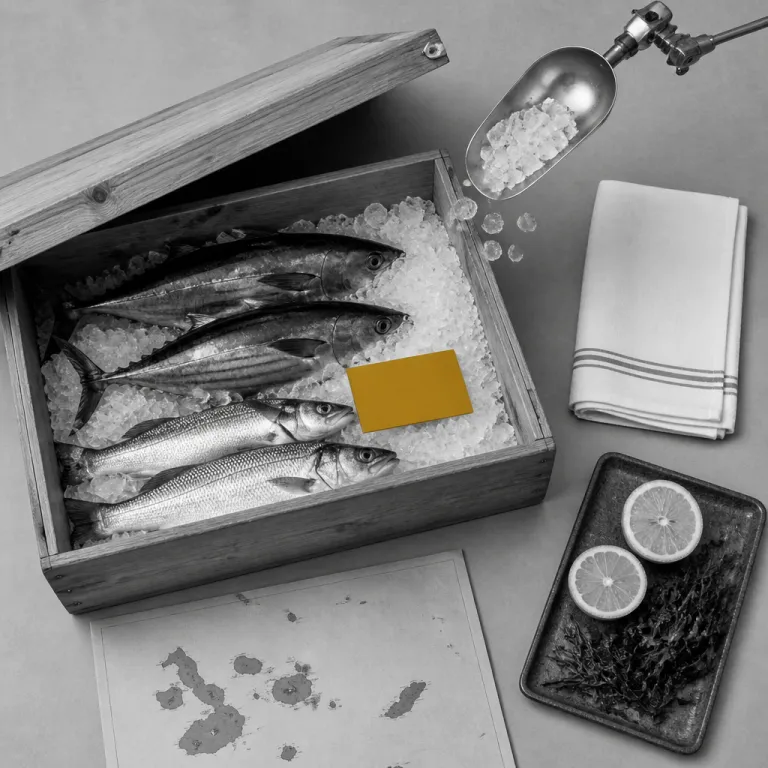
Galápagos food, restaurants and local cuisine shaped by a marine reserve
Behind the phrase “galapagos food restaurants local cuisine” lies a deeper story. On each island, what reaches your plate is dictated by the Galápagos Marine Reserve and the cold Cromwell Current that funnels nutrients to these volcanic shores. That current feeds plankton, which supports fish and shellfish populations, and in turn defines every serious restaurant menu across the Galápagos Islands.
The Ecuadorian government and the Galápagos National Park Directorate strictly manage fishing zones, so every Galápagos restaurant works within clear conservation rules. The Galápagos Marine Reserve covers roughly 133 000 km², and when you include the adjacent Hermandad marine protected area the safeguarded waters reach about 198 000 km² in total (figures reported by the Galápagos National Park Directorate and Ecuador’s environment ministry). More than 2 900 marine species have been recorded here in peer reviewed surveys, so your dining experience is not just about taste; it is about eating in one of Latin America’s most carefully guarded seascapes.
For travelers comparing Galápagos hotel options, this protection has a direct impact on dining. Luxury properties on each island must rely on locally sourced ingredients, from brujo scorpionfish (Scorpaena mystes) to Galápagos red spiny lobster (Panulirus penicillatus), instead of importing whatever they want. The result is that the best restaurants on Santa Cruz Island, San Cristóbal and Isabela Island feel rooted in place, not interchangeable with any coastal resort in Latin America.
Why Galápagos seafood tastes different from mainland Ecuadorian kitchens
Ask any chef in the Galápagos Islands why their seafood tastes different and they will point offshore. The Cromwell Current and the upwelling around each island create cold, nutrient rich waters that make fish and shellfish unusually flavorful and firm. When you sit down in a bay restaurant with ocean views, you are tasting a marine ecosystem that has been legally protected for decades.
The Galápagos Marine Reserve was created in 1998 to protect marine biodiversity, prevent overfishing and preserve unique ecosystems, and conservation experts still describe it as a protected area established to conserve marine life (a definition echoed in Galápagos National Park management plans). Those rules limit what local fishermen can catch, which is why brujo scorpionfish or canchalagua shellfish (a local name used for small intertidal mollusks such as Fissurella limpets) appear only in short seasons on Galápagos restaurant menus. For luxury travelers, that means the best restaurants will often explain which dishes are available tonight because a specific fishing zone was open, not because a supplier truck arrived.
On Santa Cruz, especially around Puerto Ayora, you will see this clearly at Los Kioskos, where each restaurant grills the day’s catch in front of you. A simple encocado de pescado, the classic Ecuadorian fish in coconut sauce, becomes a benchmark dish when the fish is this fresh and locally sourced. If you are planning a food tour focused on Galápagos cuisine and local restaurants, start your trip here, then compare it with the more intimate fisherman owned spots on San Cristóbal Island.
As one long time Santa Cruz chef explains, “We plan our menu around the tide tables and the fishing calendar, not around deliveries.” That attitude shows how serious hotels translate strict conservation rules into refined tasting menus and nightly specials. Read up on how different properties handle sourcing before you choose where to stay, because the right Galápagos hotel will shape every plate you eat.
Species you can only eat here: brujo, canchalagua and Galápagos lobster
Some flavors in the Galápagos Islands simply do not travel. Brujo, the local name for the Pacific creole scorpionfish (Scorpaena mystes), is a perfect example; this dense, almost sweet fish rarely leaves the archipelago and is usually grilled or turned into ceviche in the best restaurants. When a restaurant on Santa Cruz or Isabela Island lists brujo of the day, order it and keep an eye on how the chef barely touches it with seasoning.
Canchalagua, a small shellfish harvested on rocky shores, is another island specific delicacy that defines coastal cooking here. The term is commonly used for intertidal mollusks such as keyhole limpets in local fishery reports, and you will often find it in simple Ecuadorian style ceviches or tossed with lime and herbs as a starter in a bay restaurant with ocean views. On San Cristóbal and across San Cristóbal Island more broadly, fisherman owned places like Descanso Marinero treat canchalagua as a point of pride, serving it alongside other fresh seafood caught that morning.
Then there is Galápagos red spiny lobster (Panulirus penicillatus), which lacks large claws but offers remarkably sweet, tender meat. Many Galápagos hotel chefs grill it over charcoal, pairing it with arroz marinero, the Ecuadorian seafood rice that absorbs every shellfish flavor. If you are staying at a property that offers cooking classes or tasting menus, look for options that highlight these species, and consider using a resource like a curated guide to cooking classes and tasting menus in Galápagos hotels to plan a more immersive dining experience.
Street food versus resort dining: from Los Kioskos to Finch Bay
One of the pleasures of a Galápagos trip is moving between street food and refined hotel dining. In Puerto Ayora on Santa Cruz Island, Los Kioskos turns a simple street into an open air food tour every evening, with each restaurant lining plastic tables under the stars. You sit shoulder to shoulder with locals as fish sizzles on grills and sea lions bark faintly from the waterfront.
Here, local food culture means whole fish, encocado de pescado, arroz marinero and grilled seafood skewers served on metal trays. The service is brisk rather than polished, but the experience feels authentic and intensely local. It is the place to keep an eye on which dishes the island residents order, then follow their lead rather than defaulting to the printed English menu.
A short water taxi ride away, Finch Bay on Santa Cruz Island offers a different expression of the same ingredients. At Finch Bay’s bay restaurant, chefs work closely with local fishermen and farmers to build tasting menus that respect the marine reserve’s limits while still feeling indulgent. If you are choosing a Galápagos hotel for a romantic stay, this contrast between barefoot street dining and candlelit ocean views is exactly what makes Santa Cruz such a compelling base.
For travelers considering time on a luxury yacht as well as on land, it is worth understanding why booking through an official channel matters; park authorities emphasize that licensed vessels must comply with strict itineraries and fishing bans. That same rigor often extends to onboard dining, where chefs design menus around locally sourced fish and seafood. In practice, the best restaurants afloat now mirror the ethics of the islands’ top hotels.
Island by island: Santa Cruz, San Cristóbal and Isabela’s distinct tables
Each main island has its own rhythm, and the dining follows. On Santa Cruz, Puerto Ayora offers the widest range of Galápagos food, restaurants and local cuisine, from Los Kioskos to refined hotel dining at Finch Bay and other waterfront properties. This is where you will find the most varied dishes, from Ecuadorian classics to more experimental seafood plates.
San Cristóbal feels more tightly linked to its fishing community, and San Cristóbal Island restaurants often blur the line between dock and dining room. Places like Descanso Marinero and Pahoe lean into that identity, the first with a fisherman owned ethos and the second with wood smoked fusion cooking that still respects local seafood. Here, the best restaurants are less about white tablecloths and more about a direct relationship with the boats that supply them.
Isabela Island, by contrast, is all about laid back grills and sand between your toes. The main village offers a handful of simple restaurant options where fresh fish and seafood dominate, often eaten just steps from the surf. If you are staying at a Galápagos hotel on Isabela, ask the concierge which spot has the best arroz marinero that week, because quality can shift quickly with the catch.
Pesca vivencial, locally sourced menus and how to choose your Galápagos hotel
For couples who care about where their food comes from, pesca vivencial is the most meaningful excursion you can book. These catch and cook trips pair you with local fishermen, letting you see exactly how fish and seafood move from the marine reserve to your plate. Many high end hotels on each island now work with licensed operators, then turn your catch into a private dinner.
This model supports local families while aligning with the Galápagos National Park Directorate’s conservation goals. It also gives chefs a direct line to the freshest possible ingredients, which is why the best restaurants increasingly highlight pesca vivencial partnerships on their menus. When you evaluate a Galápagos hotel, ask how often they use locally sourced fish and whether they can arrange a food tour or fishing experience that respects marine regulations.
Because the reserve and neighboring protected waters now span roughly 198 000 km² and shelter a high proportion of endemic marine species, your dining choices genuinely matter. Choosing hotels and restaurants that respect quotas and seasons helps maintain the ecological balance that makes these islands unique. As one park official summarized in a recent briefing, “Every plate of seafood here is part of the conservation story.” In a place where sea lions nap beside your table and marine iguanas cross the path to dinner, the line between wildlife experience and dining experience is intentionally thin.
Key figures that shape the Galápagos plate
- Over 2 900 marine species have been documented within the Galápagos Marine Reserve, which means island restaurants draw from one of the most biodiverse seafood pantries on the planet (figures reported by Galápagos research institutions and peer reviewed marine surveys).
- The reserve itself covers about 133 000 km², and together with the adjacent Hermandad marine protected area the safeguarded waters reach close to 198 000 km² (data from Ecuadorian government announcements and Galápagos National Park Directorate maps).
- Estimates suggest that around 20–25 % of marine species in these waters are endemic, making certain fish and shellfish dishes impossible to replicate outside the Galápagos Islands (summaries from regional marine science centers and long term monitoring projects).
- The most recent expansion of protected waters was announced by Ecuador in cooperation with regional partners such as Costa Rica, Panama and Colombia, and that broader effort supports sustainable fishing for local communities who supply Galápagos hotel kitchens.
FAQ about Galápagos dining and the marine reserve
What is the Galápagos Marine Reserve and why does it matter for dining ?
The Galápagos Marine Reserve is a legally protected area around the islands created to conserve marine biodiversity and prevent overfishing. Its strict rules limit what local fishermen can catch and how much, which directly shapes restaurant menus. When you eat fish or seafood here, you are tasting a resource managed for long term ecological balance.
Why was the Galápagos Marine Reserve expanded and how does that affect restaurants ?
The reserve and surrounding protected waters were expanded to safeguard critical ecosystems and migratory routes used by sharks, turtles and other species. For restaurants and hotels, this means working within tighter regulations and planning menus around seasonal availability. The upside for travelers is seafood that reflects a healthier, more resilient marine environment.
Can I eat species in the Galápagos that I will not find elsewhere ?
Yes, some species such as brujo scorpionfish and canchalagua shellfish are effectively unique to these waters in practical dining terms. You may also encounter Galápagos red spiny lobster, which has a distinct texture compared with clawed lobsters. These ingredients make island restaurants and local cuisine genuinely different from mainland Ecuadorian seafood spots.
How can I choose a Galápagos hotel that takes sustainable dining seriously ?
Look for hotels that highlight locally sourced ingredients, name their partner fishermen and mention pesca vivencial or similar programs. Ask whether the property adapts its dishes to fishing seasons and marine reserve rules. Serious hotels will answer clearly and often showcase their relationships with local communities.
Is street food in Puerto Ayora compatible with conservation goals ?
Most stalls at Los Kioskos in Puerto Ayora buy from the same regulated local fleets that supply higher end restaurants. Because the Galápagos National Park Directorate enforces fishing rules across the islands, both street food and hotel dining operate under the same conservation framework. Choosing stalls that serve seasonal fish and simple preparations is an easy way to align your meal with those protections.