Constraint cuisine in the Galápagos: how limits create flavor
On the Galápagos islands, every plate begins with a rulebook rather than a recipe. Biosecurity regulations mean almost no fresh food can be imported, so what you taste in any galápagos restaurant is either grown on the island, landed by fishermen that morning, or carefully brought from mainland Ecuador under strict controls. This constraint cuisine shapes a very particular galapagos food culture, and any serious galapagos food restaurants guide has to start with that reality.
For luxury travelers choosing a hotel or restaurant, this has a direct impact on what feels like the best dining experience. Menus lean into fresh seafood, line caught fish, and vegetables from highland farms on Santa Cruz Island and San Cristóbal rather than imported delicacies, which makes the food both intensely local and surprisingly refined. When you sit down in the best restaurants attached to premium hotels, you are tasting a supply chain that rarely travels more than 50 kilometres.
Local chefs work closely with fishermen and coffee farmers, turning limitations into a creative advantage that elevates even a simple plate of grilled lobster. The Galápagos National Park rules protect endemic species, so the seafood you see on menus is carefully selected and always seasonal, which is why fresh seafood preparations change between Santa Cruz, Isabela Island, and San Cristóbal. This is not a destination for endless choice ; it is a place where a short menu signals respect for the islands and usually a very good meal.
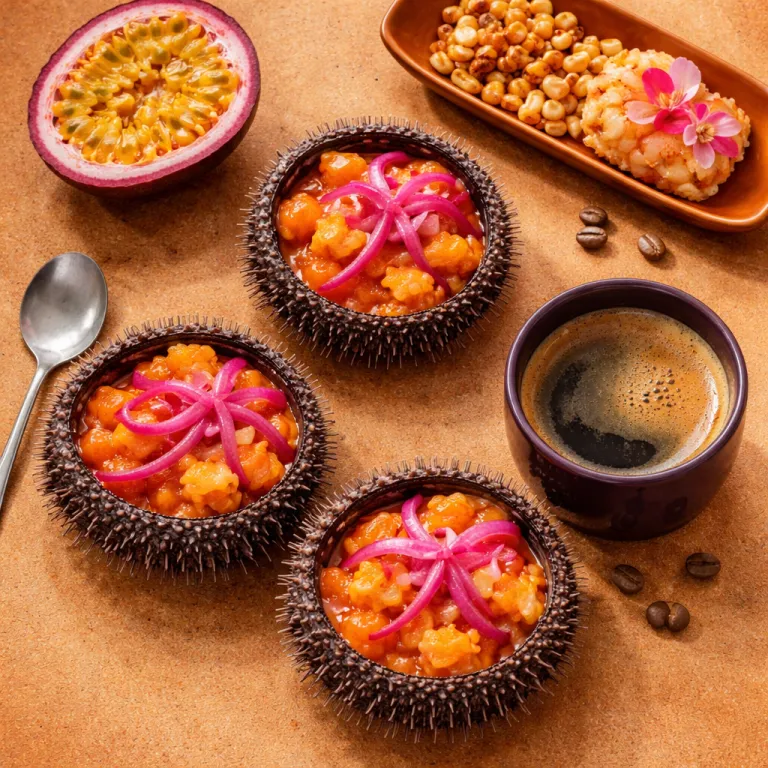
Any thoughtful galapagos food restaurants guide should help you read those menus with confidence. When a restaurant in Puerto Ayora highlights locally sourced tuna, wahoo, or sea urchin ceviche, it reflects both conservation priorities and the reality of what the fishermen brought in that day. Asking which fish is running best this week is not a fussy question here ; it is how you align your plate with the rhythm of the galapagos islands.
Luxury hotel concierges now curate food focused itineraries that move between highland farms, coastal restaurants Puerto Ayora side, and chef led tasting menus. These experiences are less about white tablecloth formality and more about proximity to the source, whether you are sipping highland coffee on a working finca or eating grilled fish while sea lions bark from nearby rocks. In this context, the best restaurant for you is often the one that can explain exactly which island your coffee, lobster, or ice cream ingredients came from.
The ceviche trail: from kiosks to white tablecloths in Puerto Ayora
Puerto Ayora on Santa Cruz is the beating heart of galapagos food culture, and any serious galapagos food restaurants guide will spend time on its ceviche trail. Around the central streets of puerto ayora, especially near the fishermen’s wharf, you will find simple kiosks and more polished restaurants serving bowls of citrus bright seafood that rival those in mainland Ecuador. This is where local chefs, fishermen, and travelers intersect over plates of fresh seafood and cold beer.
Start with the most elemental expression of the islands ; a sea urchin ceviche served at a modest galapagos restaurant where plastic chairs and paper napkins hide remarkably precise technique. As one local explanation puts it, “What is sea urchin ceviche? A dish made with fresh sea urchin marinated in citrus juices.” That single sentence captures the directness of galapagos food, where the ingredient list is short, the sourcing is transparent, and the flavor is unapologetically of the sea.
From there, move up the spectrum to hotel based dining rooms that reinterpret ceviche with tasting menu finesse. At properties like Pikaia Lodge on Santa Cruz Island, chefs plate thinly sliced fish with micro herbs and locally sourced citrus, turning a fisherman’s lunch into a multi course dining experience that still respects the original dish. These are the places where a couple can pair ceviche with highland grown coffee desserts or a carefully chosen South American wine list.
Isla Grill in Puerto Ayora has become a reference point for many travelers compiling their own galapagos food restaurants guide. Here, grilled fish, octopus, and lobster share the menu with more casual options like shawarma hot style wraps, which cater to guests returning from long days on the water. The restaurant’s location on Santa Cruz makes it easy to combine with an evening stroll along the waterfront, where sea lions often sleep on benches just metres from your table.
For those staying at Finch Bay on the edge of Puerto Ayora, the hotel’s restaurant offers a more secluded take on the ceviche trail. You arrive by a short boat ride from the main puerto area, then sit down to plates that highlight fresh seafood from around the galapagos islands, often paired with vegetables from nearby highland farms. It is a great place for couples who want a quieter atmosphere but still care deeply about the quality of the fish on their plate, and it pairs well with researching other gourmet dining experiences on luxury hotel booking platforms through resources such as the dedicated guide to gourmet dining experiences on luxury and premium hotel booking websites in the Galápagos Islands.
Highland coffee and farm to table: from Montemar to Safari Camp
Leave the coast of Santa Cruz behind and drive into the highlands, and the galapagos food story shifts from seafood to soil. Here, misty slopes hide small farms where coffee farmers cultivate beans that rarely leave the archipelago, making every cup a limited edition. When you read that Galápagos highland coffee is grown in the highlands of Santa Cruz Island, you are looking at the backbone of many hotel breakfast menus.
At Montemar, a discreet eco property on Santa Cruz, morning coffee is not just a beverage but a narrative about place. The owners grow their own beans on site, roast them in small batches, and serve them alongside eggs, fruit, and vegetables from the same land, creating a dining experience that is as locally sourced as it gets. For couples who care about sustainability, this is one of the best examples of how a galapagos food restaurants guide can intersect with responsible luxury.
Galápagos Safari Camp, also in the highlands of Santa Cruz, has built its culinary identity around what it calls “Honest Dining” with local and Ecuadorian ingredients. Menus change frequently, reflecting what is available from nearby farms and the coastal fish market in Puerto Ayora, so you might have grilled fish one night and slow cooked Ecuador style beef the next. The emphasis is always on fresh, seasonal food that respects the limits of the island ecosystem rather than fighting them.
For travelers planning their stay through a luxury hotel booking website, it is worth seeking out properties that describe their food as farm to table rather than simply international. A good galapagos food restaurants guide will highlight which hotels work directly with local producers and which simply import packaged goods from mainland Ecuador. To go deeper into this movement, consult resources focused on honest dining in the Galápagos and farm to table experiences that define island gastronomy, which explain how these partnerships support both conservation and community.
These highland experiences also show how varied galapagos food can be across different islands and elevations. One day you might be sipping highland coffee on Santa Cruz after a farm tour, the next you are back at sea level on Isabela Island eating grilled lobster with your feet in the sand. The thread that connects them is a commitment to locally sourced ingredients and a respect for the fragile ecosystems that make the galapagos islands unique.
Seafood seasonality and what to order across the islands
Understanding seafood seasonality is the single most useful skill you can bring to any galapagos food restaurants guide. Local fishermen operate under strict quotas and closed seasons, which means the best restaurants adjust their menus constantly rather than promising the same dishes year round. When you sit down in Puerto Ayora, San Cristóbal, or on Isabela Island, the smartest question is not what is famous but what is running today.
Lobster season typically runs from around September to December, and during those months you will see it everywhere from simple restaurants Puerto Ayora side to refined hotel dining rooms on Santa Cruz. Ask whether the lobster is from nearby waters and how it is prepared ; grilled with garlic and herbs is a classic, while some chefs offer more elaborate Ecuador inspired sauces. Outside those months, a restaurant that still pushes lobster heavily is usually not aligned with the conservation minded ethos that defines responsible galapagos food.
Tuna and other pelagic fish are more consistently available, making them a reliable choice for sashimi style starters, ceviche, or simply grilled fillets. On San Cristóbal, where the fishing fleet is particularly active, you will often find excellent tuna dishes in small local restaurants that do not look like obvious candidates for the best restaurants list. Trust the blackboard specials and the presence of local families ; they are usually a better guide than glossy menus.
Isabela Island, with its slower pace and fewer formal restaurants, excels at unfussy plates of fresh seafood eaten close to the sand. Here, a great place for couples might be a small beachside spot where the fish of the day is served with rice, salad, and a cold drink while sea lions nap nearby. The dining experience is less about elaborate presentation and more about the immediacy of eating fish that was in the water only hours earlier.
Across Santa Cruz Island and Cruz Island’s broader area, hotel concierges can often arrange private dinners that highlight whatever is freshest that week. These might include tasting menus built around different fish species, or shared platters of grilled seafood paired with highland vegetables and Ecuador Galápagos inspired sauces. When planning through a luxury booking platform, look for properties that talk openly about fresh seafood, seasonality, and collaboration with local fishermen rather than generic promises of international cuisine.
Hotel restaurants worth a detour: where to book even if you are not staying
Some of the most memorable meals in the galapagos islands happen in hotel restaurants that welcome outside guests, and a refined galapagos food restaurants guide should flag them clearly. On Santa Cruz, Finch Bay stands out for its waterfront setting and its commitment to locally sourced ingredients, from fish and lobster to vegetables and herbs. Even if you are staying in central Puerto Ayora, it is worth the short boat ride for a quieter, more polished dining experience.
Many couples use these dinners as anchor points in their itinerary, booking one or two special nights at properties known for food while keeping the rest of their meals more casual. A hotel restaurant that takes galapagos food seriously will usually highlight its relationships with local fishermen, coffee farmers, and producers from across the island. When you read menu notes about fresh seafood from nearby waters or vegetables from the highlands of Santa Cruz Island, you are seeing the supply chain that justifies the reservation.
Beyond the archipelago, some travelers like to compare these experiences with other Latin American properties that treat food as a central part of the stay. If you are researching broader regional inspiration, you might look at a detailed review of a historic hacienda in Yucatán that explores how architecture, service, and gastronomy intersect in a luxury collection hotel experience in the heart of Yucatán, then apply that lens to your choices in the Galápagos. The goal is the same ; to find places where the restaurant is not an afterthought but a core expression of the property’s identity.
On San Cristóbal and Isabela Island, the line between hotel restaurant and standalone galapagos restaurant is often blurred, with small properties opening their dining rooms to non guests in the evening. These spaces can offer some of the best restaurants experiences on their respective islands, especially when the chef has a clear point of view on Ecuador Galápagos flavors. Ask your hotel or host which places they personally visit on their nights off ; that is usually where the good food and relaxed atmosphere converge.
In Puerto Ayora itself, several hotels along the waterfront and just inland have restaurants that function as culinary hubs for both visitors and locals. Whether you are drawn to a grill focused menu at Isla Grill, a seafood forward terrace with views of sea lions in the harbor, or a more experimental kitchen playing with shawarma hot style street food, the key is to reserve ahead during peak periods. A thoughtful galapagos food restaurants guide will help you identify which of these hotel dining rooms merit a detour, even if your bed is across town.
Sweet endings, street bites, and how to eat like a local
No galapagos food restaurants guide is complete without addressing what happens between formal meals. On every main island, from Santa Cruz to San Cristóbal and Isabela Island, you will find small stalls and cafés serving snacks that locals rely on after work or school. Joining these queues is one of the easiest ways to understand daily life beyond the hotel bubble.
In Puerto Ayora, look for family run spots selling empanadas, grilled corn, and the occasional shawarma hot style wrap, which has become a surprising favorite among guides and dive crews. These places may not appear on lists of the best restaurants, but they often serve very good, very fresh food at modest prices. For couples, an evening spent grazing on street bites before a more formal dinner can be both practical and quietly romantic.
Dessert in the galapagos islands often means ice cream rather than elaborate pastries, partly because of the climate and partly because of the constraints on imported ingredients. Many local ice cream parlors experiment with tropical flavors like guava, passion fruit, and soursop, sometimes using milk from highland farms on Santa Cruz Island. Sharing a couple of scoops on a bench while sea lions shuffle along the waterfront is a simple pleasure that belongs in any dining experience, no matter how luxury focused your trip.
To eat like a local, pay attention to where residents of Puerto Ayora or Ayora Santa neighborhoods gather at different times of day. Morning might mean a small café serving strong highland coffee and simple eggs, while lunchtime crowds cluster around restaurants Puerto that offer set menus with soup, a main course of fish or meat, and juice. In the evening, grills appear on sidewalks, filling the air with the smell of fresh seafood and meat.
Across the islands, the most rewarding approach is to balance headline meals at renowned hotel restaurants with spontaneous stops at humble places that simply look busy and welcoming. This mix allows you to experience galapagos food in all its forms, from carefully plated tasting menus to plastic chair lunches that still rely on impeccably fresh fish. For couples using a luxury hotel booking website to plan their stay, leaving a few unstructured meals in the schedule is often the best way to let the islands surprise you.
Key figures that shape Galápagos gastronomy
- Galápagos National Park Directorate data indicates around 250 000 tourist visits per year, a volume that sustains roughly 50 local eateries across the main islands while still keeping pressure on chefs to prioritize sustainable, locally sourced food.
- Local tourism board figures show that these 50 establishments range from simple kiosks to high end hotel restaurants, giving travelers a broad spectrum of dining experiences despite strict biosecurity limits on imported ingredients.
- Culinary tour operators report that guided food tours and self exploration walks in Puerto Ayora now account for a growing share of excursion bookings, reflecting a shift from purely wildlife focused trips to itineraries that also prioritize galapagos food culture.
- Farm to table and eco friendly practices have become key selling points for premium properties on Santa Cruz Island, with several hotels sourcing a significant portion of their vegetables, fruit, and coffee from highland farms within a short drive of their kitchens.
FAQ about eating your way through the Galápagos
Is sea urchin ceviche safe to eat in the Galápagos?
Sea urchin ceviche in the Galápagos is typically prepared by experienced local chefs using very fresh seafood sourced directly from licensed fishermen. Because biosecurity and fishing regulations are strict, reputable restaurants handle and store the catch carefully. Choosing busy places with high turnover in Puerto Ayora, San Cristóbal, or Isabela Island further reduces any risk.
Where is Galápagos highland coffee grown, and can visitors tour plantations?
Galápagos highland coffee is grown primarily in the highlands of Santa Cruz Island, where cooler temperatures and volcanic soils create favorable conditions. Several small farms and properties, including dedicated eco lodges, offer tours that explain cultivation, processing, and roasting. These visits often end with tastings and farm to table meals that showcase other local products.
Are organized food tours available on the main islands?
Yes, various operators offer culinary tours in hubs like Puerto Ayora on Santa Cruz, combining market visits, street food stops, and sit down meals in selected restaurants. These tours usually highlight local dishes, explain how biosecurity shapes galapagos food, and introduce travelers to chefs and fishermen. Booking in advance through your hotel or a trusted agency is recommended, especially in peak seasons.
How can I support sustainable dining while visiting the Galápagos?
To support sustainable dining, prioritize restaurants and hotels that emphasize locally sourced ingredients, seasonal menus, and collaboration with local fishermen and farmers. Avoid ordering species that are not currently in season or that staff seem hesitant to recommend, and be wary of places pushing lobster outside the legal fishing period. Choosing farm to table experiences and asking simple questions about origin sends a clear signal that responsible galapagos food matters to visitors.
What is the typical daily food rhythm for travelers in the Galápagos?
A common pattern is a light or moderate breakfast with highland coffee, a simple lunch between excursions, and a more elaborate dinner back on Santa Cruz, San Cristóbal, or Isabela Island. Many travelers snack on street food or ice cream in Puerto Ayora during the afternoon, then reserve one or two special evenings at renowned hotel restaurants. This rhythm balances wildlife activities with time to enjoy the evolving galapagos food scene without feeling rushed.