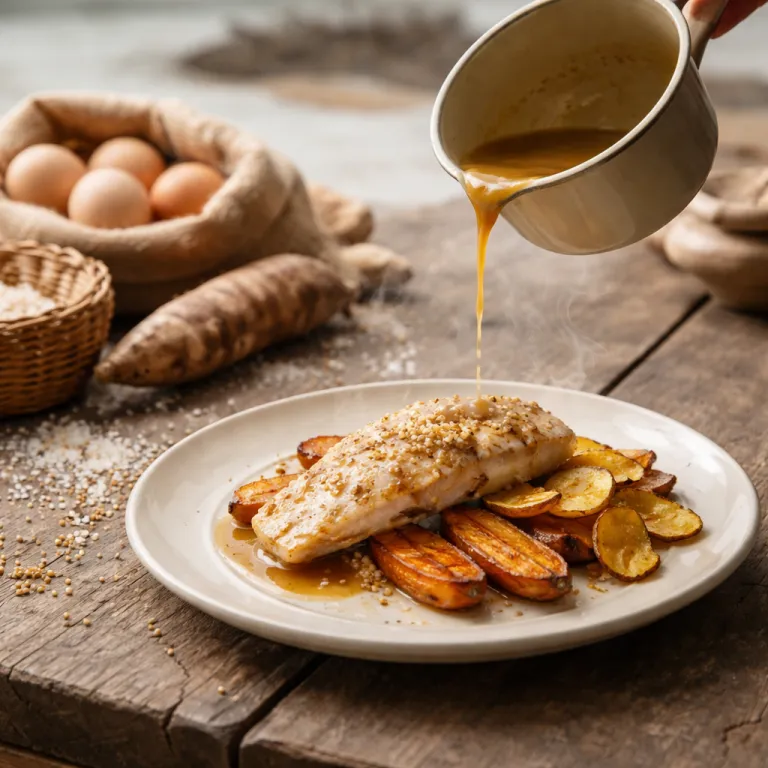
Why galápagos farm to table dining feels so different
Galápagos farm to table dining is not a trend, it is a necessity. On each island, strict biosecurity rules mean fresh plants, seeds and many types of food cannot simply arrive by plane, so chefs work with what the islands and mainland Ecuador can genuinely provide. That constraint has created a quietly radical culinary movement where local ingredients, sustainable practices and thoughtful chefs now define the best dining experience for luxury guests.
Because the Galápagos Islands sit far off the Ecuadorian coast, every restaurant that cares about quality must plan its food supply like an expedition. Hotels on Santa Cruz or San Cristóbal cannot rely on last minute imports, so they build relationships with local farmers, fishermen and producers who understand both Galápagos cuisine and conservation rules, and this is where the real story of honest dining begins. When you book a premium place to stay, you are also choosing which local community, which farm table project and which version of Ecuadorian cuisine you want on your plate.
Some travelers arrive expecting generic fine dining and are surprised when the chef didn’t offer strawberries in every dessert, yet they quickly realise that what they gain is a deeper connection to the islands. You taste fresh seafood landed that morning, vegetables grown in volcanic soil in the highlands of Santa Cruz, and coffee roasted on a small plantation, and this feels like the Galápagos best luxury — not just another imported menu. For couples who care about good food, sustainability and a sense of place, this is one of the most rewarding reasons to choose a high end hotel in the Galápagos Islands.
Three philosophies shaping luxury galápagos cuisine
Across the archipelago, three properties have become reference points for galápagos farm to table dining. Galápagos Safari Camp on Santa Cruz talks about “Honest Dining”, a philosophy where the chef builds a culinary narrative around what the island and Ecuador can genuinely provide, rather than chasing trends. At Pikaia Lodge, the Evolution restaurant leans into creative gastronomy, pairing fresh seafood dishes and local ingredients with international techniques to create a refined dining experience that still feels rooted in Galápagos cuisine.
Montemar, also on Santa Cruz, takes the idea of farm table literally, with on site organic gardens and its own coffee plantation that supply much of the food served to guests. This plantation to plate approach means your breakfast fruit, vegetables and coffee come from the same volcanic highland place where you slept, and that intimacy with the land is rare in luxury travel. For couples comparing gourmet dining experiences on luxury and premium hotel booking websites in the Galápagos Islands, these three philosophies offer distinct but equally compelling ways to taste Ecuadorian cuisine.
Beyond the lodges, the wider galápagos dining scene is catching up, with projects such as Enchanted Galapagos Lodge, Otoy Restaurant and MUYU Galápagos all working closely with local producers. As one expert explanation puts it, “What is farm-to-table dining? It involves sourcing ingredients directly from local farms to ensure freshness and support local economies.” When you browse a restaurant menu or a hotel listing, look for explicit mentions of sustainable practices, local ingredients and partnerships with farmers and fishermen, because those details usually signal the best food and the most authentic island experience.
From plantation to plate: the highland coffee and honest dining story
High in the misty highlands of Santa Cruz, galápagos farm to table dining starts long before breakfast service. At places like Montemar, the story begins in the coffee plantation, where Arabica trees grow in rich volcanic soil alongside fruit trees and organic vegetable beds, all managed with sustainable practices that respect the fragile ecosystems of the islands. When guests wake to the aroma of single origin Galápagos coffee, they are tasting a landscape that has been carefully tended rather than exploited.
This plantation to plate model extends to the rest of the food, with eggs, herbs and vegetables harvested just metres from the kitchen, and fresh seafood brought up from the coast by trusted fishermen. Galápagos Safari Camp’s Honest Dining concept follows a similar logic, using Ecuadorian ingredients from the mainland only when the islands cannot provide, and always prioritising local suppliers to keep the carbon footprint low. For couples who value a refined but relaxed dining experience over formal fine dining, these properties offer some of the galápagos best interpretations of Ecuadorian cuisine.
When you compare luxury hotels, look beyond room categories and focus on how each place talks about food, because that is where their values become clear. Some properties highlight tasting menus built around seasonal produce, others emphasise the story of the chef and their relationship with local communities, and the most thoughtful combine both approaches. If you want to understand how these philosophies translate into amenities, it is worth reading about premium hotel services that elevate your luxury stay, as this often reveals how seriously a property takes its restaurant and its role in the local islands economy.
Coast versus highlands: puerto ayora, puerto baquerizo and the sea to table rhythm
Down on the waterfronts of Puerto Ayora on Santa Cruz and Puerto Baquerizo Moreno on San Cristóbal, galápagos farm to table dining takes on a saltier edge. Here the focus is on fresh seafood, with cevicherías and small restaurant terraces serving tuna, octopus and lobster that moved through these waters only hours earlier, and the atmosphere feels more casual but no less serious about flavour. Couples can split their time between hotel fine dining and these local places, building a fuller picture of galápagos cuisine and the daily life of the islands.
Puerto Ayora offers an especially vivid contrast, with hotel restaurants presenting polished seafood dishes while the back streets fill with plastic tables at night, each one serving its own version of the best food in town. Many travelers consider the informal stalls highly recommended for at least one dinner, because they show how local ingredients and simple recipes can rival more elaborate culinary creations. When you return to your lodge, the chef may reinterpret similar flavours with a tasting menu, proving that good food in the Galápagos Islands can be both humble and sophisticated.
On San Cristóbal, the town of Puerto Baquerizo Moreno has a smaller but growing dining scene, where projects like MUYU Galápagos have raised the bar for what a coastal restaurant can be. MUYU works closely with farmers and fishermen to create a dining experience that feels both contemporary and deeply local, and many guests now plan a night there as a highlight of their trip. Whether you stay in town or in a more secluded place, alternating between these restaurants and your hotel table is one of the galápagos best ways to understand how the islands feed themselves.
Seasonality, menus and how to choose your galápagos hotel for food
Seasonality is the quiet architect of galápagos farm to table dining, shaping what appears on menus from Puerto Ayora to Puerto Baquerizo Moreno. Lobster has its own legal season, tuna runs shift with currents and certain fruits peak at different times, so chefs must design flexible menus that respect both regulations and the rhythms of the sea. When a restaurant or hotel didn’t serve a particular seafood dish you expected, it is usually because they are following these rules rather than compromising on quality.
For couples booking a luxury stay, the smartest move is to read menus and culinary descriptions as carefully as you read room details. Look for mentions of fresh seafood, local ingredients, partnerships with farmers and fishermen, and clear commitments to sustainable practices, because these signals usually indicate a serious approach to food. Some properties even offer farm table visits, cooking classes or tasting menus that trace the story of each ingredient from island soil or ocean to plate, turning dinner into a quietly educational experience.
When comparing options on a premium hotel booking website, pay attention to how each place frames its dining experience, not just whether it uses the word fine dining. A property that talks about galápagos cuisine, Ecuadorian cuisine and the work of its chef in the same breath is usually aiming for depth rather than show, and that often translates into the best overall experience for guests. If food is a priority for your trip, choose the hotel where the restaurant feels central to the story of the islands, not an afterthought added for marketing.
FAQ
What is farm to table dining in the Galápagos Islands ?
Farm to table dining in the Galápagos Islands means that hotels and restaurants source most of their ingredients from local farms, fishermen and Ecuadorian producers rather than relying on imported food. This approach respects strict biosecurity rules, reduces transport emissions and supports island communities. It also gives guests fresher flavours and a clearer sense of place on every plate.
Why is farm to table important for luxury hotels in the Galápagos ?
For luxury hotels, farm to table is both an environmental and experiential choice. Working with local ingredients and sustainable practices helps protect fragile ecosystems while also creating a more distinctive culinary identity. Guests benefit from food that reflects the islands they came to see, instead of generic international menus that could be served anywhere.
Which Galápagos restaurants focus on local ingredients ?
Several well regarded restaurants and lodges in the Galápagos focus on local ingredients, including Enchanted Galapagos Lodge, Otoy Restaurant and MUYU Galápagos. Properties such as Galápagos Safari Camp, Montemar and Pikaia Lodge also integrate farm to table principles into their dining programs. When researching, look for explicit references to partnerships with farmers and fishermen and to menus built around seasonal produce.
How do biosecurity rules affect what I will eat in the Galápagos ?
Biosecurity rules limit which fresh products can enter the Galápagos Islands, especially plants, seeds and some fruits and vegetables. As a result, chefs rely heavily on what can be grown on the islands and on carefully controlled shipments from mainland Ecuador. You may find fewer imported luxuries, but you gain fresher seafood, more honest menus and a closer connection to local producers.
How can I choose a Galápagos hotel with the best food ?
To find a Galápagos hotel with excellent food, read the dining section of each property description as closely as you read the room details. Prioritise places that highlight farm to table sourcing, seasonal menus, local seafood and clear sustainability commitments. Reviews that praise both breakfast and dinner, not just views and excursions, are usually a good sign that the restaurant is central to the guest experience.
References
Lindblad Expeditions farm to table program in the Galápagos.
Galápagos Safari Camp Honest Dining concept.
Otoy Restaurant and MUYU Galápagos profiles in independent travel and food media.