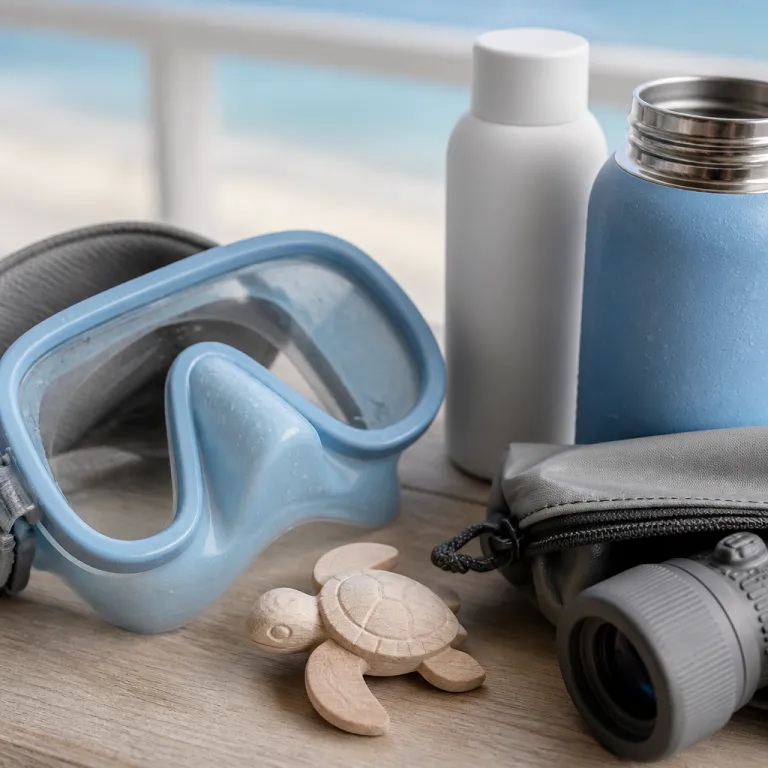
Designing a galápagos with kids family trip that actually works
A galápagos with kids family trip rewards parents who plan around pace. These islands are a living classroom where children move from watching sea lions on the beach to spotting blue footed birds on lava trails in a single day, so your hotel choice must support rest as much as adventure. Think of the archipelago as a series of compact destinations in the sea, each island offering a different rhythm for your family vacation.
For younger children, a land based stay on Santa Cruz Island or Isabela Island usually works better than a full boat itinerary, because you can control nap time, meal time and how long each tour lasts. Parents remain the core travel planners in any Galápagos family trip, while local tour operators bring the expertise on wildlife, tides and the best time of day for calm water snorkeling with kids. This shared planning between family and guide turns a standard visit into a tailored family adventure that respects both attention spans and conservation rules in the Galápagos Islands.
Every family adventure in the Galápagos should start with a clear objective: are you here mainly for wildlife, for relaxed beach time, or for a mix of both on several islands? The official guidance from the Galápagos National Park and Ecuadorian authorities is that the islands are suitable for young children “with proper planning and supervision.” Before you book, check current rules and fees on the Galápagos National Park Directorate and Consejo de Gobierno del Régimen Especial de Galápagos websites, and note the date you verified them. Then build your itinerary around two or three key destinations such as Santa Cruz, Isabela Island and Bartolome Island, layering in day tours by boat so that children experience both land based walks and time in the water with sea lions and turtles.
Age by age: matching islands, hotels and activities to your children
Parents planning a galápagos with kids family trip quickly learn that age matters more here than in many beach destinations. Children aged four to six usually thrive on short walks to giant tortoise reserves on Santa Cruz, gentle beach time with sea lions and simple boat rides that stay close to the island. At this stage, choose family friendly hotels near Puerto Ayora so you can return to your room within fifteen minutes if a child melts down after a long day in the sun.
For a concrete example, a three day outline for this age might include: day one exploring Puerto Ayora and a nearby beach, day two visiting a highland tortoise reserve plus a short lava tunnel walk, and day three taking a half day boat trip with plenty of shade and snacks. Keep afternoons free for naps or pool time, and schedule only one guided outing per day.
From seven to ten years old, most kids are ready for masked adventures in the sea with basic snorkeling, easy kayaking and slightly longer wildlife tours on several islands. Calm bays off Santa Cruz Island and Isabela Island often offer clear water with sea lion pups, marine iguanas and blue footed birds perched on black rock, which keeps children engaged for longer periods of time. This is also when multi stop day tours by boat to Bartolome Island or nearby destinations such as North Seymour become realistic, because children can handle a full day Galápagos excursion with structured breaks and snacks.
A sample four day plan for this age group could combine one highland day on Santa Cruz, one full day boat tour to a nearby island, one relaxed beach and kayaking day, and one transfer day to or from Isabela Island with a short afternoon activity. Aim for no more than two long boat days in a row so kids do not burn out.
Once your children reach eleven and above, a more ambitious galápagos with kids family trip becomes possible, including multi day cruises and, for qualified teens, introductory diving under strict supervision. At this age, some families shift from purely land based stays to a hybrid model, combining two or three nights on a small ship with several nights in luxury family hotels on Santa Cruz or Isabela Island for decompression. One naturalist guide on Santa Cruz likes to tell parents, “Treat the cruise as the peak of the adventure, not the whole story,” which helps families frame the boat as one chapter in a wider island experience.
Older tweens and teens often enjoy a five day outline that includes two days on a small expedition yacht, one highland hiking day, one snorkeling intensive day and one flexible buffer day for shopping, rest or a final favorite beach. Involve them in choosing one “must do” activity each so they feel ownership of the trip.
Cruise versus land based stays: choosing the right base for your family
One of the most consequential decisions in any galápagos with kids family trip is whether to sleep on a boat or stay on land. A cruise unlocks remote islands and sunrise landings, but it also means compact cabins, fixed meal times and the possibility of motion sickness for younger children. Land based programs on Santa Cruz Island, Isabela Island or San Cristóbal give you more flexibility with naps, snacks and unstructured beach time, which many families value more than ticking off every island in the archipelago.
For families with children under seven, a primarily land based itinerary anchored in Puerto Ayora on Santa Cruz, with optional day tours by boat to nearby islands such as Bartolome Island or North Seymour, usually works best. This structure lets you return each day to a familiar room, a predictable dinner and a calm evening stroll along the waterfront where sea lions sleep on benches and pelicans patrol the harbor water. Parents can then choose two or three high impact wildlife days, such as a tour to see blue footed and red footed boobies or a snorkeling excursion with sea turtles, rather than committing to a full week at sea with no easy exit.
Families with older children who are comfortable in the sea and used to boats may find that a small expedition yacht offers the most efficient way to experience multiple destinations in a short time. When you compare ships, focus less on cabin size and more on guide quality, safety protocols and how many landings or snorkel sessions are offered each day. Before booking, verify minimum age rules, life jacket sizes and medical support on the operator’s official materials, and keep a note of the date you checked these details, because policies can change between seasons.
For a hybrid model, consider three or four nights in a hotel on Santa Cruz followed by a three night cruise, or the reverse. This gives children time to adjust to the climate and wildlife etiquette on land before tackling the more structured rhythm of a vessel based itinerary.
Where to stay: santa cruz, isabela and the best bases for families
Not every island in the Galápagos Islands offers the same experience for a galápagos with kids family trip, and choosing the right base is half the work. Santa Cruz Island, with its main town of Puerto Ayora, remains the most practical hub for a first family vacation thanks to its range of family friendly hotels, restaurants and easy access to both highland tortoise reserves and low key beaches. A short drive from town, children can walk among giant tortoises in misty pastures, then return to the sea for an afternoon swim with sea lions in sheltered coves.
Isabela Island feels more remote and relaxed, with long stretches of beach, shallow water and a slower rhythm that suits families who want more sand time and fewer structured tours. Here, land based stays work beautifully for kids who like to run barefoot, watch penguins near the shore and fall asleep to the sound of the sea rather than harbor noise. Parents often pair three or four nights on Santa Cruz with several nights on Isabela Island, creating a Galápagos family itinerary that balances wildlife intensity with open ended play on the beach.
Some itineraries also include a day tour by boat from Santa Cruz to Bartolome Island, where older children can climb a wooden staircase to a panoramic viewpoint and then snorkel with sea lions and reef fish in clear water. While you cannot overnight on Bartolome Island, this kind of focused day Galápagos excursion adds variety without overloading younger children with constant packing and unpacking. For a step by step framework on how to structure this kind of multi island trip, consult a specialist guide to planning an unforgettable Galápagos family vacation in luxury comfort, then adapt it to your children’s ages and energy levels.
As a rough cost example for a family of four in mid season, you might budget for five nights in midrange hotels on Santa Cruz and Isabela, four guided day tours, domestic flights from mainland Ecuador, park fees and meals. Exact prices vary widely by season and comfort level, so use current quotes from licensed operators and official fee tables as your baseline and record the month and year you checked them.
Practical logistics: flights, fees, packing and paperwork for parents
Behind every seamless galápagos with kids family trip lies a parent who has quietly mastered the logistics. Most international travelers route through Guayaquil or Quito, then take a morning flight to either Baltra near Santa Cruz Island or San Cristóbal, so plan your family’s sleep schedule and snacks around an early start. Remember that inter island flights and small boats often have stricter luggage limits than your international leg, so pack light, use soft bags and keep children’s essentials in a single carry on that can move easily between islands.
Budgeting for a Galápagos family vacation means factoring in park fees and transit cards for every member of the family, not just the adults. As of early 2024, guidance from the Galápagos National Park Directorate indicates that the entrance fee for most international adults is around 100 USD, while the fee for children under twelve is about 50 USD, and these costs are typically paid in cash on arrival; always confirm the latest figures on the official park website and note the date you verified them. In addition, families must purchase a transit control card per person before flying to the islands, with the current amount published by the Consejo de Gobierno del Régimen Especial de Galápagos.
Paperwork has become more digital, and families may need to complete a Biosafety Declaration Form or similar health documentation online before flying to the islands, in addition to the standard transit control card. Requirements can change, so check the official Ecuadorian government and Galápagos authority sites a few weeks before departure and again just before you travel. Pack for the equatorial sun with long sleeve rash guards, wide brimmed hats and reef safe sunscreen, because children will spend long stretches near reflective water and pale sand.
A simple, practical packing checklist for a family of four might include: two swimsuits and one long sleeve rash guard per person, one wide brimmed hat each, two pairs of quick dry shorts and three lightweight shirts per child, one pair of closed toe walking shoes and one pair of sandals per person, plus a shared small first aid kit, two dry bags for wet swimsuits and compact snorkeling gear that actually fits your children’s faces. Keeping quantities modest helps you stay within luggage limits while still covering daily needs.
Making every day count: family friendly guides, wildlife etiquette and pacing
The difference between a good and an exceptional galápagos with kids family trip often comes down to your naturalist guide. A truly family friendly guide understands how to translate complex evolution stories into vivid images for children, whether they are watching blue footed boobies dance on a lava ledge or sea lions porpoise through clear water beside the boat. When you book, ask specifically which guides have experience with children and how many families will share each tour, because small groups give kids more space to ask questions and move at their own pace.
Wildlife etiquette is non negotiable in the Galápagos Islands, and parents set the tone for their Galápagos family from the first landing. Children should learn to keep a respectful distance from every sea lion, iguana and bird, even when the animals seem completely unafraid, and guides will reinforce this with clear rules on each island trail. Explain ahead of time that the privilege of walking among such relaxed wildlife comes with responsibilities, including staying on marked paths, keeping voices low and never feeding animals, even on seemingly empty beaches.
Pacing your days is as important as choosing the right destinations, because even the most enthusiastic kids tire quickly under the equatorial sun. Alternate more demanding hikes on rugged island terrain with gentler days that focus on beach play, short snorkel sessions with sea turtles or a simple harbor walk in Puerto Ayora to watch sea lions and pelicans interact with fishing boats. To keep energy steady, many families use a simple rule of thumb: one “big” outing in the morning, a long rest after lunch and only low key activities in the late afternoon.
One mother who visited with a seven year old and a ten year old summed it up neatly: “We stopped trying to do everything and focused on one highlight a day. The kids remembered the sea lions, not the schedule.” That kind of rhythm helps children arrive at each new Galápagos excursion rested, curious and ready to engage fully with the sea, the islands and the guides who bring this extraordinary archipelago to life.
Key figures for planning a galápagos with kids family trip
- Galápagos National Park entrance fees are currently around 100 USD for international adults and 50 USD for children under twelve, which can add several hundred dollars to a family vacation budget for four people; always confirm the latest amounts on the official park website and record the month and year you checked them.
- Transit times from mainland Ecuador to the islands typically range from two to three hours by air, so families should plan for at least half a day of travel each way when structuring their overall trip duration, including check in and transfers to or from Baltra or San Cristóbal.
- Many small expedition yachts in the Galápagos set a minimum age of seven or eight years for children, while some family focused operators welcome younger kids, making it essential to verify policies directly with the company and to note when you last confirmed the information.
- Land based stays on islands such as Santa Cruz and Isabela now account for a growing share of family bookings, reflecting a shift toward more flexible programs where parents can adjust daily activities to match children’s energy levels and individual interests.
- Typical guided day tours by boat from Puerto Ayora last between six and eight hours, including navigation time and landings, so families should plan for early departures and pack sufficient snacks, water and sun protection for children, especially during warmer months.
FAQ about planning a galápagos with kids family trip
Is the Galápagos suitable for young children ?
Yes, the Galápagos can be suitable for young children when parents plan carefully around pace, sun exposure and safety. Official guidance from Ecuadorian authorities and the Galápagos National Park confirms this with the statement: “Yes, with proper planning and supervision.” For most families with very young kids, a land based stay on Santa Cruz or Isabela Island with short, family friendly tours works better than a full week on a boat.
What is the best time to visit the Galápagos with kids ?
The islands are a year round destination, and the best time depends on your family’s wildlife interests and tolerance for heat or cooler water. Warmer months usually bring calmer seas and slightly warmer water, which can be more comfortable for children learning to snorkel. Cooler months often mean richer marine life and different bird behaviors, so discuss your priorities with a trusted tour operator before fixing dates and check seasonal notes on official park or tourism sites.
Are there family friendly accommodations in the Galápagos Islands ?
There is a solid range of family friendly hotels on Santa Cruz Island, Isabela Island and San Cristóbal, from simple guesthouses to high end lodges with interconnecting rooms and pools. Many properties in Puerto Ayora are used to hosting families and can arrange early breakfasts, flexible housekeeping and boxed lunches for day tours. When booking, ask specifically about room layouts, child policies and proximity to the waterfront or main town to keep walking times manageable with kids.
Should we choose a cruise or stay on land with children ?
The choice between a cruise and a land based stay depends largely on your children’s ages, their comfort on boats and your family’s travel style. Cruises are efficient for seeing multiple remote islands and offer structured days, but cabins are compact and motion can be challenging for some kids. Land based programs provide more flexibility, easier downtime and the option to mix relaxed beach days with selected boat tours, which many families find ideal for a first galápagos with kids family trip.
What should we pack for a galápagos family adventure with children ?
Focus on sun protection, comfort and simplicity, because you will move frequently between boat decks, beaches and island trails. Long sleeve rash guards, wide brimmed hats, reef safe sunscreen, closed toe walking shoes and well fitting snorkeling masks for each child are essential. Add lightweight layers for cooler evenings, dry bags for wet gear and a compact first aid kit, and keep everything in soft luggage that fits easily into small boat holds and inter island aircraft.