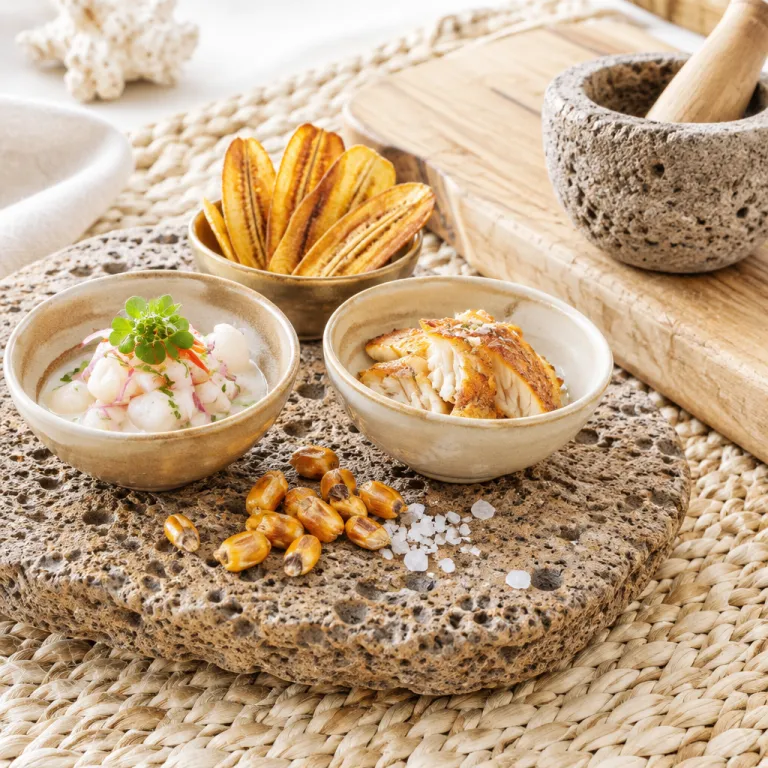
Why a Galápagos cooking class culinary experience belongs in your hotel plans
On Santa Cruz Island, dinner is no longer just a reservation; it is an immersive Galápagos cooking class experience that begins at the Puerto Ayora fish market and ends with sea breeze on your skin. Families who once only read hotel descriptions now ask which properties offer hands-on cooking classes, lava tunnel picnics and tasting menus that explain every herb on the plate. This shift turns the usual hotel stay into an experience where guests learn to cook fresh Galápagos food while understanding why these islands guard their ecosystems so fiercely.
Premium hotels across the Galápagos Islands now treat culinary workshops as a core part of the stay, not a side activity. Many properties on Santa Cruz and nearby islands design each class so guests will move from a simple menu starter to a plated main dish that reflects Galápagos cuisine and Ecuador’s coastal traditions. When you book, you are not only choosing a room on Santa Cruz Island; you are choosing whether your children learn to prepare ceviche with local chefs or simply watch someone else cook their food.
The most compelling Galápagos cooking classes usually start in Puerto Ayora, where hotel chefs walk guests past stalls like the early-morning puestos near the main pier, stacked with just-landed fish and piles of plantains. Here, you can read the daily catch like a menu, then return to your hotel’s class session to transform it into traditional dishes such as encocado or a citrus-bright ceviche. One guest described it simply: “I thought we were just chopping onions, but by the time we sat down to eat, I finally understood how the whole island eats.” For families, this turns a standard tour into a layered culinary experience that anchors memories as firmly as any wildlife sighting.
From market to menu: what Galápagos hotel cooking classes actually teach
Ask a Santa Cruz hotel about its cooking classes and you will usually hear the same reassuring line: “Local seafood, traditional Ecuadorian recipes.” Families join these cooking classes expecting a simple demonstration, yet the best Galápagos cooking class culinary experience quickly becomes a narrative about currents, seasons and the people who fish these waters. Instructors are often Galápagos hotel chefs who treat each class as a tour through flavor, technique and the fragile supply chain that keeps food fresh on a remote island.
Most sessions last the promised “2–3 hours” and are designed so “Are classes suitable for beginners?” is answered with “Yes, designed for all skill levels.” A typical class format begins with a menu starter such as a light Galápagos food tasting, then moves into a ceviche workshop where guests learn to prepare fish that may have been landed only hours earlier. The main dish might be an encocado-style stew or a regional interpretation of grilled fish, giving you a practical way to taste Galápagos while understanding how local techniques differ from mainland Ecuador.
Hotels structure each Galápagos cooking workshop so children can safely participate in food preparation tasks like marinating, seasoning and assembling plates. You will chop herbs, squeeze limes and plate a menu starter while chefs explain why some ingredients must be imported and others are strictly local. To deepen this education, many properties pair classes with guided tastings or short tours to the Puerto Ayora market, an approach that aligns perfectly with longer culinary journeys such as eating your way through the Galápagos from sea urchin ceviche to highland coffee.
Local ingredients, lava tunnels and the quiet revolution in Galápagos cuisine
Behind every polished tasting menu lies the logistical puzzle of sourcing Galápagos cuisine ingredients on time and in season. On Santa Cruz, waterfront restaurants such as Almar at Galapagos Habitat Eco Luxury Hotel often highlight locally sourced produce and seafood, a notable achievement when you consider how every crate must cross the Galápagos frontier from mainland Ecuador or be grown on the islands themselves. According to the property’s own communications, a growing share of its ingredients now comes from island suppliers. For guests, this means a Galápagos cooking class culinary experience where the tomato in your starter and the herbs on your main dish may come from a farm you can actually visit.
Highland farms on Santa Cruz Island and other islands now welcome hotel guests for half-day tours that pair coffee and chocolate tastings with simple regional cooking lessons. You might walk through misty fields above lava tunnels, then sit down under a tin roof to learn to prepare traditional dishes using plantain, yuca and seasonal vegetables. These tours turn abstract sustainability claims into something you can taste, smell and later recreate at home as part of your own cuisine cooking routine.
Many luxury properties now frame their farm-to-table story as carefully as their room descriptions, and some partner directly with local farmers and fishermen to secure sustainable seafood for both cooking classes and tasting menus. If you want to understand this movement in depth, look for hotels that highlight interactive farm-to-table experiences similar in spirit to the honest dining and farm to table experiences that define island gastronomy. When you book, ask how often chefs lead tours to suppliers, because those visits often become the most memorable part of your culinary experience.
Signature dishes, tasting menus and how hotels help you taste Galápagos
Once you have chopped, stirred and plated during a Galápagos cooking class, the hotel dining room becomes a different stage. Tasting menus on Santa Cruz and other islands often begin with a menu starter that echoes what you cooked earlier in the day, perhaps a refined ceviche or a playful take on street-style snacks. This continuity lets guests read the menu with new confidence, connecting each flavor to a story about local fishermen, highland farmers and the wider Galápagos frontier of sustainable dining.
Expect Galápagos food to lean heavily on seafood, citrus and plantain, with traditional dishes like encebollado and encocado appearing in both family-friendly and elevated forms. Some hotels offer dedicated cuisine cooking nights where the chef presents a progression from raw preparations to a slow-simmered main dish, explaining how each technique respects the texture of the fish. Children often respond well to these formats, especially when they can compare the food cooking they did in class with the polished plates arriving from the kitchen.
For families who enjoy structure, a multi-course tasting menu can be the ideal way to taste Galápagos without over-ordering or wasting food. You will move from a bright menu starter to a richer main dish, then perhaps a dessert built around highland coffee or local chocolate, all while staff quietly explain sourcing choices. This is where the Galápagos cooking class culinary experience meets hospitality craft, turning a simple dinner into a curated tour of Galápagos cuisine that feels as considered as any wildlife excursion.
Planning your culinary itinerary: from hotel classes to regional inspirations
Designing a Galápagos cooking class culinary experience for a family stay starts long before you land on Santa Cruz. When you compare hotels across the Galápagos Islands, look beyond room categories and read how each property describes its cooking classes, farm visits and market tours. Many hotels now participate in structured culinary experiences with small-group formats, a scale that keeps sessions intimate enough for children to ask questions and for adults to learn to prepare dishes properly.
Most programs run year-round with daily classes and evening tasting menus, so you will usually find a slot that fits around snorkeling or lava tunnel excursions. Hotels often remind guests to book classes in advance, share dietary restrictions and wear comfortable attire, simple steps that make the experience smoother for everyone. As a broad reference, entry-level group classes at mid-range properties are often described as starting from around US$60–80 per person, while private sessions with a hotel chef can be higher, especially in peak season. If you are planning a broader Latin American journey, you can even draw inspiration from other heritage properties such as the Yucatán-focused stay described in this in depth look at a luxury collection hotel experience in the heart of Yucatán, then adapt that mindset to the Galápagos frontier of island based gastronomy.
As you refine your itinerary, remember that the most rewarding Galápagos cooking class culinary experience usually combines several elements rather than a single class. Aim for at least one market visit, one hotel-based cooking class and one highland farm tour, so you can see how Galápagos food moves from soil and sea to plate. When you finally return home and open your inbox, those recipes and memories will be what endure, long after the last grains of sand have left your suitcase.
FAQ
What types of dishes are usually taught in Galápagos hotel cooking classes ?
Most hotel led cooking classes focus on local seafood and traditional Ecuadorian recipes that translate well to a home kitchen. You can expect ceviche, encocado style stews and simple plantain based sides that showcase Galápagos food without requiring specialist equipment. Some properties also include vegetarian options built around highland vegetables and grains.
Are Galápagos cooking classes suitable for children and beginners ?
Classes are generally designed for all skill levels, with chefs breaking down each step so beginners feel comfortable. Children are usually invited to help with safe tasks such as mixing marinades, assembling ceviche or plating a menu starter. If you are traveling with younger kids, inform the hotel in advance so they can adapt the Galápagos cooking class culinary experience accordingly.
How long do hotel cooking classes in the Galápagos usually last ?
Most structured sessions run for about two to three hours, which fits neatly between daytime tours and evening tasting menus. This duration allows enough time to learn to prepare at least one starter and one main dish without feeling rushed. Some hotels also offer shorter guided tastings for guests who prefer to watch rather than cook.
Do I need to book Galápagos hotel cooking classes before I arrive ?
Advance booking is strongly recommended because class sizes are typically limited to small groups. Popular time slots can fill quickly during peak wildlife seasons, especially on Santa Cruz Island where demand is highest. When you reserve your room, ask the hotel to secure spaces in your preferred Galápagos cooking class culinary experience and share any dietary needs.
Can I recreate Galápagos recipes at home after my trip ?
Most hotels provide printed or digital recipes so you can repeat key dishes in your own kitchen. While you may not always find the exact fish species, you can substitute similar white fish and keep the same citrus forward marinades and plantain sides. The goal is to preserve the spirit of the cuisine cooking you learned, allowing you to taste Galápagos again long after you leave the islands.