Galápagos Safari Camp review: a highland, land based lodge on Santa Cruz
Galápagos Safari Camp in context: a land based lodge in the highlands
Galápagos Safari Camp sits high above the bustle of the port town of Puerto Ayora on Santa Cruz Island. This land based hotel occupies a private giant tortoise reserve in the Santa Cruz highlands, where mist drifts through Scalesia trees and tortoises graze beside the path. For travellers comparing a yacht cabin with a canvas tent, this Galápagos Safari Camp review explains what the highland setting really delivers.
The camp is not on the beach, and that single fact shapes every trip and every day. You sleep in luxury tents under cool highland skies, then drive around 25–30 minutes down from Santa Cruz Island’s interior to the pier in Puerto Ayora for yacht tours and water based excursions. Some guests love returning from Galápagos tours to a quiet lodge in giant tortoise territory, while others prefer to stay closer to the Pacific Ocean and accept less space and privacy.
This safari camp is built around a main lodge that anchors the experience, with nine safari tents and one three bedroom Family Suite stepping down the hillside. The architecture borrows an African style of tented camp and adapts it to the Galápagos Islands, using wide decks and glass to frame the view rather than to chase the shoreline. Any honest Galápagos Safari Camp review must acknowledge this trade off between altitude and immediate ocean access without overstating it.
Architecture, eco design and the feel of the tents at night
The first thing you notice on arrival is how the main lodge seems to float above the canopy, all timber, glass and open terraces. Inside, the design is quietly luxurious rather than flashy, with natural materials, soft textiles and a layout that keeps the view of the Pacific Ocean in constant sight. This is a safari camp where architecture is used to frame the islands rather than to dominate them.
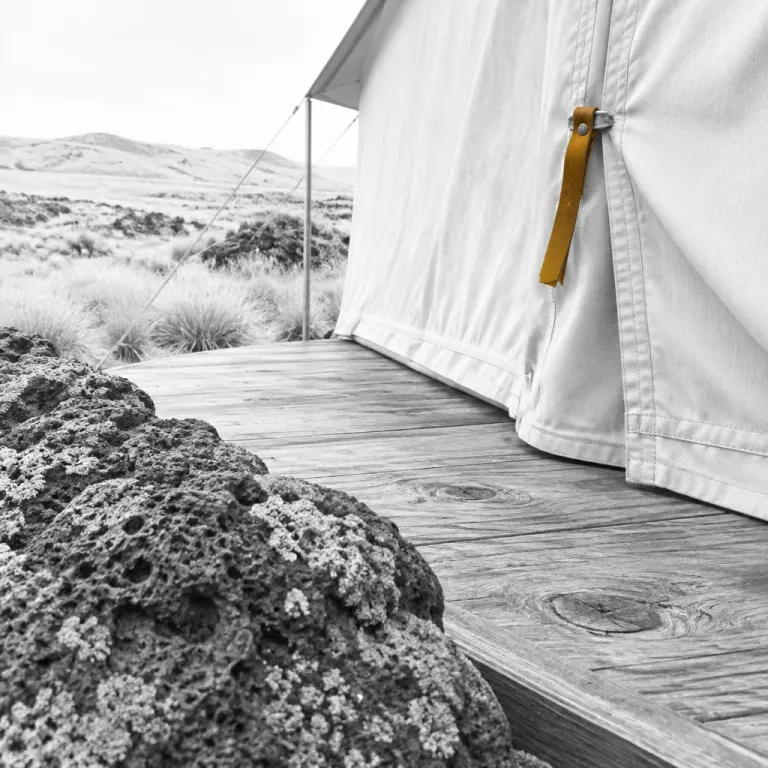
The individual luxury tents line a curved path below the main building, each tent raised on a wooden platform with a private veranda and a wide view across Santa Cruz. Canvas walls and polished floors create a hybrid between a classic hotel room and an expedition tent, so you feel the wind and hear the Santa Cruz highlands rain without sacrificing a proper bed or hot shower. At night, the Galápagos safari atmosphere feels intimate and cocooned, with the sounds of giant tortoises moving through the grass replacing the usual surf.
Families gravitate to the Family Suite, which sits slightly apart from the other tents and functions as a self contained lodge wing with three bedrooms and a playroom that can comfortably host up to six guests. For a premium family used to urban luxury hotels, this suite offers space, privacy and a controlled environment while still connecting children to the camp’s safari atmosphere. If you are weighing this against a more conventional property such as Pikaia Lodge, our detailed look at life at the Galápagos most ambitious luxury property will help you decide which style of stay suits your travel priorities.
Highland setting: giant tortoise territory and the power of the view
Staying in the Santa Cruz highlands means waking to mist, birdsong and the slow movement of giant tortoises through the grass. The camp’s own tortoise reserve gives guests a front row seat to these animals’ daily routines, turning a simple walk from tent to main lodge into a wildlife tour. For many families, this is the moment when a Galápagos Safari Camp review shifts from architecture to emotion.
From the pool deck and dining terrace, the view sweeps across Santa Cruz Island towards the Pacific Ocean and the distant outlines of neighbouring islands. You are not watching waves break at your feet, but you are reading the landscape of the Galápagos Islands as a whole, which is a different kind of luxury. Children quickly learn to pick out the line of the coast, the direction of Tortuga Bay and the route they will take on day trips down to the port.
The cooler climate of the highlands makes the tents particularly comfortable at night, especially for travellers who struggle with coastal humidity after a long day of Galápagos travel. Canvas holds the warmth of the day without becoming stifling, and the breeze that moves through the safari tents feels like natural air conditioning. If you are mapping out where to stay across the archipelago, our comprehensive Galápagos hotel guide with every luxury property reviewed island by island sets this camp in context with other land based options.
Life on a land based safari: day trips, tours and family rhythm
Choosing a land based safari camp over a liveaboard yacht changes the rhythm of your Galápagos tours. Here, each day starts at the lodge with breakfast overlooking the islands, followed by a transfer of roughly half an hour down from Santa Cruz Island’s interior to meet your boat or vehicle for the day’s tour. You return to the same tent each night, which many families and couples find more restful than unpacking in a cabin and sleeping at sea.
Day trips from Galápagos Safari Camp typically combine yacht excursions with land visits, so you might snorkel with sea lions in the morning and then walk among marine iguanas on a neighbouring island in the afternoon. On another day, you could stay on Santa Cruz and head to Tortuga Bay, where the long white beach and calm water offer a gentler outing for younger children. Because the camp is land based, you can also build in slower days around the tortoise reserve, letting children watch giant tortoises at their own pace rather than on a fixed tour schedule.
A typical family day might run from a 7:30 a.m. breakfast and 8:30 a.m. departure to the port, through a mid morning yacht based excursion and picnic lunch, returning to camp by late afternoon for pool time before a 7:00 p.m. dinner. The kitchen leans on local produce and the wider fishing community of the Galápagos Islands, a relationship we explore in depth in our feature on how the Galápagos fishing community shapes your plate and your stay. After dinner, families drift back along lantern lit paths to their tents, where the sounds of the highlands replace the usual hotel corridor noise.
Who Galápagos Safari Camp suits best and how to book it well
This Galápagos Safari Camp review is particularly relevant for premium families who want space, privacy and a strong sense of place. The Family Suite works well for parents who prefer children in separate bedrooms but within a single lodge style unit, while couples often choose the more secluded luxury tents for a quieter stay. Return visitors who have already stayed on the coast or on a yacht tend to appreciate the different perspective that a highland safari camp on Santa Cruz brings.
The honest trade off is clear, because you gain altitude, wildlife and calm but you lose immediate access to the water. Transfers from the camp to the port add time to each day, so travellers who want to maximise hours on a yacht or at the beach should factor that into their trip planning. For many guests, the ability to visit Galápagos by day and retreat to a canvas tent above a tortoise reserve at night outweighs the extra driving.
When booking, look for packages that bundle day trips, Galápagos tours and transfers, as this keeps logistics smooth and predictable for families and clarifies overall pricing. If you are combining a stay here with time on another Santa Cruz property or a different island entirely, align your flights and ferry times carefully to avoid long waits between segments. For a broader view of how this safari camp compares with other luxury hotel options across the islands, stay-in-galapagos-islands.com remains a reliable reference point for independent, unsponsored reviews.
FAQ
Is Galápagos Safari Camp suitable for families with young children ?
Yes, Galápagos Safari Camp is well suited to families, particularly those seeking a comfortable land based alternative to a yacht. The dedicated Family Suite offers three bedrooms and a playroom, giving parents and children separate spaces within one unit. The on site tortoise reserve and flexible day trips from Santa Cruz also make it easier to tailor each day to different ages and energy levels.
How long should I stay at Galápagos Safari Camp for a balanced trip ?
A stay of four to five nights usually allows enough time for a mix of yacht based day trips, visits to sites on Santa Cruz Island and slower days around the camp. This duration works well for families who want to balance activity with rest, especially after long international flights. Travellers combining the camp with another island or a short cruise might adjust by a night either way, depending on their overall itinerary.
Will I miss being on the water if I choose this land based camp ?
You will spend less time sleeping at sea, but you can still access the same marine sites through organised day trips. Many guests appreciate returning to a quiet tent and the cooler highlands after a full day on the Pacific Ocean. The key is to understand that you trade immediate water access for space, privacy and the experience of living in giant tortoise country.
What is the best way to combine Galápagos Safari Camp with other properties ?
Most travellers pair Galápagos Safari Camp with a coastal hotel on Santa Cruz or another island, or with a short cruise focused on more distant sites. This combination lets you experience both the highland safari atmosphere and the classic oceanfront or yacht based perspective. Coordinating transfers, flights and ferry schedules in advance is essential to keep the overall trip smooth, especially for families.
How does Galápagos Safari Camp compare with a traditional luxury hotel ?
Compared with a conventional luxury hotel, Galápagos Safari Camp offers fewer formal facilities but a stronger sense of immersion in the landscape. You gain canvas tents, wildlife on your doorstep and a lodge built around the view, rather than marble lobbies and extensive spa menus. For travellers who value atmosphere, privacy and proximity to giant tortoises over urban style amenities, the camp often feels like the more memorable choice.