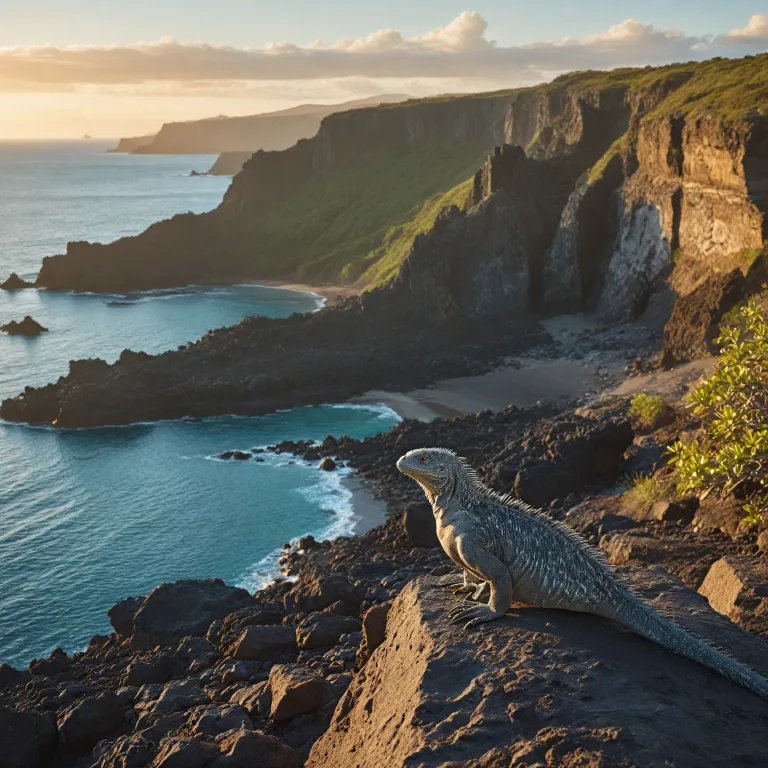
Luxury stays on hood island Galapagos for wildlife focused travelers
Hood island Galapagos, internationally known as Española, offers a rare blend of refined comfort and raw nature. Travelers seeking a luxury hotel on this remote island Galapagos outpost will find that exclusivity is defined less by marble lobbies and more by privileged access to extraordinary wildlife. Every stay is shaped by the rhythms of the sea, the calls of sea birds, and the quiet authority of ancient reptiles on land.
Most visitors sleep on premium expedition vessels rather than a traditional island hotel, yet expectations for service remain high. Expert naturalist guides, discreet crew, and curated itineraries ensure that each visit to Española Galapagos feels tailored, even when shared with a small group of like minded guests. This style of travel suits discerning guests who value meaningful encounters with species over ostentatious amenities.
When planning a stay focused on hood island, Galapagos National Park regulations shape every detail of your booking. Only a limited number of vessels and visitor sites are authorized, which means that cabins on upscale ships selling Española island routes often fill months in advance. Choosing the right operator will determine how often you step ashore, how close you safely approach sea lions, and how comfortably you rest between excursions.
Because Española island sits at the southeastern edge of the Galapagos islands, sailing times can be longer than to central islands. Luxury travelers should therefore prioritize spacious cabins, stabilizers, and attentive onboard service to ensure that the journey across open sea is as pleasant as the destination. A well designed itinerary will balance time at hood island with other iconic sites, from blue footed booby colonies to volcanic landscapes teeming with marine iguanas.
Choosing the right premium vessel for Española and surrounding islands
Selecting a vessel that includes hood island Galapagos on its route requires more than scanning a map. You will need to confirm that Española Galapagos is featured on the exact departure date, because some ships rotate itineraries between different islands. Ask specifically whether your cruise includes both Punta Suarez and Gardner Bay, as these two visitor sites offer very different yet complementary experiences.
Onboard comfort matters when your days are filled with early landings and late returns from the sea. Look for ships that offer large windows or private balconies, so you can watch sea birds and sea lions from your cabin without crowding public decks. Travelers who value quiet should consider smaller vessels, while those who prefer more facilities may choose slightly larger ships with spas, lounges, and refined dining.
Many premium operators highlight their access to Gardner Bay, where a sweeping white sand beach hosts a relaxed population of sea lions. Here, guests often share the shore with marine iguanas, lava lizards, and the occasional blue footed booby resting between fishing flights. The best ships schedule generous time at this bay, allowing you to swim in clear sea water, photograph wildlife, and simply absorb the atmosphere of an unspoiled island.
Views are central to the experience, so consider ships recognized for breathtaking ocean panoramas and elevated comfort. From these vantage points, you can watch sea birds glide over the islands at sunset while staff prepare elegant dinners. A carefully chosen vessel becomes your moving hotel, carrying you between Española island, other Galapagos islands, and remote bays where wildlife still outnumbers people.
Wildlife highlights that shape every hood island Galapagos itinerary
For many travelers, the main reason to visit Española is the waved albatross. This remarkable species nests almost exclusively on hood island Galapagos, turning the island into a living sanctuary for both individual birds and the wider population. Watching waved albatrosses perform their elaborate courtship rituals at Punta Suarez is one of the most sought after experiences in the Galapagos islands.
At this visitor site, a guided walk leads across rugged land where marine iguanas bask on lava rocks and lava lizards dart between crevices. Along the trail, you will encounter colonies of blue footed boobies and Nazca boobies, whose footed boobies displays and nesting behavior offer endless photographic opportunities. The cliffs themselves host sea birds riding updrafts above the sea, while below, waves crash against the island in dramatic bursts of spray.
Gardner Bay offers a softer contrast to the wild energy of Punta Suarez. Here, a calm sea laps at white sand where sea lions rest in loose groups, and individual sea lion pups sometimes approach curious visitors under the watchful eye of adults. Snorkeling from the beach reveals marine iguanas grazing underwater, along with colorful reef fish that complete the marine wildlife tableau.
Beyond these headline species, Española island shelters a restored population of Hood Island giant tortoises. Once reduced to a handful of individuals, this population now roams the land again, helping to shape vegetation and restore ecological balance. Their story is closely linked to conservation partners such as the Galápagos National Park Service and the Charles Darwin Research Station, whose work underpins the long term appeal of every luxury visit to this island.
Conservation stories that elevate a luxury stay on Española
Understanding the conservation history of hood island Galapagos adds depth to any premium itinerary. The Hood Island giant tortoise was pushed to the brink by overexploitation and habitat damage, leaving only a tiny remnant population on Española island. Through a carefully managed breeding program, experts transformed this fragile situation into a conservation success that now benefits every visitor.
“Diego was a male Hood Island giant tortoise who fathered nearly 900 offspring, significantly contributing to the species' recovery.” This single sentence captures the scale of effort behind the serene scenes you witness when you visit Española. Alongside Diego, another breeding male known as E5 sired a majority of the offspring, ensuring that the population regained both numbers and genetic diversity.
Today, more than two thousand tortoises help maintain the land by dispersing seeds and opening pathways through vegetation. Their presence supports other species, from lava lizards to nesting sea birds that rely on healthy plant communities. When you walk designated visitor sites, your guide will often explain how tortoise grazing patterns influence everything from marine iguanas basking spots to the structure of shrubs that shelter smaller birds.
Luxury travelers increasingly seek experiences that align with responsible tourism values. Choosing operators that collaborate closely with the Galápagos National Park Service and support research at the Charles Darwin Research Station ensures that your visit contributes to ongoing monitoring and habitat restoration. For guests planning private charters or celebratory voyages, specialized advice from a luxury and premium hotel booking website in Galapagos Islands can help align comfort, exclusivity, and conservation impact.
Designing a refined itinerary around visitor sites and seasonal wildlife
Planning a high end journey to hood island Galapagos begins with understanding visitor sites and seasonal patterns. Punta Suarez is the focal point for waved albatross and other sea birds, while Gardner Bay offers intimate encounters with sea lions and relaxed time on the sand. A well structured itinerary will include both locations, allowing you to appreciate how different parts of the same island support distinct communities of species.
Because access to Española Galapagos is tightly regulated, daily schedules are carefully choreographed. You will typically land early in the morning, when light is soft and wildlife most active, then return to your vessel for brunch and rest. Afternoon outings may involve snorkeling with marine iguanas and reef fish, or a second landing to watch sea birds returning to roost as the sea turns golden.
Luxury travelers should also consider how hood island fits within a broader circuit of Galapagos islands. Many premium cruises pair Española island with other highlights, such as islands known for penguins, mangroves, or dramatic lava flows. This variety ensures that you encounter a wide range of species, from footed boobies on cliffs to sea lions in sheltered bays, without sacrificing comfort or service.
For guests seeking elevated privacy, some operators offer charter options that allow you to shape daily timings within park rules. Working with a specialist platform that curates exclusive experiences and refined viewpoints can help you prioritize key wildlife moments. Whether your focus is the waved albatross, marine iguanas, or the quiet presence of tortoises on land, a thoughtful itinerary will ensure that each visit to Española feels both unhurried and deeply rewarding.
Practical booking insights for premium stays near hood island
Securing a luxury level experience that includes hood island Galapagos requires early, informed booking. Because only a limited number of vessels are licensed to visit Española Galapagos, cabins on the most desirable ships often sell out quickly. Travelers who plan several months ahead will have the best choice of routes that include both Punta Suarez and Gardner Bay among their visitor sites.
When comparing options, pay attention to guide ratios, cabin size, and the balance between land excursions and time at sea. A lower guest to guide ratio means more personalized interpretation of wildlife, from the behavior of waved albatrosses to the subtle differences between marine iguanas on various islands. Spacious cabins with large windows or balconies enhance your connection to the sea, allowing you to watch sea birds and distant islands even during quiet moments.
It is also wise to ask how operators manage landings with sea lions and other species to ensure both safety and respect. Responsible crews maintain appropriate distances from sea lion pups, nesting sea birds, and resting marine iguanas, while still enabling excellent viewing and photography. This approach reflects the ethos of the Galápagos National Park Service, which balances visitor access with strict protection of wildlife and land.
Finally, consider adding pre or post cruise nights in mainland Ecuador to ease long flight connections. Many luxury travelers choose hotels that echo the calm of the islands, with views over the sea or tranquil gardens that recall lava lizards basking in the sun. Thoughtful planning at every stage will ensure that your journey to hood island and the wider Galapagos islands feels seamless, restorative, and worthy of this extraordinary destination.
How luxury booking platforms enhance the hood island experience
Specialized luxury and premium hotel booking platforms focused on the Galapagos islands play a crucial role in shaping refined journeys to hood island Galapagos. These services curate vessels and properties that meet high standards of comfort while respecting strict environmental regulations. By filtering options in advance, they help you avoid itineraries that omit key visitor sites such as Punta Suarez or Gardner Bay.
Experienced consultants understand how different species and seasons influence the character of each voyage. They can advise when the waved albatross population is most active on Española island, or when sea lions are likely to have young pups along Gardner Bay. This insight ensures that your visit aligns with your wildlife priorities, whether you are most drawn to sea birds, marine iguanas, or the restored tortoise population on land.
These platforms also evaluate how well each operator collaborates with conservation bodies such as the Galápagos National Park Service and the Charles Darwin Research Station. Preference is often given to ships that support research, minimize disturbance to lava lizards and other small species, and follow best practices at all visitor sites. For travelers, this translates into peace of mind that comfort and responsibility are advancing together.
Finally, premium booking services can coordinate complex itineraries that combine multiple islands, private charters, and tailored shore excursions. They help ensure that your time at hood island, other Galapagos islands, and the surrounding sea feels cohesive rather than fragmented. In a destination where every encounter with wildlife is precious, this level of planning support can make the difference between a pleasant trip and an unforgettable, ethically grounded journey.
Key conservation statistics for hood island Galapagos
- Original Hood Island giant tortoise population in the nineteen sixties was reduced to only 15 individuals.
- Through captive breeding and reintroduction, the tortoise population on Española island has grown to more than 2 300 individuals.
- Diego, a single breeding male, is credited with nearly 900 offspring within this program.
- Another breeding male, known as E5, is estimated to have sired about 60 percent of the offspring.
Essential questions about visiting hood island Galapagos
What led to the decline of the Hood Island giant tortoise population?
Overexploitation by whalers and pirates in the eighteenth and nineteenth centuries, along with habitat degradation, led to the drastic decline of the population. These pressures removed large numbers of tortoises from Española island and disrupted the ecological balance of the land. By the time conservation measures began, only a small remnant of the original population remained.
How was the tortoise population restored?
Through a captive breeding program initiated in the nineteen seventies, where the remaining individuals were bred, and their offspring were reintroduced to Española island. Conservation teams used breeding enclosures, monitoring equipment, and habitat restoration tools to support this effort. Over time, the growing population began to reoccupy its ecological niche on the island.
What is the current status of the Hood Island giant tortoise population?
As of the most recent published assessments, the Hood Island giant tortoise population on Española is considered stable and self sustaining. More than two thousand individuals now roam the island, contributing to seed dispersal and vegetation management. Ongoing monitoring and habitat restoration aim to secure the long term future of this emblematic Galapagos species.