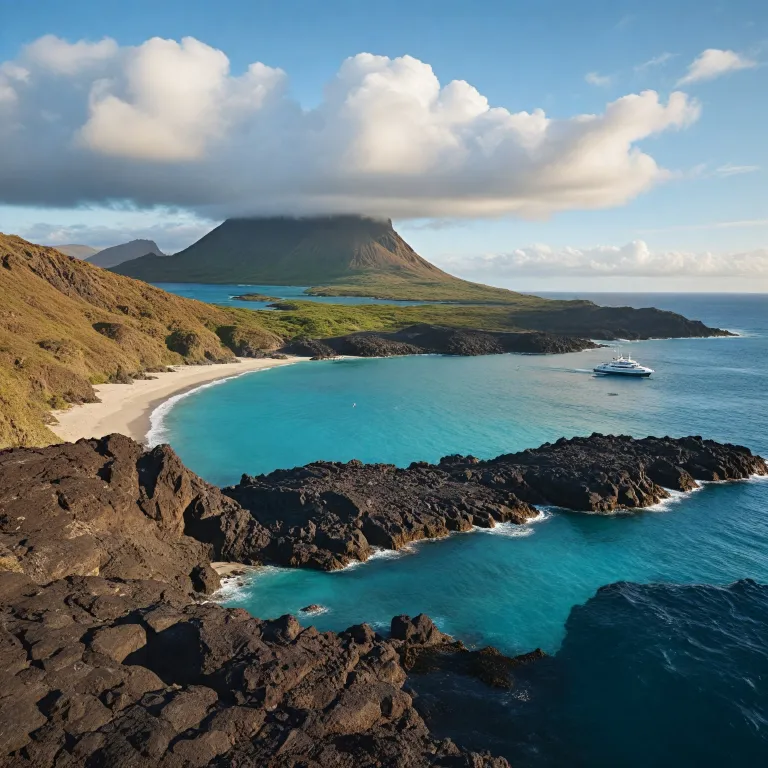
Designing a refined Galapagos itinerary for luxury travelers
A well planned Galapagos itinerary begins with understanding how each island shapes your experience. Every day in the Galapagos islands feels different, because Santa Cruz, Isabela, and San Cristobal each offer distinct landscapes and levels of comfort. When you align your preferred style of sea based adventure with the right island, your trip becomes both seamless and deeply rewarding.
For many guests, Santa Cruz island is the natural starting point, thanks to Puerto Ayora and its polished selection of luxury and premium hotels. This central hub allows you to arrange a flexible islands itinerary that combines high end day Galapagos excursions with quiet evenings in refined surroundings. From here, you can plan island hopping to Isabela island and San Cristobal, balancing time on land with carefully curated Galapagos cruise segments.
When you build an itinerary, think in terms of experiences rather than only nights. One day might focus on the Charles Darwin research environment and the Darwin Station, while another emphasizes a private tour to Tortuga Bay or a secluded beach near Puerto Ayora. By alternating active days with slower ones, you preserve energy for early morning wildlife encounters and late afternoon snorkeling sessions.
Luxury travelers often underestimate transfer time between each island. Public ferries link Santa Cruz, Isabela, and San Cristobal, but premium travelers may prefer chartered boats or cruise extensions to maintain comfort. Planning your Galapagos itinerary around these logistics ensures that every island hopping segment feels like part of the experience, not a tiring obligation.
Choosing between luxury hotels and Galapagos cruise experiences
The most important decision in any Galapagos itinerary is how to divide nights between land based hotels and a Galapagos cruise. Staying on a single island such as Santa Cruz or San Cristobal offers stability, while a cruise delivers effortless access to remote bays and uninhabited islands. Many premium travelers now combine both, using a hotel stay to frame a shorter cruise for the best Galapagos balance.
On Santa Cruz island, Puerto Ayora concentrates many of the archipelago’s most polished properties. These hotels provide easy access to the Charles Darwin research facilities and the Darwin Station, while private guides arrange day tours to Tortuga Bay, nearby beach coves, and highland farms. Evenings in Puerto Ayora allow you to enjoy fine dining, then return to quiet rooms that contrast with the compact cabins of a Galapagos cruise.
San Cristobal offers a different rhythm, with hotels overlooking the sea and quick access to Kicker Rock and La Lobería beach. Here, a traveler can spend one day snorkeling with sea lions and watching blue footed boobies, then unwind in a suite that faces the open sea. This pattern suits guests who want immersive wildlife experiences without committing every night to a ship.
Isabela island, reached by sea from Santa Cruz, feels more remote and relaxed. Premium lodges here often sit close to the beach, ideal for guests who want to walk from their room to the shore at any time of day. Combining these stays with a short cruise segment creates an islands itinerary that feels both indulgent and authentically Galapagos.
Structuring a ten day Galapagos itinerary across three islands
A ten day Galapagos itinerary allows enough time to appreciate three major islands without rushing. Many travelers begin on Santa Cruz island, spending the first day settling into a hotel in Puerto Ayora and adjusting to the pace of the Galapagos islands. This first evening is ideal for a gentle walk along the bay and a relaxed dinner overlooking the sea.
On the second day, a guided visit to Tortuga Bay introduces you to one of the region’s most celebrated stretches of beach. Soft sand, calm water, and frequent sea lions make this an elegant yet accessible start to your trip. Returning to Puerto Ayora, you can spend time at the Charles Darwin facilities and the Darwin Station, deepening your understanding of conservation before sunset.
Day three often involves island hopping by ferry or private boat to Isabela island. After arrival in Puerto Villamil, many luxury travelers choose a hotel directly on the beach, where the sound of the sea sets the tone for the evening. The fourth day is frequently dedicated to a guided hike on Sierra Negra, whose vast caldera offers sweeping views that contrast with the coastal bays.
On the fifth day, a premium snorkeling tour to Los Tuneles or nearby lava formations reveals rich marine life. Clear water, arches of black rock, and resting sea turtles create some of the best Galapagos memories for many guests. By the sixth day, you transfer to San Cristobal, where your islands itinerary shifts toward Kicker Rock, La Lobería, and refined waterfront hotels.
Signature experiences on Santa Cruz, Isabela, and San Cristobal
Each island contributes a distinct chapter to your Galapagos itinerary, and understanding these nuances helps you select the right hotels. On Santa Cruz island, mornings might begin with a private transfer to the highlands to see giant tortoises in misty fields. Later in the day, you return to Puerto Ayora for a leisurely stroll along the bay and an elegant dinner near the sea.
Santa Cruz also excels for guests who value culture and science. The Charles Darwin research campus and the Darwin Station sit within easy reach of most hotels, allowing you to integrate learning into your islands itinerary without long transfers. A late afternoon walk to a nearby beach or a quiet drink on a terrace completes the experience.
Isabela island offers a softer, more remote atmosphere that many premium travelers cherish. A day on Sierra Negra combines moderate hiking with panoramic views, while another day might focus on snorkeling at Los Tuneles, where lava arches shelter reef fish and graceful rays. Evenings on Isabela often unfold slowly, with the sound of waves and the sight of blue footed boobies resting on nearby rocks.
San Cristobal brings a slightly more adventurous tone, especially around Kicker Rock. One day you might snorkel or dive along its walls, sharing the water with sea lions and schooling fish. The next day, a relaxed visit to La Lobería beach and the Interpretation Center balances activity with context, before you return to a refined hotel that overlooks the island’s main bay.
Practical booking strategies for premium Galapagos stays
Securing the right hotel for your Galapagos itinerary requires attention to both timing and location. The Galapagos islands welcome visitors throughout the year, but “The Galápagos can be visited year-round, but the warm season from December to May offers calmer seas and warmer temperatures.” Aligning your preferred sea conditions with your chosen islands itinerary helps you decide how many nights to spend on each island.
On Santa Cruz island, booking early is essential if you want a room near the Puerto Ayora waterfront. These properties provide quick access to day tours for Tortuga Bay, nearby beach coves, and evening strolls along the bay. When comparing options, consider whether the hotel can coordinate island hopping logistics, including transfers to Isabela island and San Cristobal.
Premium travelers should also factor in park regulations and entry requirements. “Yes, travelers must pay a Transit Control Card fee of $20 and a National Park entrance fee of up to $200, depending on nationality and age.” Many high end hotels and cruise operators will remind you of these details, but it remains wise to confirm them when finalizing your trip.
Finally, remember that some areas of the Galapagos islands require certified guides. “Yes, independent travel is possible, especially on inhabited islands, but certain areas require a certified guide.” Choosing hotels and tour partners who work closely with the Galápagos National Park Service and the Charles Darwin Foundation reinforces both comfort and conservation throughout your day to day experience.
Balancing sustainability, comfort, and time on the Galapagos islands
A thoughtful Galapagos itinerary respects both the fragile environment and your desire for comfort. The Galápagos Marine Reserve extends across 133000 km², so even a ten day trip only touches a fraction of its sea and island ecosystems. By concentrating on Santa Cruz, Isabela, and San Cristobal, you reduce transfer time and deepen your connection with each place.
Many luxury hotels now integrate sustainable practices that align with guidance from the Galápagos National Park Service and the Charles Darwin Foundation. On Santa Cruz island, for example, some properties support research at the Darwin Station or local conservation projects. When you choose these partners, every day of your stay contributes quietly to the long term health of the Galapagos islands.
Responsible island hopping also means respecting wildlife at every beach, bay, and snorkeling site. Guides will remind you to keep distance from sea lions, nesting birds such as blue footed boobies, and marine iguanas resting near the sea. Simple habits, such as staying on marked paths and avoiding flash photography, protect the very experiences that make the best Galapagos memories.
Finally, consider how your schedule affects local communities in Puerto Ayora, Puerto Villamil, and the main town on San Cristobal. Spreading your spending across locally owned hotels, restaurants, and tour operators supports a resident population of just over 33000 people. In this way, a carefully structured islands itinerary becomes more than a trip ; it becomes a refined, responsible way to engage with one of the world’s most remarkable island environments.
Key statistics for planning a Galapagos itinerary
- Galápagos Marine Reserve protected area : 133000 km² of sea surrounding the islands.
- Resident population across the Galapagos islands : approximately 33042 people.
- Typical multi island trip length : around 10 days for Santa Cruz, Isabela, and San Cristobal.
Essential questions about crafting a Galapagos itinerary
What is the best time to visit the Galapagos islands for a luxury trip ?
The archipelago can be visited throughout the year, but many premium travelers prefer the warmer season from December to May. During this period, the sea is generally calmer, which benefits both Galapagos cruise itineraries and island hopping by ferry or private boat. Warmer water also enhances snorkeling days at sites such as Los Tuneles, Kicker Rock, and bays near Santa Cruz island.
Are there mandatory fees that affect a Galapagos itinerary budget ?
Yes, all visitors must pay a Transit Control Card fee on arrival in mainland Ecuador before flying to the islands. In addition, there is a National Park entrance fee, which can reach up to 200 US dollars depending on age and nationality. These costs apply whether you stay in hotels on Santa Cruz, Isabela, and San Cristobal or embark on a Galapagos cruise, so they should be included in any premium trip budget.
Is independent travel possible when staying in luxury hotels on the islands ?
Independent travel is feasible on inhabited islands such as Santa Cruz, Isabela, and San Cristobal, especially for walks around town or visits to nearby beach areas. However, many protected sites, including some bays and offshore islands, require the presence of a certified naturalist guide. Luxury and premium hotels usually collaborate with licensed operators, ensuring that every tour within your Galapagos itinerary respects park regulations while maintaining a high level of comfort.