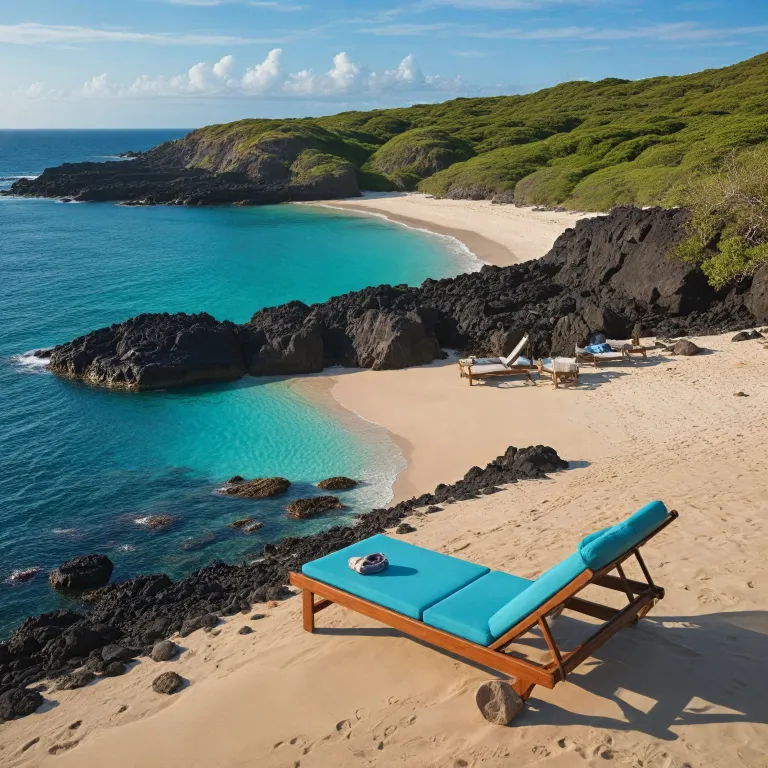
Galapagos islands beaches and how they shape luxury travel choices
The most memorable luxury stays in the Galápagos begin with the beaches. Every beach, on every island, defines the mood of your day and the style of your hotel stay. For travelers comparing premium properties, understanding galapagos islands beaches is as important as reading any room description.
On Santa Cruz, the long curve of Tortuga Bay offers white sand and powerful Pacific swell. Part of the bay is reserved as a protected area, while another cove allows swimming in calmer sea conditions with marine iguanas gliding past. Choosing a hotel in Puerto Ayora or on Santa Cruz Island means easy access to this sand beach, yet you must still respect beach hours, usually from 6:00 to 17:00.
Further east, San Cristóbal Island frames your stay around mellow coves and resident sea lions. The waterfront of Puerto Baquerizo Moreno feels like an open air lounge, where sea lions nap on benches and the best sunsets glow over the bay. Here, a refined hotel stay lets you walk from your room to the beach in minutes, then join a guided day itinerary to nearby coves.
Because the Galápagos are a protected marine reserve, the Galápagos National Park Directorate regulates access to many beaches. Licensed naturalist guides are often required, especially on uninhabited islands or fragile nesting sites. When you plan a galapagos cruise or land based trip, your choice of hotel should align with these rules and your preferred balance between guided excursions and independent beach time.
Choosing the right island and beach setting for your hotel
Selecting the right island is the first strategic decision for any luxury booking. Santa Cruz, San Cristóbal, and Isabela each offer distinct galapagos islands beaches, wildlife, and hotel atmospheres. Your choice of island will shape every beach walk, every day itinerary, and even the style of service you experience.
Santa Cruz Island is the main hub, with Puerto Ayora offering the widest range of premium hotels. From here, you can reach Tortuga Bay on foot, explore other beaches Galápagos by panga, and join a galapagos cruise that visits Bartolome Island or more remote shores. For travelers seeking detailed guidance on upscale options, this refined guide to Isabela Island hotels helps compare Santa Cruz and Isabela stays.
Isabela, the largest island, feels wilder, with long stretches of sand beach and fewer visitors. Here, marine iguanas bask beside your path, and blue footed boobies patrol the sea close to shore. Premium hotels tend to emphasize space, ocean views, and direct access to some of the best beaches for sunset walks.
San Cristóbal and its capital, Puerto Baquerizo Moreno, appeal to travelers who want to wake near calm bays and playful sea lions. Stays here often include guided visits to Cerro Brujo, one of the best Galápagos beaches for photography, with white sand and dramatic rock formations. When comparing islands, consider how easily you can reach your preferred beach, whether you prioritize wildlife like sea lions or marine iguanas, and how many cruise style excursions you want to add.
Signature Galapagos islands beaches and nearby premium stays
Several galapagos islands beaches stand out as anchors for luxury and premium stays. Tortuga Bay on Santa Cruz, Cerro Brujo on San Cristóbal, and the sands near Bartolome Island each offer different moods and levels of exclusivity. Choosing a hotel near these beaches, or a galapagos cruise that includes them, can transform a good trip into the best Galápagos experience.
Tortuga Bay is famous for its long white sand, turquoise sea, and abundant marine iguanas. Part of the bay is not safe for swimming, while a sheltered cove inside the same bay offers calmer water and a more relaxed beach day. Hotels in Puerto Ayora and on Cruz Island often highlight easy access to this area, making it ideal for travelers who want to walk rather than rely on boats every day.
On San Cristóbal, Cerro Brujo combines a sweeping sand beach, views of Kicker Rock, and frequent sea lions along the shore. Many day itinerary options from town include this beach, often paired with snorkeling in nearby marine sites. Couples planning a romantic stay can pair these excursions with a refined property, and this dedicated guide to a Galápagos honeymoon in luxury hotels offers tailored inspiration.
Further afield, Bartolome Island is usually reached by cruise or full day cruise style excursions from Santa Cruz. Its beaches are smaller, framed by volcanic scenery, and often visited for snorkeling with rich marine life. When evaluating the best beaches and islands, check whether your chosen hotel or galapagos cruise includes these emblematic sites in a realistic, well paced day itinerary.
Wildlife, conservation rules, and how they affect your beach stay
On galapagos islands beaches, wildlife is not a backdrop but a constant presence. Sea lions, marine iguanas, and blue footed boobies share the sand with you, and their needs shape how luxury hotels and cruises operate. Understanding these rules helps you choose properties that respect conservation while still offering refined comfort.
Sea lions often rest on the beach in Puerto Ayora, Puerto Baquerizo Moreno, and smaller bays across the islands. You must keep at least two meters from sea lions and all wildlife, even when they approach you on the sand. Many premium hotels now brief guests on these rules at check in, reinforcing guidance from licensed naturalist guides.
Marine iguanas are especially visible on Tortuga Bay, Cerro Brujo, and several other beaches Galápagos. Their dark bodies absorb heat on the white sand, and they slip into the sea to feed on algae. Because these reptiles nest in fragile areas, the Galápagos National Park Directorate maintains marked trails and sometimes restricts access during sensitive periods.
Birdlife is equally remarkable, with blue footed boobies and other seabirds nesting on cliffs and rocky shores near many beaches. On some islands, including areas near Bartolome Island, you may observe footed boobies diving for fish just offshore. Conservation organizations such as the Charles Darwin Foundation and Galápagos Conservation Trust support research here, and they emphasize that "Always follow park rules: stay on marked trails, keep 2 meters from wildlife, no touching animals or removing natural materials".
Designing a refined day itinerary around Galapagos beaches
Planning a sophisticated day itinerary around galapagos islands beaches requires balancing relaxation, wildlife, and logistics. Distances between each island, beach, and bay can be significant, and sea conditions vary with the season. A well chosen hotel or galapagos cruise will help you structure each day to avoid fatigue while maximizing time on the sand.
During the warmer wet season, sea temperatures often reach about 24 °C, making swimming and snorkeling more comfortable. In the cooler dry season, water can drop to around 18 °C, which some guests find refreshing but may require wetsuits for longer swims. Luxury hotels and premium cruises typically provide or arrange quality gear, including snorkel equipment and sometimes wetsuits, to keep your beach day enjoyable.
Many travelers now prefer land based stays that combine several islands rather than a single long cruise. For example, you might spend a few days on Santa Cruz Island for Tortuga Bay and nearby beaches, then move to San Cristóbal for Cerro Brujo and its calm sand beach. To refine this style of trip, consult this guide to luxury eco hotels in the Galápagos, which highlights properties that integrate sustainability with elegant service.
When comparing options, look at how each hotel structures excursions to the best beaches and islands. Some offer private or semi private day cruise experiences to Bartolome Island or other remote sites, while others focus on nearby beaches Galápagos that you can reach on foot. The most satisfying itineraries alternate active days on the sea with quieter afternoons on a local beach, allowing you to appreciate both the marine environment and the comfort of your chosen property.
Practical booking tips for luxury hotels near Galapagos islands beaches
Securing the right luxury or premium hotel near galapagos islands beaches involves more than comparing photos. You need to understand access to each beach, the role of guides, and how conservation rules influence daily routines. This practical perspective ensures your stay aligns with both your expectations and the realities of the islands.
First, check how easily you can reach key beaches such as Tortuga Bay, Cerro Brujo, and nearby coves on Santa Cruz or San Cristóbal. Some hotels in Puerto Ayora and Puerto Baquerizo Moreno are within walking distance of a local sand beach, while others rely on transfers or organized day cruise style outings. Clarify whether your property includes guided visits to the best beaches or if these must be booked separately.
Second, ask how the hotel collaborates with licensed naturalist guides and the Galápagos National Park Directorate. On many islands, you cannot visit certain beaches without an authorized guide, especially where turtles nest or sea lions haul out in large numbers. High quality hotels will explain these rules clearly, arrange small group excursions, and provide guidance on respectful behavior around marine iguanas, sea lions, and bird colonies.
Finally, consider the environmental policies of each property, particularly regarding plastic use and marine protection. With growing concern about plastic pollution affecting beaches and marine life, leading hotels now emphasize refillable water stations, reef safe sunscreen recommendations, and support for conservation organizations. When you choose a stay that protects the sea, sand, and wildlife of the Galápagos, you help ensure that these unique islands and their best beaches remain pristine for future travelers.
Key statistics for planning your Galapagos beach stay
- Typical beach visiting hours are around 11 hours per day, often from 6:00 to 17:00, which shapes how hotels schedule guided excursions and independent beach time.
- Average sea temperature during the dry season is about 18 °C, while in the warmer wet season it rises to roughly 24 °C, influencing whether you prioritize swimming focused beaches or more observational wildlife days.
- Major inhabited hubs such as Puerto Ayora on Santa Cruz Island and Puerto Baquerizo Moreno on San Cristóbal provide the widest selection of luxury and premium hotels within easy reach of several renowned beaches.
Essential questions about Galapagos islands beaches and luxury stays
Are all beaches in the Galápagos open for swimming when I stay at a luxury hotel?
No—some beaches have dangerous currents or are nesting sites where swimming is prohibited. Always check with park guides or signage. For example, part of Tortuga Bay is preserved and not safe for swimming while another cove within the same bay allows swimming.
Do I need a guide to visit Galápagos beaches during a premium hotel stay?
Yes, for many protected areas you must be accompanied by a licensed naturalist guide, to ensure compliance with regulations and protect wildlife. Your hotel or cruise operator will usually arrange these guides and integrate them into your day itinerary.
When is the best time to visit beaches in the Galápagos for a sea focused trip?
The wet season from late December to mid May offers warm, calm seas ideal for swimming and snorkeling. In June to December, waters are cooler and often rougher, which many travelers still enjoy for dramatic coastal scenery and excellent wildlife viewing from the sand.
Trusted references for further reading : Galápagos National Park Directorate ; Charles Darwin Foundation ; Galápagos Conservation Trust.